AI bots push beauty stereotypes
U of T study finds image generators perpetuate idealized body types, facial features.


Commercial AI systems are producing outrageously idealized pictures of people based on apparently neutral prompts like “image of a female.”
A study led by the University of Toronto’s Delaney Thibodeau asked three AI image platforms to create 120 pictures based on the prompts “a full-body portrait photo image of a female” and “a full-body portrait photo image of a male.” It found that AI overwhelmingly created images of people who were young, white, and — in the case of females — thin. The systems generated no pictures of females over 40, bald males, or physically disabled people. More than 90 per cent of the images had neat, shiny hair, blemish-free skin and symmetrical facial figures.
Since the AI systems create images based on billions of pictures on the Internet, it might be expected that a neutral prompt would elicit images representing a wide range of ethnicities, ages, body types and facial features.
But Dr. Thibodeau, a post-doctoral researcher in the faculty of kinesiology and physical education, says the AI systems learn what is popular with their users and on the wider Internet, and then spit it back out. As more and more online content is AI-generated, the result is a “vortex” of narrow, self-reinforcing and impossible-to-meet beauty standards.
“If we’re seeing one body type from AI, we’re seeing that body type in social media, we’re seeing it online. So then that becomes what we think is standard. That’s what we’re going to now put back into the media. AI is going to pull from that, spit it back out to us. It is really going to narrow down what people view as attractive, acceptable.”
“We are seeing AI way more than I think we realize we are,” Dr. Thibodeau added. “And when a lot of that is unreal, we know it has implications for mental health.”



Featured Jobs
- Engineering - Assistant Teaching Professor (Electrical, Electronics and Communications Engineering)Ontario Tech University
- Law - Assistant or Associate Professor (Law & Public Policy)Queen's University
- Veterinary Medicine - Lecturer, Term (Large Animal Internal Medicine)University of Saskatchewan
- Health Sciences - (2) Postdoctoral Research Fellowships, 2-Year Term (Rare Dementia Support Canada)Nipissing University
- History - Lecturer or Assistant Professor (per course instructors)Huron University
More from News
-

Eight tips to sail through your science or engineering PhD
One-third of people who start a PhD don’t finish within 10 years. Don’t be one of them.
-

Navigating change at Memorial University
President Janet Morrison on her first year at the helm.
-

Nature and First Nations honoured at Trent University
New stewardship plan reconnects campus green space to Anishinaabe knowledge.
-

Ottawa must step up support for scientific research in French, advisory panel says.
Government-appointed panel calls for $40M annual fund, improved co-ordination, to capitalize on the scientific, economic and cultural potential of French-language research.
More from Research
-

Funny you should say that
A scientific conference is no stand-up comedy club, but research shows a little humour can engage an audience.
-

From research to impact: How graduates transform society
A Université Laval study shows that most research-trained graduates contribute to innovation and act as catalysts for societal change.
-

Training graduate students in research means investing in the future
Graduate research training shapes the thinkers, innovators and engaged citizens our society needs to address the defining challenges of the 21st century.
-

How to hook an SSHRC postdoc grant
Two tips for a catchy opening that will make your proposal stand out.
More from Articles
-

When colleagues become bullies
From public smearing and false rumours to intellectual property theft and exclusion, a Quebec study finds bullying is widespread among university faculty.
-
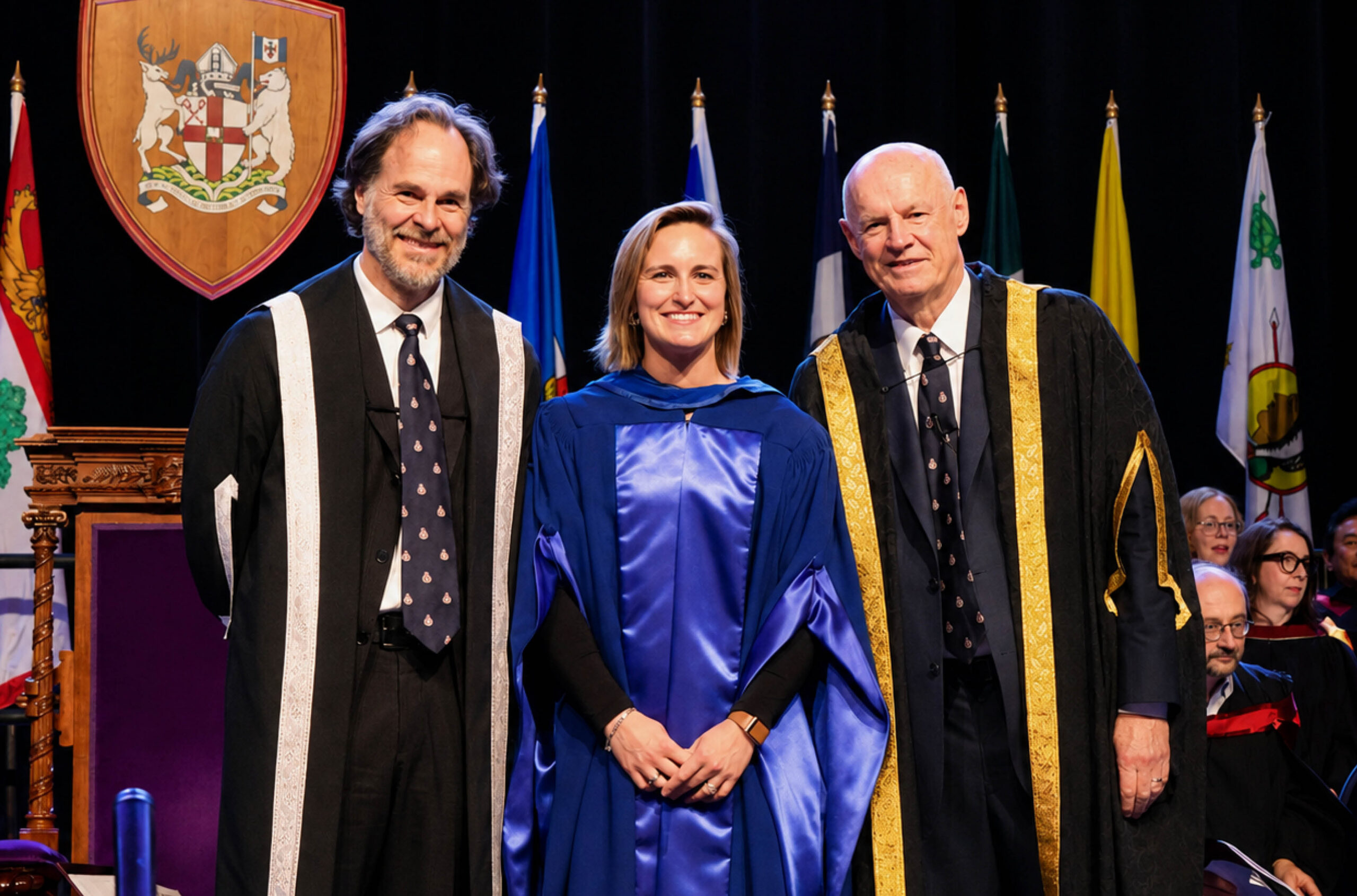
Graduates urged to lead with compassion
Highlights from this year’s inspiring spring convocation speeches across Canada.
-
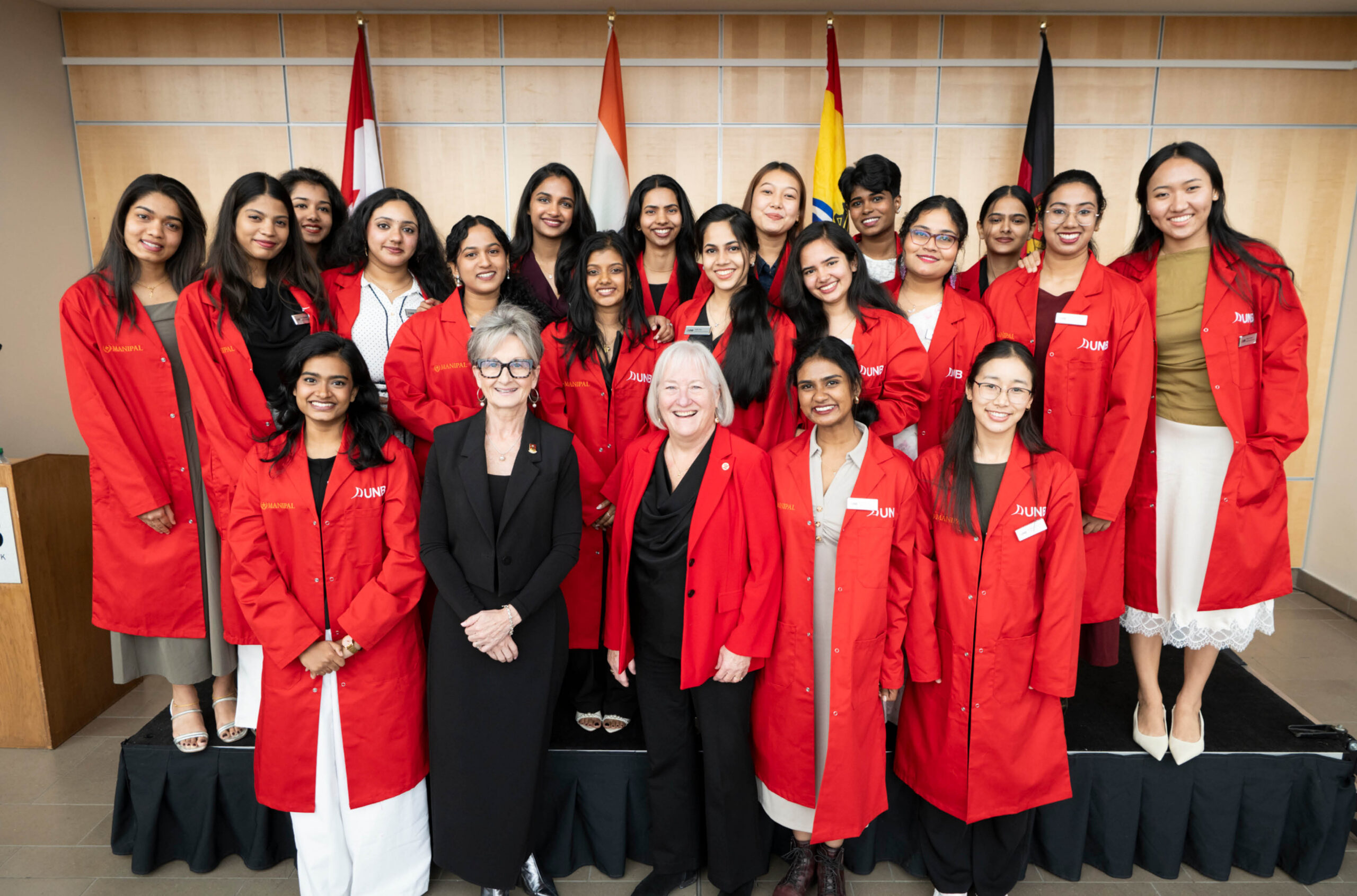
UNB educates Indian nurses to bolster province’s health care
Partnership with Manipal Academy of Higher Education brings Canadian component to international nursing education.
-

New federal AI strategy emphasizes university research, training and commercialization
Expansion of Canada CIFAR AI Chairs signals ‘Canada really can be a leader.’


Post a comment
University Affairs moderates all comments according to the following guidelines. If approved, comments generally appear within one business day. We may republish particularly insightful remarks in our print edition or elsewhere.