Leading a university through turbulent times
Marie-Eve Sylvestre, University of Ottawa’s new president, discusses leadership, academic freedom and the future of universities.

In an interview with University Affairs’ French podcast Campus à la une, Marie-Eve Sylvestre shared some insight into how she sees her new role. She recognized being president of the University of Ottawa was no ordinary job: “I’ve come into the position at a pivotal moment for universities, but also for Canada and the world at large.” Faced with geopolitical changes, technological revolutions, threats to sovereignty, economic instability and a funding crisis, institutions she insisted must start rethinking their role.
“Becoming a leader at this point in time is a great privilege—yet a major responsibility,” said Dr. Sylvestre. This responsibility extends far beyond the day-to-day management of an institution: “For centuries, universities have been spaces for discussion, dialogue and knowledge production. They play a critical role in society.”
Her understanding of the current moment heavily influences her approach. To Dr. Sylvestre, being president is more than an administrative position—it’s a political role, in the noble sense of the term. “As we explore our possibilities, it’s important to keep a firm handle on our responsibilities,” she added.
Reimagining the social role of universities
Dr. Sylvestre argued that the university can’t afford to be an ivory tower. Rather, research must be “rooted in the needs of communities” and be conducted in partnership with them. “Research needs to generate more than just knowledge,” she said. “Actions and concrete outcomes must follow.”
This vision is based on a simple but essential idea: “Universities don’t just train students for the workforce— they shape citizens.” Put another way, universities have a scientific, social, and civic mission.
With that in mind, Dr. Sylvestre makes the case for research that is “socially engaged and relevant, that makes a difference in communities.” This approach is intended to serve as a natural extension of the ideals of scientific excellence. “We can’t ignore performance indicators and metrics,” she said. “But we also can’t lose sight of the human and qualitative dimensions of our work.”
Universities, democracy and public debate
Understanding the university as a social actor informs how we view its role in the public sphere. Before becoming president, Dr. Sylvestre was co-chair of the Senate Committee on Academic Freedom. To her, academic freedom and free speech are priorities.
“Universities must remain sites of discussion, debate, and critique where students are exposed to different perspectives and new ideas,” she said. According to Dr. Sylvestre, freedom of expression as an essential precondition for both research and education.
But free speech is not without its limits. “It’s also crucial that universities be free from hate speech, racism, and discrimination,” she explained. A clear but flexible framework can help manage tensions between free speech and enforced respect.
She noted that “academic environments are not monoliths,” and that “these issues may be handled differently depending on whether you’re in class, attending a talk, or in a public space. Ultimately, we have certain responsibilities to our captive audiences.”
Leading through lean times
Finances are another unavoidable complication. The chronic underfunding of universities, especially in Ontario, strictly limits institutional leeway. “It’s harder than ever to locate funding,” acknowledged Dr. Sylvestre. “No matter how creative we are, finding new sources of income is a real challenge.”
Recent caps on international study permits have exposed how fragile academic funding has become. “We’re losing more than just money,” she said. “We’re also losing potential, especially in strategic sectors like science and health.”
But Dr. Sylvestre also sees these challenges as an opportunity. “This may be our moment to set up a new social contract with the public, to say: you can count on us to train talent and produce the research our country needs. But in exchange, we need your support.”
Changing university culture first
When asked where she sees the university in five years, Dr. Sylvestre replied more in terms of cultural transformations than administrative reform. “I’d like my legacy to be a culture shift— to have produced a culture of engagement, mobilization, and pride.”
She said she hopes to build an “ambitious and bold” university where “big ideas—even radical ones—can be freely pursued.” In her mind, it’s this overall attitude that makes institutional goals possible to achieve—not the other way around.
“Bilingualism, diversity, interdisciplinary research, international reach— anything that seems complex or challenging is what makes our universities so rich and our communities so vibrant.”


Featured Jobs
- International Studies - Faculty Position (Arctic Defence and Security)Université Laval
- Movember Institute Discovery Research Program FellowshipsThe University of British Columbia
- Theatre and Film - Assistant Professor Without Review (Performance Practice)The University of British Columbia
- Psychology - Assistant Professor (Clinical Psychology)Western University
- Global Inequalities and Trade - Faculty PositionUniversité Laval
More from News
-
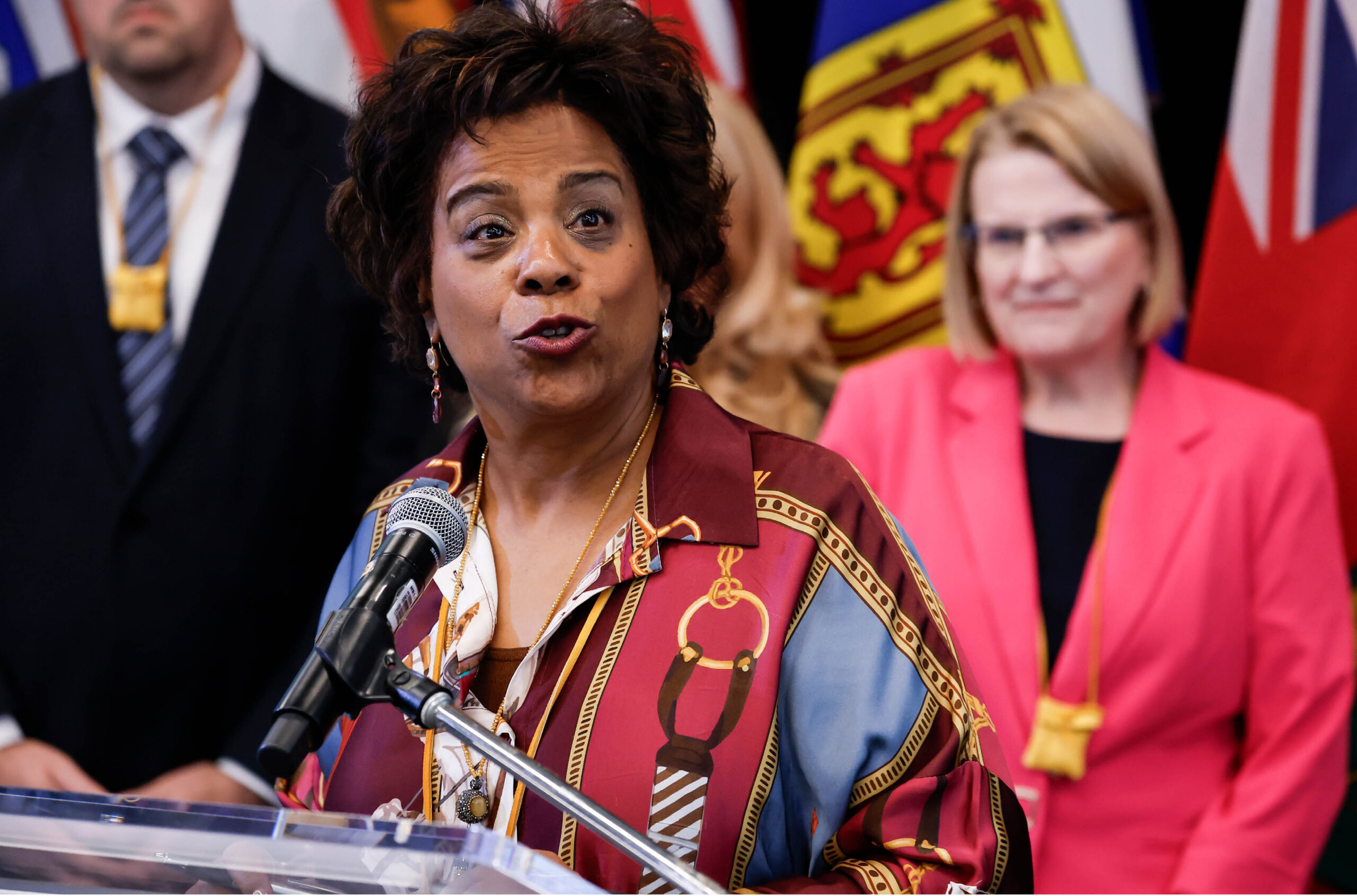
Feds announce $880 million for research
Funding will support both established health scientists and emerging cross-disciplinary researchers.
-
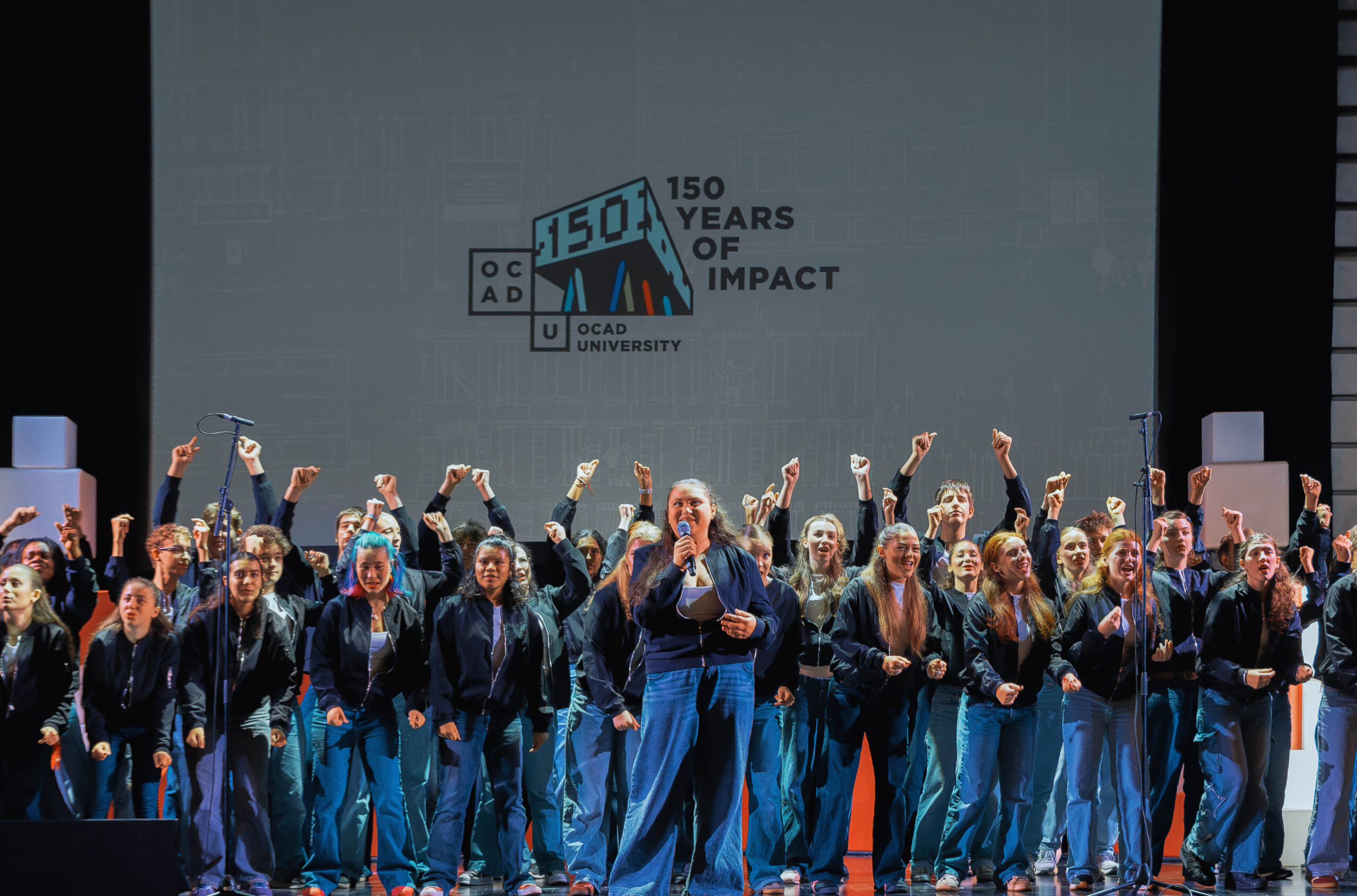
OCAD University celebrates 150 years of shaping Canadian culture
Art and design university launches $6-million campaign for 150 scholarships to mark 150th anniversary.
-

B.C. higher education: tweak or reform?
In the coming provincial election, parties offer different proposals for a system under strain.
-

Canada ‘muddling through’ without national research infrastructure strategy, panel finds
Expert report says fragmented governance and funding threaten Canada's research competitiveness and scientific sovereignty.
More from Policy
-

Quebec universities: 60 years of change
From the Quiet Revolution to the present day, universities have profoundly transformed Quebec society. As a provincial election rapidly approaches, we reflect on their changing mission over six decades of often tense history.
-

Universities participating in Canadian militarization: the case against
Henry A. Giroux argues that the militarization of Canadian universities threatens to transform institutions devoted to critical inquiry and democratic life into extensions of the warfare state.
-

Canadian universities and the new defence imperative: the case in favour
Martin Maltais argues that Canadian universities must play a greater role in strengthening the country’s defence capacity while preserving academic freedom and scientific independence.
-

Science must become a pillar of Canadian foreign policy
With technological developments reshaping global governance, science cannot remain isolated from international relations.
More from Articles
-
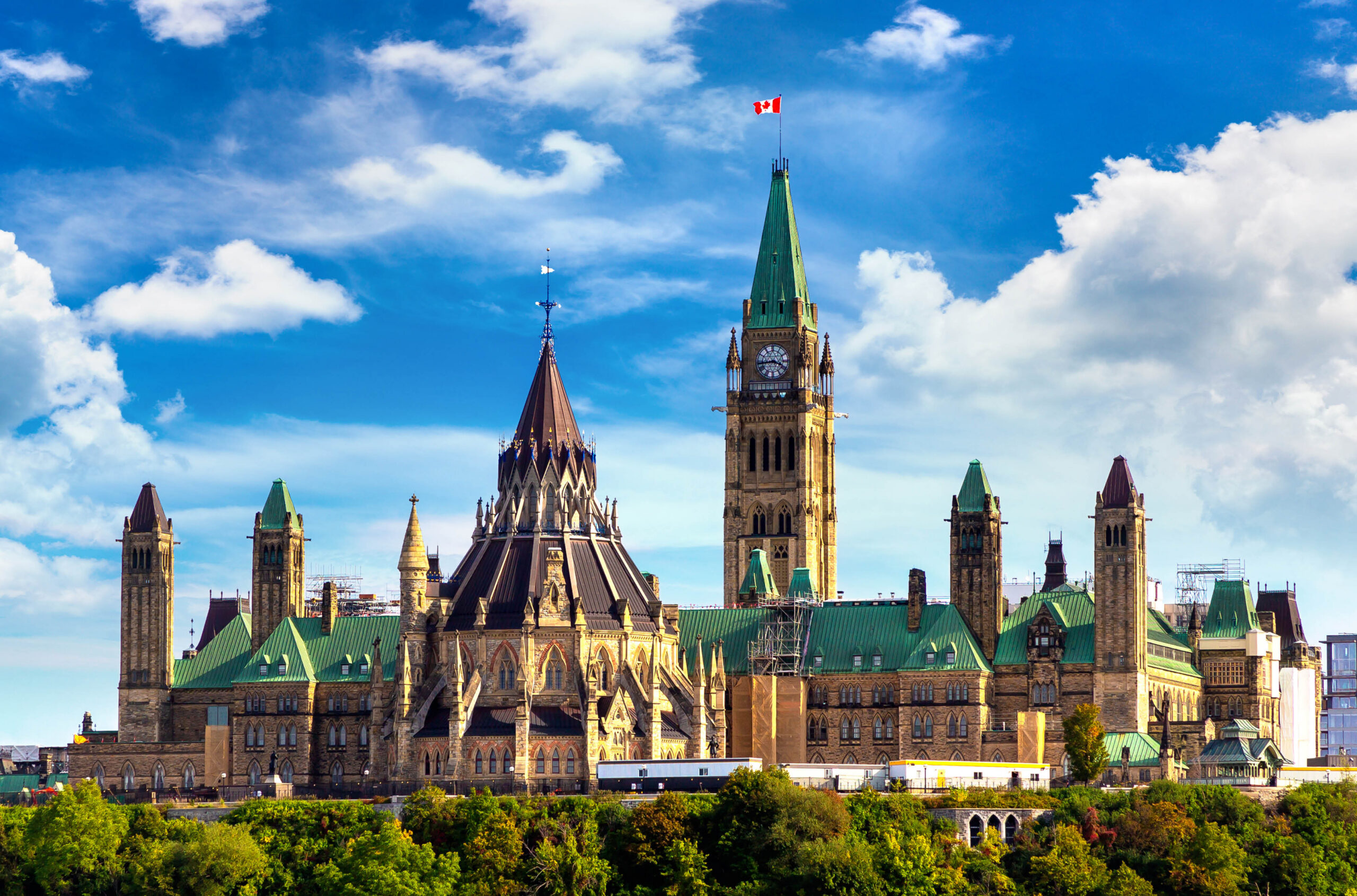
Ottawa won’t restrict student visas from countries with high asylum-claim rates
India will help Canada ‘crack down’ on student program abuses, high commissioner says.
-

Students and seniors under the same roof
Intergenerational living helps with loneliness and the high cost of rent.
-

U Sports alum lace up for PWHL season
Canadian grads eager to show their mettle on women’s pro hockey teams.
-

The hidden problem of student homelessness
As high rents push more students into precarious housing, it's time to stop romanticizing the 'poor scholar'.


Post a comment
University Affairs moderates all comments according to the following guidelines. If approved, comments generally appear within one business day. We may republish particularly insightful remarks in our print edition or elsewhere.