Jeremy Hansen: From physics to the moon
Behind the first Canadian to circle the moon lies a rigorous academic journey and close ties to university research.

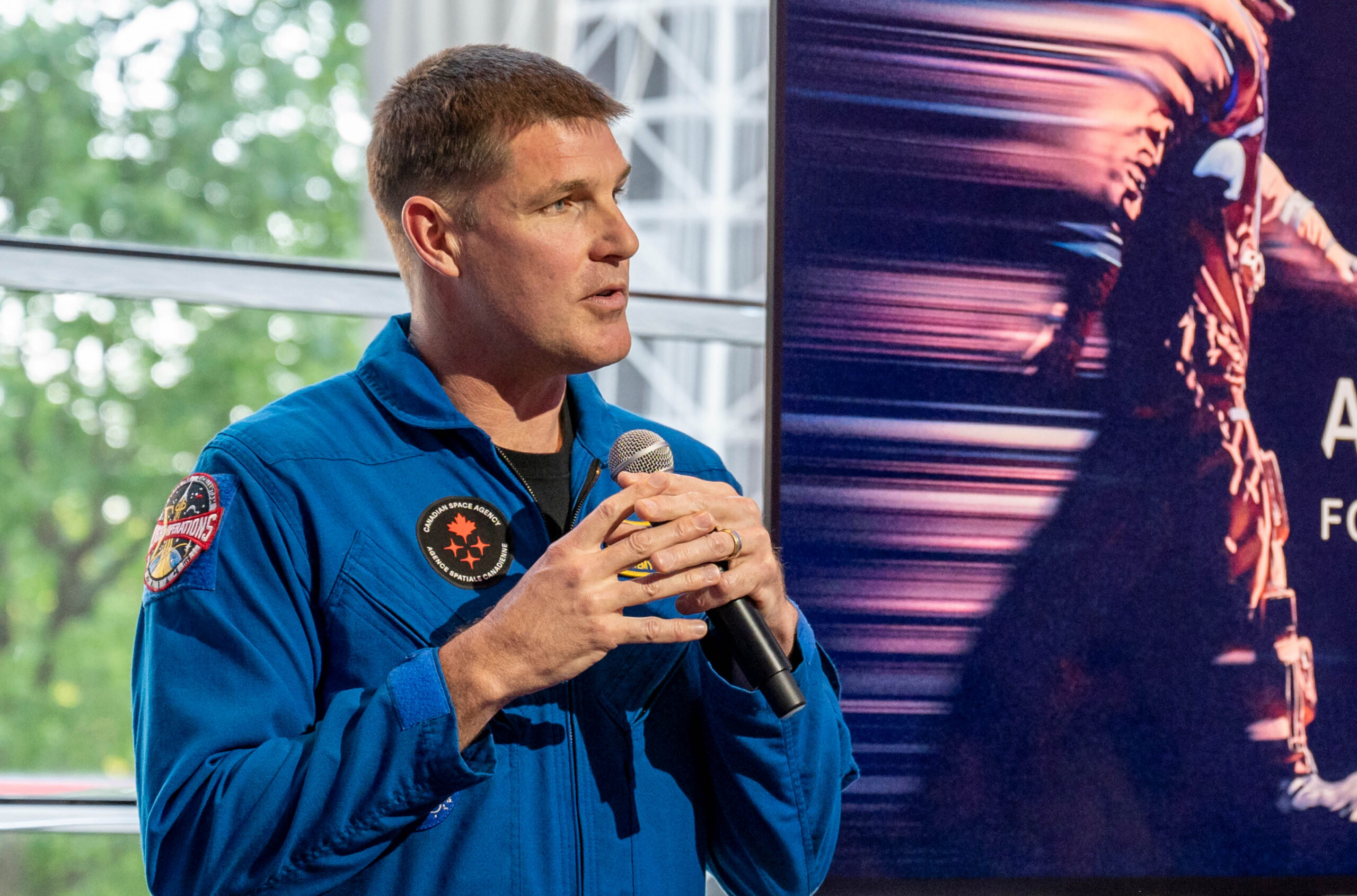
Col. Jeremy Hansen is making history on the Artemis II mission as first Canadian to fly around the moon. But beneath the surface of the intrepid military man lies an exceptional academic background, deeply rooted in physics and space sciences.
Born in 1976 in London, Ont., Col. Hansen developed a passion for space exploration at a early age, inspired by the exploits of Neil Armstrong. He joined the air cadets at the age of 12, which allowed him to obtain his glider pilot’s licence at 16, followed by his private pilot’s licence at 17.
His academic career began in Quebec at the Royal Military College Saint-Jean, before continuing at the Royal Military College of Canada (RMC) in Kingston, Ont. There, he graduated with honours from a B.Sc. in spacescience in 1999 and completed a master’s degree in physics the following year.
“It was exactly what he wanted to do”
Under the supervision of Erwin Batalla, he specialised in tracking Wide Field of View satellites. “He really stood out from the crowd,” recalls his professor, now retired. “He was a very determined student with an exceptional work ethic, very patient, and who got along well with everyone. I know he’s very happy today, because this is exactly what he wanted to do.”
RMC’s space science program is one of the few in the country to offer specialised training in space physics, covering orbital mechanics, space mission design and analysis, satellite tracking, remote sensing and communications.
In the field in Labrador and the Arctic
Gordon Osinski, a professor planetary geology at Western University in London, Ont., played a central role in the Artemis II astronauts’ geological training. He has a long-standing relationship with Col. Hansen. “I met Jeremy in 2012, shortly after he became an astronaut. The Canadian Space Agency was looking to provide its new cohort, which included Jeremy, with enhanced training in geology. Since I lead field expeditions in the Canadian Arctic, they asked me to provide a combination of scientific instruction and operational preparation.”
Dr. Osinski says the Arctic is an excellent analogue for Mars and the moon due to its isolation and geological structure — particularly the Kamestastin Lake impact crater in northern Labrador, where he carried out research in 2021 and 2023. “This site is unique in the world for two reasons: it’s a perfectly preserved meteorite impact crater, similar to the millions of craters that dot the moon, and it’s made of anorthosite. This is the white rock that glows when you look at the moon; it’s very rare on Earth, but ubiquitous up there.”
“All that training was worth it. They’re finally putting into practice what they learned with us in the field.”
The planetary geology professor describes Artemis II as “an incredibly exciting mission.” “Listening to the astronauts talk about craters and geology from space, I thought to myself that all that training was worth it. They’re finally putting into practice what they learned with us in the field.”
NASA has chosen Dr. Osinski as part of the geology team for the next Artemis mission — the only researcher from a Canadian university to hold this role.
As an astronaut, Col. Hansen joins a prestigious line of RMC graduates that includes Marc Garneau, Chris Hadfield and Joshua Kutryk. His journey illustrates the crucial role universities play in training astronauts and advancing knowledge, as Canada prepares to play its part in the resumption of human lunar exploration.



Featured Jobs
- Vice President, Finance & AdministrationOCAD University
- Marketing - Faculty Position, Tenured or Tenure TrackUniversity of Alberta
- Health Sciences - Assistant ProfessorSimon Fraser University
- Canada Impact+ Research ChairInstitut national de la recherche scientifique (INRS)
- Occupational Therapy - Assistant or Associate ProfessorDalhousie University
More from News
-
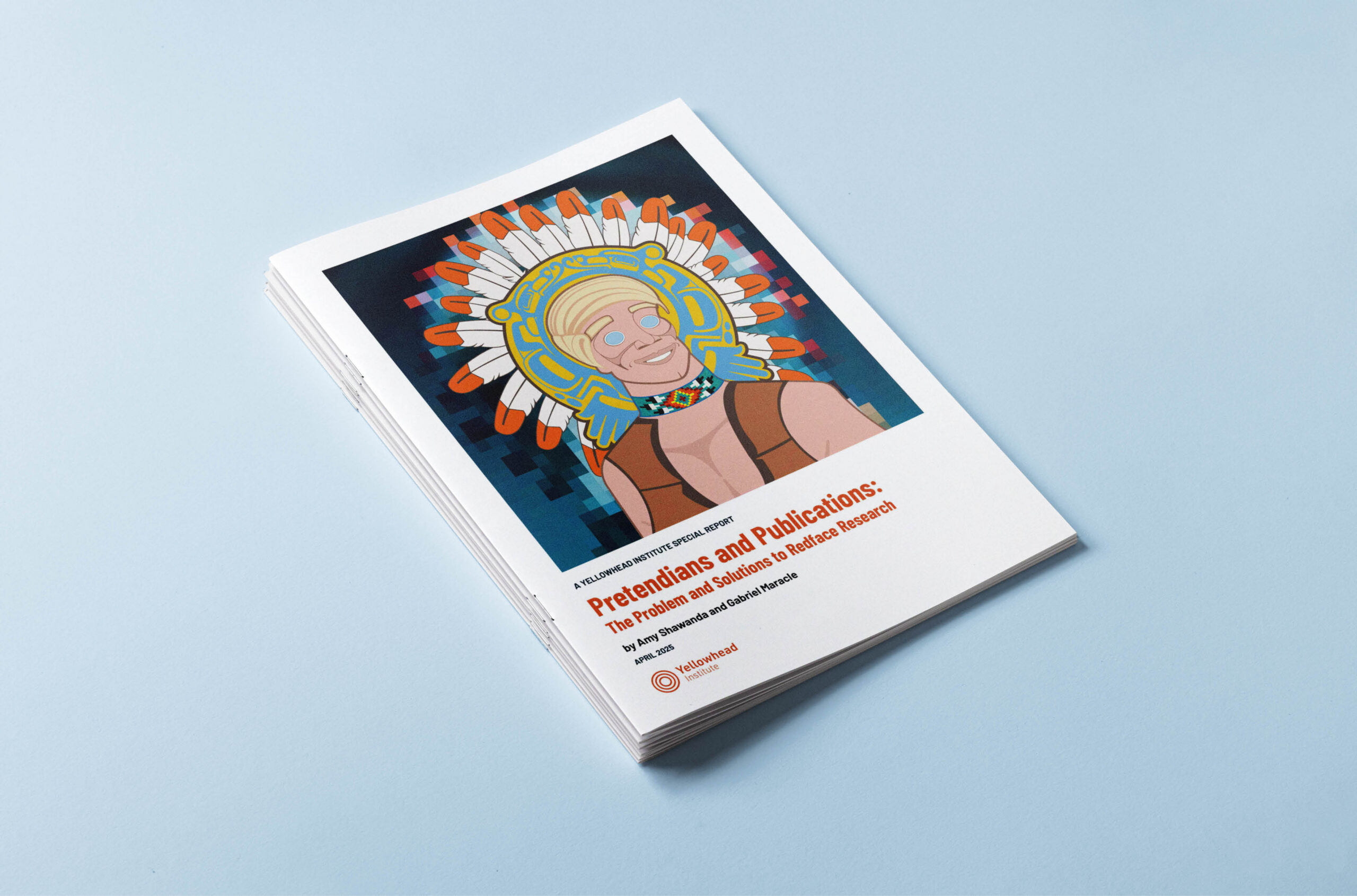
Addressing academia’s pretendian problem
Two Indigenous professors create a reference guide to stop scholars who falsely claim Indigenous heritage.
-
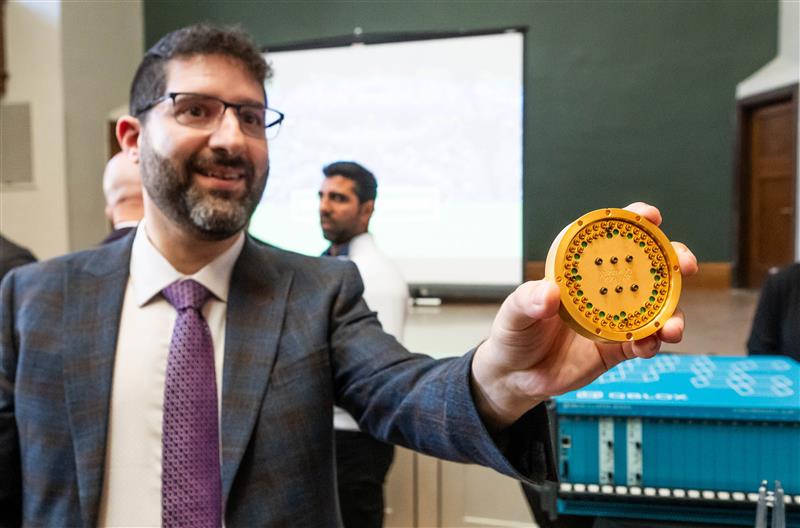
University of Saskatchewan acquires quantum computer to boost research capacity
Campus access to the technology will expand research possibilities.
-
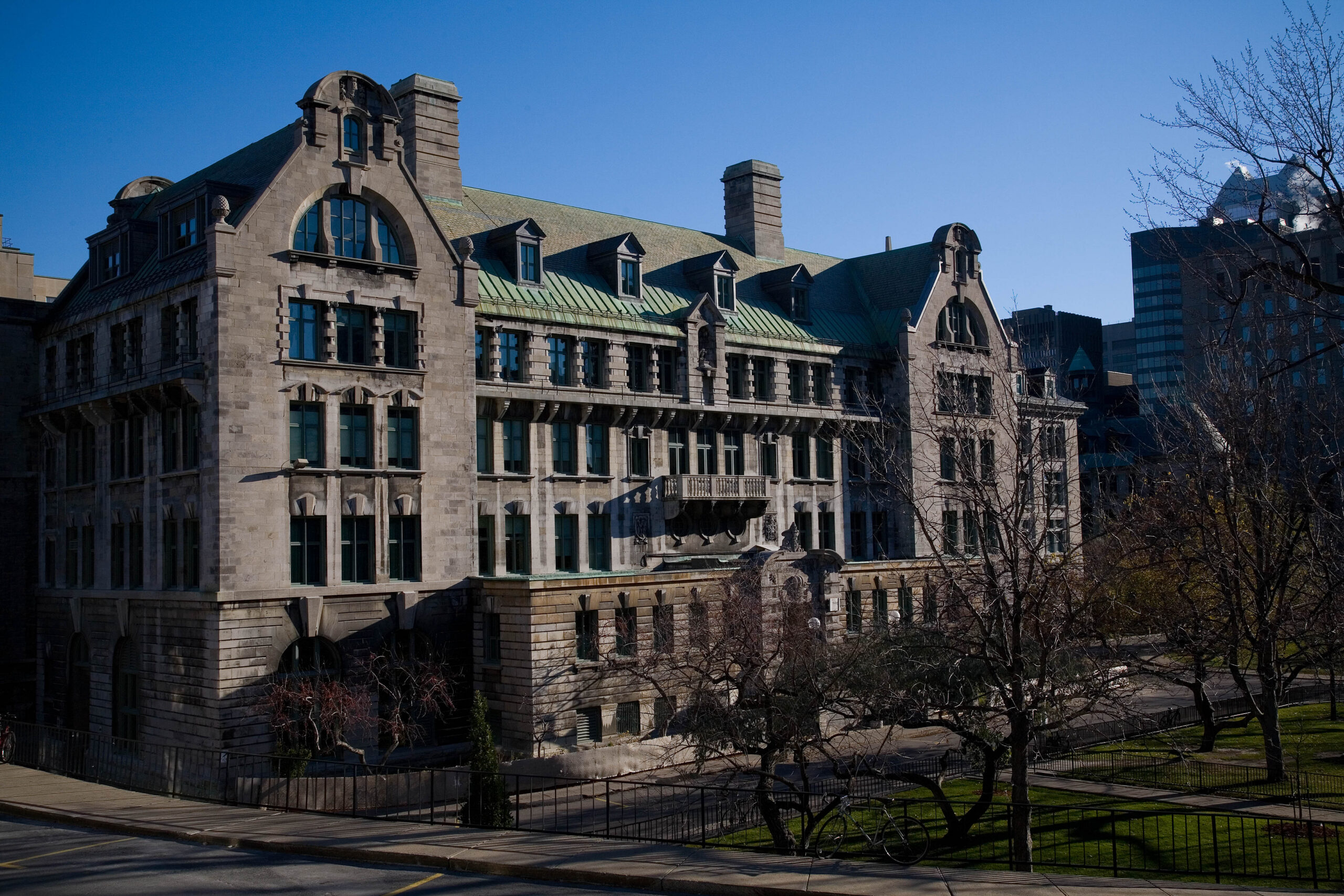
McGill appoints French emissary, makes peace with province
After dropping its legal battle over out-of-province tuition hikes, the university increases its efforts to promote French language and culture.
-
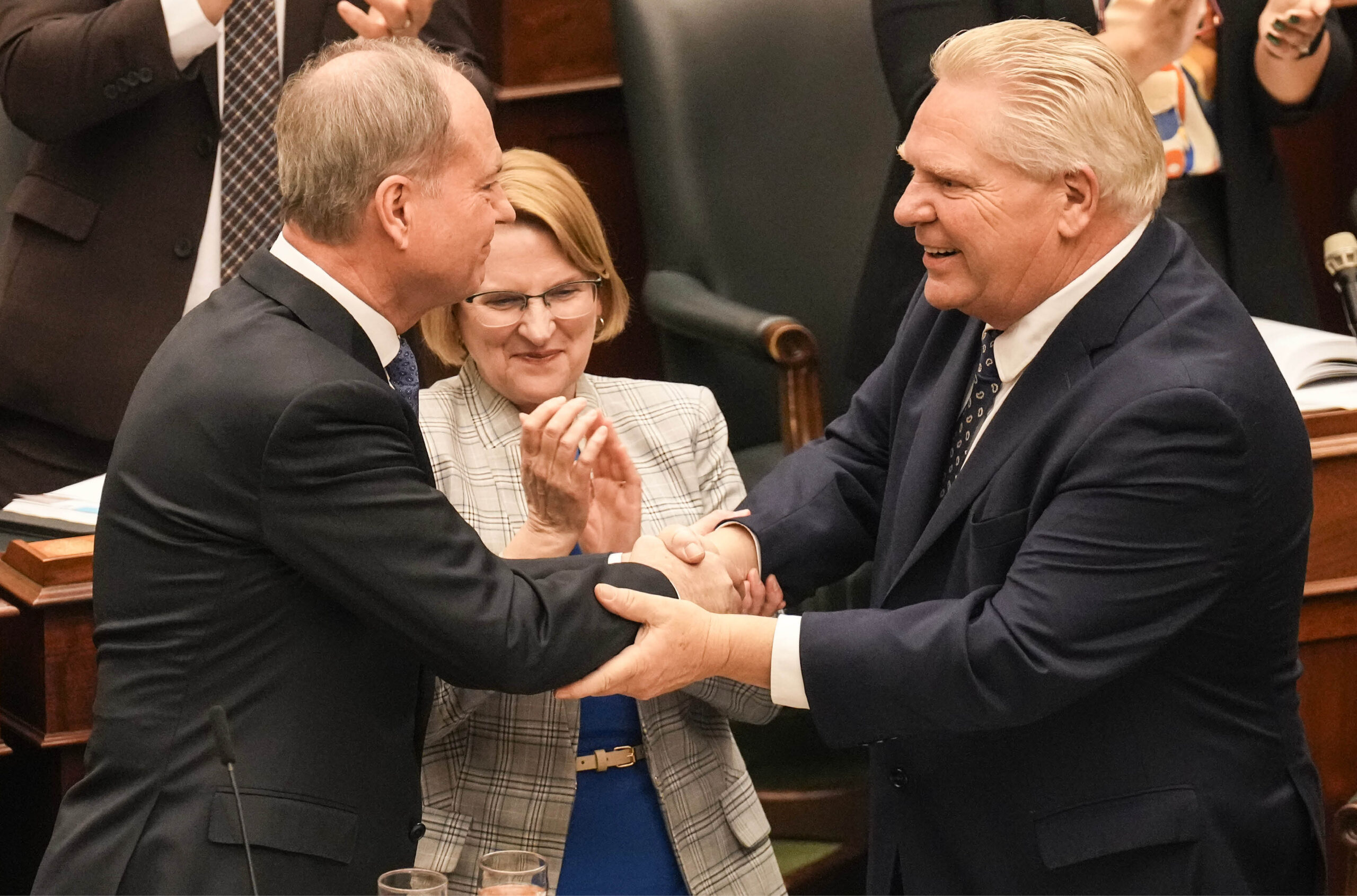
Ontario budget reaffirms $6.4 B post-secondary funding boost, adds money for infrastructure
Millions more allocated to research, clinical nursing training, and French-language education.
More from People to know
-
A story of perseverance and commitment to education
Despite an ALS diagnosis in 2023, Jean-François Champagne continues to champion access to education
-
Jean-Marc Narbonne: A philosophical approach to our era
Through his work on ancient philosophy and commitment to democracy, Jean-Marc Narbonne highlights how critical thinking and civic debate can help us better understand and contend with contemporary challenges.
-
Asa McKercher looks to Canada’s future by understanding its past relations with the U.S.
He is described by colleagues as ‘one of our most prolific writers on Canada-U.S. relations.’
-
How Edward Akuffo’s curiosity sparked new international relations
Author of the first book on Canadian foreign policy in Africa, Dr. Akuffo has a rich sense of wonder that dates back to childhood.
More from Articles
-
Manitoba increases investment in post-secondary education, announces new commission in 2026 budget
Post-secondary institutions will receive $882.6 million in operating funding.
-
Program changes at Memorial raise concerns
Impact on faculty and students remains unclear amid decreased enrolment and financial challenges.
-
UBC leads the way on civil discourse
A successful debate series places universities at centre stage in ending polarization.
-
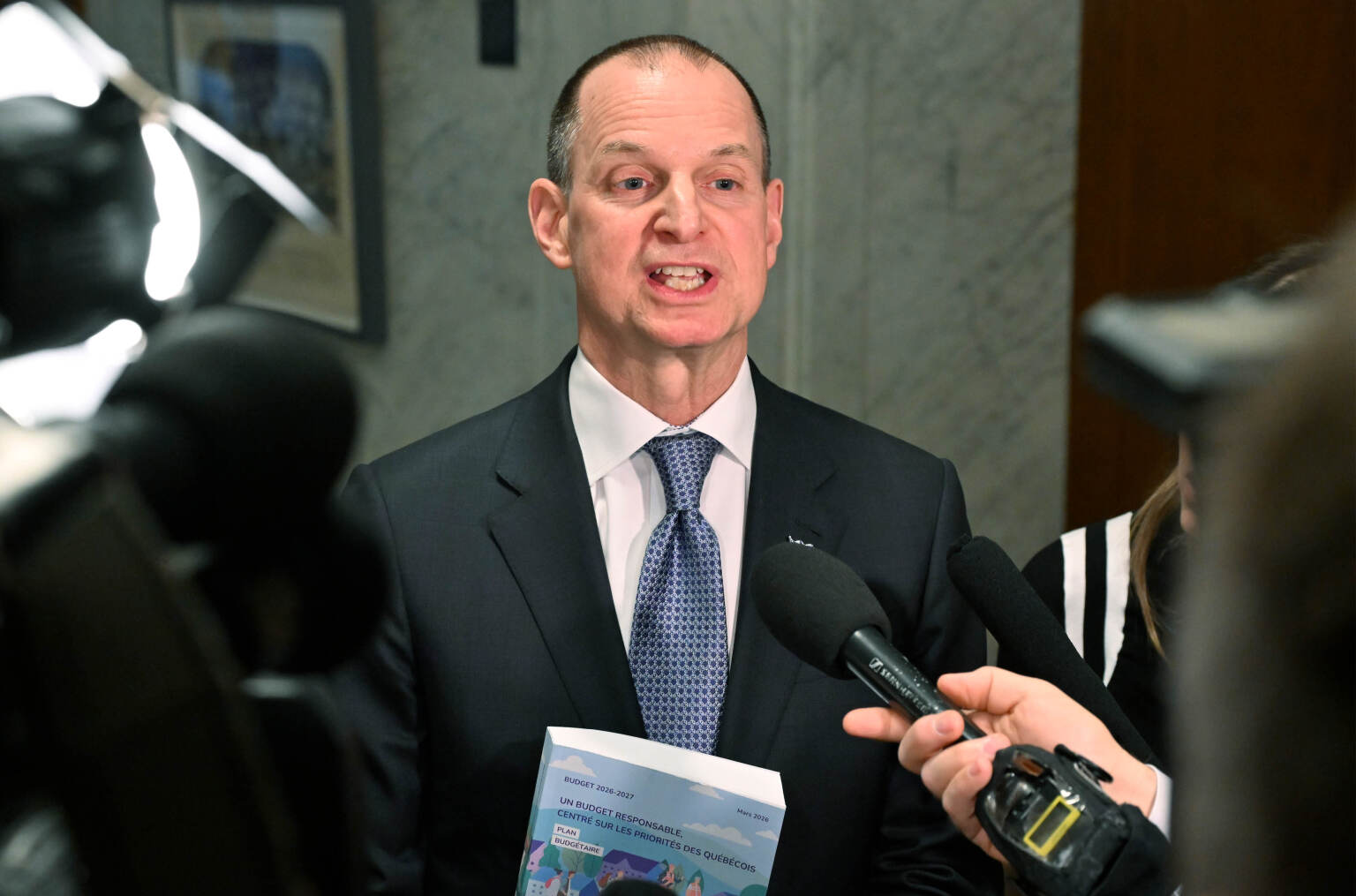
Quebec makes 5-year, $392M investment in universities to drive economic growth
With targeted investments in research and innovation, the provincial budget banks on universities to boost the economy — but fails to address structural underfunding.


Post a comment
University Affairs moderates all comments according to the following guidelines. If approved, comments generally appear within one business day. We may republish particularly insightful remarks in our print edition or elsewhere.