KPU expands course offerings that have zero textbook costs
The university estimates that students who opt for the ZTC degree program could save $5,000 over four years by exclusively using open-access course texts and library course reserves.

Degree options just got a little bit cheaper for students at Kwantlen Polytechnic University. Last fall, the B.C. university introduced a four-year bachelor’s program as part of its suite of Zero Textbook Cost (ZTC) credentials and courses.
Students pursuing a BA in general studies will now have the option of choosing courses with reading lists made up entirely of free online texts, or texts widely available through library course reserves. Students in the program must complete 120 credits, or roughly 40 courses. The university estimates that students in the program who opt for all ZTC courses will save $5,000 over four years.
Read also: Publishers, universities struggle to provide timely access to accessible textbooks
KPU has long supported open-education resources as part of its mandate as an open-access university. The institution first adopted open textbooks in 2012, and now offers some 700 courses with open textbooks and other free course material. The BA joins six other ZTC credentials offered at KPU – two associate degrees, a diploma, two certificates and an adult graduation diploma. In a press release, KPU says that since 2017, students enrolled in ZTC courses and programs have saved over $3.1 million.
Rajiv Jhangiani, associate vice-provost of open education, says the university is working on bringing more degree programs under the ZTC umbrella.



Featured Jobs
- Psychology - Assistant Professor (Clinical Psychology)Western University
- Theatre and Film - Assistant Professor Without Review (Performance Practice)The University of British Columbia
- International Studies - Faculty Position (Arctic Defence and Security)Université Laval
- Movember Institute Discovery Research Program FellowshipsThe University of British Columbia
- Toldo Chair in Christian StudiesAssumption University
More from News
-

Ottawa won’t restrict student visas from countries with high asylum-claim rates
India will help Canada ‘crack down’ on student program abuses, high commissioner says.
-

Students and seniors under the same roof
Intergenerational living helps with loneliness and the high cost of rent.
-

U Sports alum lace up for PWHL season
Canadian grads eager to show their mettle on women’s pro hockey teams.
-

The hidden problem of student homelessness
As high rents push more students into precarious housing, it's time to stop romanticizing the 'poor scholar'.
More from Campus news
-

Strike over, but strife remains at Laurentian
Faculty ratify new collective agreement, but say the deal still puts them behind other Ontario universities.
-
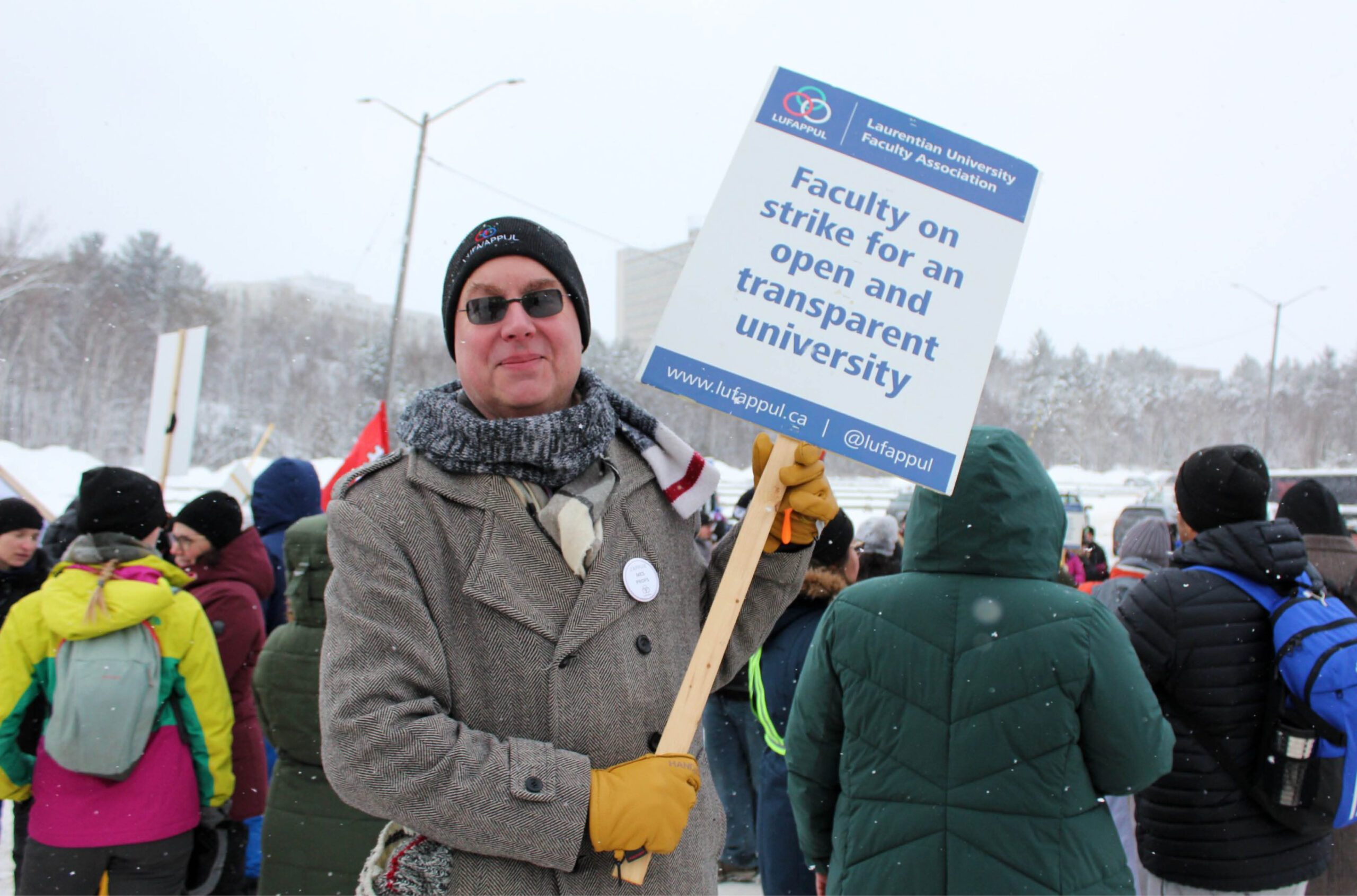
Faculty strike at Laurentian
Negotiations fail, picket lines rise at northern Ontario university.
-

Quebec universities weather an unprecedented storm
The province’s institutes of higher learning are navigating immigration restrictions, language policies, budget cuts and challenges to academic freedom.
-

Reflecting the cultural temperature
A look back at some of Spring’s convocation speeches at Canadian universities.
More from Articles
-

Parliamentary committee urges stronger support for research in French
Granting agencies should consider funding targets specifically for French-language projects, the Standing Committee on Science and Research recommends.
-

Remove EDI from research funding decisions, parliamentary committee says
The Standing Committee on Science and Research says ‘discriminatory’ EDI policies are ‘weakening the quality of Canadian research’.
-

Good medicine: new programs train country doctors
Université de Montreal follows Queen’s prescription to heal the shortage of family physicians in rural areas.
-

Universities struggle to be heard in Quebec election
In a campaign dominated by the U.S. trade war and the soaring cost of living, universities assert their continued importance.

Post a comment
University Affairs moderates all comments according to the following guidelines. If approved, comments generally appear within one business day. We may republish particularly insightful remarks in our print edition or elsewhere.