UNBC prof developing toolkit to help women feel safe online
‘Digital rights is a very important form of gender equality.’

Retreat is one option for women confronted with online gender-based harassment and abuse.
But keeping quiet is not a strategy Luna K C is willing to accept. Instead, the University of Northern British Columbia professor of global international studies is developing a cyber self-defence toolkit to help women protect themselves while staying active online.
“Digital rights is a very important form of gender equality,” said Dr. K C, who researches armed conflict, peace and security as they relate to women. Since social media and digital platform participation are important tools in career advancement, expecting women and girls to withdraw when they encounter online abuse “would really push them back.”
Funded by a $50,000 grant from the federal department of national defence, which has been working to address gender-based violence within the military, Dr. K C hopes to launch the toolkit in summer 2025. It’s expected to outline risks of gender-based cyberviolence, provide evidence-based solutions, policy recommendations, practical strategies for responding to gender-based cyberviolence and resources for further ideas and support.
“Is it possible to still protect women and girls’ rights without deleting their social media accounts?” said Dr. K C. “That is one of the major questions that I’m asking.”



Featured Jobs
- Theatre and Film - Assistant Professor Without Review (Performance Practice)The University of British Columbia
- Psychology - Assistant Professor (Clinical Psychology)Western University
- International Studies - Faculty Position (Arctic Defence and Security)Université Laval
- Global Inequalities and Trade - Faculty PositionUniversité Laval
- Director, Human Research Ethics & Strategic AdvisorUniversity of Manitoba
More from News
-

U Sports alum lace up for PWHL season
Canadian grads eager to show their mettle on women’s pro hockey teams.
-

The hidden problem of student homelessness
As high rents push more students into precarious housing, it's time to stop romanticizing the 'poor scholar'.
-

Parliamentary committee urges stronger support for research in French
Granting agencies should consider funding targets specifically for French-language projects, the Standing Committee on Science and Research recommends.
-

Remove EDI from research funding decisions, parliamentary committee says
The Standing Committee on Science and Research says ‘discriminatory’ EDI policies are ‘weakening the quality of Canadian research’.
More from Campus news
-

Strike over, but strife remains at Laurentian
Faculty ratify new collective agreement, but say the deal still puts them behind other Ontario universities.
-
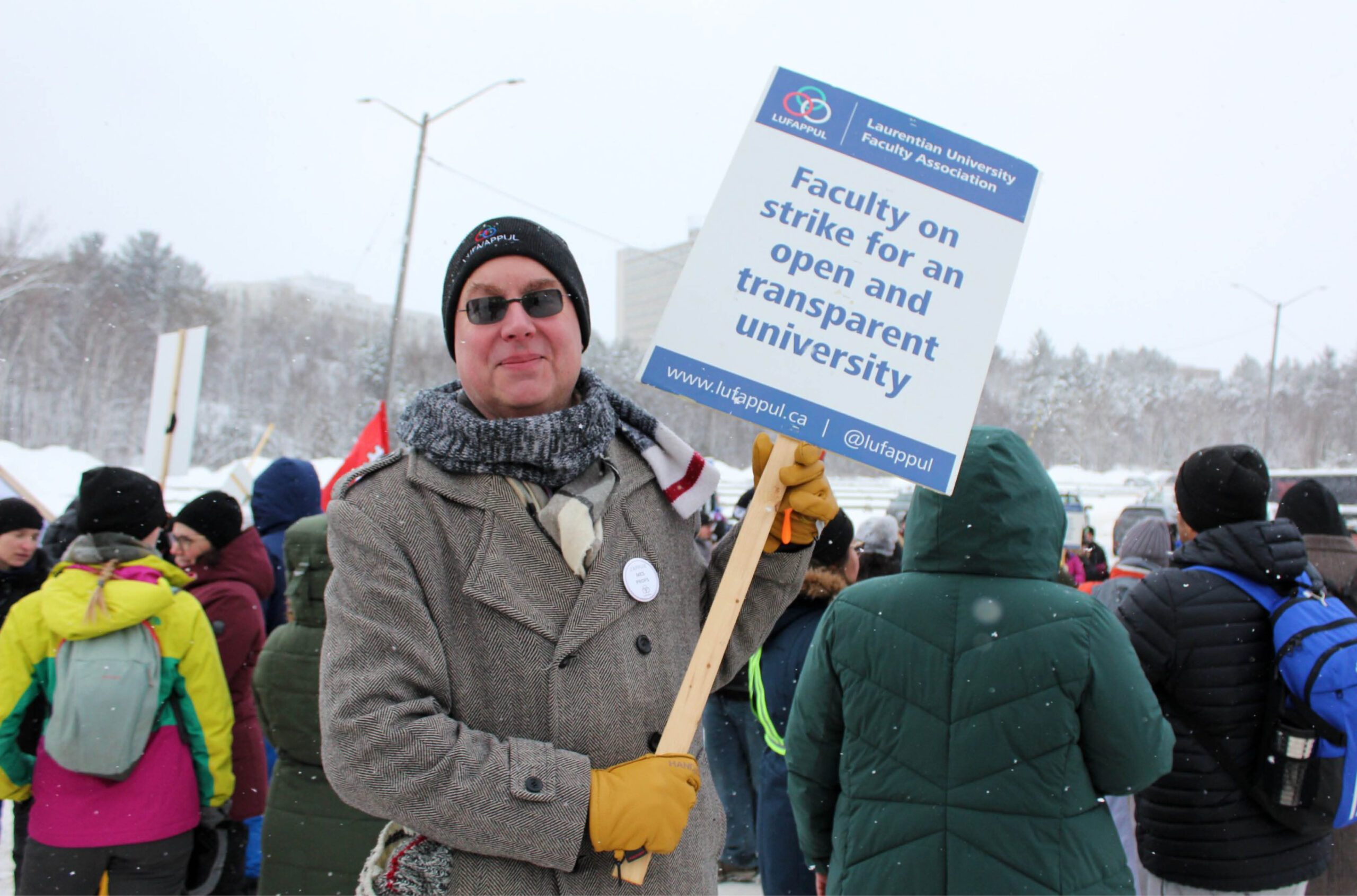
Faculty strike at Laurentian
Negotiations fail, picket lines rise at northern Ontario university.
-

Quebec universities weather an unprecedented storm
The province’s institutes of higher learning are navigating immigration restrictions, language policies, budget cuts and challenges to academic freedom.
-

Reflecting the cultural temperature
A look back at some of Spring’s convocation speeches at Canadian universities.
More from Articles
-

Good medicine: new programs train country doctors
Université de Montreal follows Queen’s prescription to heal the shortage of family physicians in rural areas.
-

Universities struggle to be heard in Quebec election
In a campaign dominated by the U.S. trade war and the soaring cost of living, universities assert their continued importance.
-

Quebec’s English-language universities embrace new French requirements as fall cohort begins
McGill, Concordia and Bishop’s universities roll out new initiatives to encourage students to learn French on and off campus.
-
Attacks on higher education spread globally, including in liberal democracies, Scholars at Risk report finds
Canada urged to defend values amid erosion of institutional autonomy in the U.S.

Post a comment
University Affairs moderates all comments according to the following guidelines. If approved, comments generally appear within one business day. We may republish particularly insightful remarks in our print edition or elsewhere.