Strike over, but strife remains at Laurentian
Faculty ratify new collective agreement, but say the deal still puts them behind other Ontario universities.


A three-week strike at Laurentian University gave faculty a hard-won a salary increase, but did not convince the university to bring the pension plan into line with the union’s demands.
Faculty at Laurentian accepted the “take it or leave it” offer from the Board of Governors on Feb. 8, ending the strike that had professors walking picket lines in frigid weather. By a 74 per cent majority, members of the Laurentian University Faculty Association (LUFA) voted to accept a three-year contract with a 4.25 per cent annual salary increase and bonuses for full-time employees. Lecturers will receive increases of 4 per cent in the first two years and 2 per cent in the final year.
LUFA’s demands focused mainly on wages, workloads, and a return to a defined-benefit pension plan — all issues affected by the university’s financial restructuring and unprecedented cutbacks.
“Our members have suffered years of program cuts, job losses and wage rollbacks,” said LUFA president Fabrice Colin, adding that sacrifices included a 2.2 per cent salary reduction from 2020 to 2025 as well as the loss of two years’ seniority and 15 days’ salary. The pension plan also remains a sticking point. “It was made into a defined-contribution plan. We want it turned back into a defined-benefit plan, which is becoming the norm for the sector in Ontario.”
Dr. Colin says the agreement is “a small step toward fairness,” but does not rebuild trust or close the gap with other universities in the province. In addition, he decries the Ontario government’s interference with the bargaining process, which led to an unfair labour practice complaint and a court challenge now under way.
LUFA members also held a vote of no confidence in the Board of Governors and senior management, demanding resignations.
Interim provost and vice-president academic Alain Simard commented on the situation, saying, “The 2021–2022 crisis was extremely difficult for the whole university community and weakened trust in the institution.”
He said the fallout is still being felt. “Faculty had hoped to recover all their losses, but even though Laurentian is now in a fairly stable position compared with other universities, the financial after-effects are still with usand we’re not entirely finished with the process.”
Dr. Simard said there was no direct interference by the Ontario government in the bargaining or any strike-related decisions. “The role of the government was confined to approving budget projections and making sure the financial requirements were met, which is normal for any university. Although the government provided a loan enabling Laurentian to keep operating, but it does not influence the institution’s internal decisions.”
He concluded: “I’d say one of our top priorities over the next few years is to restore the trust that’s been shaken by recent events. Personally, I hope this will translate into more communication so everyone has the information they need to understand complex financial and organizational situations.”



Featured Jobs
- Health Sciences - Assistant ProfessorSimon Fraser University
- Vice President, Finance & AdministrationOCAD University
- Canada Impact+ Research ChairInstitut national de la recherche scientifique (INRS)
- Occupational Therapy - Assistant or Associate ProfessorDalhousie University
- Marketing - Faculty Position, Tenured or Tenure TrackUniversity of Alberta
More from News
-

Jeremy Hansen: From physics to the moon
Behind the first Canadian to circle the moon lies a rigorous academic journey and close ties to university research.
-

Addressing academia’s pretendian problem
Two Indigenous professors create a reference guide to stop scholars who falsely claim Indigenous heritage.
-

University of Saskatchewan acquires quantum computer to boost research capacity
Campus access to the technology will expand research possibilities.
-
McGill appoints French emissary, makes peace with province
After dropping its legal battle over out-of-province tuition hikes, the university increases its efforts to promote French language and culture.
More from Campus news
-
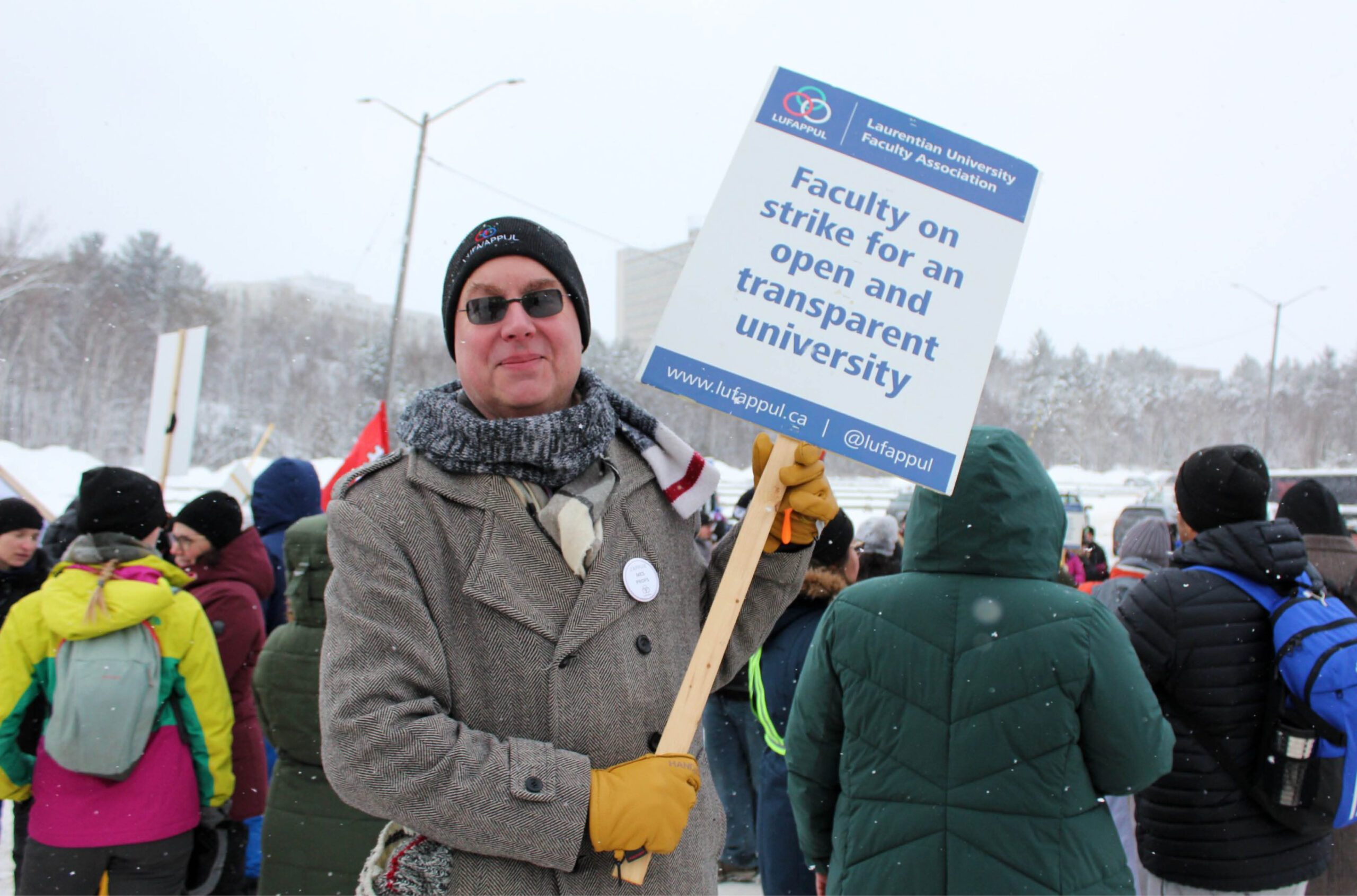
Faculty strike at Laurentian
Negotiations fail, picket lines rise at northern Ontario university.
-

Quebec universities weather an unprecedented storm
The province’s institutes of higher learning are navigating immigration restrictions, language policies, budget cuts and challenges to academic freedom.
-

Reflecting the cultural temperature
A look back at some of Spring’s convocation speeches at Canadian universities.
-

Memorial med student makes art to assist classmates’ study
What started as a hobby is now helpful for both his degree and his fellow classmates.
More from Articles
-
Ontario budget reaffirms $6.4 B post-secondary funding boost, adds money for infrastructure
Millions more allocated to research, clinical nursing training, and French-language education.
-

Manitoba increases investment in post-secondary education, announces new commission in 2026 budget
Post-secondary institutions will receive $882.6 million in operating funding.
-
Program changes at Memorial raise concerns
Impact on faculty and students remains unclear amid decreased enrolment and financial challenges.
-

UBC leads the way on civil discourse
A successful debate series places universities at centre stage in ending polarization.


Post a comment
University Affairs moderates all comments according to the following guidelines. If approved, comments generally appear within one business day. We may republish particularly insightful remarks in our print edition or elsewhere.