Teaching physicians, med students battle Quebec’s Bill 2 with strikes and lawsuits
Students strive to make up for lost time after fall labour disruptions.

Quebec medical students and the physicians who teach them are continuing to oppose the provincial government over a law that changes the way doctors are paid and imposes stringent financial and professional sanctions against those who take “concerted action” to protest the new regime.
Quebec’s controversial Bill 2 prompted teaching physicians to engage in a six-week work stoppage this fall, disrupting med students’ academic schedules and jeopardizing their ability to meet clinical learning benchmarks. After the strike, the province’s doctors moved their fight from the streets to the courts, and are now involved in a negotiation blitz with the provincial government to find a resolution before the law comes into effect on Jan. 1, 2026. Meanwhile, med students are striving to make up for lost time.
But teaching physicians aren’t to blame for the disruption, said Nicolas Dostie, a third-year medical student and president of the Association des étudiantes et étudiants en médecine de l’Université de Montréal (AÉÉMUM).
“We have consistently supported doctors in their pressure tactics because they are defending the future of our profession and the health care system,” Mr. Dostie said.
Autumn of discontent
The first teaching stoppage was initiated by the Fédération des médecins spécialistes du Québec (FMSQ), which represents medical specialists, on September 15; it lasted six weeks. The Fédération des médecins omnipraticiens du Québec (FMOQ), which represents general practitioners, then launched its own 10-day teaching stoppage on October 16.
The strikes ended after teaching physicians were forced to back down or face heavy penalties when Quebec’s legislative assembly passed the controversial bill under closure on October 25.
The bill’s section 165 prohibits anyone from directly or indirectly impeding or delaying the education of medical students. The heavy fines imposed for violating the bill prevent Quebec’s medical students from striking in protest, said Mr. Dostie, who views this measure as a muzzle on people’s freedom to voice their dissatisfaction. “We would go bankrupt,” he said, adding that AÉÉMUM could pay up to $500,000 in fines per day.
In November, Quebec’s federation of medical students — la Fédération médicale étudiante du Québec (FMEQ) — asked a court to suspend the part of the law that prohibits them from striking, but the court denied their request. “This disappointing outcome prevents us from exerting political pressure,” said Ryan Kara, executive president of the Medical Students’ Society at McGill University, wearing a blue square as a sign of protest. He noted that it may be possible to appeal the decision.
Playing catch-up
The 4,500 undergraduate students enrolled in Quebec’s four medical faculties — at McGill, Université de Montréal, Université de Sherbrooke and Université Laval — were not all equally affected by the labour disruption.
At Université de Sherbrooke (UdeS), some doctors chose not to strike “largely because they had research to conduct and staff to manage,” explained Fernand-Pierre Gendron, President of the Association des professeures et professeurs de la Faculté de médecine de l’UdeS (APPFMUS).
“Clinical clerks — third- and fourth-year students — were most affected,” said Mr. Kara. “They spent six weeks sitting around at home doing nothing.” He noted that the 2026 graduating class will finish in mid-May rather than April, and will start their residencies just four weeks later.
The class of 2027 will also be affected. “We won’t be able to take key electives that could determine our speciality during clerkships,” lamented Mr. Kara. First-year students will feel less of an impact, as courses can be pre-recorded and reused from year to year.
“Staff are working hard to limit the effects of the dispute and reduce the overall delays and cancelled internships,” says UdeM spokesperson Geneviève O’Meara. This includes replacing courses usually taught by specialists with videos filmed during the pandemic.
Catching up is no easy task: students may be able to take courses during school breaks, or finish later in the year, as long as it doesn’t interfere with their scheduled residencies. “UdeM students lost a lot of time off, but they’ll all be able to graduate provided they pass their final exam,” said Mr. Dostie. “That’s the good news.”
Widespread consequences
In addition to losing rest time during a very demanding program, students are already feeling the effects in the clinical context. “A certain level of performance was expected of us by mid-November that we couldn’t necessarily achieve,” said Mr. Kara, who is currently on a clinical rotation in rural Outaouais. “It’s noticeable.” Students arriving at their clinical rotations after the teaching physicians’ strike were “slower and less efficient,” he said, adding that several of his his peers have told him they are “extremely stressed” and aren’t sure if they’re hitting the right benchmarks.
The new obligation under Bill 2 to treat more patients faster is a major reason doctors are unhappy. Among other things, the bill fails to consider the extra time it takes to teach medical students. “If a doctor only has 5 to 10 minutes with each patient, where does teaching fit in?” said Mr. Kara.
Unsurprisingly, universities are finding it harder to recruit teaching physicians. “Sherbrooke had plenty of volunteers in past years, but they’re much harder to find now,” said Dr. Gendron.
Mr. Kara is concerned about the future of his chosen profession. “We’re being taught to listen to patients, to let them talk. But if appointments only last five minutes, there’s no time for that. We have to cut patients off to batter them with questions,” he said.
As Mr. Dostie noted: “The medical profession is about people at the end of the day.”



Featured Jobs
- Engineering - Assistant Professor, Teaching-Focused (Surface and Underground Mining)Queen's University
- Anthropology of Infrastructures - Faculty PositionUniversité Laval
- Director of the McGill University Division of Orthopedic Surgery and Director of the Division of Orthopedic Surgery, McGill University Health Centre (MUHC) McGill University
- Canada Impact+ Research ChairInstitut national de la recherche scientifique (INRS)
- Soil Physics - Assistant ProfessorUniversity of Saskatchewan
More from News
-
Mila aims to make chatbots safer
AI institute develops filters to protect psychologically distressed users.
-
Leading a university through turbulent times
Marie-Eve Sylvestre, University of Ottawa’s new president, discusses leadership, academic freedom and the future of universities.
-

Olympics bound
University students to watch at the 2026 Winter Olympics in Italy.
-
Memorial University tackles financial shortfall
Restructuring and selling property among changes to reduce annual spending.
More from Teaching
-

Reflection on five years of The Skills Agenda
Faculty innovation is key to advancing student career preparation in the years ahead.
-

The Slow Professor ages well
The recently published 10th anniversary edition adds new material to this classic text.
-

Teaching experience in the academic job market
“Evidence of teaching effectiveness” adds to the ever-growing demands on graduate students.
-

Clinical teaching stoppage delays Quebec med students’ graduation
Legault government passes special legislation changing doctors’ pay structure and ordering clinical educators back to work.
More from Articles
-

Canada is lagging in open access
Why is the free distribution of scientific literature such a contentious issue?
-
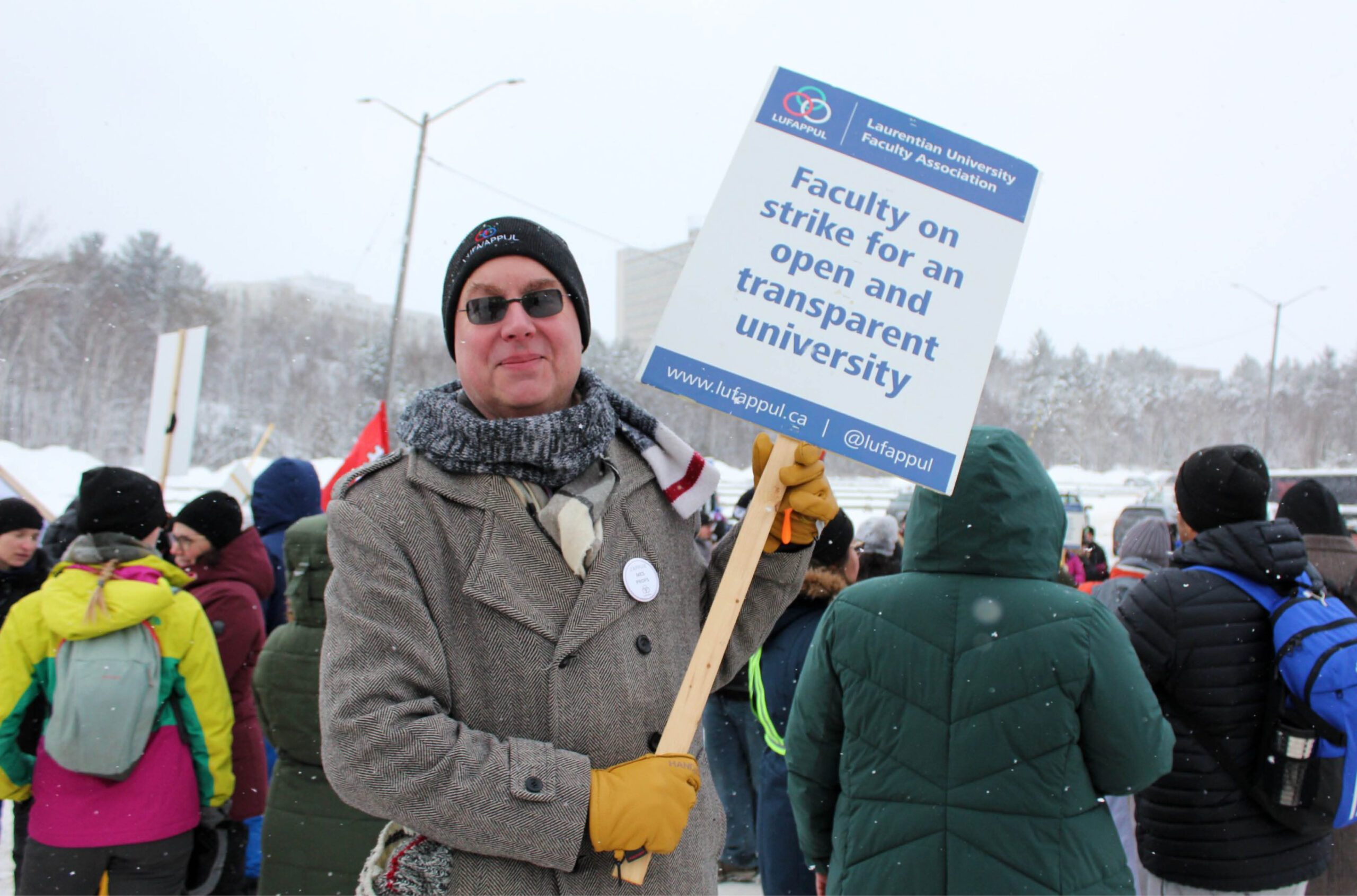
Faculty strike at Laurentian
Negotiations fail, picket lines rise at northern Ontario university.
-
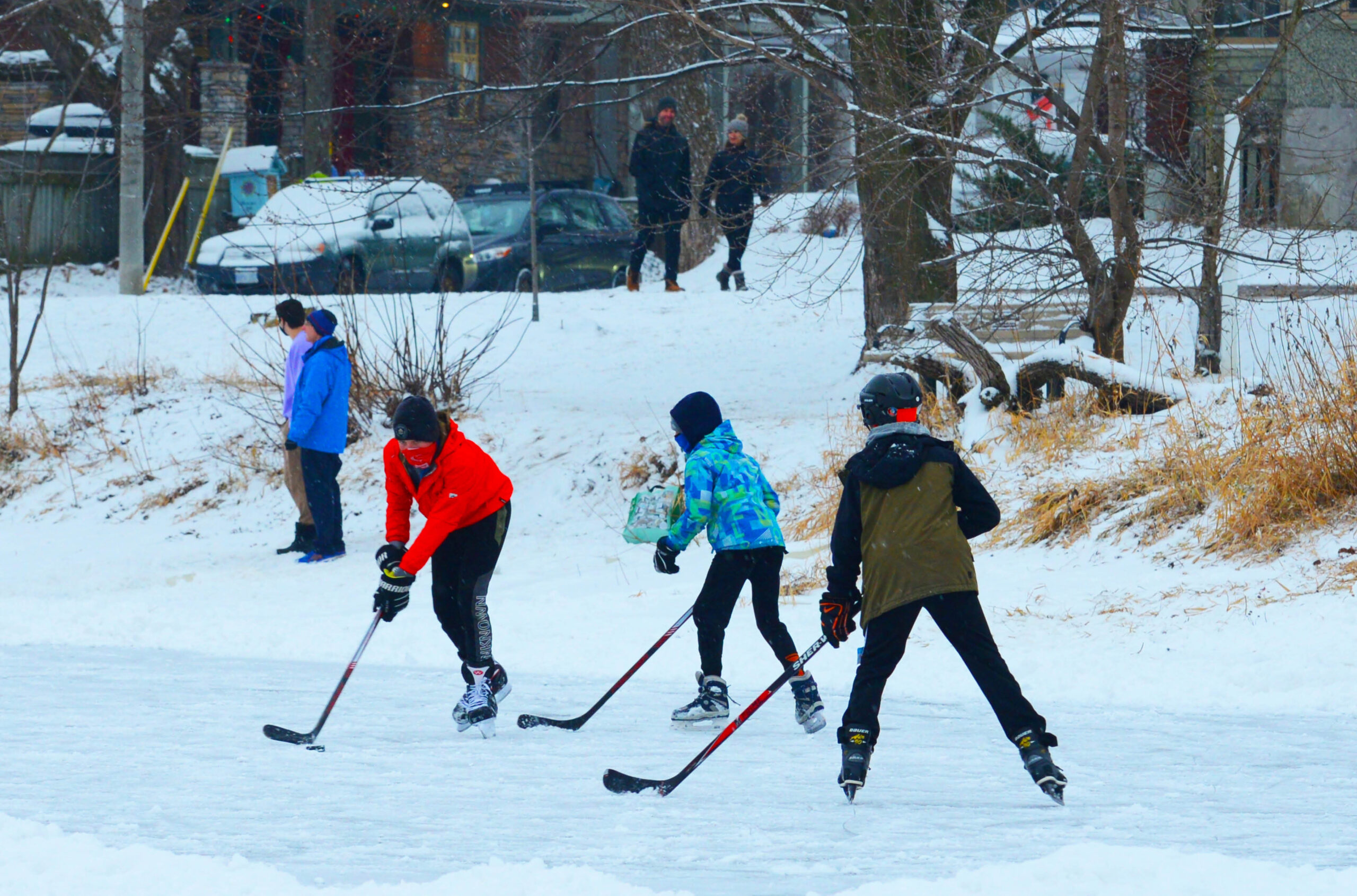
Probing the perils of white ice
Researchers at York University work to crack the code on shifting lake ice quality.
-
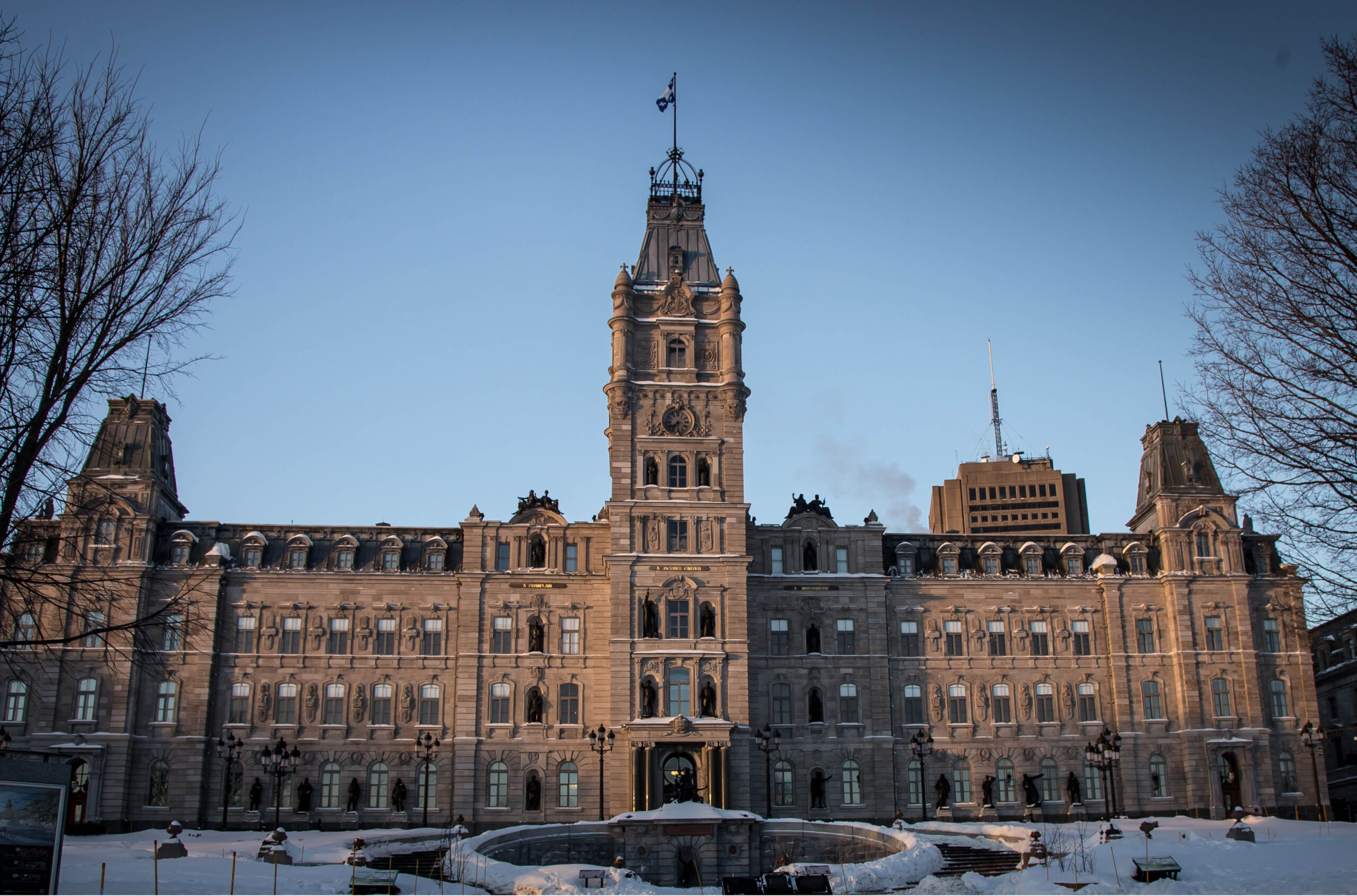
Quebec’s proposed Constitution sparks universities’ opposition
The bill before the province’s national assembly would restrict universities’ ability to challenge legislation, but its future is in doubt with the resignation of Premier François Legault.


Post a comment
University Affairs moderates all comments according to the following guidelines. If approved, comments generally appear within one business day. We may republish particularly insightful remarks in our print edition or elsewhere.