-
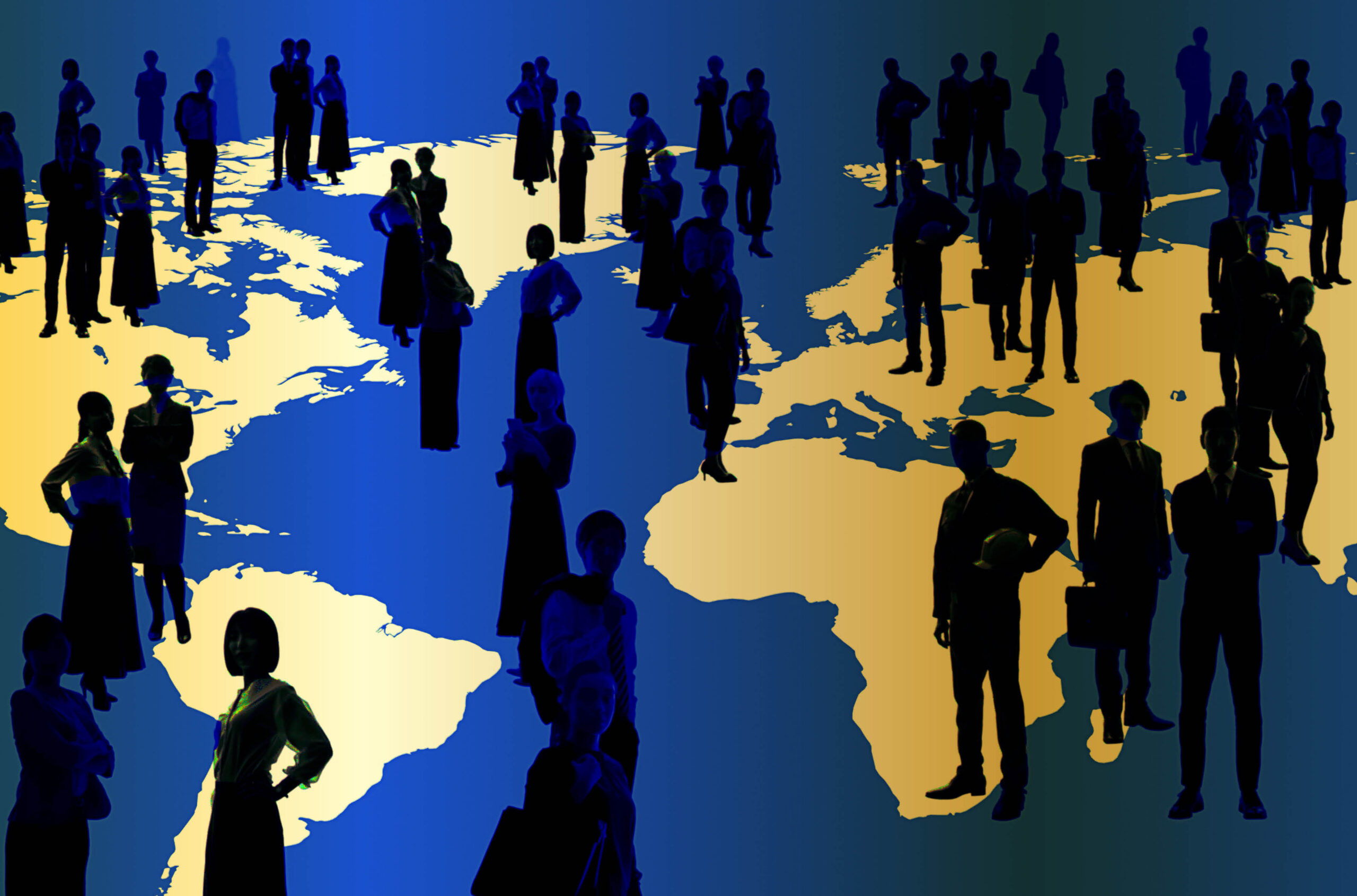
Quebec launches network of reseach chairs in science diplomacy
Acting in the roles of diplomats and advisors, scientists can help solve pressing world problems, argues Quebec Chief Scientist Rémi Quirion.
-

The Human Algorithm
As artificial intelligence reshapes the workplace, the most valuable skills aren't technical — they're fundamentally human.
-

The tyranny of the average
Driven by statistics, AI homogenizes humanity and devalues outliers.
-

Universities are beacons of knowledge lighting Canada’s path to a sustainable future
Steven Guilbeault reflects on Canada’s environmental pressures and the role higher education plays in shaping sustainable solutions.
Sponsored Content
-

From business journalism to entrepreneurial support
A Moroccan BCDI 2030 Scholar committed to empowering women entrepreneurs.
-

Interactive simulations transforming business education
Engaging students through immersive experiential learning while providing personalized support for instructors.
-

AI and the future of learning: Why you can’t miss this year’s Canadian EdTech AI summit
Empowering human-centered sustainable learning in an AI-inspired world.
-

Adopting AI is a social contract
Integrating artificial intelligence into our societies and personal lives binds us to certain futures and forecloses the possibility of others. Are we ready to accept the consequences?
-
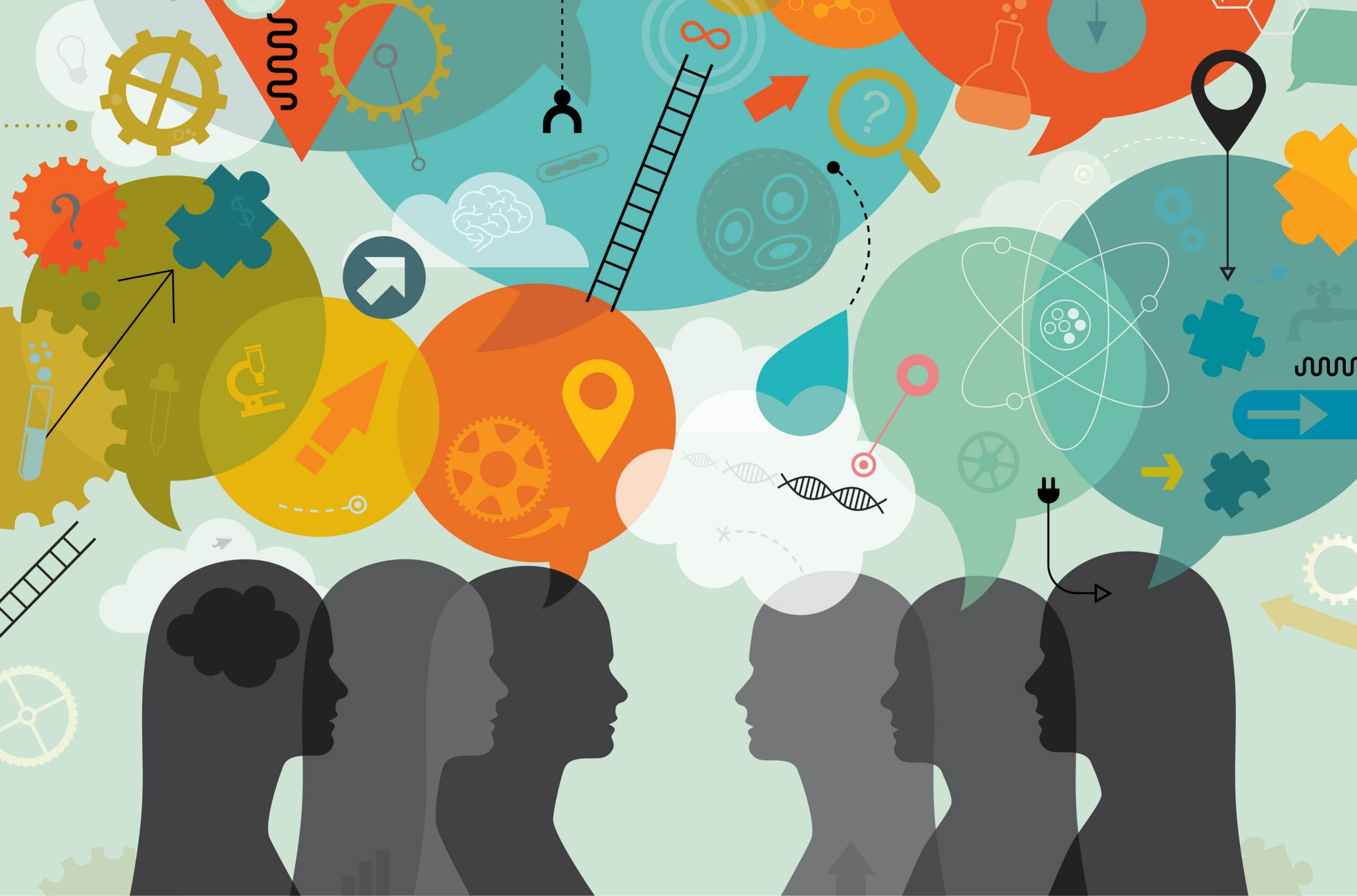
Research VPs empower discovery
An impressive list of women are leading research at universities across the country.
-
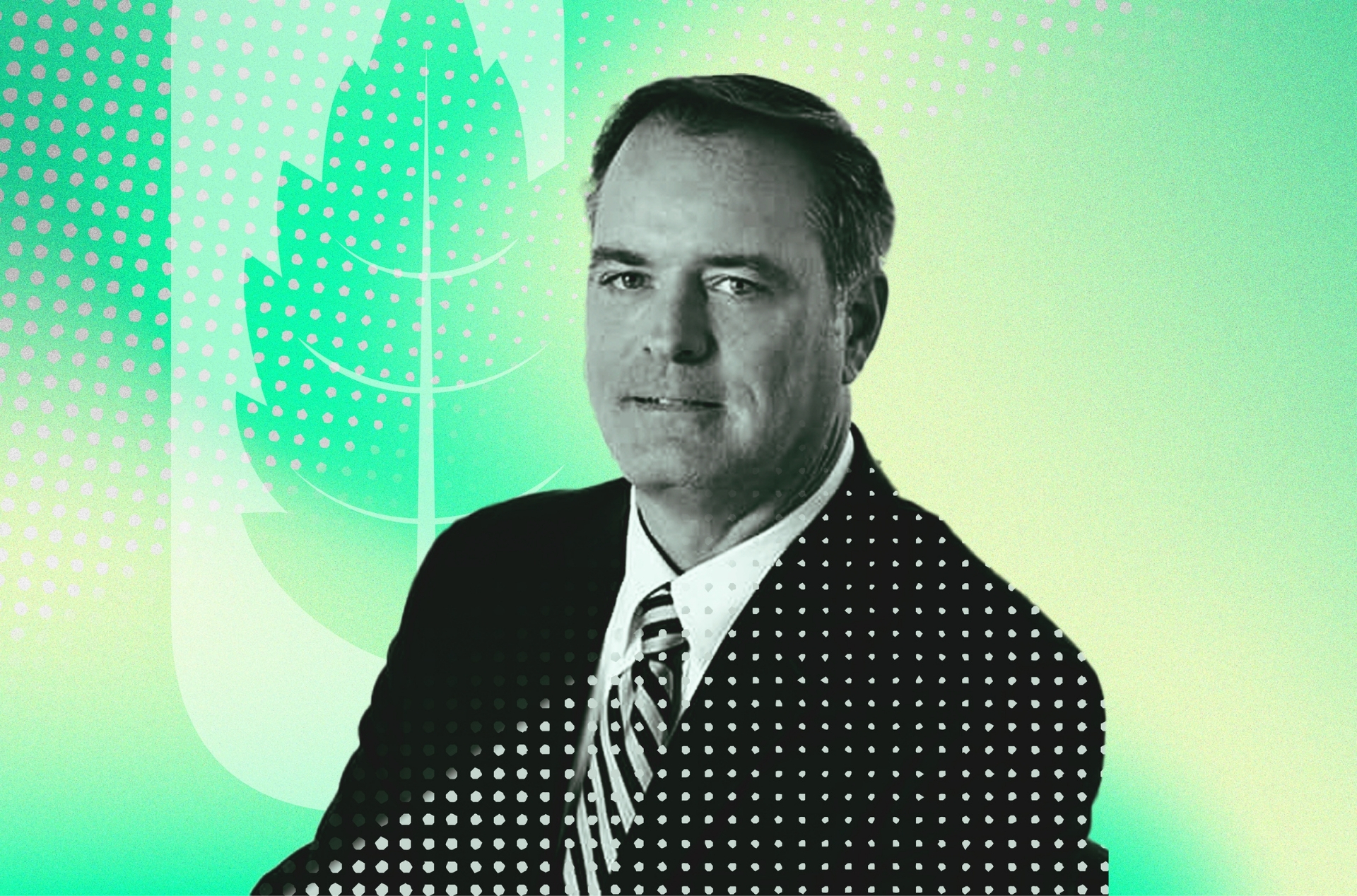
Universities have a critical role to play in the fight against “forever chemicals”
As PFAS contamination spreads, universities must champion interdisciplinary learning, ethical reform and community partnerships, says Robert Bilott, the attorney at the center of Dark Waters.
-

GenAI is in — so why are we still burnt out?
Will generative artificial intelligence end up diminishing, or increasing, researchers' workloads?
-

Rethinking the role of higher education in an AI-integrated world
Mark Daley, Chief Artificial Intelligence Officer at Western University, reflects on the role of universities in a world where intelligence is abundant.
-
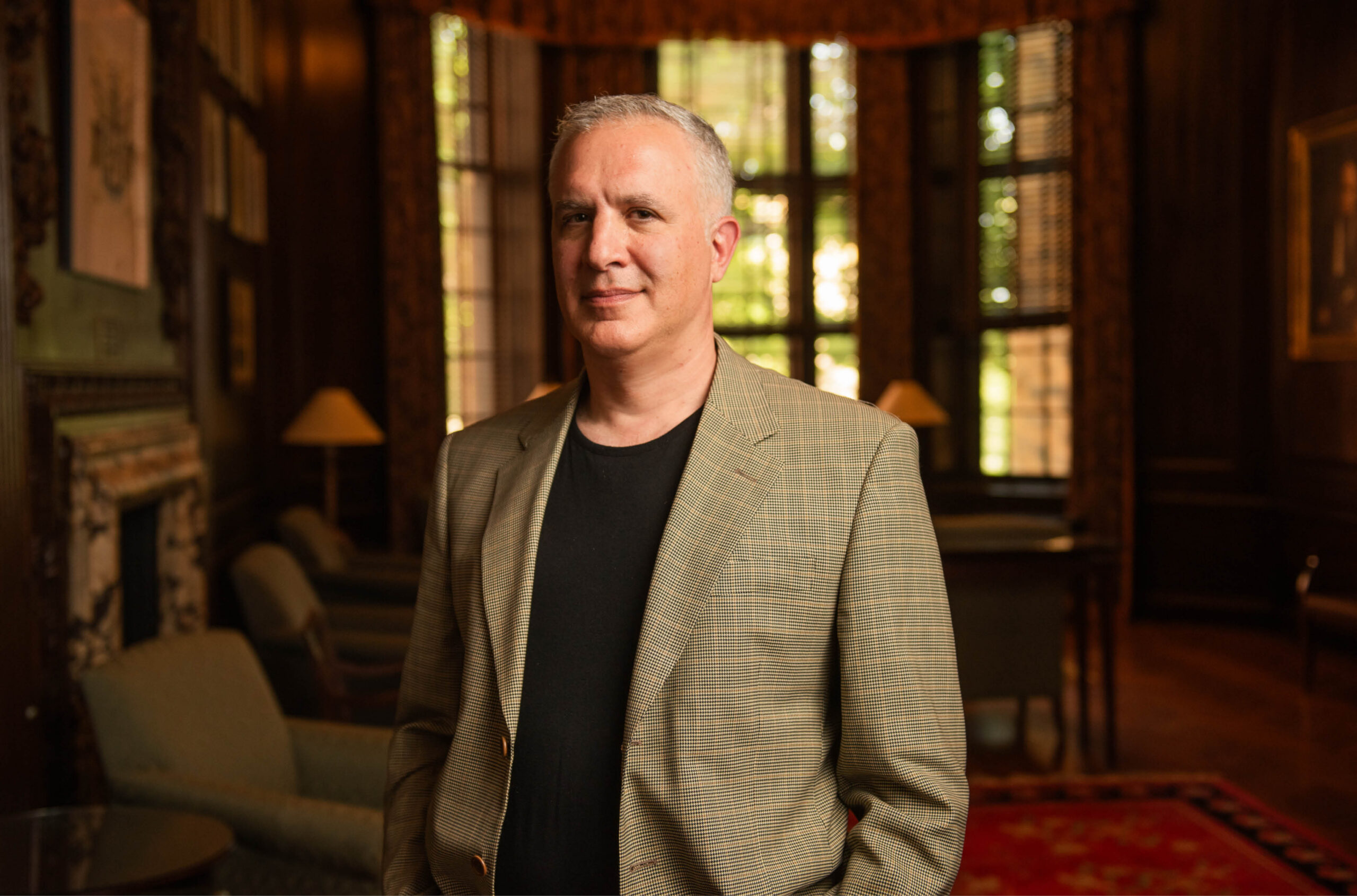
Recalibrating Canadian universities to meet the Mark (Carney)
How university leadership can better support Canadian innovation and economic growth.
-
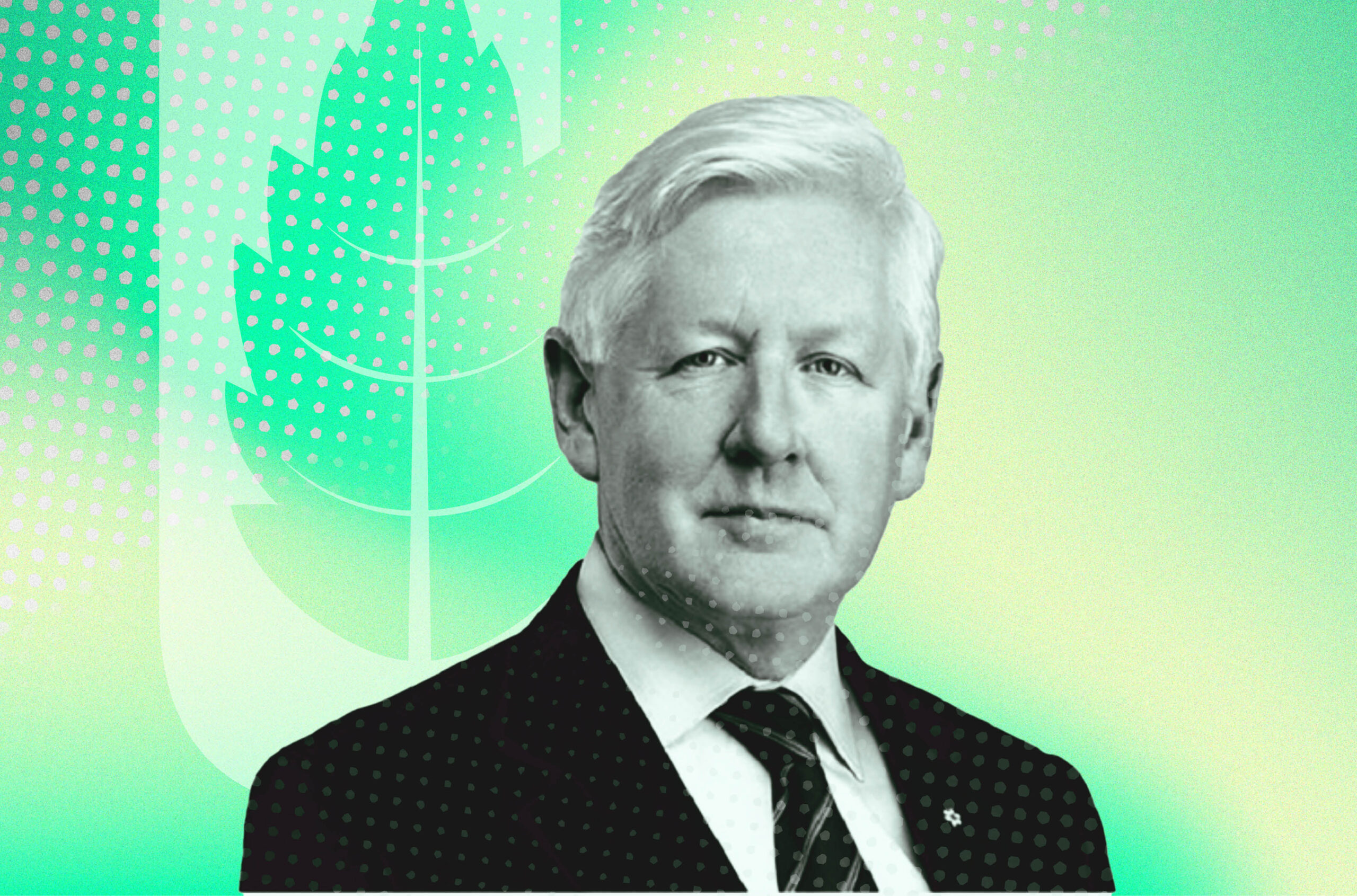
Bob Rae urges universities to remain climate-change leaders
In a volatile world, universities form bulwarks of scientific integrity and technological development, says former U.N. ambassador.
-
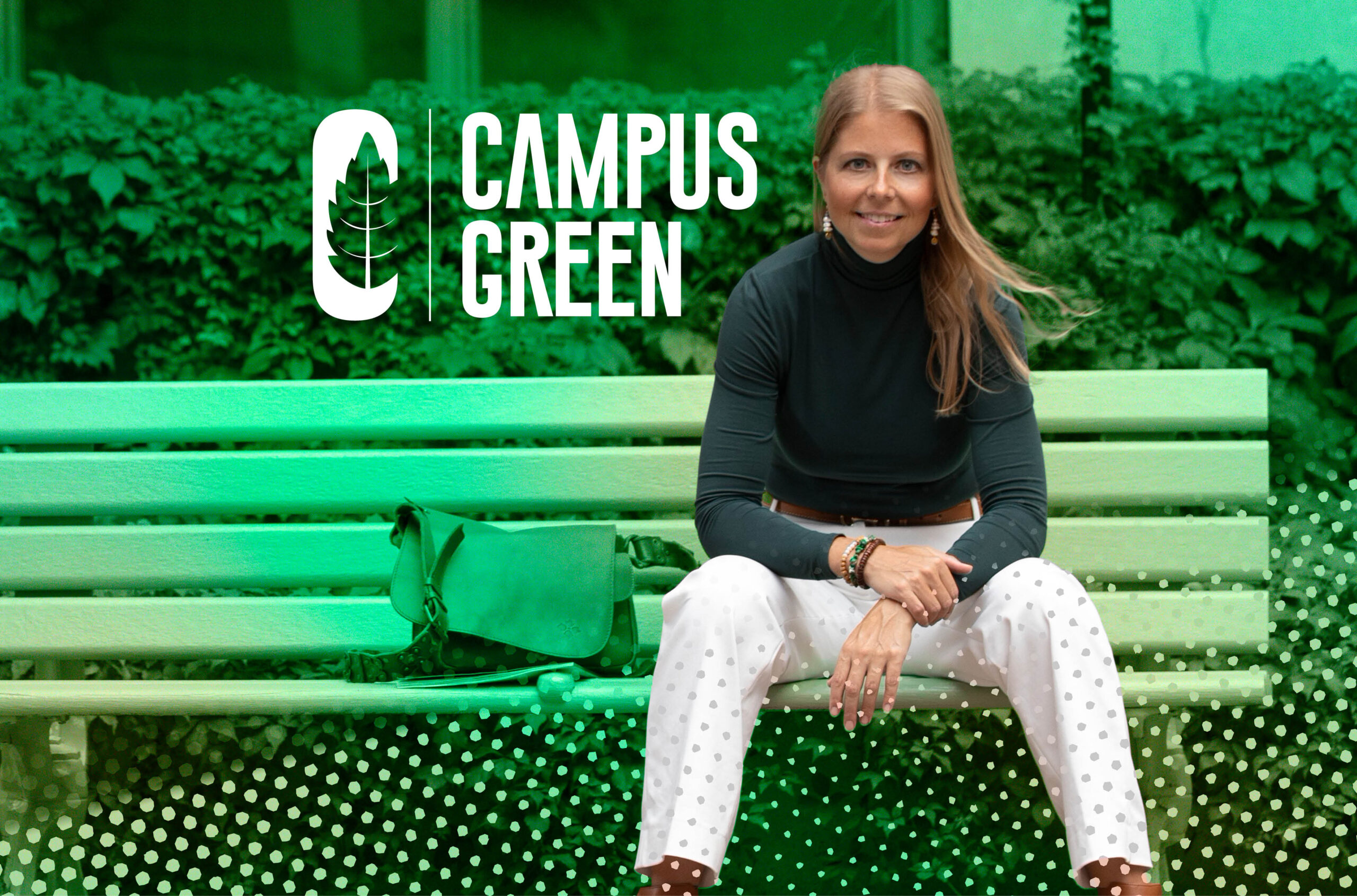
The Campus Green
University Affairs launches new sustainability column.
-
Defending the Academy
Current challenges offer opportunity to reassert our public purpose.
-

Diversity strengthens discovery
What Nobel Laureates reveal about diversity, discovery and societal impact.