
In early Fall 2023, staff and faculty at Mount Royal University gathered to mark the National Day for Truth and Reconciliation. Standing before a crowd on the campus field, Elder Roy Bear Chief shared the tale of Ani to pisi, taught to him by his late older brother Clement Bear Chief. The inspirational creation story revolves around a spiderweb, which interconnects all peoples. When vibrations occur — either good or bad — the web allows everyone to be alerted and send the most appropriate help.
Today, the web of higher education spanning the globe is vibrating as never before. This is an age of misinformation. Higher education is under attack from some political voices who pride themselves on performance at the expense of truth. This assault is amplified by extremist voices, and a proliferation of social media experts claiming truth while controlling debate, stifling peer review and contributing to populist misinformation sharing. Higher education institutions are founded on truth-seeking, not only as dogma, but as core to the democratic practice. Now, more than at any time in the past century, we need to defend truth.
Financially, the academy is also under stress from public funding contraction and legislated tuition constraints. The Canadian higher education system, once a global leader in funding and degree attainment, is now one increasingly marked by program cuts, staffing reductions and even campus closures.
In the face of these global and local pressures to higher education, defending the academy means reasserting our public purpose, centering truth, cultivating hope, and leading in ways that are humble, connective and courageous.
That was the focus of discussion at the 2025 annual conference of the the Canadian Society for the Study of Higher Education, held at George Brown College in June, as part of the Congress of the Federation of the Humanities and Social Sciences. During our panel presentation building on the work of the Global Network of Deans of Education, Lynn Gangone, former President and CEO of the American Association of Colleges for Teacher Education, provided a hopeful lens amid the global devaluation of the teaching profession. With an approach focused on hope, allyship and action, she urged the audience to “keep asking hard questions.”
We must remember the purpose of public education: It is where students learn to discern, critique, verify and reflect — skills that are urgently needed today. Faculty and higher education leaders have a role to play. We are public intellectuals, and we need to engage with the public, not retreat from it. This is an approach I hope the academy in Canada continues to carry forward as a guiding principle.
When deans from around the world met last year in Innsbruck, Austria, it was reinforced how these challenges are shared internationally. Funding cuts, attacks on education —primary, secondary and tertiary —disinformation campaigns, and the rollback of equity-focused work are prevalent around the globe. Global solidarity is essential to defend the academy. Many ideas resonated during these discussions, such asthe need for increased international declarations, partnerships, and collaborative research. Seeking opportunities for increased student and faculty exchanges, as well as cross-national learning communities,must also occur.
This conversation is also taking place within the Association of Canadian Deans of Education. Deans across the country are highly engaged in ways that seek to amplify Canada’s contributions on the global stage. They are looking for ways to share what is working here and learn from successes abroad.
Yet another path exists. My own experience working with Indigenous Elders provides an opportunity to bring traditional stories into the foreground that offer both structure and a way forward. At Mount Royal University, for instance, Elders Roy Bear Chief and Hayden Melting Tallow support the institution through classroom visits where they generously teach and share their knowledge, stories and experiences. They also regularly attend faculty leadership meetings, contributing to conversations about every aspect of the faculty they support.
Making room for multiple knowledge systems — especially Indigenous knowledge rooted in place, land and story — opens new opportunities for defending the academy. Applying and teaching Indigenous frameworks represent not only steps toward reconciliation but also a way forward for global education systems struggling with disconnection and dehumanization. Embracing Indigenous knowledge is both a form of justice and an academic imperative.
Finally, we need to center ourselves in hope — hope grounded in meaningful change through connection. This is the kind of leadership required to defend the academy today.
In her book, Hope Circuits: Rewiring Universities and Other Organizations for Human Flourishing, Jessica Riddell outlines how we can model abundance and generosity. We need to follow Dr. Riddell’s guidance on using moral imagination — the ability to envision better futures and structures, and to act toward them — even when the present feels fragile. As she reminds us, hope is not naïve optimism but a deliberate, relational practice that is cultivated in classrooms, in conversations, and in leadership decisions.
Leading with hope as strategy is essential if we are to rewire our institutions for justice, trust, and belonging. As leaders, we are called to expand our moral imagination, the capacity to envision more humane, hopeful, and just institutions, and to act boldly in that direction. That is the true work of defending higher education. We can do this by listening, and by meeting students, staff and community members with humility and kindness.
In my new role as President of Portage College in Northeastern Alberta, I have designed an intentional listening period, creating space to hear about challenges and successes, and inviting people to share their hope for the future. I am eager to learn about the wild dreams and collective ways we can defend the academy.
This brings me back to the story of Ani to pisi. We are all interconnected, bound by shared values as members of the global higher education community. If we choose to lead with listening, with moral imagination, and courageous hope, we can build a better, more truthful and more just academy. Together we can make a difference.




Featured Jobs
- Director of the McGill University Division of Orthopedic Surgery and Director of the Division of Orthopedic Surgery, McGill University Health Centre (MUHC) McGill University
- Soil Physics - Assistant ProfessorUniversity of Saskatchewan
- Human Rights - Assistant Professor (Expertise in Human Rights related to Artificial Intelligence and Digital Security)University of Winnipeg
- Human Rights - Assistant Professor (Expertise in Peace & Conflict Studies, Socioeconomic Rights and/or Indigenous Rights)University of Winnipeg
- Engineering - Assistant Professor, Teaching-Focused (Surface and Underground Mining)Queen's University
More from Opinion
-

Adopting AI is a social contract
Integrating artificial intelligence into our societies and personal lives binds us to certain futures and forecloses the possibility of others. Are we ready to accept the consequences?
-

Research VPs empower discovery
An impressive list of women are leading research at universities across the country.
-

GenAI is in — so why are we still burnt out?
Will generative artificial intelligence end up diminishing, or increasing, researchers' workloads?
-

Rethinking the role of higher education in an AI-integrated world
Mark Daley, Chief Artificial Intelligence Officer at Western University, reflects on the role of universities in a world where intelligence is abundant.
More from Academic freedom
-
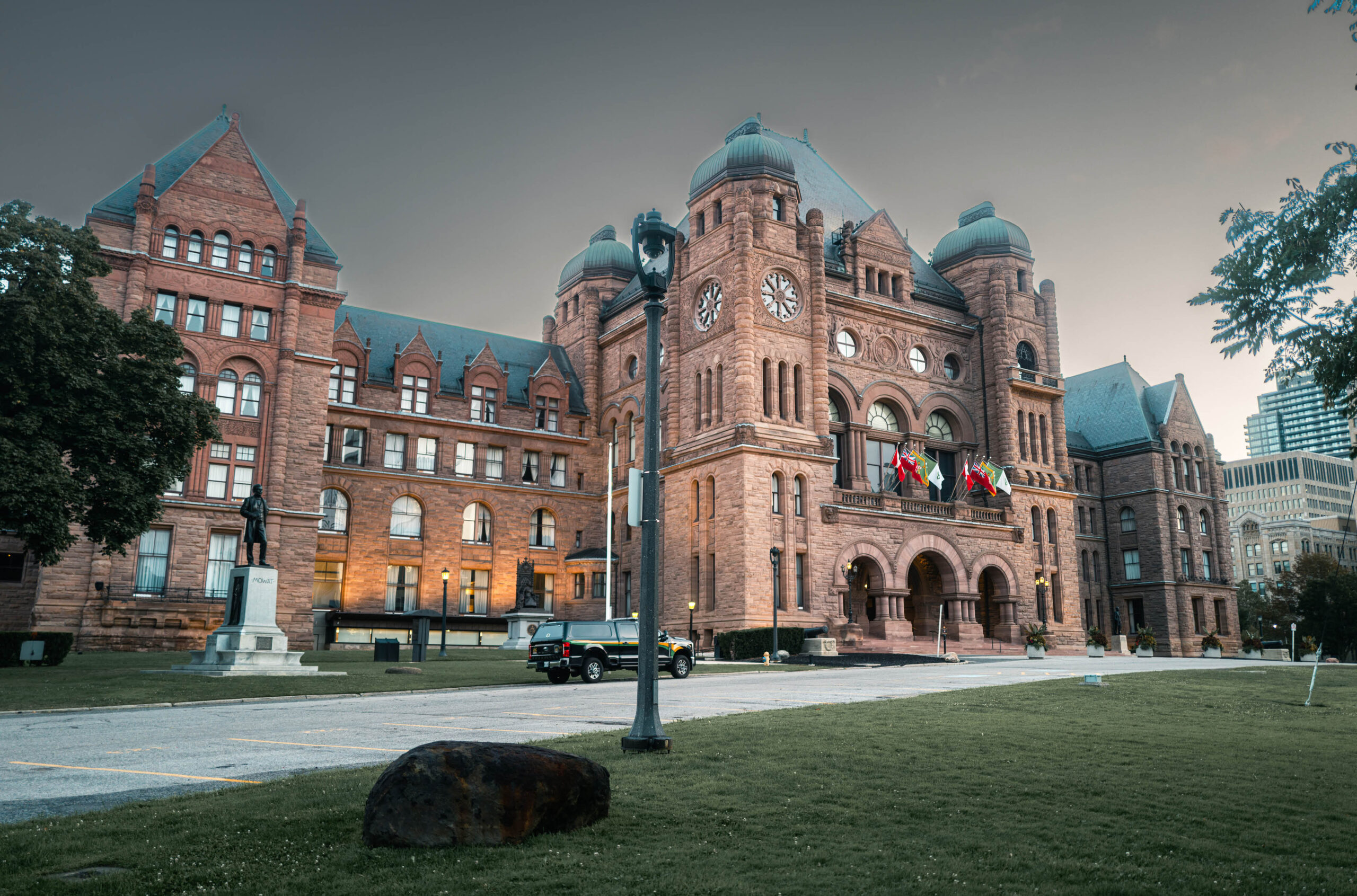
Critics mull challenge to Ontario’s Bill 33
Government regulation of student fees, admissions criteria, cause controversy around new provincial education law.
-

Universities without borders: Teaching medicine to women in Afghanistan
Despite the ban on female higher education, a unique online program is training 146 Afghan women to become doctors.
-
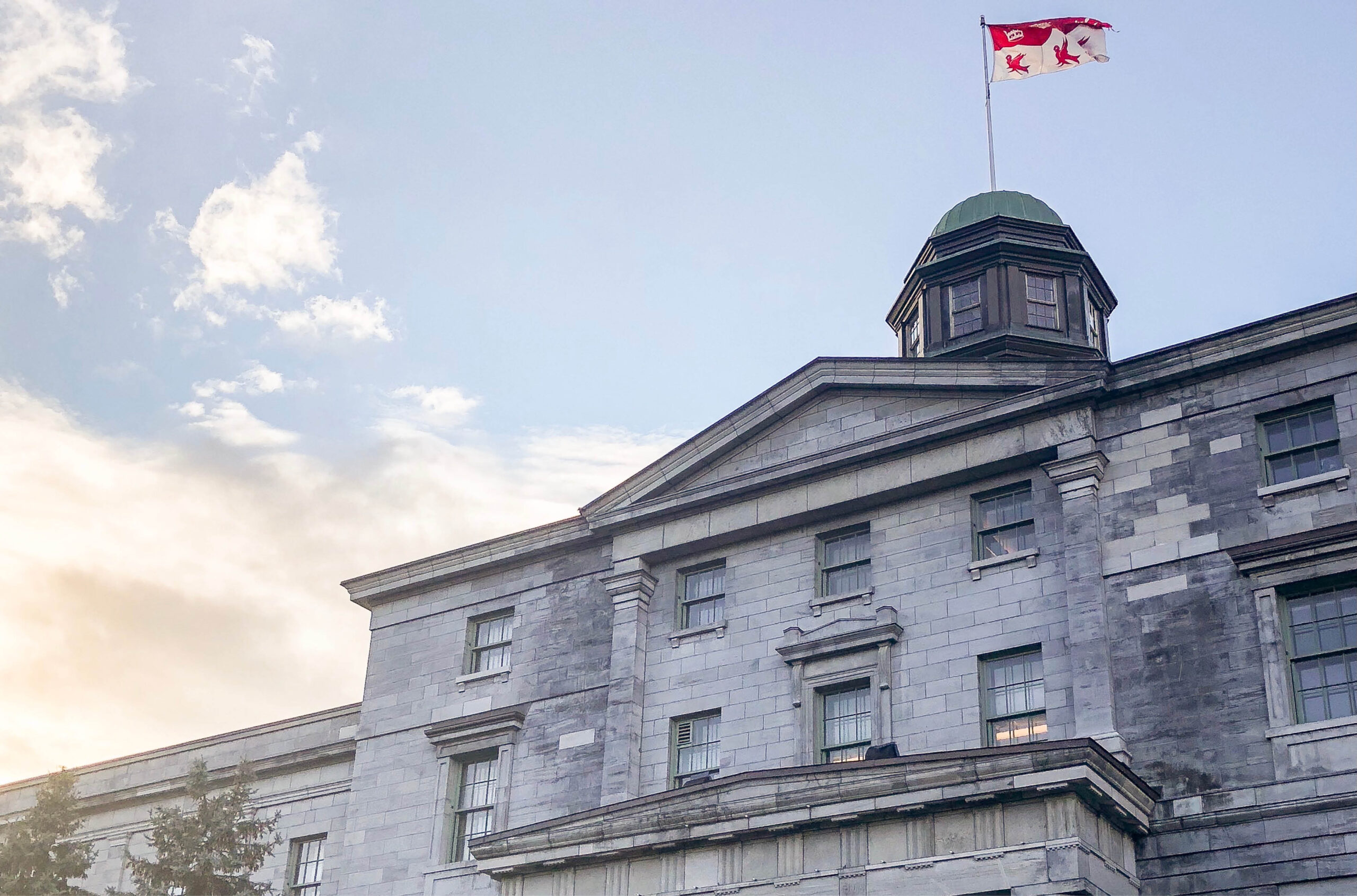
Faculty challenge of Quebec labour bill a rare constitutional move
McGill professors say academic freedom is at stake.
-
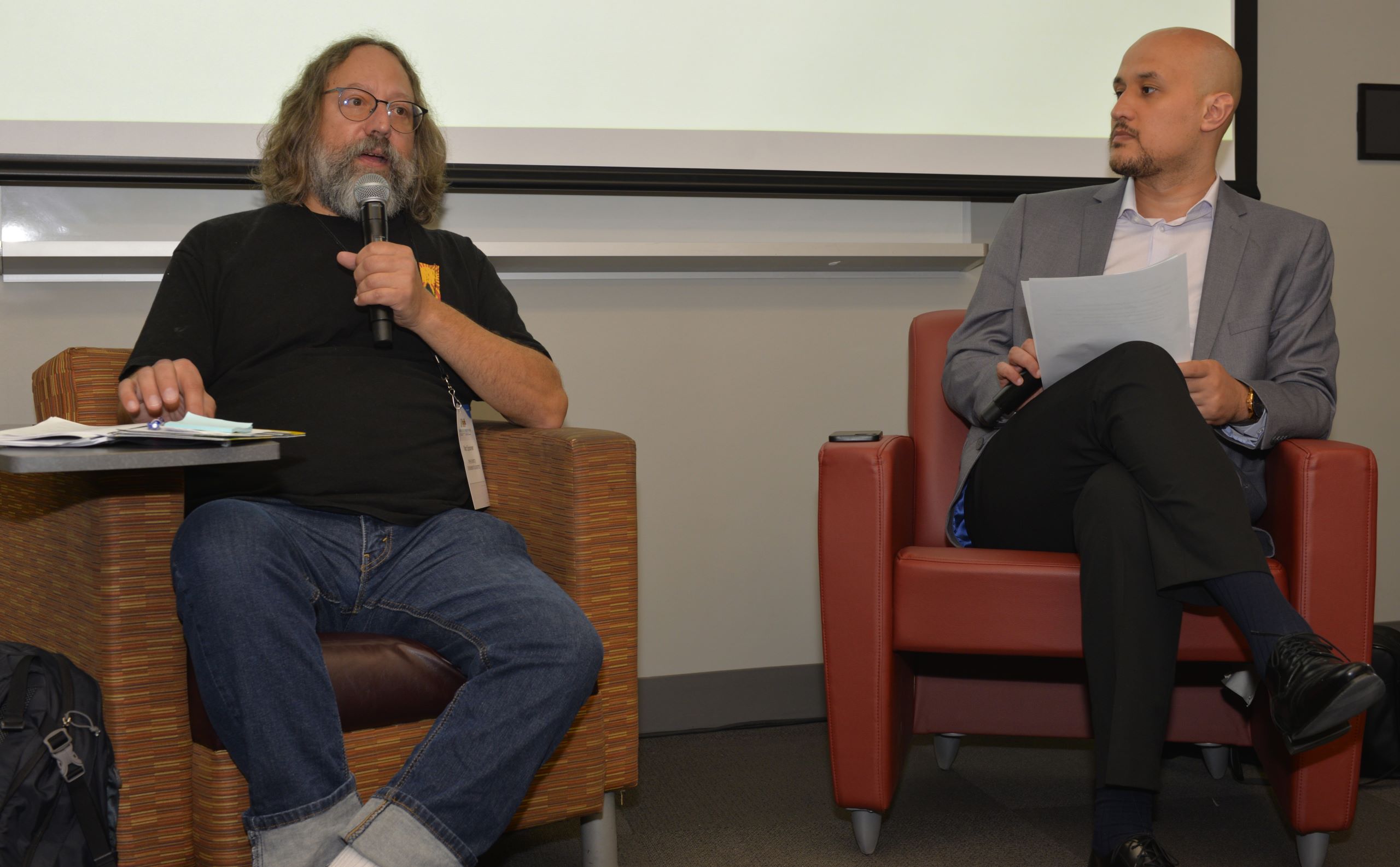
When democracy teeters, where do universities stand?
University of Regina Professor Marc Spooner analyzes the threats to academia’s public mission.
More from The View From Here
-

Reclaiming Internationalization
Keeping minds open as borders close.
-
Canadians need universities — and so will their next government
Higher education is the missing piece in Canada’s economic strategy.
-

Improving universities’ public standing
How universities can help make their case.
-

The growing estrangement between universities and society
The notion that the future of Canada lies in, or through, its universities is an increasingly hard sell.


Post a comment
University Affairs moderates all comments according to the following guidelines. If approved, comments generally appear within one business day. We may republish particularly insightful remarks in our print edition or elsewhere.
1 Comments
Thank you, President Price. As a former university administrator and now higher education strategy consultant, I resonate with your insights and recommendations. I agree that an Indigenous perspective is important, and I have incorporated it into my work over the past two years.