-

The pandemic’s remote learning environment shows promise for international students
Internationalization asks Canadian higher education to adjust systems and norms to better meet this new body of students arriving in our classrooms.
-

Is effective online learning bad for the environment?
Teaching may be more rewarding when students’ cameras are on, but it comes at a cost.
-
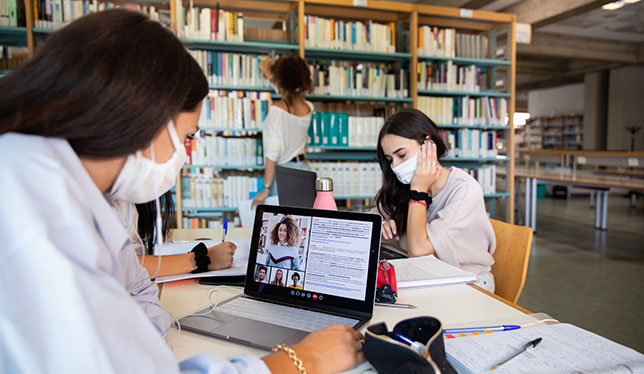
Canadian university libraries shine during pandemic
While most were able to seamlessly pivot to primarily online services, some also faced unique technological, licensing and human resource challenges.
-
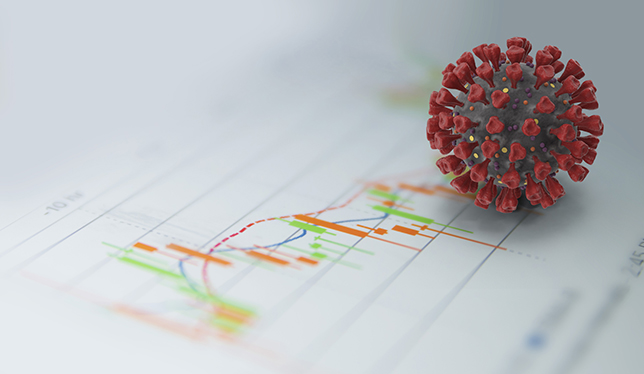
Emergency COVID-19 grants need careful follow-up
Building on the research that was done may help prepare for future pandemics.
-
A time for reflection
How do we make sense of what has happened, and how do we move forward towards a post-COVID world?
-

Taking stock: Canada’s research funders assess their response to COVID-19 so far
Money was disbursed quickly, researchers stepped up, but some adjustments had to be made along the way.
-
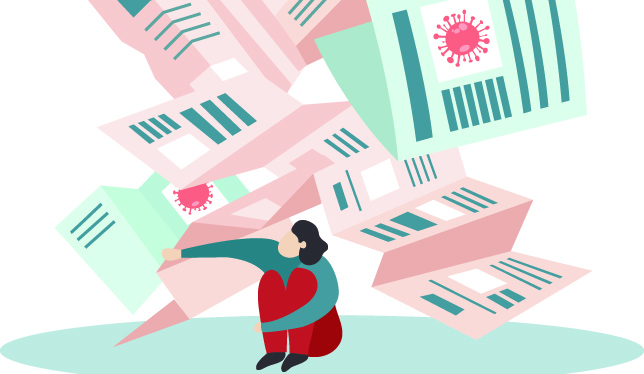
Caveat emptor: preprint servers in biomedical science
While the advantages of preprint servers are numerous, researchers need to be very clear about the fact that these findings have not been formally assessed by the scientific community.
-
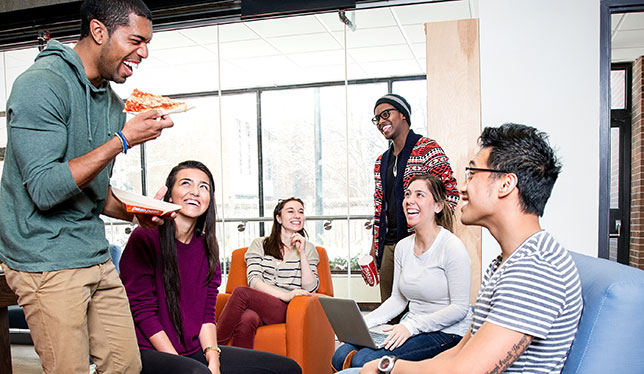
7 missing pieces: why students prefer in-person over online classes
A group of York University students got together to discuss what aspects of in-person classes they miss most while studying remotely.
-

Pivoting your graduate work during COVID-19
Four young scientists describe how they were able to adapt and ultimately thrive during the pandemic.
-
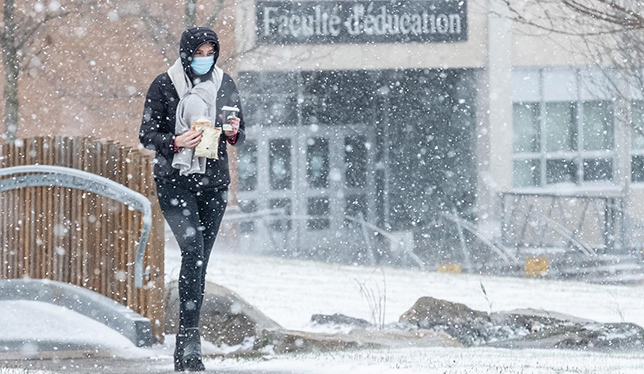
Some universities push back the start date for the winter term
The pandemic-related pause is meant to give students, staff and faculty extra time to prepare and rest up.
-

Networking during a pandemic: a quick guide for graduate students
Even in our new virtual world, you can still create meaningful connections to others in your field.
-
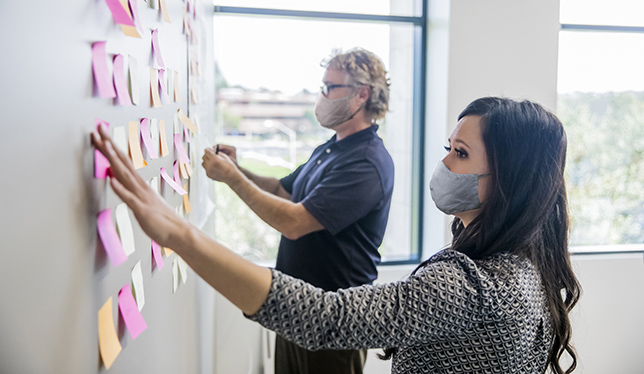
Health, design and planning: will COVID-19 lead to any changes in graduate education?
There is a critical gap between what is required to respond to the pandemic on the ground and what we’re being taught in grad school.
-

Becoming a university president in the midst of a pandemic
New university presidents face unique challenges resulting from the current crisis. Four recently installed presidents look back at the first few months of their terms.
-
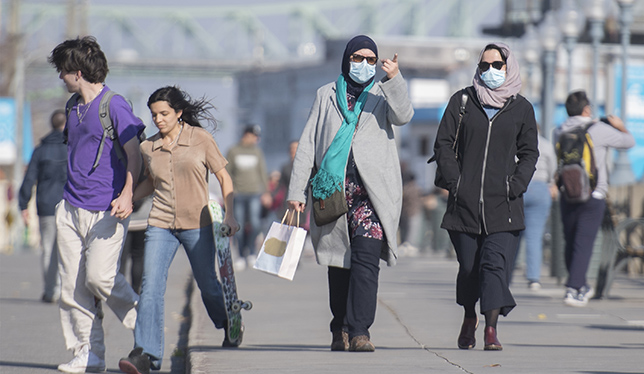
Researchers investigate how racialized groups are faring during the pandemic
For Canada to succeed in curbing COVID-19, all communities need to succeed, says Brock University president and co-investigator Gervan Fearon.