-

Science must become a pillar of Canadian foreign policy
With technological developments reshaping global governance, science cannot remain isolated from international relations.
-
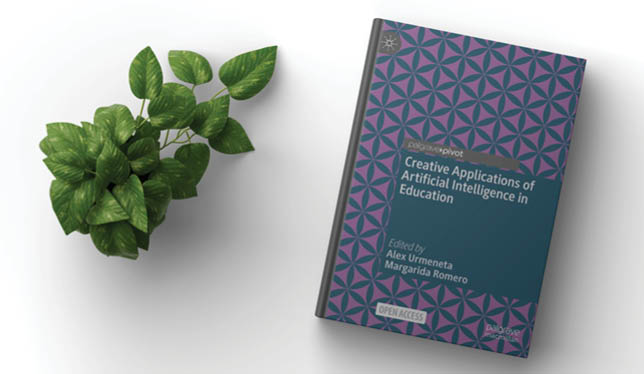
New AI-themed book focuses on the importance of preserving human agency
The authors advocate for a human-centred approach to the educational applications of AI.
-

Universities must lead in addressing the growing mental health crisis
Change requires a broad and inclusive approach to integrating wellbeing throughout campus life.
-

Prof pas prof, j’y vais: under AI’s spell
Shining a humorous light on some of the tasks that academics deal with on a regular basis.
Sponsored Content
-

MDPI Toronto Summit 2026: Bringing together leaders to shape the future of scholarly publishing
Highlights, key discussions, and insights from two days of collaboration, innovation, and open dialogue across leaders within the global research community.
-

Meet Kevin McCormick, Founding President of the Canadian Institute for Human Rights and Global Health
Bringing capacity to global engagement.
-

From business journalism to entrepreneurial support
A Moroccan BCDI 2030 Scholar committed to empowering women entrepreneurs.
-
The possible excesses of academic freedom, put into perspective
Academic freedom means academics can reflect on any topic, but can they fuel racist thinking?
-
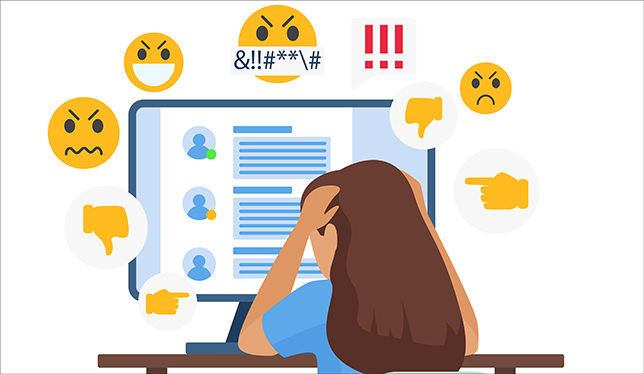
Postsecondary workplace harassment policies need to adapt to digital life
What happens when someone outside of the university community co-ordinates a mass email campaign demanding the firing of a faculty member? University policies need to cover this.
-

Recognizing the intersectional nature of oppression is key to making universities more equitable
Looking at how BIPOC faculty are paid and treated when they first enter academia, and truly listening to them, would be a good first step in changing white privilege.
-

Campus free speech: Does it extend to what students say online?
Weighing unrestricted expression against fostering a tolerant public sphere will test the fundamental freedoms we cherish in our democratic society.
-

What teaching issues we need to think about as we transition back to in-person learning
Getting students back to pre-COVID-19 standards will be a delicate act.
-

The limits of learning to debate
In teaching students debating skills, are we preparing them to build the world we want?
-

‘The great reset’: what universities should look like post-COVID
The pandemic has made the important work of reconciliation with Indigenous peoples, and of aggressively fighting resurgent racism at an institutional level, all the more urgent.
-

Why we must, and how we can, make the post-pandemic university a more intellectually productive learning commons
There’s no need to create a teaching schedule for the fall. Students have been telling us how to create a learning environment that makes sense. We should listen to them.
-

How governments are redirecting public funds to private interests by pushing PSE to align more closely with labour market demands
Universities should be places for people to discover their own ways of contributing to their communities, not vocational assembly lines.
-

How universities can help mitigate the pandemic’s effects on our future STEM workforce
Offer free tutoring in math and science to high school students to help level the playing field, suggests engineering dean.