-

Why should academic freedom protect ineffective teaching?
The status quo is in desperate need of change.
-

Universities should empower artificial intelligence, not denigrate it
Institutions have been distracted from the vast potential of AI and are overreacting to the perceived threats.
-
Inclusion is not a passing trend
Senior administrators and university boards need to do a better job setting up Black leaders for success.
-

The growing estrangement between universities and society
The notion that the future of Canada lies in, or through, its universities is an increasingly hard sell.
Sponsored Content
-

MDPI Toronto Summit 2026: Bringing together leaders to shape the future of scholarly publishing
Highlights, key discussions, and insights from two days of collaboration, innovation, and open dialogue across leaders within the global research community.
-

Meet Kevin McCormick, Founding President of the Canadian Institute for Human Rights and Global Health
Bringing capacity to global engagement.
-

From business journalism to entrepreneurial support
A Moroccan BCDI 2030 Scholar committed to empowering women entrepreneurs.
-

COVID-19: Scientists have lost their passive social check-in
The scientific community often relies on impromptu interactions to spur where the next set of experiments might go.
-

Let’s get more students to the decision-making tables in higher education
Students are the system’s principal stakeholders and we need to hear from them, especially as we contemplate the impacts of COVID-19.
-

Should sports coaches have academic freedom?
A recent case that has rocked the Canadian varsity running world raises questions about which university personnel should have academic freedom.
-

Women are getting less research done than men during this coronavirus pandemic
Mothers are feeling the burn of having to both work and take on most parenting duties.
-
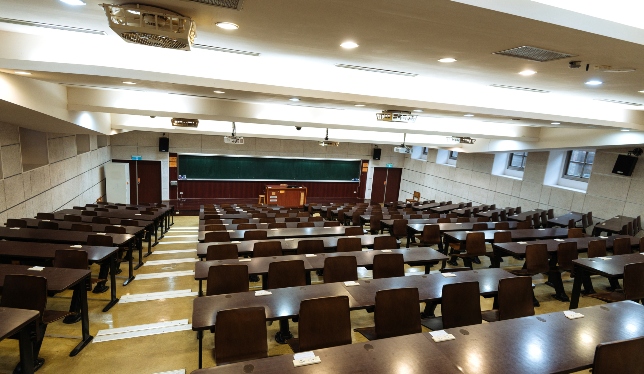
Schrodinger’s semester: let’s clear the uncertainty for fall 2020
We must plan for online delivery throughout the upcoming academic year. Any other announcement is just wishful thinking.
-

Online enrolments after COVID-19: some predictions for Canada
The growth in both fully online and blended/hybrid learning is bound to accelerate – and both institutions and instructors had better prepare.
-

Why don’t Canadian universities hire more racialized and Indigenous senior administrators?
It’s not for a lack of qualified individuals. We simply have to decide that it’s important enough that we actually do it.
-

Incentive structures are needed to ensure scientific progress
We must identify and resolve the gaps in our current scientific training, and revisit and refine the incentive structures we’ve created around our scientists.
-
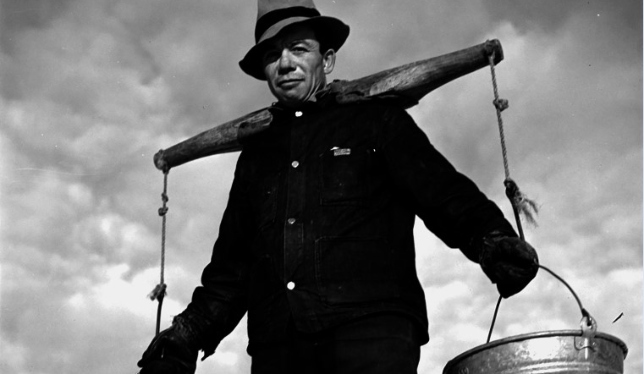
We need a wider, more nuanced view of Métis diversity
A group of scholars offer a rebuttal to a recent article exploring the notions of “self-Indigenization” and “race-shifting.”
-

What is fair dealing in copyright? Here’s why it matters when moving classes online due to coronavirus
Educational institutions have long been concerned about the risk of being sued for copyright infringement, and a mass movement online introduces new issues.