-

Quebec launches network of reseach chairs in science diplomacy
Acting in the roles of diplomats and advisors, scientists can help solve pressing world problems, argues Quebec Chief Scientist Rémi Quirion.
-

Navigating medical leave in academia
How one professor learned to prioritize her health over her academic career.
-

Changing academic culture with a narrative CV
Replacing the traditional ‘listing everything’ approach is long overdue.
-

Forward-looking climate action must be grounded in the latest science
Climate action researchers need to leverage the unique context of our country, while embracing localized strategies informed by rigorous research.
Sponsored Content
-
MDPI Toronto Summit 2026: Bringing together leaders to shape the future of scholarly publishing
Highlights, key discussions, and insights from two days of collaboration, innovation, and open dialogue across leaders within the global research community.
-
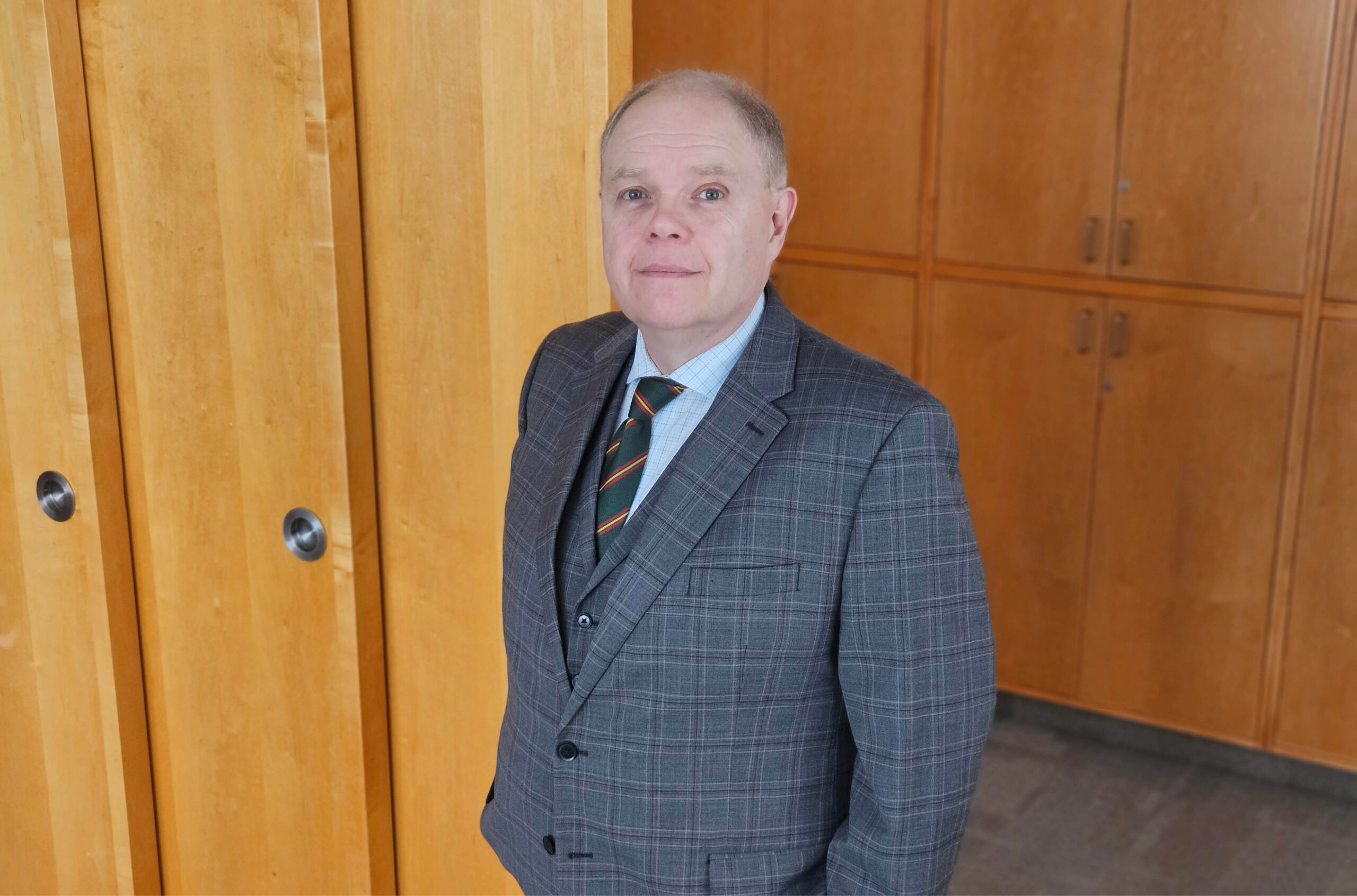
Meet Kevin McCormick, Founding President of the Canadian Institute for Human Rights and Global Health
Bringing capacity to global engagement.
-

From business journalism to entrepreneurial support
A Moroccan BCDI 2030 Scholar committed to empowering women entrepreneurs.
-

Funding basic science research is crucial to our coronavirus pandemic responses
Research on coronaviruses and their enzymes informs responses to the pandemic.
-

Not all online learners are lonely (and we can’t give up on those who are)
Rather than dismissing the loneliness of online learning as inevitable, we need to work collectively across academia to continually improve student experiences for everyone.
-

Academic freedom in the time of coronavirus
As universities respond to COVID-19, they must be guided by their core values of social responsibility, accountability and equitable access – all of which support suspending on-campus teaching and learning.
-

Coronavirus and cancelled travel – some fringe benefits for researchers?
We have an incredible opportunity to explore some new virtual conferencing solutions, and have team leaders be more present in their labs than usual.
-

Why do East-Asian international students often stay silent in class?
These students are using what I call a “silent strategy” to build reputation, but this can backfire, leading to negative interpretations.
-

Problems with postdoc employment status, part 1: internally funded postdocs
If you’re a postdoctoral fellow funded by the institution where you work, you’re an employee, full stop.
-
Where are all the international students universities were promised when Trump was elected?
Despite a widespread media narrative claiming students would be flocking to Canada, universities did not see a “Trump bump.”
-

We need to talk about racism
It takes effort, but as you learn to become more comfortable having these difficult discussions, you become part of the solution.
-

The importance of educating scientists
Academic mentorship is a very important part of the education and training of scientists, but it comes with its own set of unique challenges.
-

The tragedy of Flight 752
The tremendous talent that perished on that ill-fated airplane is difficult to imagine.