Probing the perils of white ice
Researchers at York University work to crack the code on shifting lake ice quality.
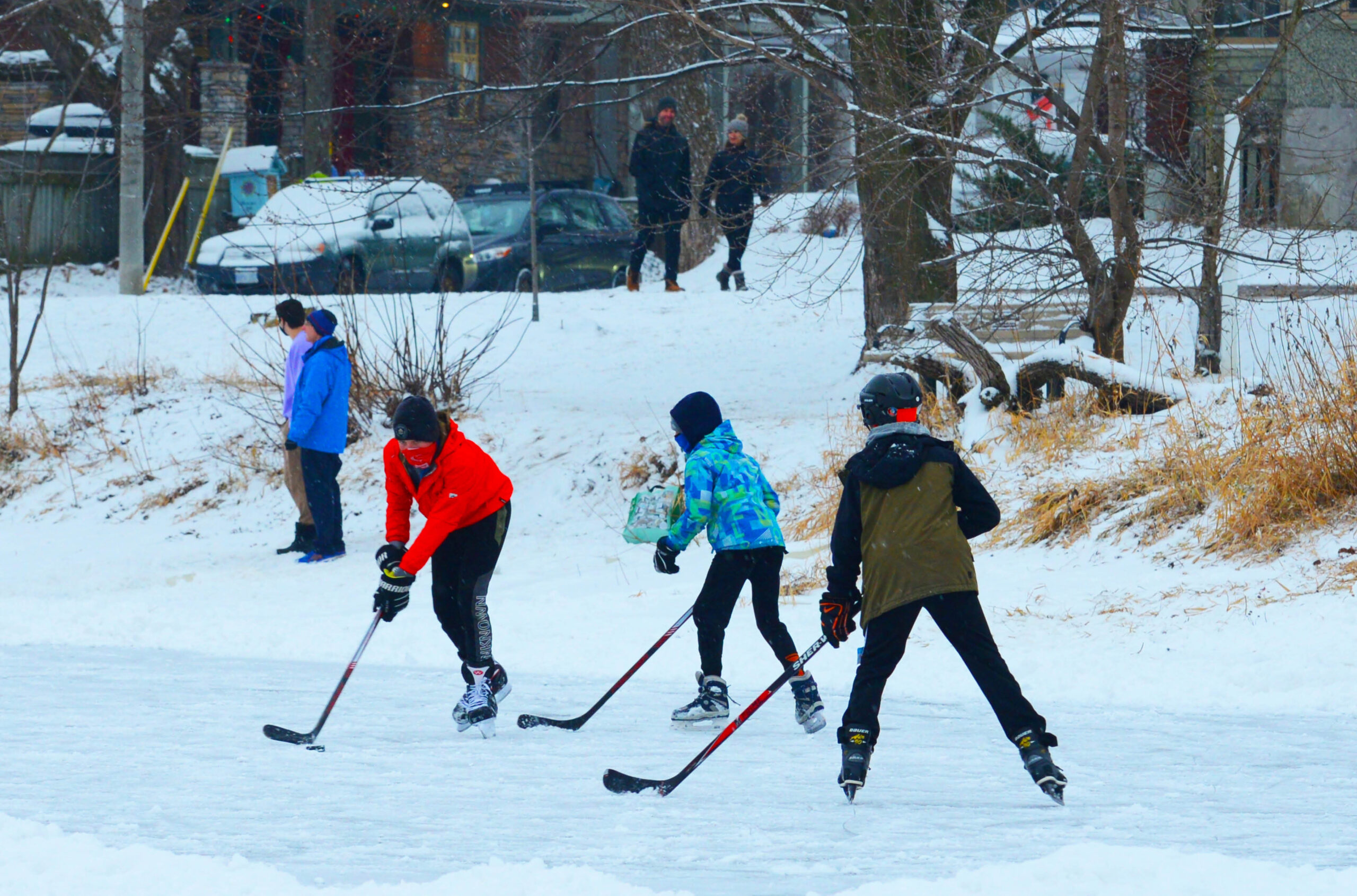
Shifting ice conditions brought on by climate change could be a silent culprit in winter drownings, says Dr. Sapna Sharma, a biology professor at York University.
Dr. Sharma and the researchers in her lake ecology lab are tackling the topic of changing ice quality from various angles: they published a comprehensive review on the topic in the journal Nature last fall, and have conducted research on ice quality at two lakes in the Muskoka, Ont., region over the past couple of winters.
“When I think about ice quality, I think about safety, because it really matters,” Dr. Sharma says. Despite its crucial importance, studying ice quality is still relatively new, for both practical and philosophical reasons. Ice thickness has been the standard measurement to record, while determining ice quality means spending more time out on the ice, measuring thickness of snow, and the ratio of white to black ice. In a world of increasingly unpredictable conditions, that can be challenging.
Despite the trend of warmer, wetter winters in Canada, most lakes still freeze over for at least a portion of the season. The problem, as described in the Nature article, is the type of ice that forms in these conditions. A lake surface will see both white and black ice form over the course of winter; white ice is porous, with pockets of air that reflect light, and black ice is more dense and sturdy, forming the safe, bedrock layer that makes ice suitable for winter activities. Warmer winters with more freeze-thaw cycles usually mean more white ice — so even when the surface is frozen over, the foundation is shaky.
This is why, Dr. Sharma explains, drownings from falling through ice are an increasing risk, even through cold winters. She points to researchers in Sweden who recorded 10 drownings (an unusual high) in 2020, over a winter that had nearly 100 per cent white ice coverage.
Joshua Culpepper is a postdoctoral researcher in Dr. Sharma’s lab. He led the Muskoka research, comparing two lakes in the region over two winters that happened to offer an ideal contrast: one cold with lots of snow and a solid freezing period, and the other warmer with several freeze-thaw events.
It’s an area where all-season recreation thrives. “You constantly see snowmobile tracks on both of the lakes,” says Mr. Culpepper. “Just how much weight can the ice take, that’s one of our questions.” Another central question is how the changing ice quality will impact the lake ecosystem. Mr. Culpepper says in the field, winter has typically been thought of as a quiet period, where not much is happening beneath the surface. Ice quality research like theirs can help challenge that notion.
“We’re interested in what’s happening underneath the ice for things like algae that need light to photosynthesize. When you have more white ice, less light is getting through and if you have snow, that reflects almost allthe light that hits it, so very little light is making it through into the water,” Mr. Culpepper says. “If you have less photosynthesis, then that can affect the ecosystem all the way up from the little bugs and invertebrates that eat the algae, to the fish that eat the bugs and the algae.”
Lake Simcoe, one of the test areas, is popular for ice fishing. “Often when we’re taking our samples, a lot of ice fishermen come up and they’re interested in what’s going on… they’ll ask things like, ‘Can I go out? Is it safe? What are the temperatures? Where should I be fishing at what depths?’ That is impacted whether or not they’re thinking about it directly being impacted by the overall ecosystem behaviour.”
Impacts on fish health and recreation are some real ways ice quality directly impacts humans, and the ripple effects are far-reaching. Communities all over the world, especially in Canada’s North, depend on winter ice roads to deliver crucial supplies. Using current data, Dr. Sharma estimates that with lake ice quality continuing to diminish or become less reliable, it could mean up to 90 per cent loss in ice roads in the coming years across Northern Canada and the territories.
Thick ice can be engineered if an ice road is especially critical to a certain community, but Dr. Sharma notes that it can be quite expensive. She is now working on a project that pairs researchers in this field with Indigenous peoples and communities across both Canada’s Arctic and Scandinavia that are impacted by ice quality changes. The teams are looking into how fewer ice roads will impact access to traditional and cultural goods and activities, and the subsequent stressors on physical and mental wellbeing.
While these communities may be small and remote, the ongoing research from Dr. Sharma’s lab makes it clear that changing lake ice quality has a domino effect. “We’re all connected through this loss of ice,” she says.





Featured Jobs
- Canada Impact+ Research ChairInstitut national de la recherche scientifique (INRS)
- Human Rights - Assistant Professor (Expertise in Peace & Conflict Studies, Socioeconomic Rights and/or Indigenous Rights)University of Winnipeg
- Engineering - Assistant Professor, Teaching-Focused (Surface and Underground Mining)Queen's University
- Human Rights - Assistant Professor (Expertise in Human Rights related to Artificial Intelligence and Digital Security)University of Winnipeg
- Director of the McGill University Division of Orthopedic Surgery and Director of the Division of Orthopedic Surgery, McGill University Health Centre (MUHC) McGill University
More from News
-

Modest operating increase for Alberta universities in $9.4 billion-deficit budget
Province invests an additional $148 million to add 4,000 new seats to high-demand programs.
-

University funding remains unclear after Nova Scotia budget
Government announces a 2% increase, but bilateral agreements mean the devil is in the details.
-

Student Olympians bring home medals and memories
Speed skaters dominate the medal count as the 2026 Winter Games wrap up.
-

World events put academics and journalists under pressure
At a time when news is always breaking and disinformation is on the rise, a conference explores the precarious relationship between academia and the media.
More from Research
-

How to craft a strategic research statement
Identifying themes in your work history can help you move from a laundry-list to a compelling story.
-

AI bots push beauty stereotypes
U of T study finds image generators perpetuate idealized body types, facial features.
-

Canada is lagging in open access
Why is the free distribution of scientific literature such a contentious issue?
-
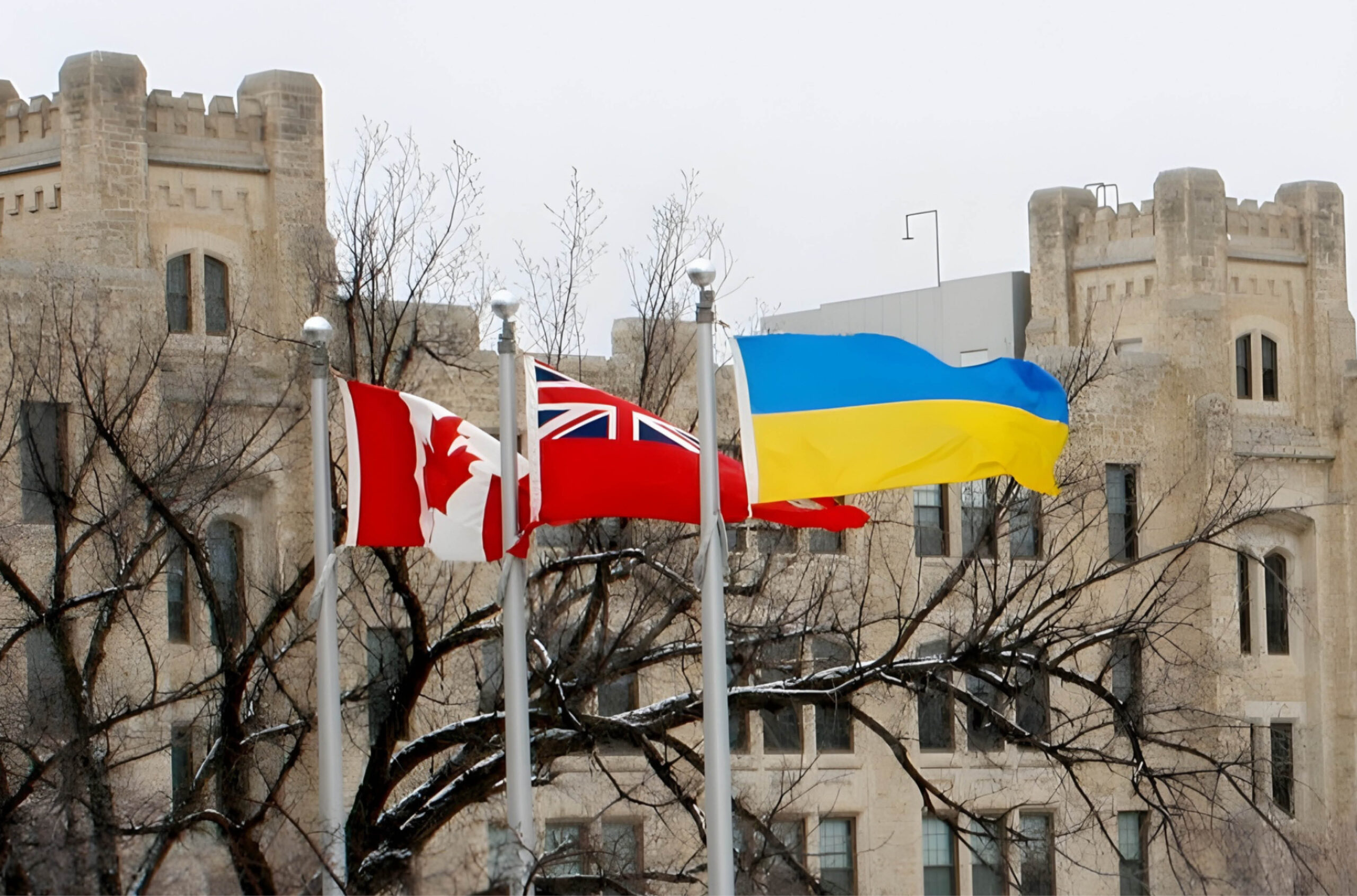
Ukrainian scholars fight Russian disinformation
University of Manitoba joins global Ukrainian Studies coalition.
More from Articles
-
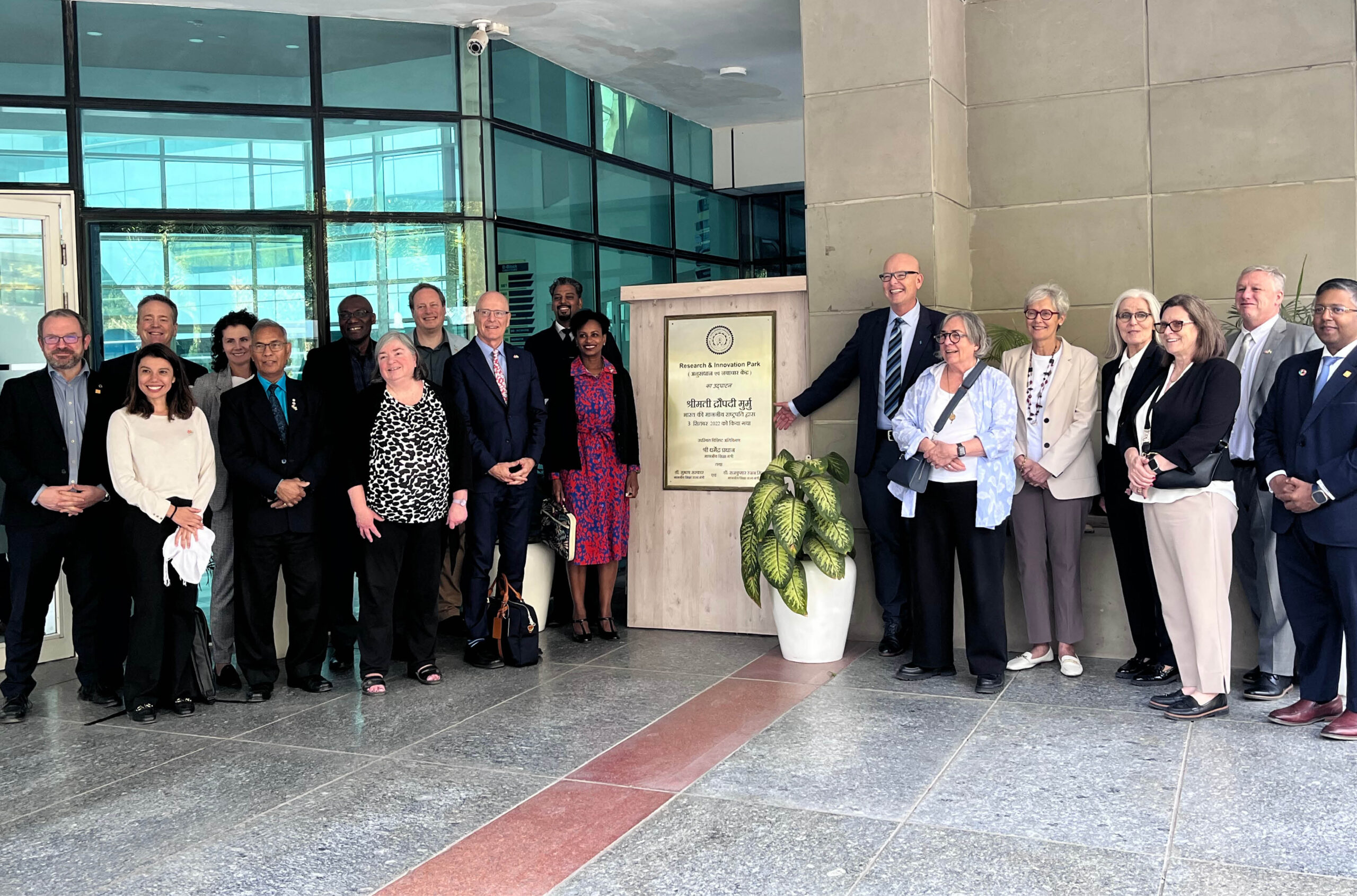
Universities setting sights on India for transnational education opportunities
A number of Canadian universities signed MOUs with Indian post-secondary institutions.
-

B.C. budget announces little help for universities
Post-secondary sector receives small funding increase amid widespread public sector cuts.
-
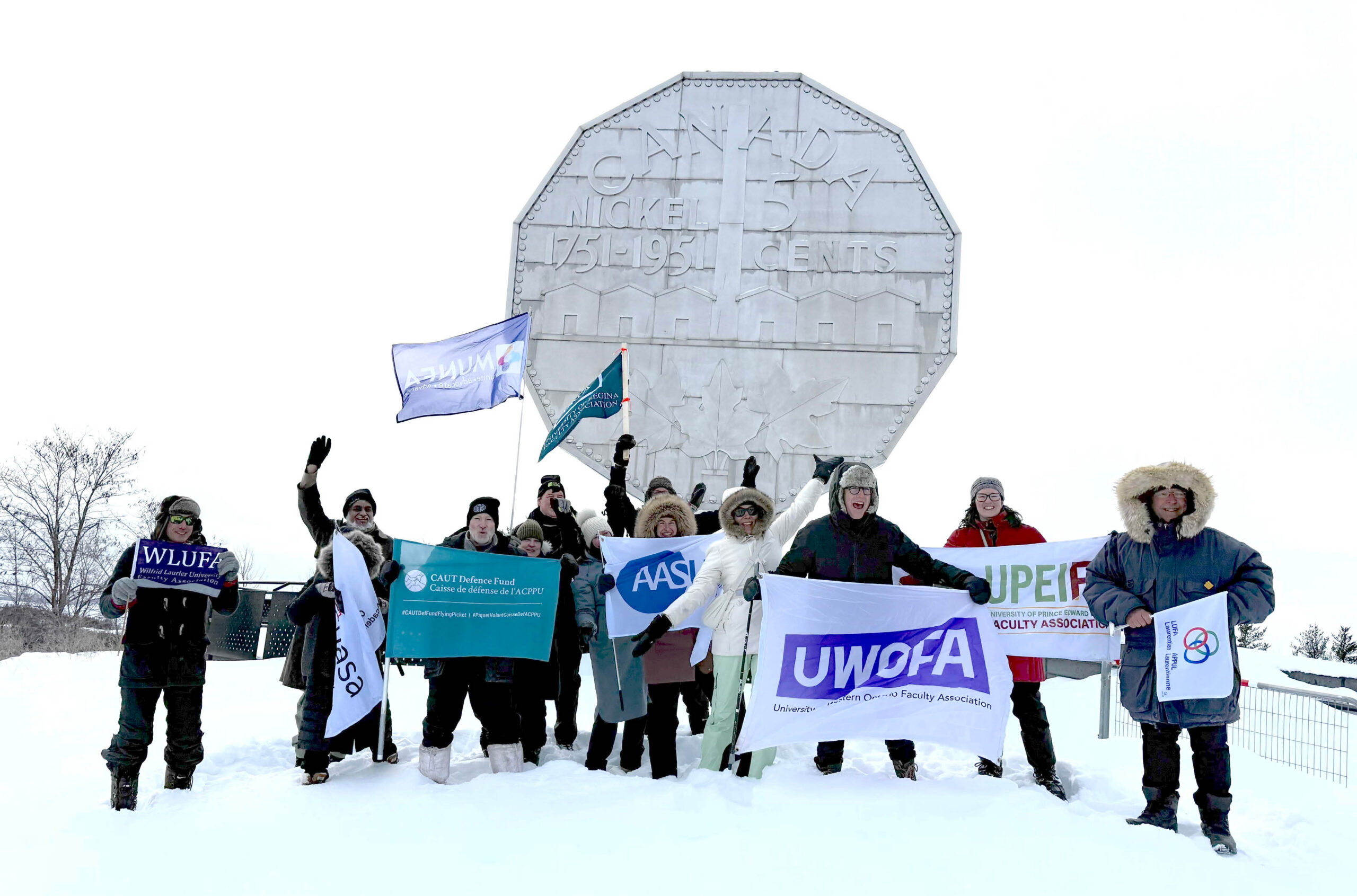
Strike over, but strife remains at Laurentian
Faculty ratify new collective agreement, but say the deal still puts them behind other Ontario universities.
-
Ontario lifts tuition freeze, injects $6.4B in post-secondary sector
New provincial strategy also overhauls student assistance program and promises to align university programs with labour market.

Post a comment
University Affairs moderates all comments according to the following guidelines. If approved, comments generally appear within one business day. We may republish particularly insightful remarks in our print edition or elsewhere.