The human face of Arctic research
Q&A with Jackie Dawson, Canada Research Chair in the Human and Policy Dimensions of Climate Change.

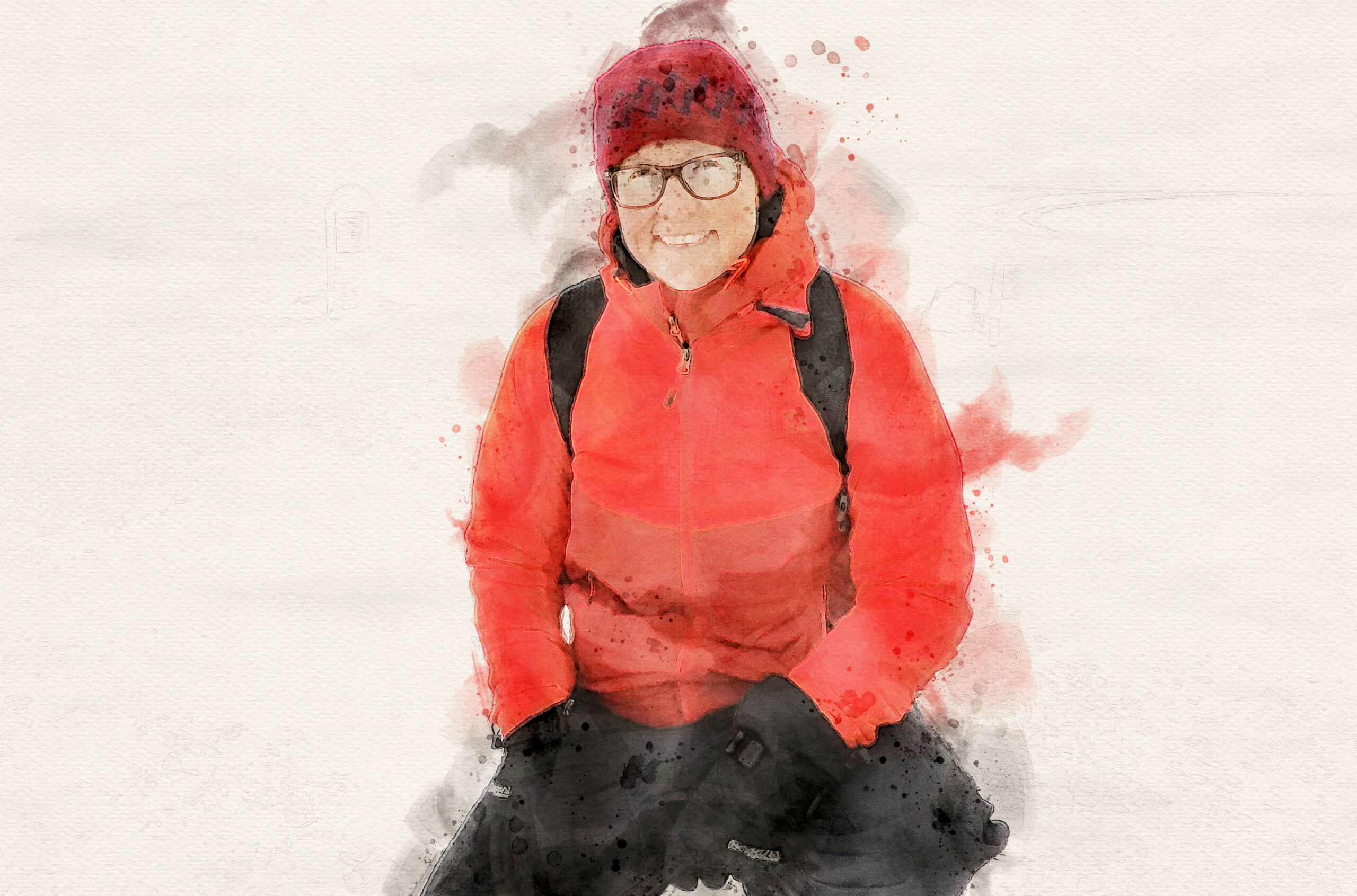
Amid the rapid transformations occurring in the North, an interdisciplinary approach that connects knowledge, lands and lived experiences is more essential than ever. University Affairs spoke with Jackie Dawson, a geographer and climate change expert renowned for her work on the Arctic and the Northwest Passage. She holds a Canada Research Chair in the Human and Policy Dimensions of Climate Change and is a full professor at the University of Ottawa.
UA: Could you tell us about the essence of your role and the nature of your current research?
JD: My work falls at the intersection of geography, public policy and Arctic conservation. I consider myself a solutions-based applied scientist. Today, we’re no longer studying climate change in isolation; we’re analysingits cascading effects. For example, melting sea ice is opening up the Northwest Passage, impacting geopolitics, economic development and maritime transportation. My role is to understand how these changes are affecting the environment and local communities.
“I consider myself a solutions-based applied scientist.”
UA: You talk about “solutions-based science.” In practical terms, how is this reflected in the way you work?
JD: It means that we begin with a real-life challenge that’s been identified by local stakeholders, then we build a scientific team to address it. For instance, for a problem involving both the climate and marine wildlife, I would need a marine biologist on the team. We work closely with Arctic communities, especially Pond Inlet [Nvt.]. Every February, we head there to share our results, discuss priorities and plan the coming year of research together. So, we’re really co-creating solutions.
UA: What career achievement are you proudest of?
JD: Definitely the Arctic Corridors Northern Voices project. We worked with about 20 Inuit communities to map culturally significant marine areas, and this data was then submitted to the Canadian Hydrographic Service and incorporated into the official shipping corridors. Ships and mining companies now use these maps to alter their routes to avoid disturbing traditional hunting areas, such as walrus and narwhal zones. This project is proof that research can bring about swift and respectful solutions.
UA: Has the Far North been a longstanding passion of yours?
JD: Absolutely. As a child, I devoured the tales of explorers like Shackleton and Amundsen. I grew up canoeing, climbing and kayaking, and I’ve always loved the wilderness. When I had the opportunity to go to the Far North for a research project, I was captivated by the landscapes, and even more so by the people. The Inuit values of community, sharing and collective decision-making really resonate with my own core values.
“When a tourist gets off the boat, it’s like they’re stepping into our living room.”
UA: Arctic tourism is seeing significant growth. How do communities view this influx?
JD: It’s both an opportunity and a source of concern. Nunavut needs new economic prospects, but the arrival of tourists is a delicate matter. As one of my friends put it: “When a tourist gets off the boat, it’s like they’re stepping into our living room.” There are tangible risks, like insufficient hospital infrastructure in the event of an emergency or infectious disease outbreak. Plus the fact that, ironically, shipping has become more hazardous than in the past, because of free-floating ice floes from the melting ice pack.
UA: How are you integrating traditional knowledge into academic science?
JD: The challenge is to break out of the bubbles where each party sees itself as the sole expert. For me, academic scientific knowledge is essential, but the knowledge of Inuit Elders and young people, and even the experiences of ship operators, are no less important. We’re trying to serve as “knowledge brokers.” Inuit culture inherently values this sharing of knowledge in order to reach collective solutions, whereas the academic and business worlds still need to learn how to break out of their silos.
“The number one priority is collaboration. The Arctic is no longer our ‘backyard,’ it’s our front yard.”
UA: Finally, what message would you like to convey to the Canadian government about the priorities in the North?
JD: The number one priority is collaboration. The Arctic is no longer our “backyard,” it’s our front yard. Yet Canada is one of the only Arctic nations without a national research strategy for this region. We need a road map to leverage the power of our universities. Université Laval, for instance, is a driving force in oceanography, and at the University of Ottawa we focus on public policy, health and security. By working together, we’re building a far stronger scientific foundation for responding to the challenges of our time.



Featured Jobs
- Health Sciences - Assistant ProfessorSimon Fraser University
- Vice President, Finance & AdministrationOCAD University
- Occupational Therapy - Assistant or Associate ProfessorDalhousie University
- Canada Impact+ Research ChairInstitut national de la recherche scientifique (INRS)
- Marketing - Faculty Position, Tenured or Tenure TrackUniversity of Alberta
More from News
-
Jeremy Hansen: From physics to the moon
Behind the first Canadian to circle the moon lies a rigorous academic journey and close ties to university research.
-
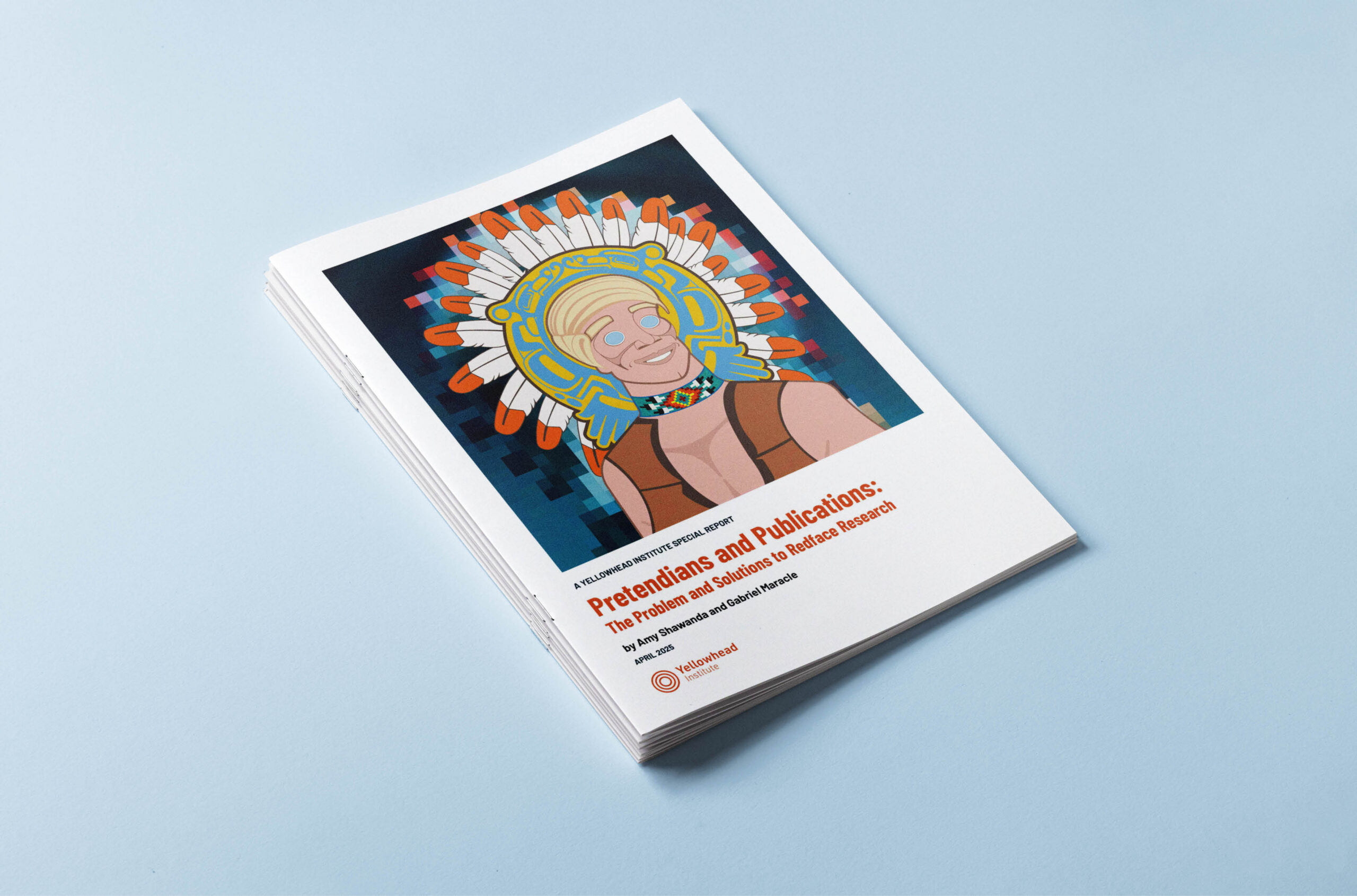
Addressing academia’s pretendian problem
Two Indigenous professors create a reference guide to stop scholars who falsely claim Indigenous heritage.
-
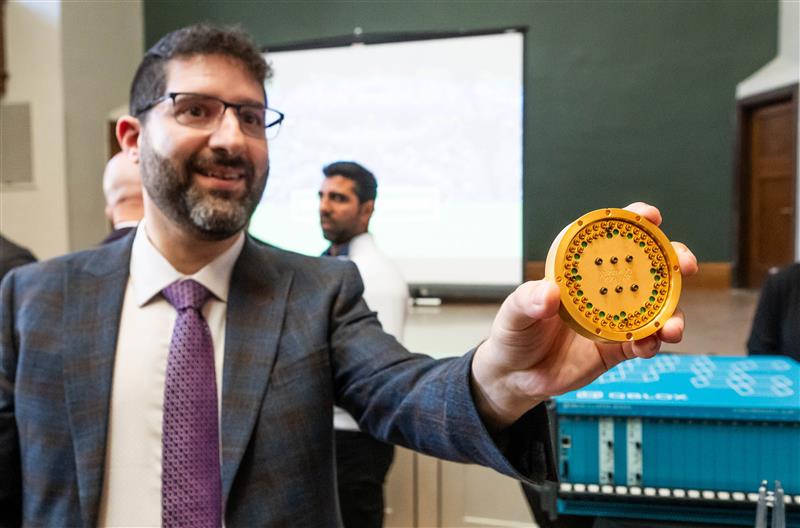
University of Saskatchewan acquires quantum computer to boost research capacity
Campus access to the technology will expand research possibilities.
-
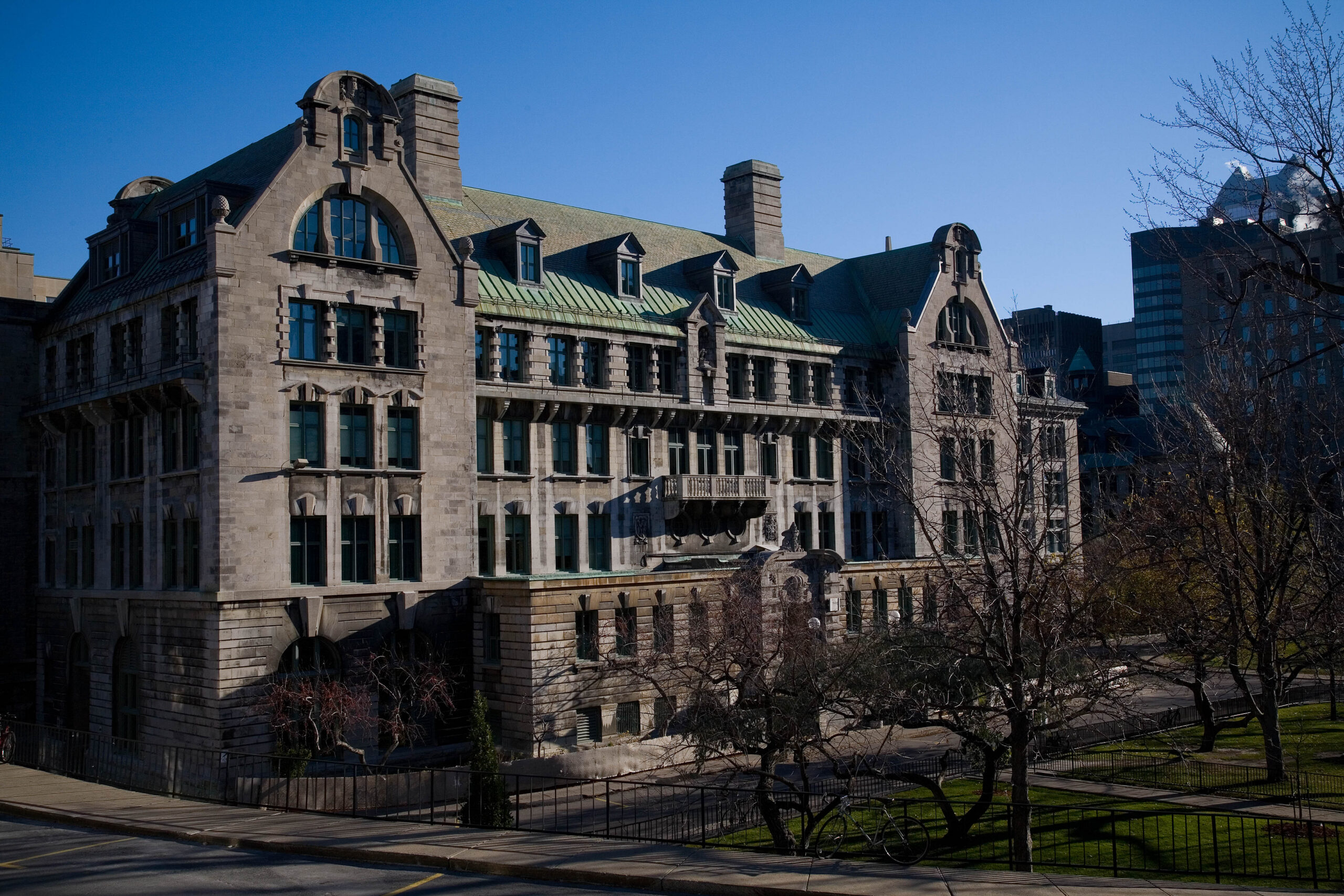
McGill appoints French emissary, makes peace with province
After dropping its legal battle over out-of-province tuition hikes, the university increases its efforts to promote French language and culture.
More from Research
-

Quebec launches network of reseach chairs in science diplomacy
Acting in the roles of diplomats and advisors, scientists can help solve pressing world problems, argues Quebec Chief Scientist Rémi Quirion.
-

Federal science cuts may have ripple effect on universities
Departmental belt-tightening in Budget 2025 adds to a long history of government reductions in scientific research.
-

Research VPs empower discovery
An impressive list of women are leading research at universities across the country.
-

How to craft a strategic research statement
Identifying themes in your work history can help you move from a laundry-list to a compelling story.
More from Articles
-
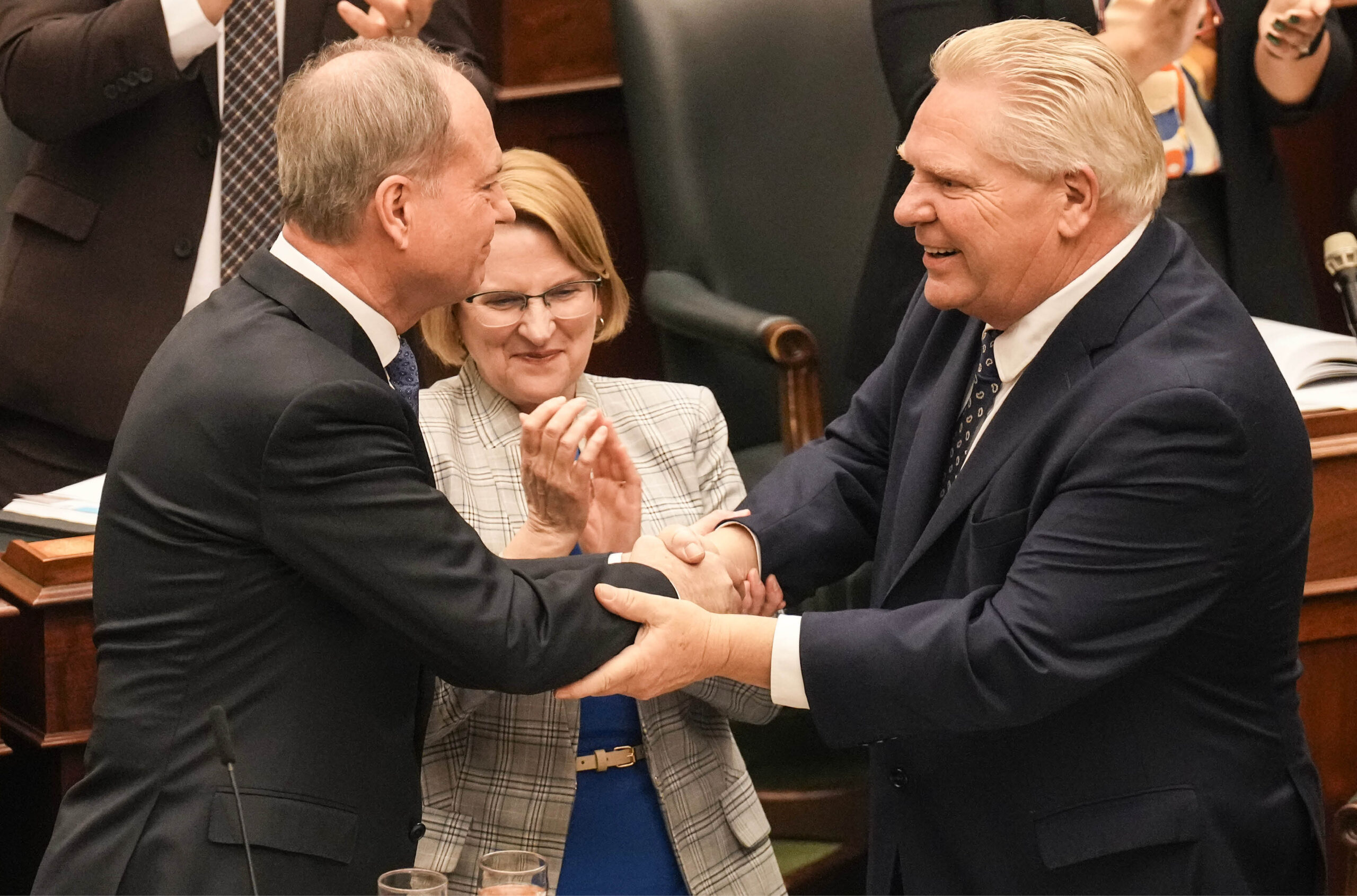
Ontario budget reaffirms $6.4 B post-secondary funding boost, adds money for infrastructure
Millions more allocated to research, clinical nursing training, and French-language education.
-

Manitoba increases investment in post-secondary education, announces new commission in 2026 budget
Post-secondary institutions will receive $882.6 million in operating funding.
-
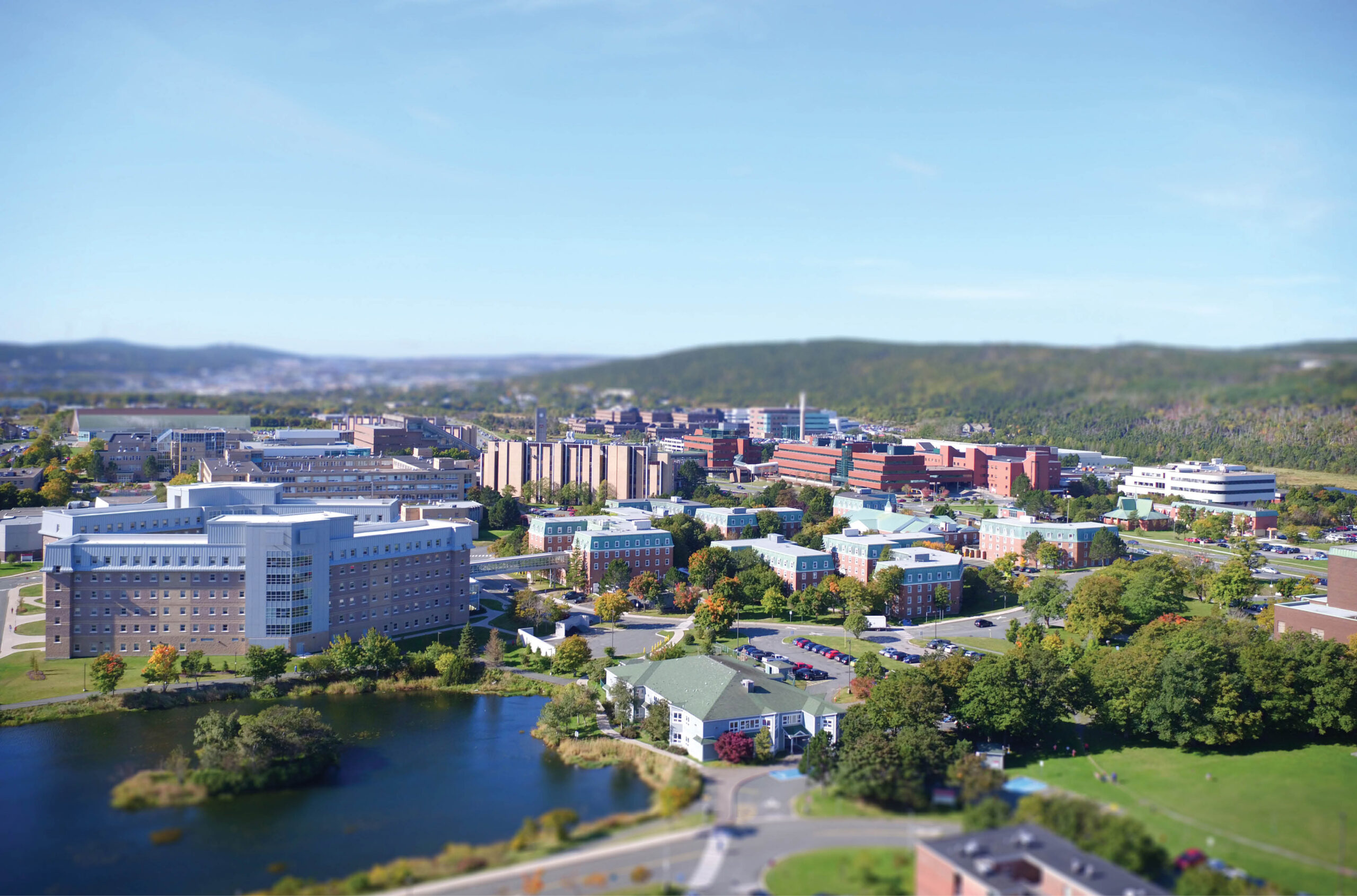
Program changes at Memorial raise concerns
Impact on faculty and students remains unclear amid decreased enrolment and financial challenges.
-

UBC leads the way on civil discourse
A successful debate series places universities at centre stage in ending polarization.


Post a comment
University Affairs moderates all comments according to the following guidelines. If approved, comments generally appear within one business day. We may republish particularly insightful remarks in our print edition or elsewhere.