-

Universities struggle to be heard in Quebec election
In a campaign dominated by the U.S. trade war and the soaring cost of living, universities assert their continued importance.
-

Why has the Atlantic region been hit hardest by IRCC’s student visa cuts?
Reduced international student intake threatens local economies, workforce pipelines and long-term growth in less populous regions.
-
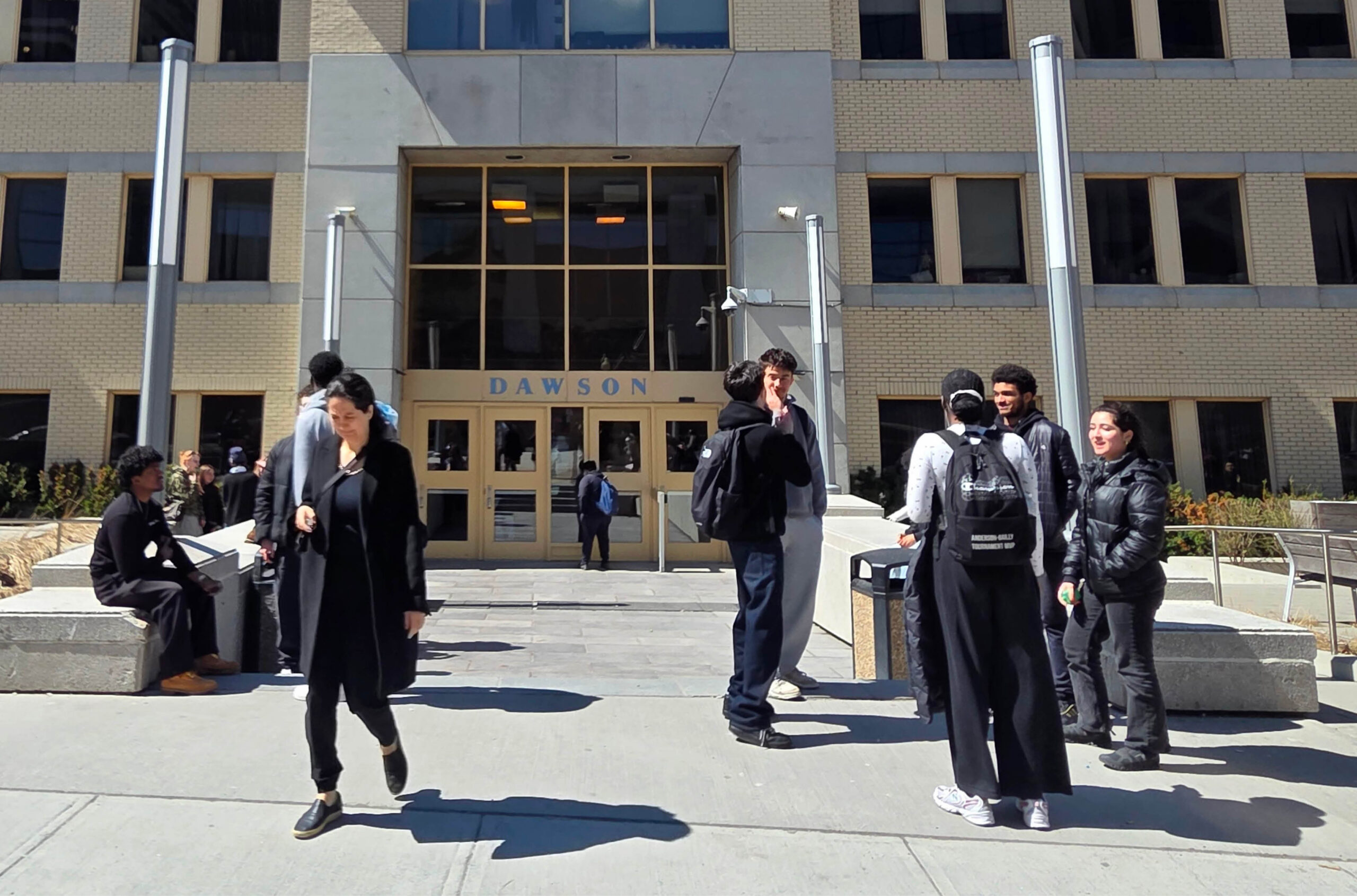
Montreal students, professors, protest Quebec’s Bill 9
Demonstrators to rally against law that restricts the wearing of religious symbols and forbids prayer rooms in higher education institutions.
-

Spring fiscal update boosts colleges, trades training
Universities also ‘want to be a big part’ of educating the new Canadian workforce, says UC president.
-
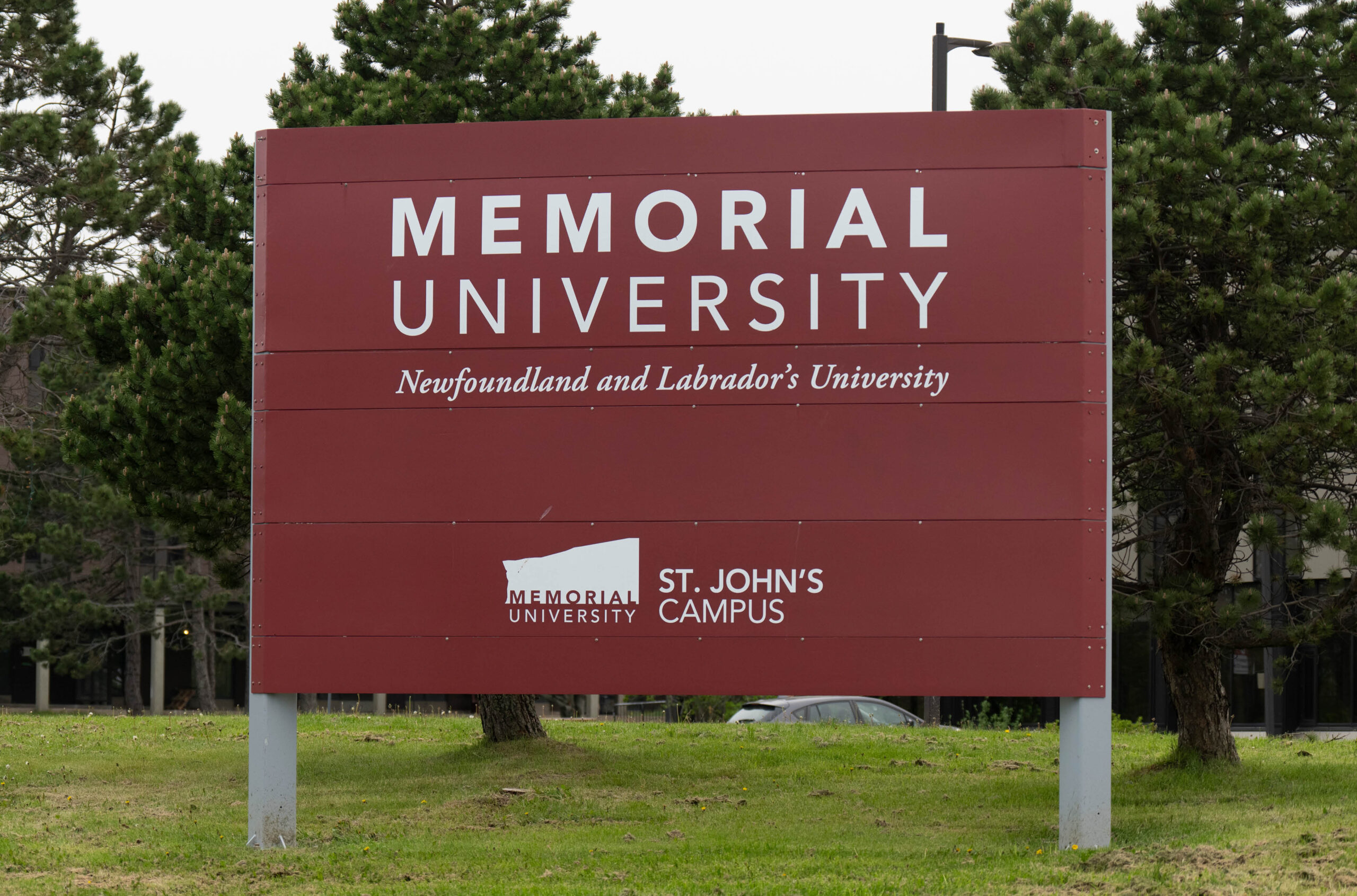
No funding promises for Memorial University in NL election campaign
Parties float private-college partnerships, tuition rollbacks, and job-focussed education as voters in Newfoundland and Labrador head to the polls.
-

Help scientists ousted by America’s attack on knowledge
An open letter to leaders of higher education in Canada.
-

Ontario: The new pragmatism
After a decade marked by funding cutbacks and a tuition freeze, the province’s universities face the future with an eye for opportunities.
-

Ontario must bridge the gap between research and policy
How strong science-policy relationships helps build healthier and more resilient communities.
-

The limits of graduate professional development
The gap between permanent academic positions and the number of PhD graduates.
-

“Mission-driven” is not a bad word
When non-scientists help set research priorities, society can tackle big problems together.
-
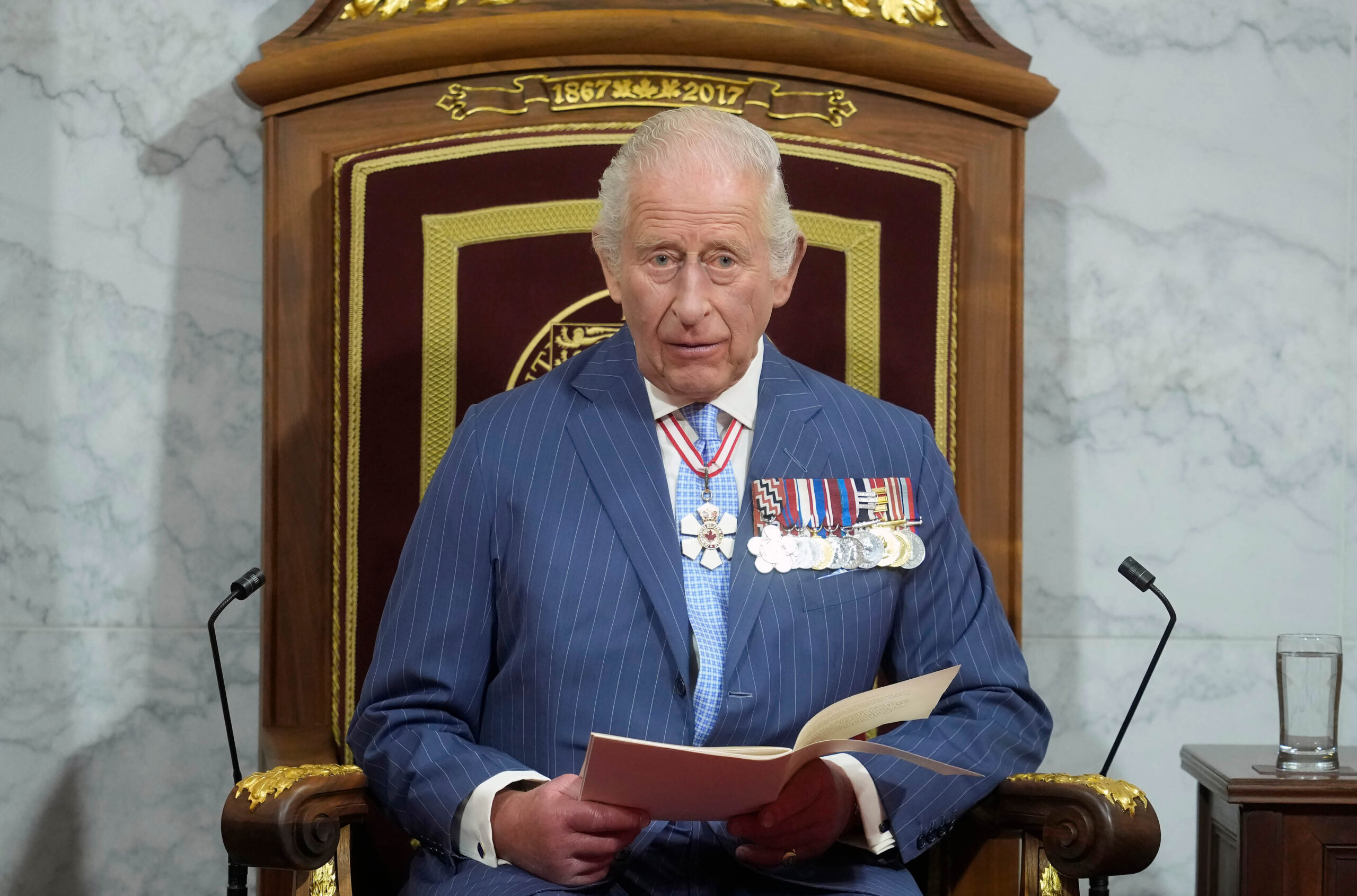
Throne Speech reconfirms cap on international student permits
Carney government pledges to attract world’s best talent despite restrictions
-
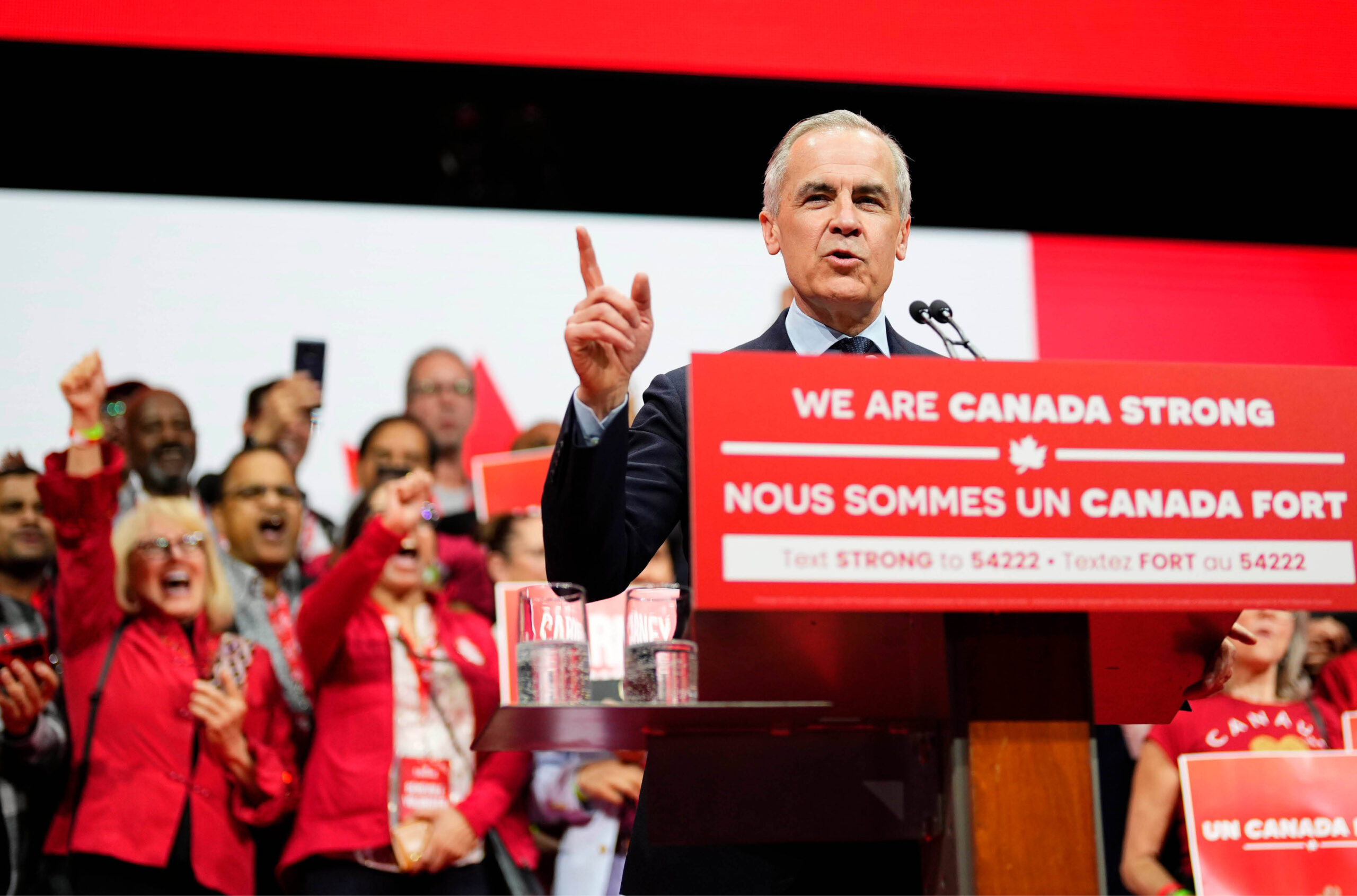
Postsecondary education welcomes new government
Universities will be critical to economic growth, say leaders.
-
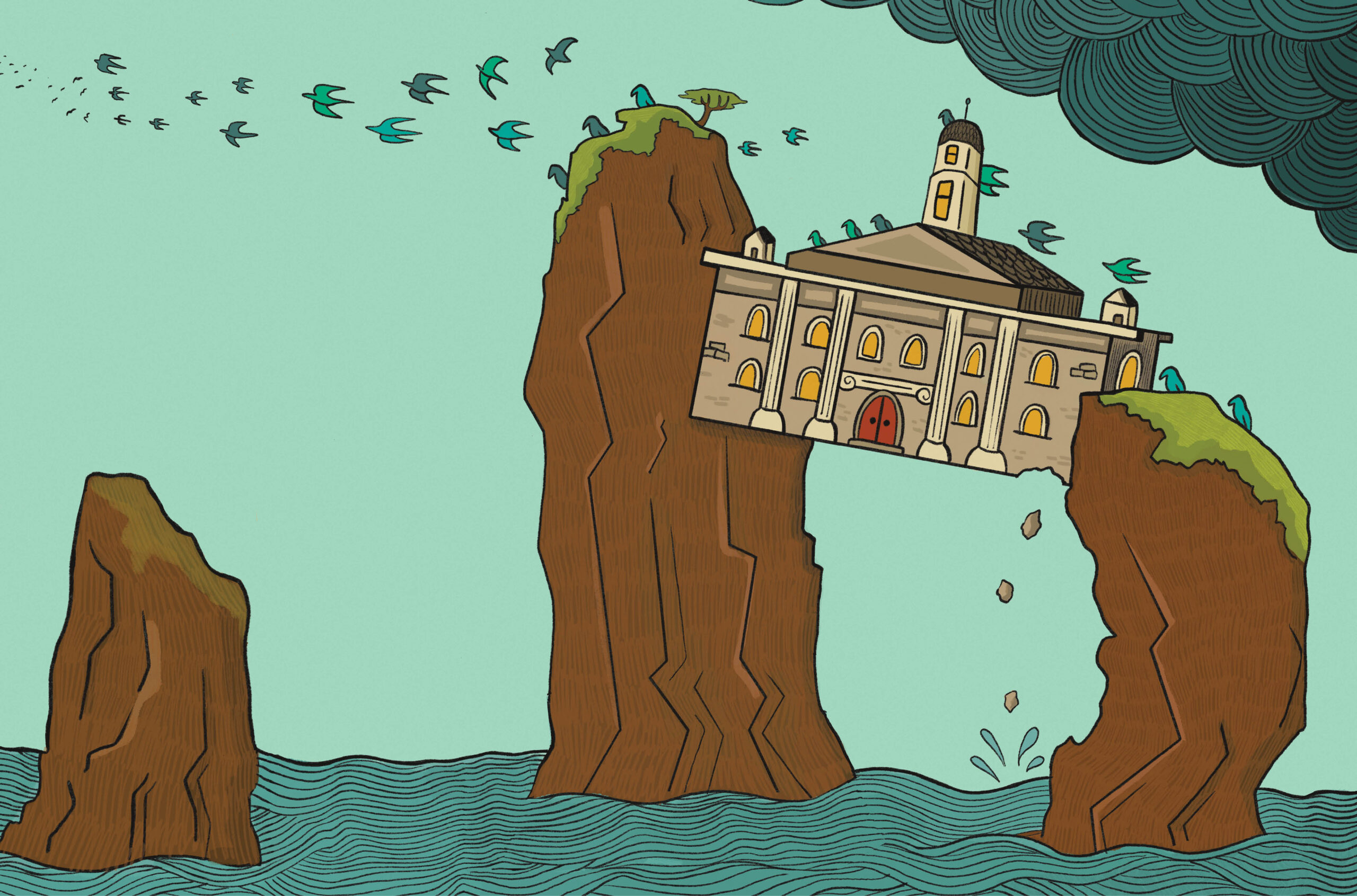
The challenges facing Nova Scotia’s postsecondary institutions
Unexpected government policy changes have choked off revenues while rising costs threaten to topple painstakingly balanced budgets.
-

Universities at a political crossroads
Canadian universities are facing uncertain prospects as they weigh the Liberal Party’s mixed record on postsecondary education against Conservative threats to EDI initiatives and research funding.