-

Canadian universities and the new defence imperative: the case in favour
Martin Maltais argues that Canadian universities must play a greater role in strengthening the country’s defence capacity while preserving academic freedom and scientific independence.
-

Universities have a critical role to play in the fight against “forever chemicals”
As PFAS contamination spreads, universities must champion interdisciplinary learning, ethical reform and community partnerships, says Robert Bilott, the attorney at the center of Dark Waters.
-
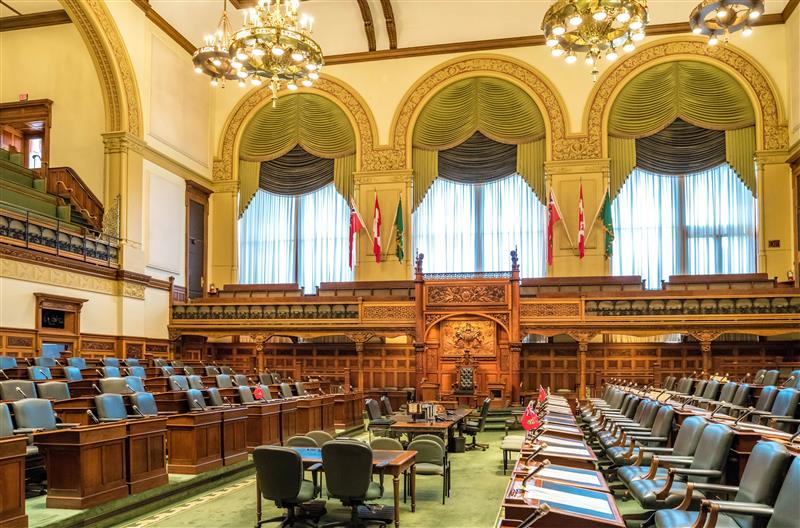
Ontario lifts tuition freeze, injects $6.4B in post-secondary sector
New provincial strategy also overhauls student assistance program and promises to align university programs with labour market.
-

Leading a university through turbulent times
Marie-Eve Sylvestre, University of Ottawa’s new president, discusses leadership, academic freedom and the future of universities.
-

Quebec postsecondary institutions to receive $54 million to combat sexual violence
The provincial government unveiled its 2022–2027 action plan to prevent and counter sexual violence in higher education.
-

We need to make policy learning count
The Advisory Panel on the Federal Research Support System continues a ritualistic cycle of reviews and reports into Canada’s scientific support infrastructure.
-

Are universities doing enough to address academic misconduct in research?
The search for a systemic response to a growing concern.
-

New advisory panel hopes to bring fresh look at research support
Improving the cohesiveness, openness and agility of Canada’s research support system is the core mandate of the federal government’s new advisory panel.
-

What’s happening with Canada’s superclusters?
After four years, the federal government’s billion-dollar superclusters are finding their feet, but they need more time.
-

The curious story of the Global Innovation Clusters renewal
Why is the federal government still throwing money and resources at this project?
-

The importance of science diplomacy during difficult times
If the vaunted features of science that are used rhetorically to promote and justify its status as an aid to international affairs are truly valued, it would be precisely in the most trying circumstances that science diplomacy should remain a viable alternative.
-

The pandemic has changed how universities view cybersecurity
Whether they like it or not, Canadian institutions will have to address the issue of cybersecurity – before it’s too late.
-

Questioning the ethics of online proctoring
Instead of relying on a ‘technological fix,’ we need to ask what drives students to cheat in the first place.
-
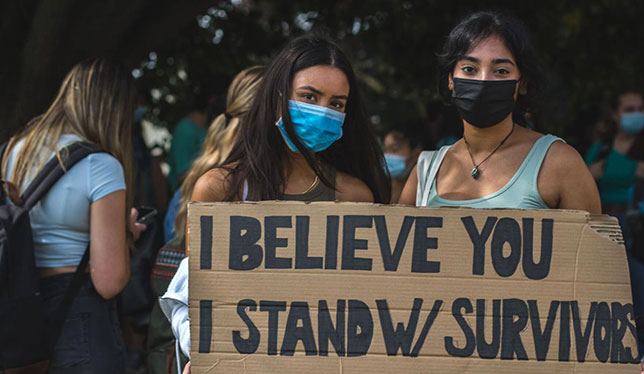
How do you stop sexual violence on campus?
Alleged assaults at Western prompted policy reviews across Ontario, but it’s unclear what changes will come from them.