No more ‘soft touch’ on student visa fraud, IRCC vows
New technology and better enforcement will pre-emptively deter rule-breakers, deputy minister says.

Immigration, Refugees and Citizenship Canada (IRCC) will no longer apply the “soft touch” to suspected cases of international student visa fraud and non-compliance, Ted Gallivan, the department’s deputy minister, told a House of Commons committee this week.
Mr. Gallivan, in his appearance before the Standing Committee on Citizenship and Immigration, said the department is implementing stronger IT methods to identify and deny fraudulent international student application files early in the process, following a scathing report into the program by Auditor General of Canada Karen Hogan.
The digital platform modernization (DPM) system that the department plans to finish implementing by the end of this year, “will give us better information” to act quickly on legitimate claims and flag those that aren’t, Mr. Gallivan said.
“We’ll learn what a diploma from a certain university is supposed to look like, and we’ll be able to detect if it’s been doctored,” he gave as example.
Since IRCC failed in the past to follow up on thousands of cases of confirmed and suspected fraud, the agency was unable to identify patterns or to determine whether and where organized fraud networks were operating, Mr. Gallivan said, in response to questions from committee members.
“Cases of suspected fraud that we didn’t follow up on to understand the methodology, the pattern, was intel that we couldn’t put into the analytics system,” he said. “And so we definitely have missed that opportunity.”
But he said the department is no longer making the same mistake. “We take any case of identified fraud that we find and follow up on, and we unpack it, and then we put it in the front end, so that all new visas going forward are screened against that fact pattern. If we find somebody trying to do the same thing, “‘fool me once, shame on you, fool me twice—’ we’re trying to stop the ‘fool me twices.’”
The committee was meeting to discuss the auditor general’s report on Canada’s international student program, released on March 23. The report highlighted the fact that IRCC failed to take action on 800 study permits, issued between 2018 and 2023, that involved fraudulent documentation or false information. Mr. Gallivan told the committee that the federal government provided no justification as to why these cases were not pursued.
The auditor general’s report also noted that, between 2023 and 2024, IRCC identified more than 153,000 students who were potentially non-compliant with their permit conditions, but only had funding to investigate 2,000 cases each year. Forty per cent of those cases were also closed due to students not communicating, making it difficult to determine if they were following the conditions of their permit.
The lack of follow-through on fraud is “unacceptable” said Mr. Gallivan.
“The number of high-risk cases or fraud ought to drive the budget rather than the other way around,” Mr. Gallivan added. “We are taking a commitment to review all of the cases, and where it’s confirmed it’s not a discrepancy, but it’s an actual fraud, we need to take action.”
Appearing before the committee on the same day, Auditor General Hogan discussed how she expects the department to see investigations through.
“The majority of students are here for a genuine reason,” she said. “You need to give the student the time to clarify and then, if not, take appropriate action. But having all of this data and not acting on it is not acceptable.”
Ms. Hogan noted that recent caps on the international student program were meant to decrease the number of temporary residents in Canada, and that reducing the number of study permits has helped to reach that goal.
Liberal MP Salma Zahid, a member of the committee, asked how IRCC is implementing goals to increase diversity in the international student population. In response, Mr. Gallivan noted that Africa is a source for French-speaking people and he considers it “a rich avenue” to attract more people.
While the diversification strategy has shown progress, student wait times remain uneven for evaluation on student visas, the committee pointed out. Mr. Gallivan replied that the department’s new technology may help address the problem.
“Some of the investments we continue to make in IT, and this idea of control, lets us pass the legitimate students through more quickly,” he said.



Featured Jobs
- Toldo Chair in Christian StudiesAssumption University
- Canada Impact+ Emerging Leader in Quantitative and AI-enabled Electron Microscopy for Quantum and Advanced MaterialsMcMaster University
- Psychology - Assistant Professor (Clinical Psychology)Western University
- Director, Human Research Ethics & Strategic AdvisorUniversity of Manitoba
- International Studies - Faculty Position (Arctic Defence and Security)Université Laval
More from News
-
Feds announce $880 million for research
Funding will support both established health scientists and emerging cross-disciplinary researchers.
-

OCAD University celebrates 150 years of shaping Canadian culture
Art and design university launches $6-million campaign for 150 scholarships to mark 150th anniversary.
-

B.C. higher education: tweak or reform?
In the coming provincial election, parties offer different proposals for a system under strain.
-

Canada ‘muddling through’ without national research infrastructure strategy, panel finds
Expert report says fragmented governance and funding threaten Canada's research competitiveness and scientific sovereignty.
More from International students
-

Ottawa won’t restrict student visas from countries with high asylum-claim rates
India will help Canada ‘crack down’ on student program abuses, high commissioner says.
-
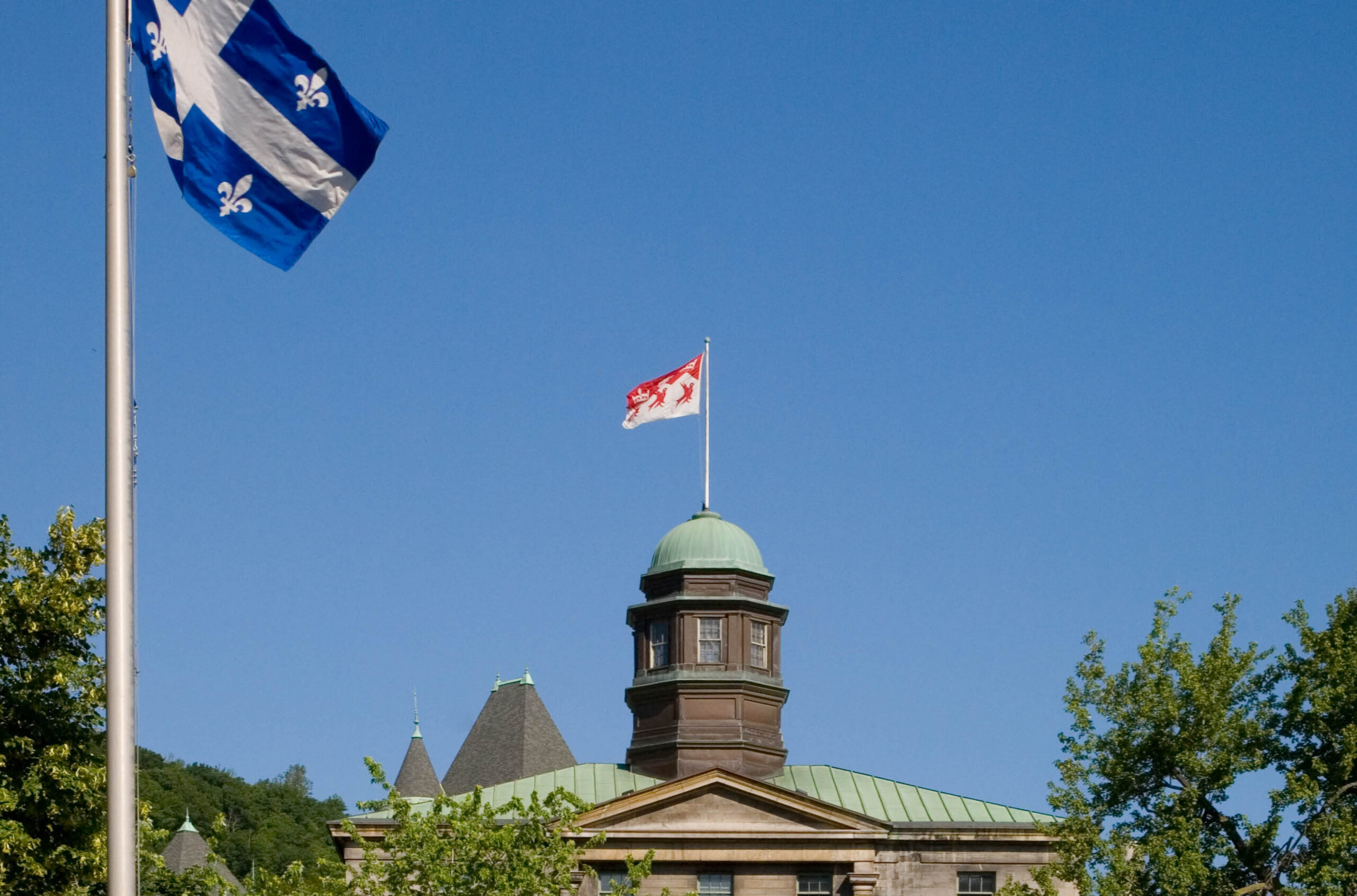
Quebec’s English-language universities embrace new French requirements as fall cohort begins
McGill, Concordia and Bishop’s universities roll out new initiatives to encourage students to learn French on and off campus.
-

Grad student visas double since 2025
Policy changes drive sharp rise in permits for international master’s and PhD candidates.
-

Saskatchewan offers Ukrainian students international tuition relief
Many others face drastic tuition increases as their status is set to change from ‘domestic’ to ‘international’.
More from Articles
-

Students and seniors under the same roof
Intergenerational living helps with loneliness and the high cost of rent.
-

U Sports alum lace up for PWHL season
Canadian grads eager to show their mettle on women’s pro hockey teams.
-

The hidden problem of student homelessness
As high rents push more students into precarious housing, it's time to stop romanticizing the 'poor scholar'.
-

Parliamentary committee urges stronger support for research in French
Granting agencies should consider funding targets specifically for French-language projects, the Standing Committee on Science and Research recommends.


Post a comment
University Affairs moderates all comments according to the following guidelines. If approved, comments generally appear within one business day. We may republish particularly insightful remarks in our print edition or elsewhere.
1 Comments
Very informative article. Let’s see if the government falls through on this change in approach.