-

The war in Ukraine shows how libraries play a vital role in challenging disinformation
They have a responsibility to teach users how to evaluate the credibility and validity of information.
-

Teaching university students to be ‘age-conscious’ could help address our elder care crisis
What it’s like to get older? A course on the psychology of aging helped students gain empathy and curiosity.
-
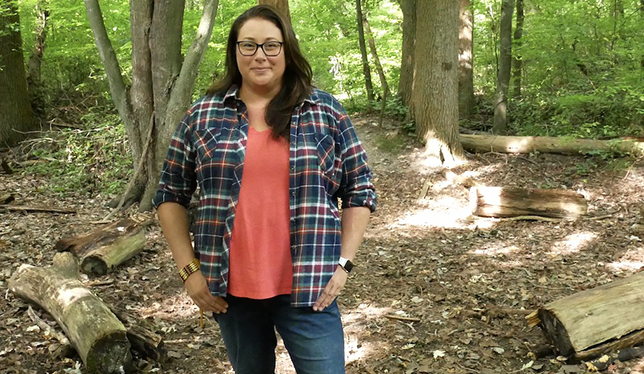
Want to reach out to an Indigenous scholar? Awesome! But first, here are 10 things to consider
Many Indigenous scholars forge ahead to passionately contribute to systemic change; however, as requests mount, and there’s not enough time to go around, we are stretched incredibly thin.
-
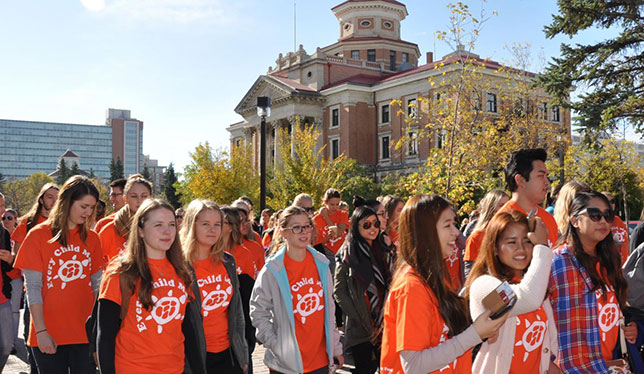
National Day for Truth & Reconciliation: universities and schools must acknowledge how colonial education has reproduced anti-Indigenous racism
Reconciliation in education begins by acknowledging how educational systems — in particular, our universities, teacher education programs and curricula — have reproduced systemic anti-Indigenous racisms across Canada.
-

To cure brain diseases, neuroscientists must collaborate: That’s why I’m giving my data away
I’m giving my lab’s standard methods away over the next year – making them available to anyone who would like to access them.
-

Living and breathing while Black: racial profiling and other acts of violence
Individualizing racial profiling in media misses the point of systemic violence.
-

How the open access model hurts academics in poorer countries
Publication costs can eat into whatever precious grant funding researchers get.
-

Unrealistic striving for academic excellence has a cost
Skills of well-being have been forgotten partly due to a combination of educational reforms and societal pressures.
-

Dog therapy: what I’ve learned overseeing 60 canine campus teams
The B.A.R.K. program – Building Academic Retention through K9s – creates opportunities for students and community members to spend time with therapy dogs.
-

Five survival strategies for partners of international students
Partners who accompany international students tend to be well-educated, yet many experience difficulties pursuing their own career goals once in Canada.
-

Why universities need homerooms
Learning in community is linked to better academic performance and gains in skill, competence and knowledge as well as overall satisfaction with university experience.
-

To pay or not to pay: That’s the internship question
What is the purpose of an internship, and how does it differ from basic schooling?
-

Navigating racism: Black graduate students need support
Research shows that the concept and practice of “other-mothering” can help Black students navigate the complex and often secretive world of academia.
-

A university president apologizes for academia’s role in residential schools
Nearly every Indigenous family in Canada has been affected and the effects on communities are still with us today.