-

Teaching physicians, med students battle Quebec’s Bill 2 with strikes and lawsuits
Students strive to make up for lost time after fall labour disruptions.
-

The hidden curriculum and its impacts on students and educators
We need to reimagine our teaching practices.
-

Why you should start using open educational resources in your teaching
These learning materials can be freely shared and usually allow for the ability to adapt them to meet student needs.
-

Designing courses that promote academic integrity
Use your concerns about ChatGPT and academic misconduct to redesign your courses to build academic integrity skills.
-

What does a good teacher sound like? Voicing difference in the virtual classroom
Being told your voice is too feminine, or too accented, lays bare what scholars already know: the important link between voice and power.
-

5 recommendations from teaching centres to teaching centres to help faculty shift online
Ensuring equitable and quality education, as well as effective and efficient evaluation of student learning are among the imperatives identified for this disrupted academic year.
-
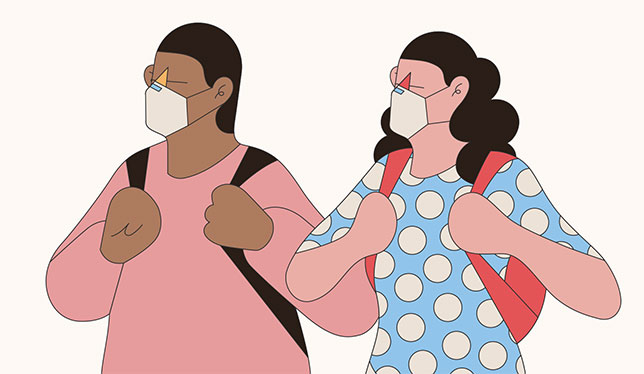
As September approaches, universities prepare for a fall semester unlike any other
Remote teaching, half-empty residences and virtual orientations will mark this year’s return for most students.
-

Tales from the Zoom
A professor who loves the classroom goes online – and finds its virtues.
-
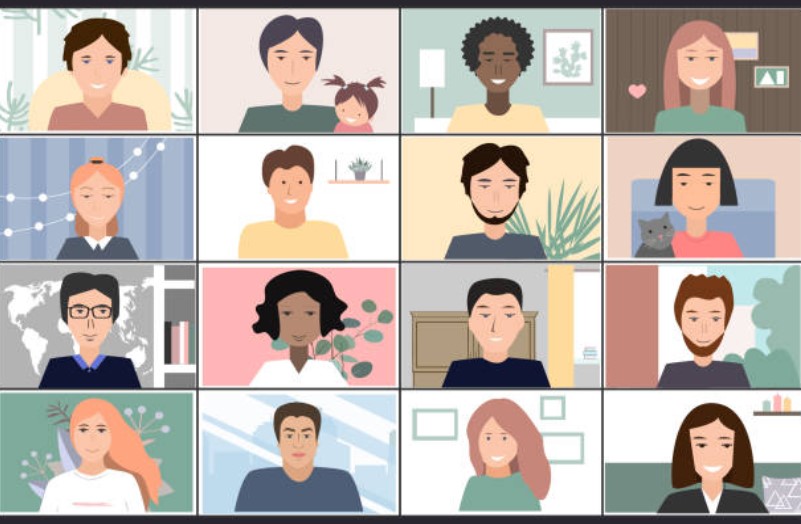
Three recommendations for accessible remote learning
Use the supports available at your institution, accept the idea that students know what works for them and share your ideas with your peers rather than reinventing the wheel.
-

A pedagogical manifesto for the upcoming academic year
Seek instructional help from colleagues, be honest with your students, be generous to yourself and others. We’re all in this together.
-

New study looks at how teaching excellence is analyzed and awarded in Canada
The paper published in the Canadian Journal of Higher Education reveals a range of approaches and offers suggestions for improvement.
-

Professional development for the 2020 fall semester: how to help faculty and administrators prepare
Based on a recent survey, both faculty and administrators agree that pedagogical strategies are needed for teaching online.
-

Teaching and learning centres are the academic heroes of COVID-19
These centres have proven they are not mere “support” units but are crucial to the university’s mission.
-

How to adapt experiential learning activities in the time of COVID-19
We searched the literature and consulted our colleagues from across the country for innovative approaches and resources.