Three top skills for job seekers
University of Manitoba study reveals some keys to a successful career.


With the goal of improving graduate student and postdoctoral fellow professional development at the University of Manitoba (UM), the faculty of graduate and postdoctoral studies (FGPS) launched the Graduate Skills Development Project in winter 2025. In addition to a literature review and evaluation of promising practices at peer institutions, the study involved the exploration of current offerings across our campuses and over thirty in-depth interviews with community members representing graduate students, postdoctoral fellows, faculty, and staff. Much of what we learned supports findings from previous research, but several new insights may be of interest to colleagues across the country.
One goal of this study was to identify the key career-related skills students and postdocs should develop. In both our literature reviews and interviews, a number of well-recognized skills featured prominently, including written and oral communication, knowledge translation, and leadership and mentoring. As expected, the importance of job search skills and capacity for skill articulation were deemed important, as was the development of broader career option awareness. However, interviews highlighted three skill areas as crucial for success that have received less attention in the literature: ethical research decision making, generative AI literacy, and entrepreneurial thinking.
Skills for ethical research decision making are often included in graduate curriculum; indeed, greater understanding of research ethics approval processes was described by interviewees as an important career-related skill. While the value of this training may be obvious to those seeking academic careers, all employers are looking for people who are prepared for ethical decision-making, who can navigate complex situations with sound professional judgment, and who have the capacity to articulate their ethical rationales. Fostering the development of ethics-related skills that go beyond those needed for the ethics approval process should be included in professional development programming.
Another skill area identified as integral to success was generative AI literacy. Certainly, the landscape of generative AI continues to rapidly evolve, and graduate students and postdocs must keep up. The challenge is compounded by the fact that many are learning generative AI fundamentals while simultaneously mentoring and teaching undergraduates to navigate the complexities of AI use in academia. If we are asking them to learn, teach, and even monitorethical AI usage, the onus is on us to prepare them for these responsibilities. These are key professional skills as the knowledge gained and the experience of leading discussions about complex and controversial aspects of AI will benefit them throughout their careers.
The third skill area with significant potential for expansion in our graduate and postdoctoral professional development is entrepreneurial thinking. Interview participants shared that graduate students and postdocs may be unsure where to begin in developing their ideas, may be unaware of available supports, or may fear scrutiny if they pursue commercialization. Strengthening connections between students, postdocs, and on-campus entrepreneurship experts is essential. We plan to explore ways to reduce barriers by facilitating strong connections with the talented networks of creators, entrepreneurs, and innovators already doing amazing work on campus. While entrepreneurship has been a focus for professional development at UM, this study suggests a strong appetite for more coordinated support.
A second goal of this study was to explore barriers to engagement for graduate students and postdocs at UM. Interviewees were eager to share their perspective, and many familiar reasons were discussed, such as competing priorities and a lack of awareness; however, we were very interested to learn how students’ sense of belonging and their perceptions of the personal value of professional development influences participation.
Interviewees shared that a sense of belonging is a critical precursor to engagement in professional development. We are now exploring ways that professional development can serve multiple functions on campus. We believe that beyond the benefits of skill development alone, graduate and postdoc professional development programming can be a strategic means for strengthening a sense of campus community, especially when students and postdocs themselves are collaborators on the coordination and delivery of programming. This has inspired us to examine how we engage students and postdoctoral scholars in building and promoting professional development initiatives on our campus.
Another factor impacting engagement is that many continue to question the personal value of professional skills development. Training was highly valued by all interviewees, but many students and postdocs did not necessarily recognize the benefits of their own participation. In response, we are exploring how changes in program design could influence motivation to participate. For example, our largest program, the GradSteps workshop series, provides students with flexibility to select workshops a la carte based on their interests or immediate needs; however, students may benefit from a more structured program, such as a micro-credential, that develops specific career-related competencies. Several interviewees believed the option to enroll in micro-credentials would increase students’ motivation to participate based on having a practical means to convey skills on resumes and CVs. We are currently in the early stages of exploring the possibilities for micro-credential development and continue to seek community feedback on how to increase student motivation to engage in professional development programming.
While some findings from this study may reflect the specific needs of our UM community, colleagues at peer institutions may also wish to explore how their programs support skill development related to ethics, generative AIliteracy, and entrepreneurship. It is likely that each campus has untapped experts in these areas who can contribute to graduate and postdoc professional development programming. In addition, we anticipate that students and postdocs across many campuses face similar barriers to engagement. Each institution will, of course, need to identify approaches that work best for their unique communities: There is no one-size-fits-all solution to increasing engagement.
We have only begun the process of exploring what is possible at UM. The eventual format of professional development programming at UM will be guided by the critical insights that were gained through talking with our faculty members, postdoctoral fellows, graduate students, and staff with the goal of developing relevant, flexible offerings that support a diverse array of future careers.





Featured Jobs
- Director of the McGill University Division of Orthopedic Surgery and Director of the Division of Orthopedic Surgery, McGill University Health Centre (MUHC) McGill University
- Engineering - Assistant Professor, Teaching-Focused (Surface and Underground Mining)Queen's University
- Canada Impact+ Research ChairInstitut national de la recherche scientifique (INRS)
More from Career Advice
-

Take it easy this conference season
Before committing to a colloquium, consider carefully whether the time and cost are worth the payoff.
-

How to write an effective service statement for your promotion and tenure dossier
Go beyond “bum-in-seat” accounting to emphasize your expertise and accomplishments.
-

Thriving after your PhD
Evidence and advice from postdocs about finding your footing in the working world.
-

Teaching in the age of AI shortcuts
Students will use AI. Here’s what it takes to ensure it strengthens their thinking instead of replacing it.
More from Students
-
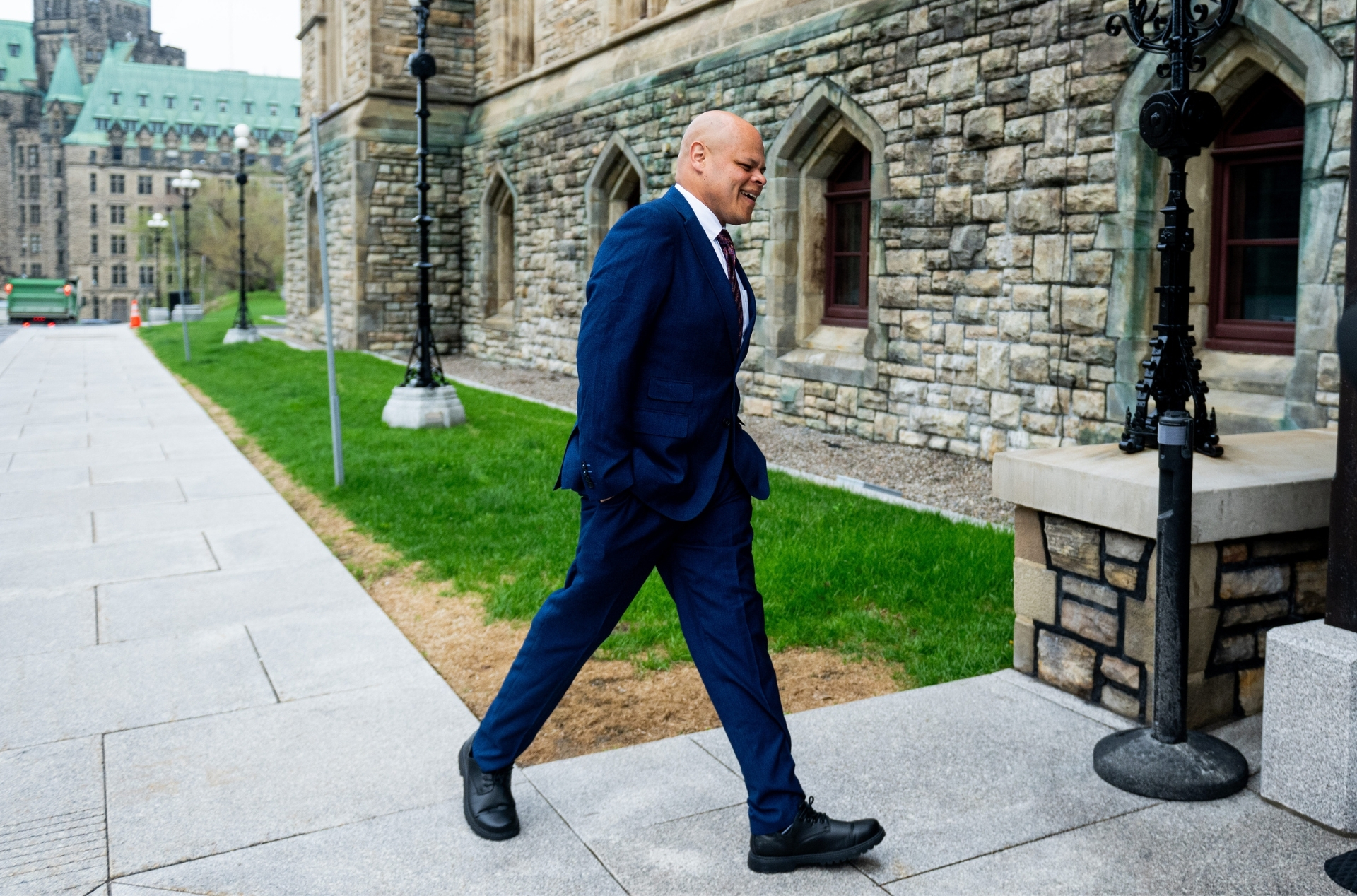
Conservative MP wraps up campus tour aiming to “Restore the North”
Modelled on the late American conservative firebrand Charlie Kirk, Jamil Jivani’s tour brought discussion of economics, immigration and identity to universities across Canada.
-

Students protest cuts to OSAP grants
Changes may push some to opt for shorter college programs instead of university.
-
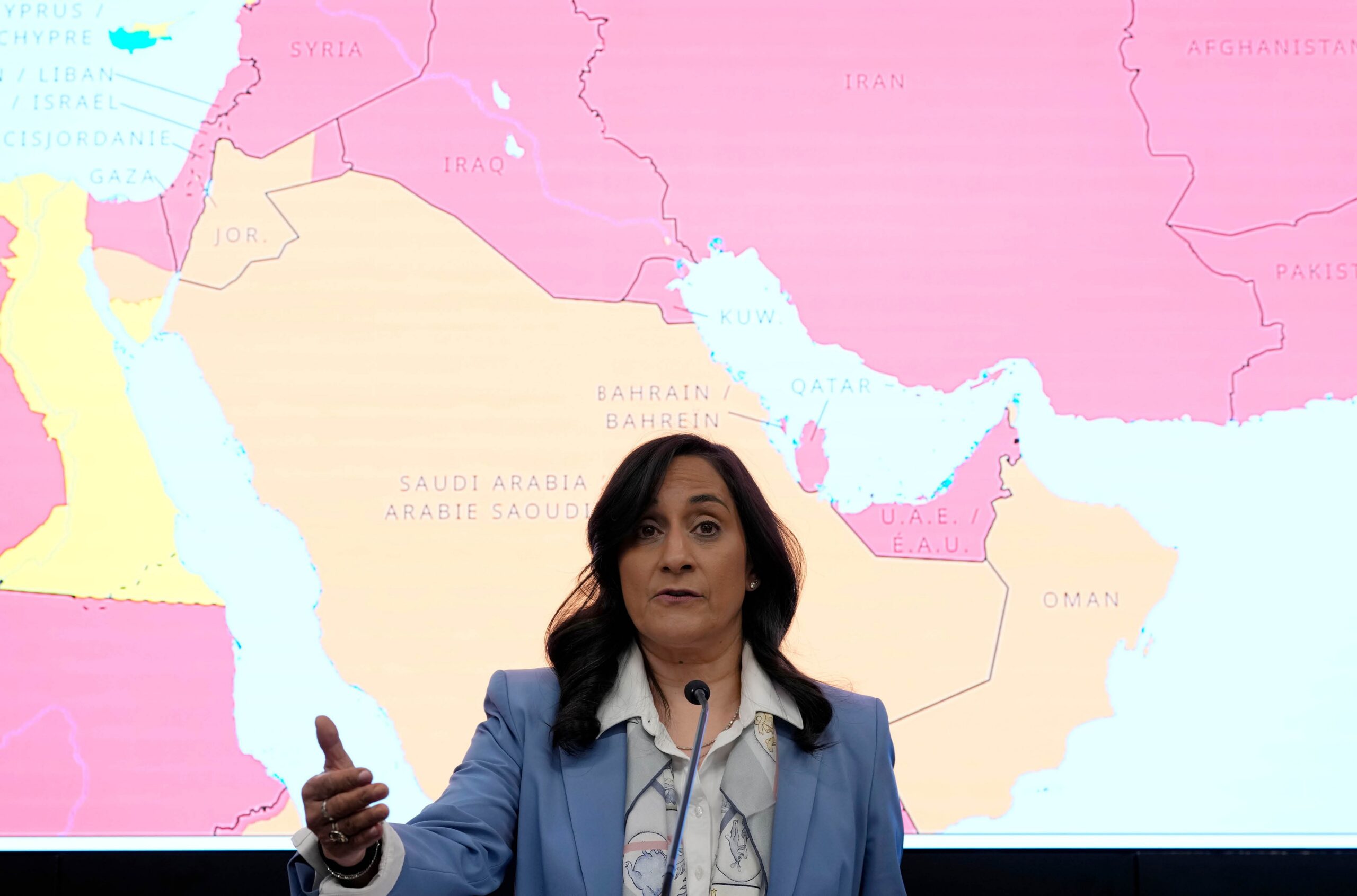
Canadian university campuses in the Middle East caught in a war zone
Royal Roads campus in UAE temporarily closed as Ottawa issues shelter-in-place advisory.
-

Student Olympians bring home medals and memories
Speed skaters dominate the medal count as the 2026 Winter Games wrap up.
More from Responsibilities May Include
-

Teaching experience in the academic job market
“Evidence of teaching effectiveness” adds to the ever-growing demands on graduate students.
-

Working with students
Creating a thriving on-campus work experience.
-
From Postdoc to Research Faculty crash course
A collaborative approach to supporting Toronto postdocs with academic job searches.
-

Addressing the gap in academic professionalization for graduate students
Academic support units have an important role to play in the professionalization of graduate students.

Post a comment
University Affairs moderates all comments according to the following guidelines. If approved, comments generally appear within one business day. We may republish particularly insightful remarks in our print edition or elsewhere.