‘It’s what we need’: Nunavut senator praises Inuit Nunangat University announcement
With a location chosen in Arviat and a new $50 M pledge, the Inuit-led university pursues its plans to open in 2030.

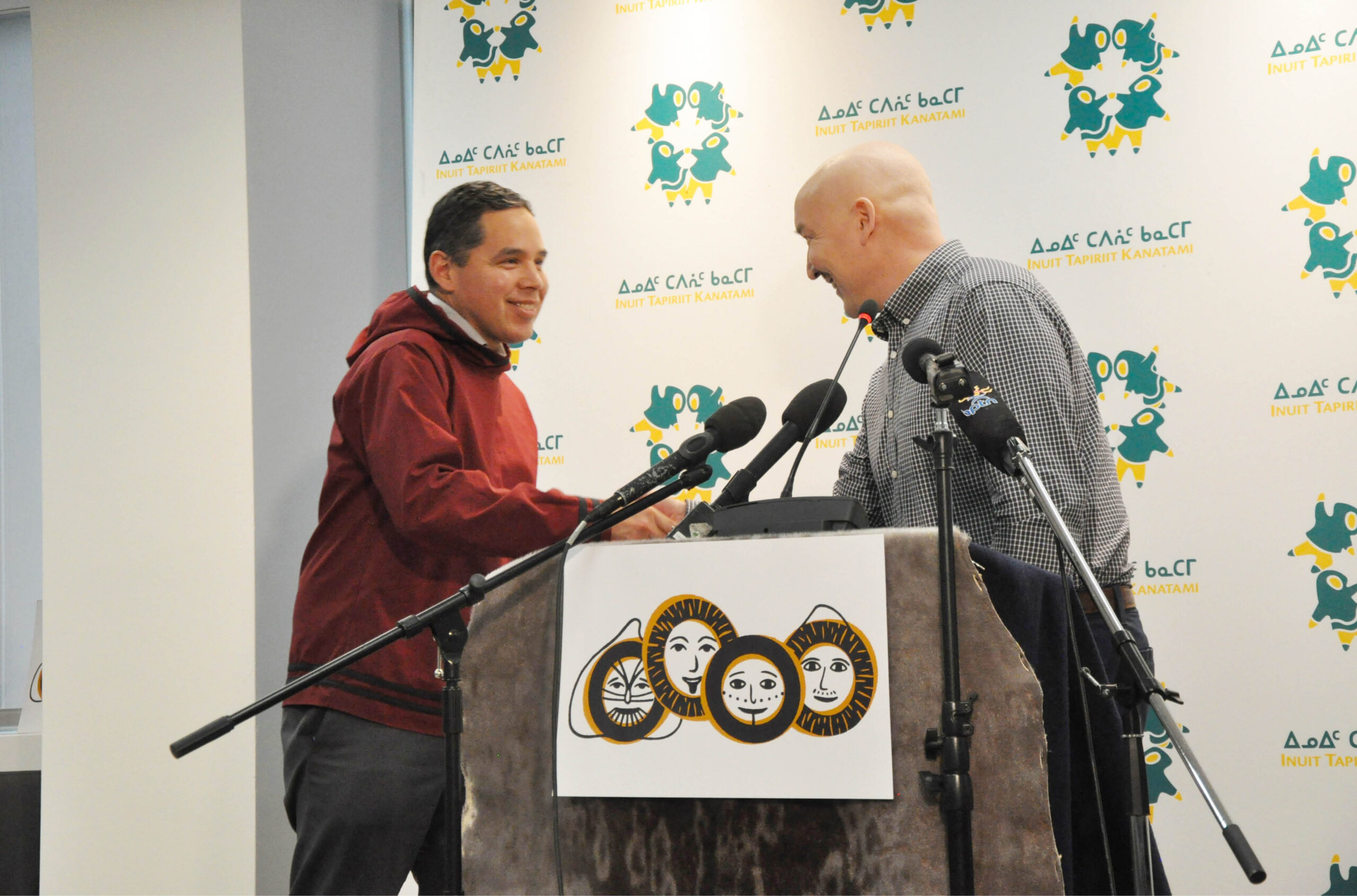
The announcement that Canada’s first Inuit-led university will be based in her hometown of Arviat, Nvt., had a personal resonance for Senator Nancy Karetak-Lindell.
“I’m just very proud of our community, very pleased to be here at the announcement, because I see it as a strong foundation for a university that wants to be recognized for being based on Inuit knowledge and culture and the Inuit way of doing things. It’s what we need,” said Mrs. Karetak-Lindell, who served for 11 years as a Member of Parliament for Nunavut before being appointed to the Senate.
The announcement was made on Feb. 11 by Natan Obed, the president of Inuit Tapiriit Kanatami (ITK), the national organization that represents 65,000 Inuit in Canada.
“For the first time in our modern history, we are now going to be able to say that our children may go to a university within our homeland,” said Mr. Obed.
The location of Inuit Nunangat University was announced alongside a pledge of $50 million toward its construction by Nunavut Tunngavik Incorporated (NTI). NTI is the organization charged with implementing the 1993 Nunavut Land Claims Agreement, under which Nunavut became a Canadian territory in 1999. NTI had previously contributed $2 million toward the university.
“Today is a proud day, a meaningful day, for Inuit, Inuit Nunangat [the Inuit homeland], and for Nunavut, and indeed, for Canada,” said NTI president Paul Irngaut. “Post-secondary education is one of the strongest paths toward any self-determination, strong governance and thriving communities.”
Mr. Irngaut added the new university will be one of the institutions benefitting from additional contributions from NTI of $50 million for student housing and $35 million for programming.
Federal government funding helps reach $2 M target
The federal government announced on Feb. 19 that it will contribute $50 M toward the university. The funds will come from Budget 2025’s Build Communities Strong Fund.
Additional founding donors include the Mastercard Foundation, with a $50 million contribution, the Rideau Hall Foundation and the McConnell Foundation.
Inuit Nunangat University aspires to open its doors in 2030, admitting approximately 100 students. Mr. Obed estimates that establishing the university will cost up to $200 million.
Infrastructure and spoken Inuktitut favoured choice of Arviat
Mr. Obed said it took about a year to select Arviat as the location of the main campus, after 51 communities were initially considered. Arviat is located on the western shore of Hudson Bay, about 200 km north of Churchill, Man., and has a population of 3,000, making it Nunavut’s third-largest community and capable of handling the infrastructure needs of the university.
Arviat was also chosen for its history of uplifting Inuit education.
“I had parents who easily could have been professors at this Inuit Nunangat University,” said Sen. Karetak-Lindell. “My mother was Rhoda Karetak, who was one of the original four Elders hired by the government of Nunavut to work in the education department that assisted or drove the conversation towards curriculum that reflects our values and our unique knowledge and… to have Inuit knowledge respected in the same way as other fields of knowledge.”
She added that Inuktitut continues to be widely spoken in Arviat, an important factor in perpetuating Inuit language and culture.
Satellite locations still to be determined
With the main campus location being chosen, a new round of applications is open for communities to host the university’s satellite knowledge centres, with the intention of providing post-secondary learning opportunities in each region of Inuit Nunangat: Inuvialuit Settlement Region in Northwest Territories, Nunavut, Nunavik in northern Quebec and Nunatsiavut in Labrador.
For Inuit students, who currently have to leave home for post-secondary education, the university will offer new opportunities for future generations.
“It makes me feel comfortable raising my kids in Nunavut in the future. They won’t have to go through that difficult transition of trying to get an education away from your home,” said Maria Rose, a first-year student at Ottawa’s Nunavut Sivuniksavut College.
Gwen Natsiq, president of the National Inuit Youth Council, said having to travel far away can dissuade some Inuit from pursuing university altogether.
“We’re very much community driven. When you take us out of those spaces, it makes us feel displaced. We don’t feel like we belong, and that’s something we strive for from birth,” Ms. Natsiq said. “I’ve seen a lot of youth go south for schooling, and then after a while, it just became too much for them and they came back home.”
Focus on fostering Inuit languages and culture
Inuit Nunangat University will concentrate on innovation in environmental protection, sovereignty and economic independence, as well as Inuktut linguistics and literature. Its focus on Inuit self-determination and cultural advancement creates a chance to overcome the history of colonialism and cultural erasure, Sen. Karetak-Lindell said.
“It was wrong for someone else to come and say, your language, your culture and knowledge is not worth passing onto children. But we have to correct that,” she said.
She hopes the university will inspire young Inuit to celebrate their culture and preserve its history.
“I want young people, young Inuit, to realize that our way of doing things, our language, our culture, can match any culture in the world, and that we should be proud of who we are.”





Featured Jobs
- Engineering - Assistant Professor, Teaching-Focused (Surface and Underground Mining)Queen's University
- Canada Impact+ Research ChairInstitut national de la recherche scientifique (INRS)
- Human Rights - Assistant Professor (Expertise in Human Rights related to Artificial Intelligence and Digital Security)University of Winnipeg
- Human Rights - Assistant Professor (Expertise in Peace & Conflict Studies, Socioeconomic Rights and/or Indigenous Rights)University of Winnipeg
- Director of the McGill University Division of Orthopedic Surgery and Director of the Division of Orthopedic Surgery, McGill University Health Centre (MUHC) McGill University
More from News
-
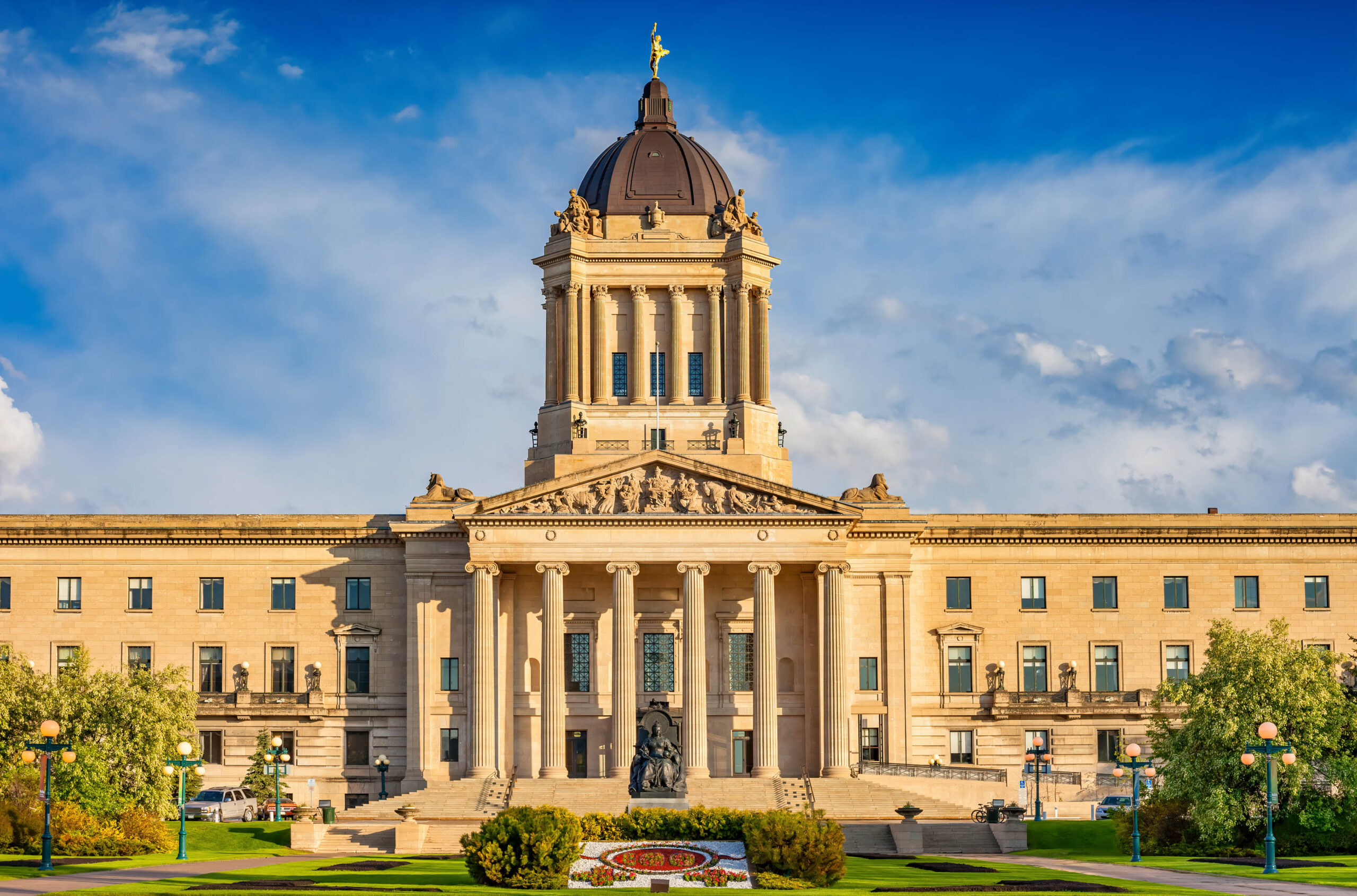
Manitoba increases investment in post-secondary education, announces new commission in 2026 budget
Post-secondary institutions will receive $882.6 million in operating funding.
-
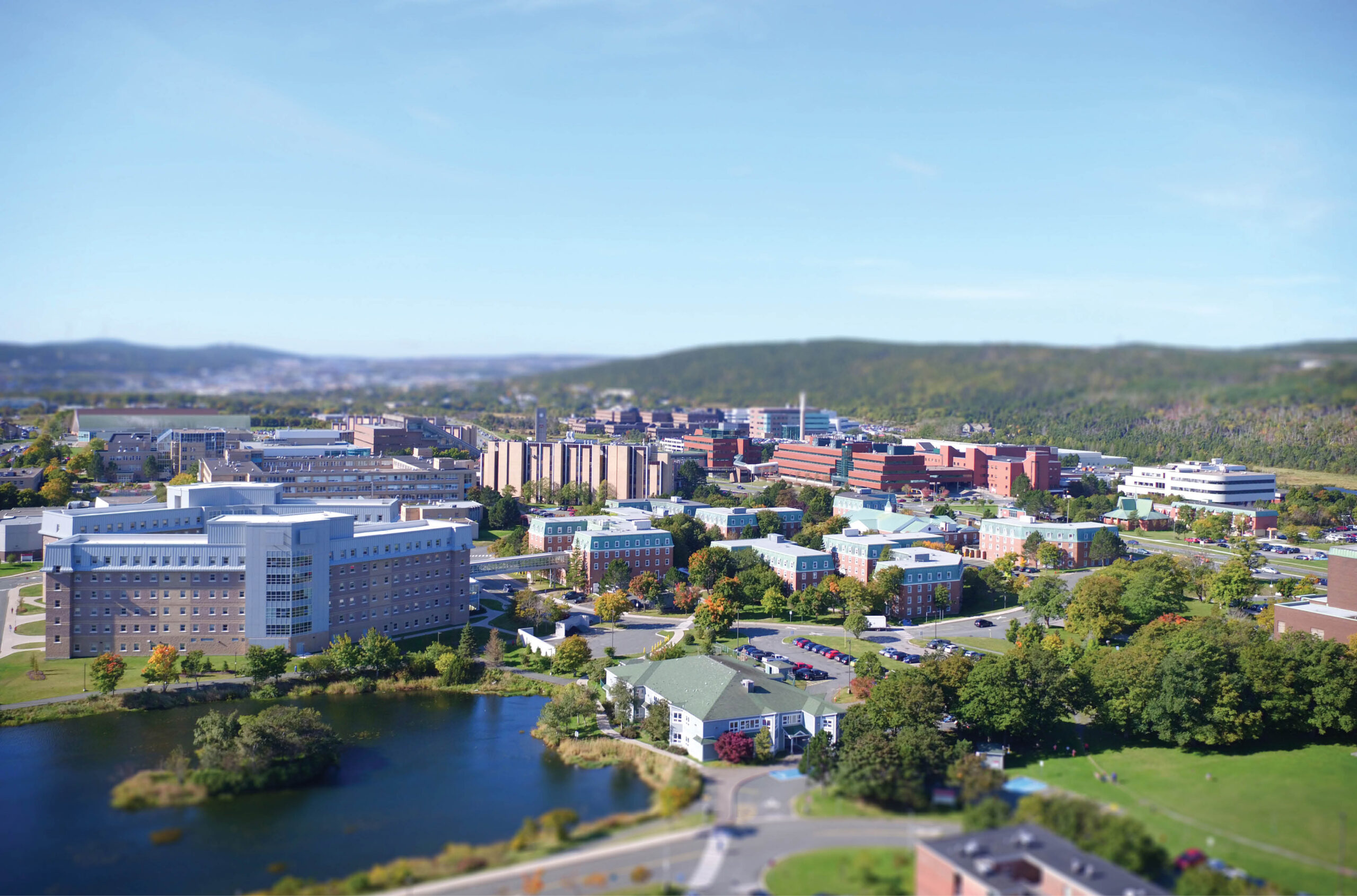
Program changes at Memorial raise concerns
Impact on faculty and students remains unclear amid decreased enrolment and financial challenges.
-
UBC leads the way on civil discourse
A successful debate series places universities at centre stage in ending polarization.
-
Quebec makes 5-year, $392M investment in universities to drive economic growth
With targeted investments in research and innovation, the provincial budget banks on universities to boost the economy — but fails to address structural underfunding.
More from Indigenous
-
Mentorship helps emerging Indigenous physicians succeed
Programs help offset longstanding deficiencies in education, guidance and representation.
-
An historic undertaking for Indigenous education in Quebec
Quebec’s first university by and for Indigenous Peoples in partnership with the First Nations Education Council and Quebec universities.
-
Strengthening the circle: empowering success for Indigenous learners through community-based assessments and reciprocal relationships
Meeting learners within their Indigenous communities to promote higher education is a powerful demonstration of respect and support.
-

At the forefront of advancing resurgence and decolonization
Emerging Indigenous scholars embody the skills, knowledge and visionary leadership needed to address ongoing settler colonialism.
More from Articles
-
Saskatchewan increases funding to universities, confirms multi-year agreement in 2026 budget
Universities will receive $33.6 million in operating funding in 2026-27.
-
New Brunswick effectively freezes post-secondary funding in 2026 budget
Universities given reprieve after cuts proposed earlier this month.
-
Conservative MP wraps up campus tour aiming to “Restore the North”
Modelled on the late American conservative firebrand Charlie Kirk, Jamil Jivani’s tour brought discussion of economics, immigration and identity to universities across Canada.
-

International students in limbo as Quebec cancels immigration pathway
Axing the Quebec Experience Program may discourage global talent from settling in the province.


Post a comment
University Affairs moderates all comments according to the following guidelines. If approved, comments generally appear within one business day. We may republish particularly insightful remarks in our print edition or elsewhere.