Q&A with Canada’s former special representative on combating Islamophobia
Amira Elghawaby champions religious accommodations on campus.

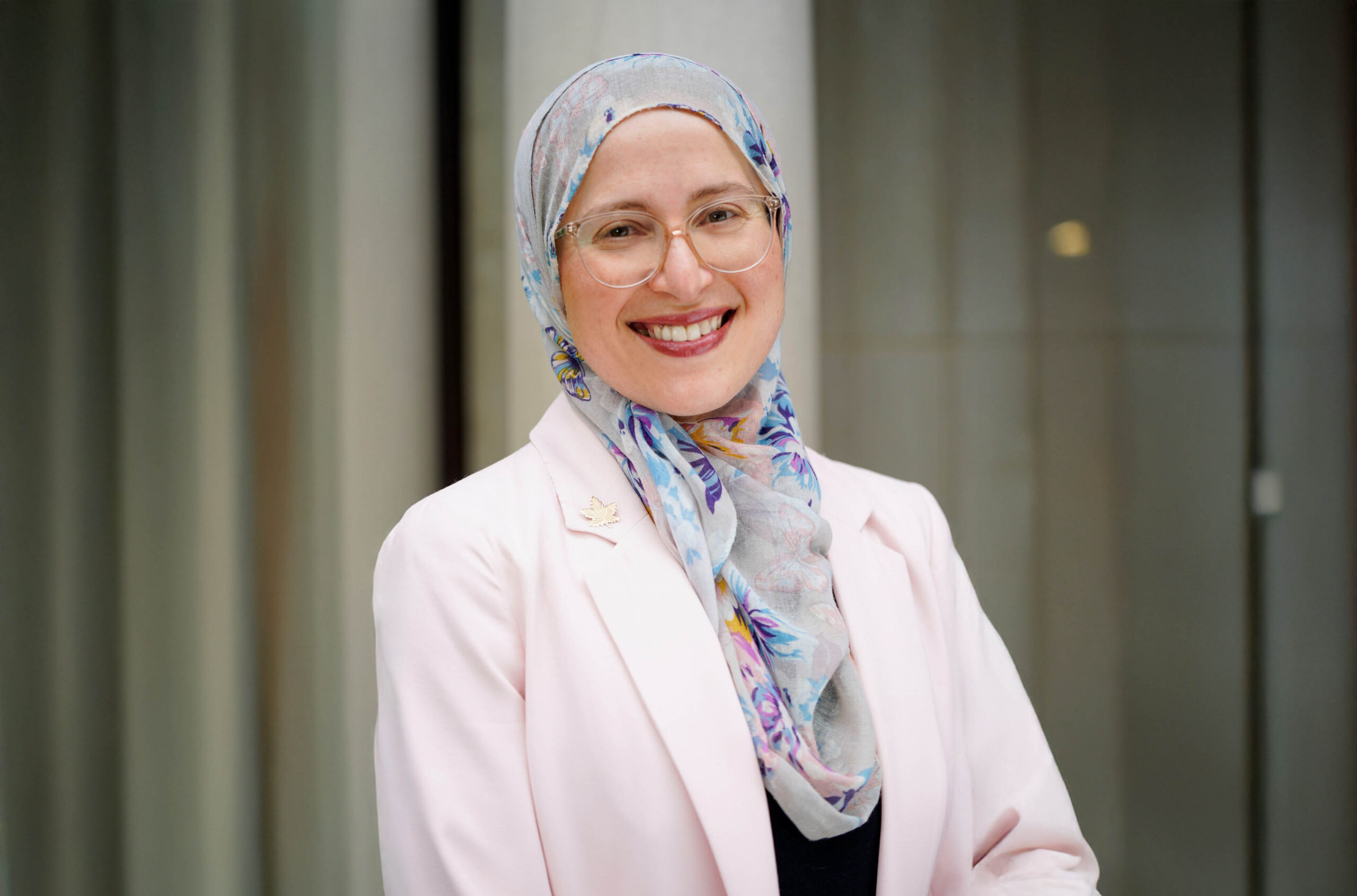
For the past three years, Amira Elghawaby served as Canada’s special representative on combating Islamophobia. The role was created to provide a champion, advisor and expert to the government of Canada. It was discontinued Feb. 4, along with that of a special envoy on combatting anti-semitism, in favour of a new federal advisory council on rights, equality and inclusion. Ms. Elghawaby spoke with University Affairs about the experiences of Muslim students on Canadian university campuses and the role of university administrations in religious accommodations.
Q: From your perspective, what does meaningful institutional support for Muslim students look like in Canadian universities?
It’s important to note that many universities already provide religious accommodations to their students, staff and faculty, and this is in line with human rights codes that require reasonable accommodation to the point that it does not reach undue hardship [for the institution]. This is a valuable part of living in a pluralistic country like Canada, where our institutions are meant to create space for everyone to fully participate; for students, staff and faculty to continue to have a full experience on university and college campuses, all while maintaining their faith and identity and being able to observe important occasions including Ramadan.
Q: Have you observed any shifts in the campus climate for Muslim students during your role?
When it comes to Ramadan, I’ve heard a lot of hopeful examples of how students themselves have been organizing iftars,breaking of the fast, not only for Muslim students, also inviting students from the broader campus. This happens at various universities that I’ve heard of, which is a beautiful spirit of sharing and giving. I think that speaks to the sense that universities and colleges are diverse, and having diversity adds so much to the richness of experiences of student life and faculty life.
While there have been challenges — certainly, for instance, there are oftentimes some concerns about the availability of space for prayer, amongst other issues, for example, scheduling of exams on Eid and those sorts of concerns that can come up from time to time — overall, there continues to be often open dialog with university administrations about the accommodation needs of their population.
Q: Do you think that some policies, including Quebec’s Bill 9 (which prohibits religious practices on university grounds) are affecting campuses?
What’s important for all of us as Canadians, is to recognize that as a democracy with a Charter of Rights and Freedoms in this country, religious freedoms, freedoms of equality and expression are cornerstones of what it means to live in a democratic society. It is very important for Canadians of all backgrounds, faith or no faith, to stand in solidarity with ensuring that these rights are respected and upheld, and certainly the violations of these rights that are happening, and are potentially going to happen, in parts of the country, including in Quebec, have been raised by communities as being a great concern, including university students who I’ve spoken to and who are very worried about the ability for themselves to be able to have their rights and freedoms respected and upheld. These should be concerns for all Canadians.
And I think it is very important that we recognize that Canada’s diverse tapestry requires accommodation, requires understanding and dialogue, and what is harmful to all of that is any effort to shut down people’s human rights.
Q: What advice would you give university administrators who want to create inclusive campuses?
In my former role as Special Representative on combating Islamophobia, our office did publish a Canadian guide on understanding and combating Islamophobia, which is meant to be a resource for everyone and anyone in any institution, including universities and colleges. I encourage administrators to review that resource and ensure that their offices on equity, diversity and inclusion are utilizing that resource. Ensuring that student voice is part of decision-making happening at universities, I think, is very important.
Q: Looking ahead, what changes would you like to see in Canadian higher education when it comes to religious inclusion, especially for Muslim students?
I think it’s important, generally, for all institutions to ensure that their members, regardless of their various characteristics, feel welcome, feel included. Ensuring that there are opportunities for dialogue to take place, for there to be understanding of potential barriers, and working together to overcome those barriers, to foster an atmosphere of inclusion. That does take commitment; it does take effort, and it’s something that should be central to the operations of universities, colleges and any institution that takes the well-being and success of their institutions very seriously.
Q: Is there anything else that you’d like to share or add?
I would say some universities and colleges have done an incredible job ensuring that there are prayer spaces available, that there are opportunities for students to make requests reasonably for what would help them feel accommodated, as well as for faculty and staff. And then there are other institutions that have work to do. So, as long as there is a spirit of working together, of listening, of sharing and making positive change, I think that will lead to very positive outcomes for everyone.
This interview has been edited for length and clarity.





Featured Jobs
- Director of the McGill University Division of Orthopedic Surgery and Director of the Division of Orthopedic Surgery, McGill University Health Centre (MUHC) McGill University
- Engineering - Assistant Professor, Teaching-Focused (Surface and Underground Mining)Queen's University
- Human Rights - Assistant Professor (Expertise in Peace & Conflict Studies, Socioeconomic Rights and/or Indigenous Rights)University of Winnipeg
- Human Rights - Assistant Professor (Expertise in Human Rights related to Artificial Intelligence and Digital Security)University of Winnipeg
- Canada Impact+ Research ChairInstitut national de la recherche scientifique (INRS)
More from News
-

Manitoba increases investment in post-secondary education, announces new commission in 2026 budget
Post-secondary institutions will receive $882.6 million in operating funding.
-
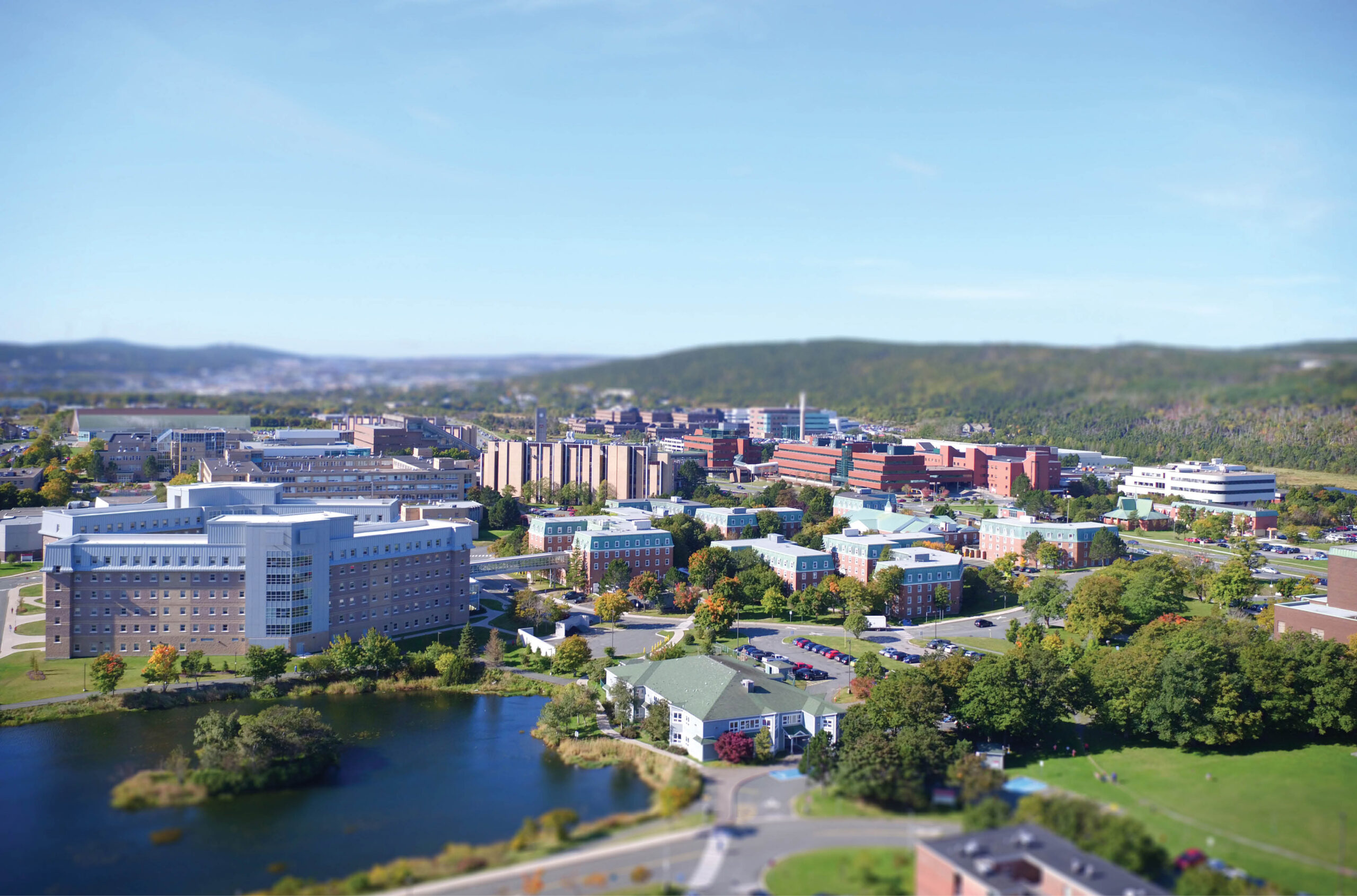
Program changes at Memorial raise concerns
Impact on faculty and students remains unclear amid decreased enrolment and financial challenges.
-
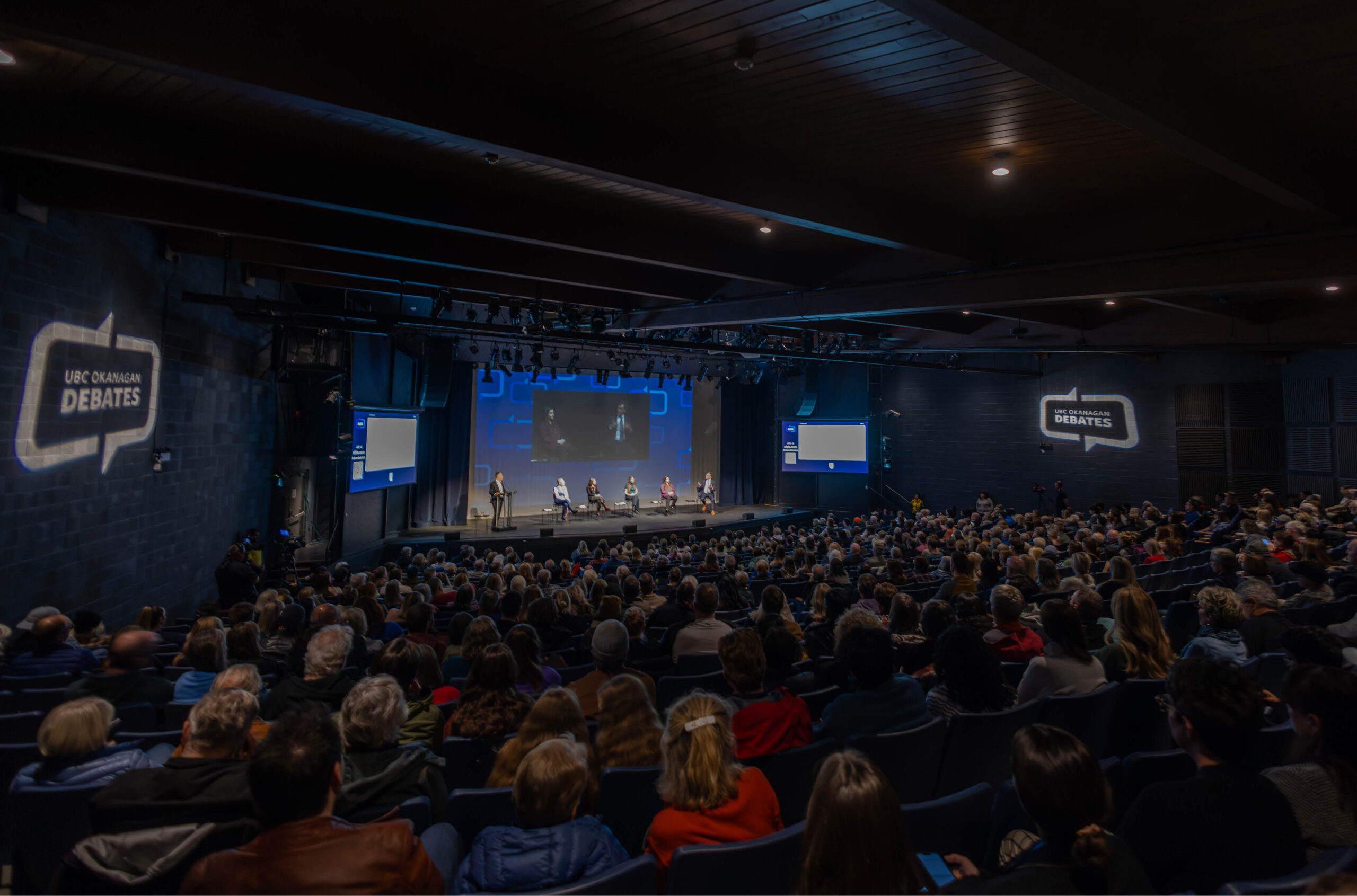
UBC leads the way on civil discourse
A successful debate series places universities at centre stage in ending polarization.
-
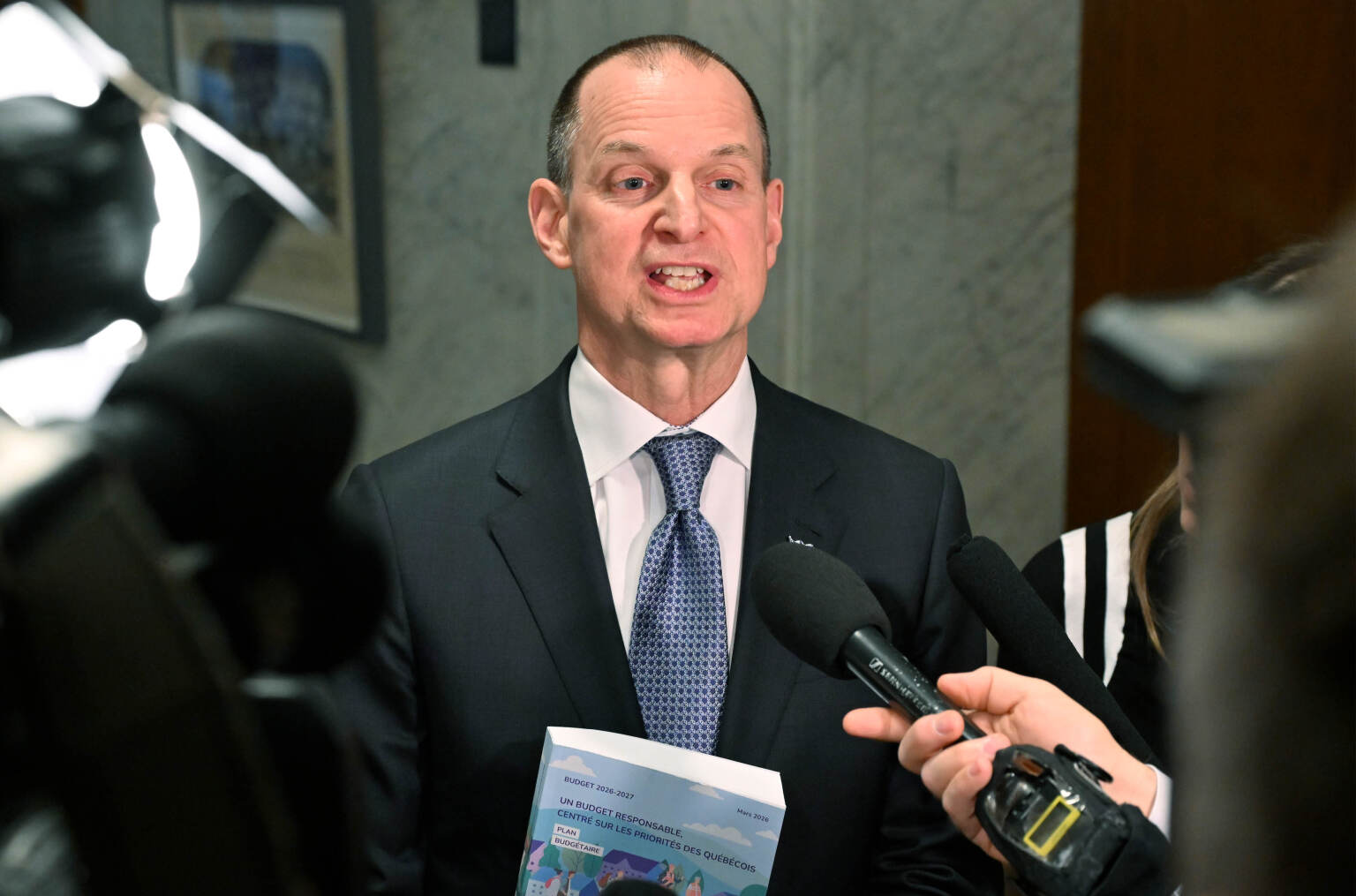
Quebec makes 5-year, $392M investment in universities to drive economic growth
With targeted investments in research and innovation, the provincial budget banks on universities to boost the economy — but fails to address structural underfunding.
More from Equity
-
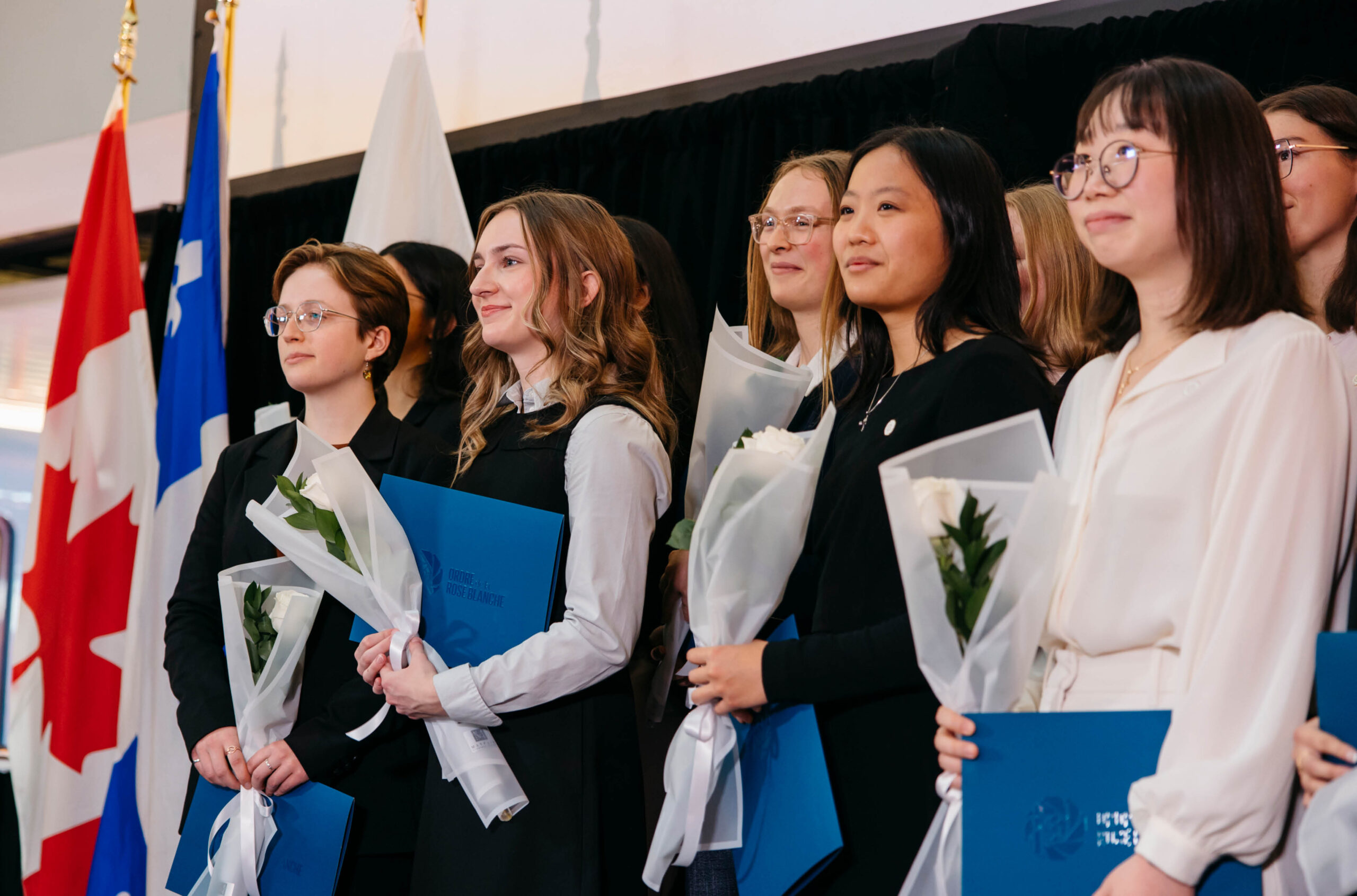
Fourteen women receive engineering scholarships in commemoration of 1989 Montreal massacre
Initiated by Polytechnique Montréal in 2014, the scholarship program has vastly expanded its support for female engineering students.
-

The Mintz Report is wrong on EDI
Demanding ‘institutional neutrality,’ Alberta’s report on the post-secondary system risks silencing equity.
-

The Scarborough Charter and addressing anti-Black racism among francophone postsecondary institutions in Quebec
Under the charter, Canadian postsecondary institutions pledge to establish frameworks to eliminate anti-Black racism from their campuses.
-

Inclusivity and our fundamental rights
Interference in research is putting academic freedom and open science in jeopardy.
More from Articles
-
Saskatchewan increases funding to universities, confirms multi-year agreement in 2026 budget
Universities will receive $33.6 million in operating funding in 2026-27.
-
New Brunswick effectively freezes post-secondary funding in 2026 budget
Universities given reprieve after cuts proposed earlier this month.
-
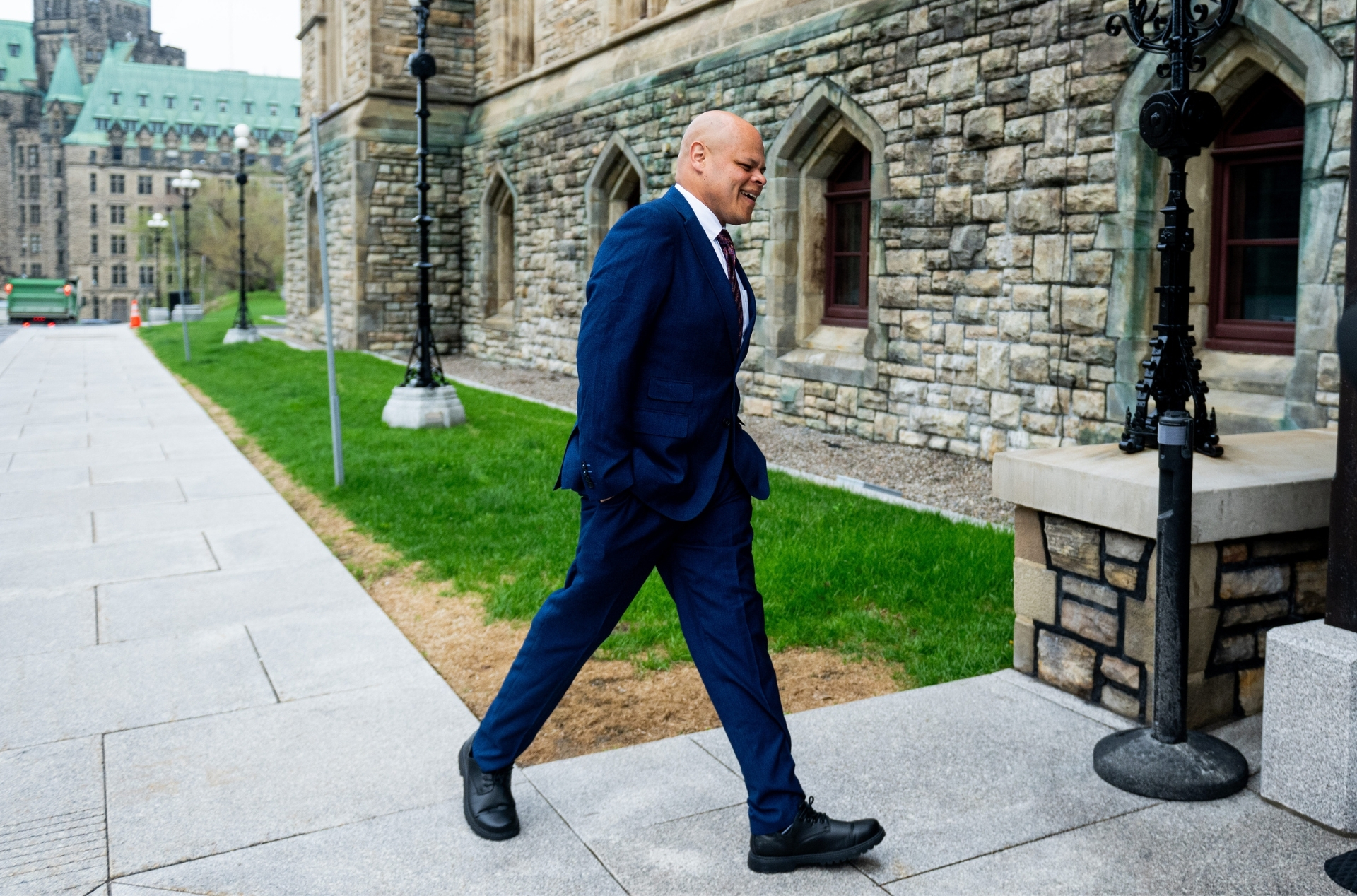
Conservative MP wraps up campus tour aiming to “Restore the North”
Modelled on the late American conservative firebrand Charlie Kirk, Jamil Jivani’s tour brought discussion of economics, immigration and identity to universities across Canada.
-

International students in limbo as Quebec cancels immigration pathway
Axing the Quebec Experience Program may discourage global talent from settling in the province.


Post a comment
University Affairs moderates all comments according to the following guidelines. If approved, comments generally appear within one business day. We may republish particularly insightful remarks in our print edition or elsewhere.