The year ahead in higher ed
A province-by-province overview of the issues on the horizon for 2026.

From international student permits to funding changes and legal challenges, the year ahead promises many developments in the university sector.
At the federal level, much government attention will focus on the international student program and research funding. A further reduction in international student permits is expected to come into effect in 2026, as announced in the recent federal budget. There are also two federal reports related to the international student program currently in the pipeline. One, being conducted by the Auditor General’s office, is examining whether Immigration, Refugees and Citizenship Canada is effectively implementing the reforms to the international student program announced in 2024. It is expected to be published this year.
The Standing Committee on Citizenship and Immigration is also doing a study of the international student program and study permits, focusing on identifying systemic issues and exploring long-term solutions. A release date for thatreport has not been confirmed.
The Canada Global Impact+ Research Talent Initiative, announced in December, will accept its first intake of applications for research chairs and emerging leaders in March, with results to be announced in June. The first phase of the Canada Impact+ Research Training Awards, which aims to recruit international or returning Canadian students and postdoctoral researchers to Canada, also has its first nomination deadline on March 4.
A study looking at equity, diversity and inclusion criteria in federal research funding by the Standing Committee on Science and Research is also in progress. A release date for that report has not been confirmed.
British Columbia reviews sector sustainability, rolls out new sexual violence regulations
An independent review of the sustainability of the province’s post-secondary education sector is being led by Don Avison, a former B.C. deputy minister and former board chair of Emily Carr University of Art + Design. The review was announced in late November and is expected to cover governance, operations, program delivery and financial sustainability. The report, including recommendations, is scheduled for delivery by March 15.
A new Sexual Violence Policy Act, which governs how public colleges and universities prevent and respond to sexual violence, received royal assent in late October. A date for when the law will come into force has not yet been announced. Until then, existing requirements under the Sexual Violence and Misconduct Policy Act remain in effect.
Prairie provinces face varied funding scenarios
In Alberta, the biggest question for post-secondary education is: Will the province implement the recommendations of the Expert Panel on Post-Secondary Institution Funding and Alberta’s Competitiveness? Known colloquially as the Mintz Report, it includes 11 recommendations, from a potential new funding framework to proposals on tuition, student aid and institutional autonomy. For some, the report has furthered concerns about implications for academic freedom and equity, diversity and inclusion initiatives. In a statement, Minister of Advanced Education Myles McDougal said that the department will review the panel’s recommendations in advance of budget deliberations before determining next steps.
Saskatchewan universities will see a new funding agreement come into effect on April 1. The four-year agreement includes three per cent increases to annual operating grants each year, which the government says representsapproximately $250 million in additional operating funding. It also lowers tuition increase limits to between zero and three per cent annually, from a former four-per-cent limit.
Manitoba’s NDP government has vowed to bring increased stability to the province’s post-secondary education sector; however, a recent update from the government shows that its projected deficit has more than doubled to $1.6 billion from the estimate in the 2025 budget. The government is expected to receive an increase in federal equalization payments and has committed to balancing the budget before the next election in October 2027. Manitoba’sbudget is typically released in the spring.
Ontario reviews funding formula, faces at least one legal challenge
Ontario’s Minister of Colleges, Universities, Research Excellence and Security Nolan Quinn said last year that he was reviewing how the government funds post-secondary education. The province has not indicated when any related changes will be announced; however, the minister did say that the current tuition freeze would stay in place through the 2026-27 academic year.
A Charter challenge against the Ontario government has been launched by the Laurentian University Faculty Association (LUFA) for allegedly interfering in its collective bargaining process. The challenge relates to a loan agreement between the provincial government and Laurentian University, which includes a clause limiting the possibility of bargaining the terms of the pension plan.
The province may face additional legal challenges in 2026, particularly related to the Supporting Children and Students Act (introduced as Bill 33). The new law, which includes merit-based admission requirements and possible government regulation of student fees, has faced criticism from multiple groups. Critics have indicated that they will wait to see how the government rolls out new regulations before deciding on a course of action.
Quebec secures an agreement, more challenges on the horizon
After a tumultuous fall for Quebec doctors and the government, including a six-week work stoppage by teaching physicians, it appears that an agreement has been reached on Bill 2. The implementation of the new law, which details doctor’s compensation, has been delayed to February 28 to make the agreed changes.
The Confederation of Faculty Associations of McGill (COFAM), which represents more than 500 academics in the school of continuing studies and faculties of arts, education and law, launched a challenge to the Quebec government’s Bill 89 last summer. COFAM argues that the bill, which became law on November 30, 2025, violates the constitutional right to strike. Five other major unions have also filed a lawsuit in Quebec Superior Court. A court date has not been set for the COFAM challenge, but Richard Janda, a McGill law professor and spokesperson for COFAM, says that it is reasonable to expect that it will be in 2026. Evan Fox-Decent, president of the Association of McGill Professors of Law, says they anticipate a collaborative approach with the other unions going forward.
Atlantic Canada looks for a forward path as enrollment declines
Data collected by the Association of Atlantic Universities found that, since the international student cap was reduced in 2024, international student enrolments across Atlantic universities declined by 36 percent, while overall enrolments of domestic and international students declined 4.4 percent year-over-year.
In New Brunswick, where the province’s universities have said the international student cap has cost them more than $10 million in lost revenue, institutions will likely be looking to their provincial government for additional support on the next budget.
Following the passing of Bill 12, Nova Scotia’s controversial An Act Respecting Advanced Education and Research, the government signed bilateral funding agreements with the province’s 10 universities. As part of the agreements, institutions are required to undertake a review of their programs, ensuring “university programs meet current educational standards, respond to labour market demands and are economically viable.” The Act also empowers the province to appoint up to 50 per cent of a university board, gives the government the discretion to determine research priorities for Research Nova Scotia, and opens up the possibility of withholding funding from universities the minister deems to not be aligned with the “social and economic priorities of the government”. As of last summer, almost all Nova Scotia universities were running a deficit. Universities are required to submit the results to the Minister of Advanced Education by October 15.
In Prince Edward Island, the province’s sole university, the University of Prince Edward Island, will enter year 3 of the UPEI Action Plan: Building a Culture of Trust, Safety, and Inclusion in 2026. Under the six-year plan, which followed a damning 2023 report on the institution’s workplace culture, a detailed annual implementation plan is typically released each spring.
Elected last October, Newfoundland’s new Progressive Conservative government had promised during the fall election campaign to immediately launch a review of tuition and fees at Memorial University, including the provincial student loans and grant programs, and to align new post-secondary education with future labour market needs. The Conservatives also promised to refund tuition fees to students who graduate, work and live in the province. Further details and a timeline have not been provided.
Far North
After the abrupt departure of Yukon University’s president, Lesley Brown, in November, the university is expected to be looking for a new president in the coming year. In the meantime, Dr. Shelagh Rowles, provost and vice-president academic has been appointed interim president and vice-chancellor.
The Government of the Northwest Territories has committed to continuing efforts to support Aurora College in transforming into a polytechnic university. Originally scheduled for 2025, the transition was delayed due to funding issues. A mandate agreement signed last year between the government and Auroa College identifies 2027 as the target for its launch.
Inuit Tapiriit Kanatami will continue to work to establish Inuit Nunangat University through 2026. ITK unveiled plans for the university in 2024, and the federal government announced a commitment to support the university in the fall budget. The year ahead includes several key milestones, including infrastructure planning and academic planning. A location for the university has yet to be determined. ITK plans to welcome its first students in 2030.



Featured Jobs
- Physical Education - Probationary Tenure-Track PositionBrandon University
- Veterinary Medicine - Lecturer, Term (Large Animal Internal Medicine)University of Saskatchewan
- Engineering - Assistant Teaching Professor (Electrical, Electronics and Communications Engineering)Ontario Tech University
- Law - Assistant or Associate Professor (Law & Public Policy)Queen's University
- Health Sciences - (2) Postdoctoral Research Fellowships, 2-Year Term (Rare Dementia Support Canada)Nipissing University
More from News
-

Eight tips to sail through your science or engineering PhD
One-third of people who start a PhD don’t finish within 10 years. Don’t be one of them.
-

Navigating change at Memorial University
President Janet Morrison on her first year at the helm.
-

Nature and First Nations honoured at Trent University
New stewardship plan reconnects campus green space to Anishinaabe knowledge.
-

Ottawa must step up support for scientific research in French, advisory panel says.
Government-appointed panel calls for $40M annual fund, improved co-ordination, to capitalize on the scientific, economic and cultural potential of French-language research.
More from Policy
-

Science must become a pillar of Canadian foreign policy
With technological developments reshaping global governance, science cannot remain isolated from international relations.
-

Why has the Atlantic region been hit hardest by IRCC’s student visa cuts?
Reduced international student intake threatens local economies, workforce pipelines and long-term growth in less populous regions.
-
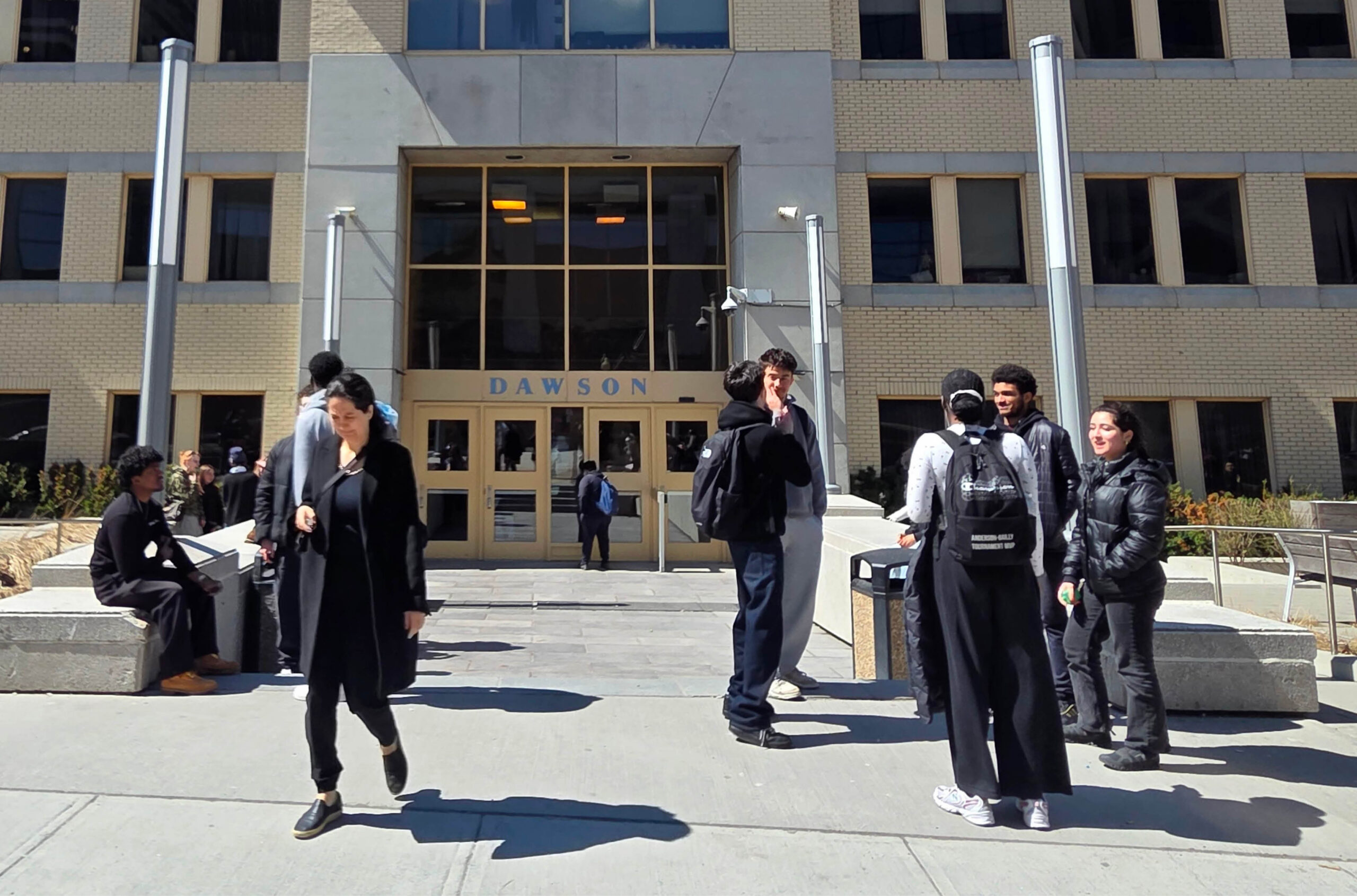
Montreal students, professors, protest Quebec’s Bill 9
Demonstrators to rally against law that restricts the wearing of religious symbols and forbids prayer rooms in higher education institutions.
-

Spring fiscal update boosts colleges, trades training
Universities also ‘want to be a big part’ of educating the new Canadian workforce, says UC president.
More from Articles
-

When colleagues become bullies
From public smearing and false rumours to intellectual property theft and exclusion, a Quebec study finds bullying is widespread among university faculty.
-

Funny you should say that
A scientific conference is no stand-up comedy club, but research shows a little humour can engage an audience.
-
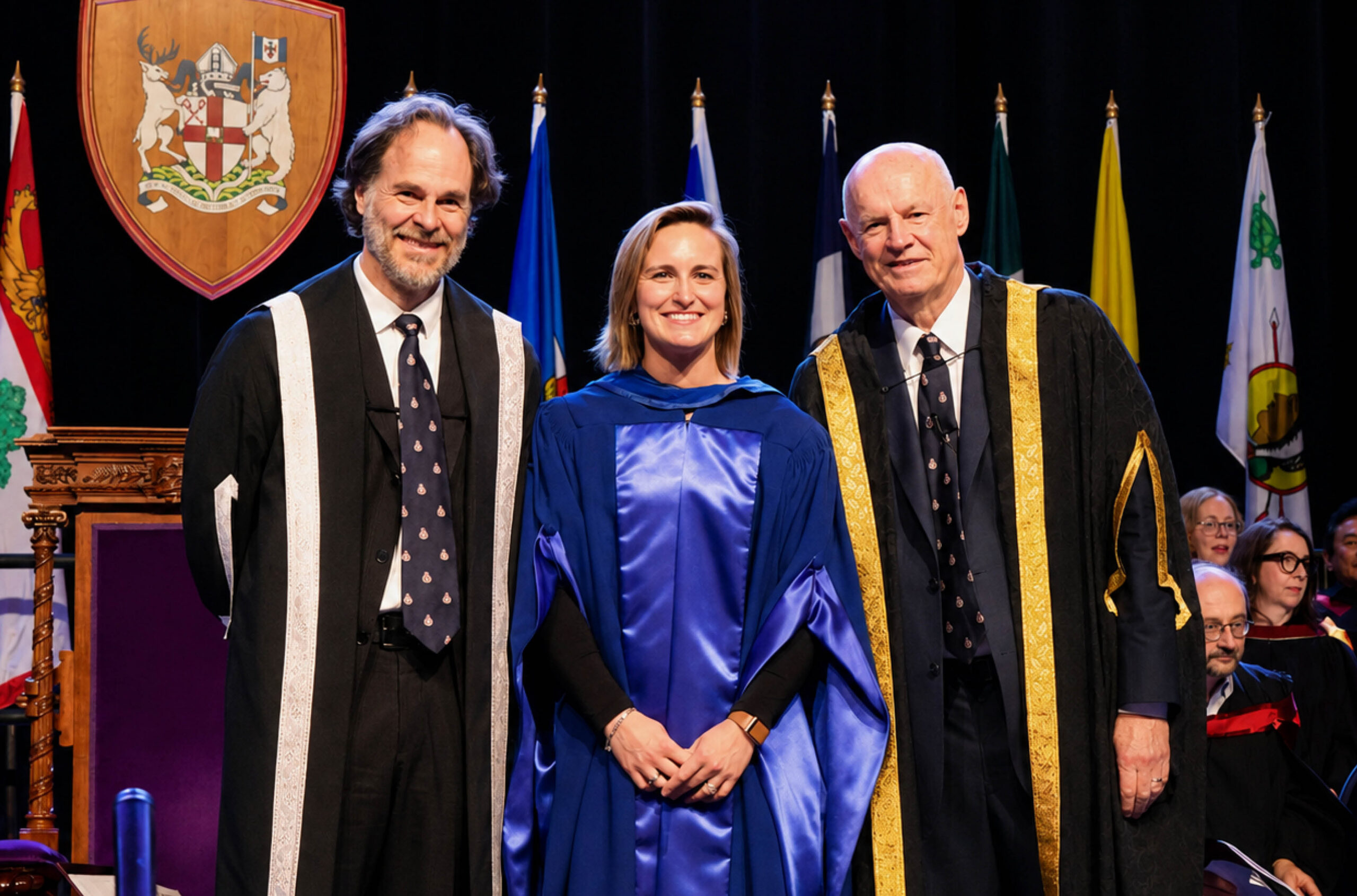
Graduates urged to lead with compassion
Highlights from this year’s inspiring spring convocation speeches across Canada.
-
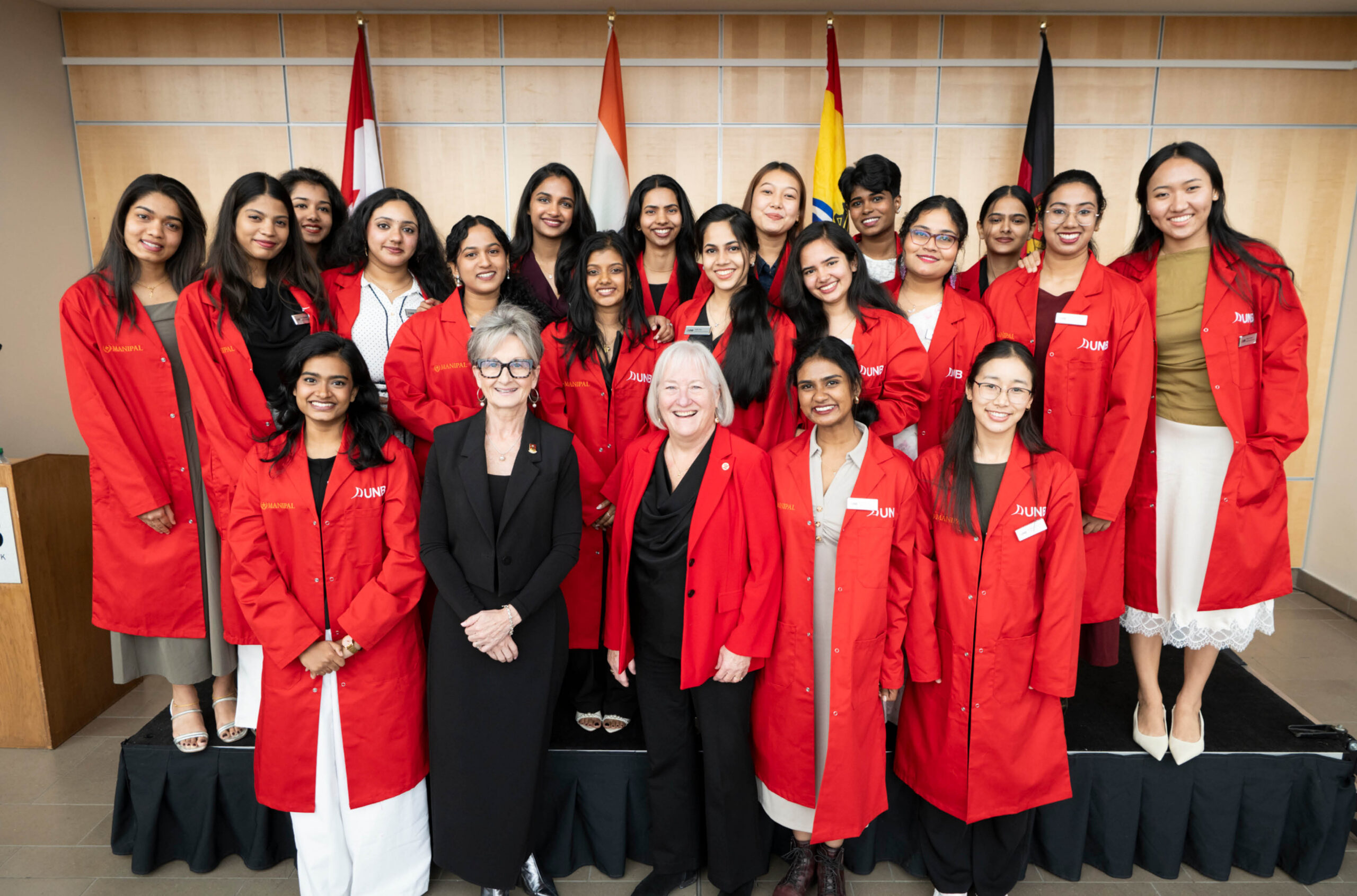
UNB educates Indian nurses to bolster province’s health care
Partnership with Manipal Academy of Higher Education brings Canadian component to international nursing education.

Post a comment
University Affairs moderates all comments according to the following guidelines. If approved, comments generally appear within one business day. We may republish particularly insightful remarks in our print edition or elsewhere.