Quebec launches network of reseach chairs in science diplomacy
Acting in the roles of diplomats and advisors, scientists can help solve pressing world problems, argues Quebec Chief Scientist Rémi Quirion.

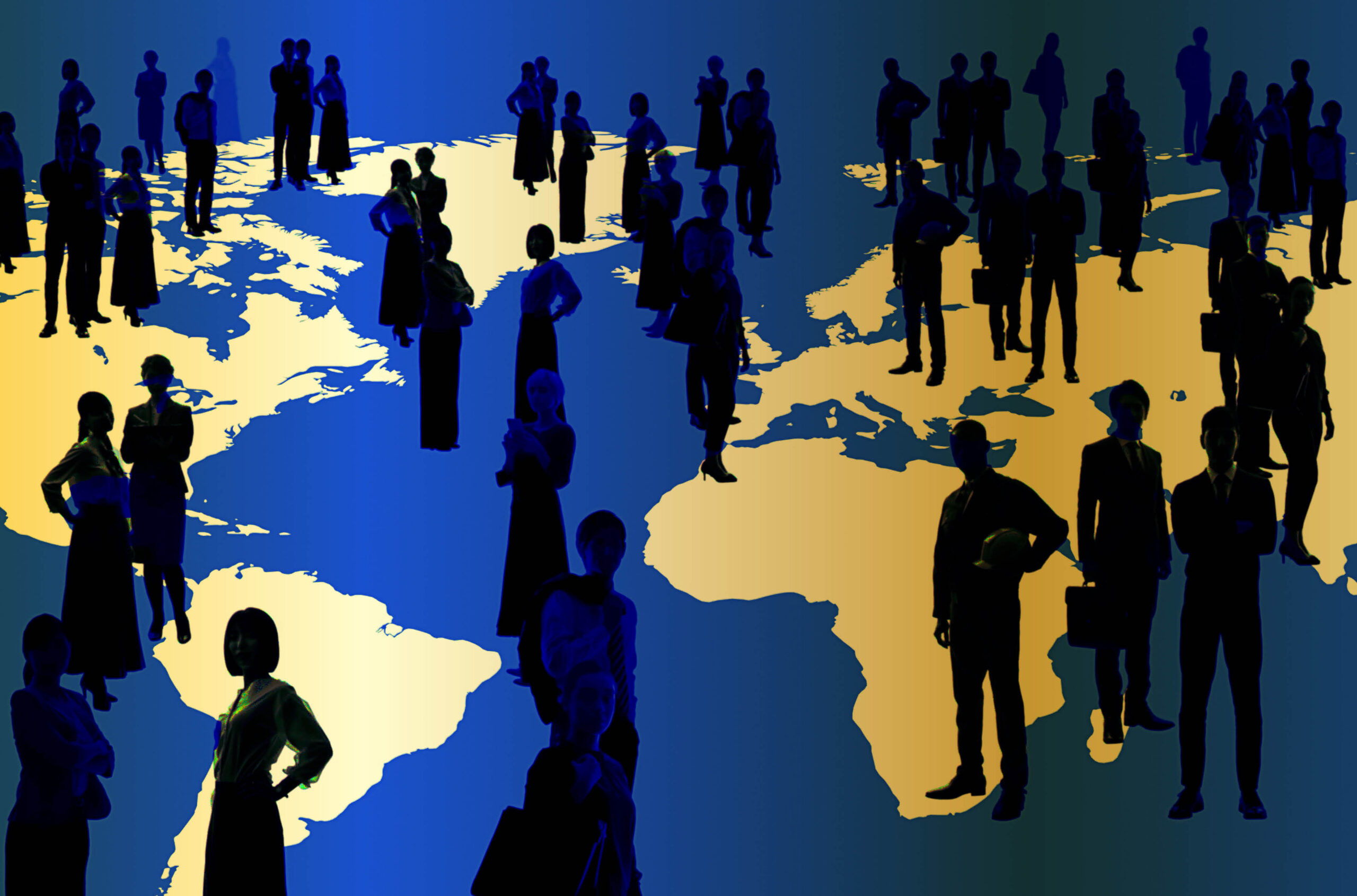
Recent geopolitical challenges, coming on the heels of the COVID-19 pandemic, have highlighted the need to build global capacity in science diplomacy and the provision of scientific advice to governments.
Recognizing the importance of this work, Quebec’s research funding agency, le Fonds de recherche du Québec (FRQ), along with the provincial Office of the Chief Scientist, recently launched a competitive process to create eight university research chairs focused on studying the various aspects and challenges of scientific diplomacy. This new network of science diplomacy chairs, one of the largest in the world, was officially launched in Montreal on Mar. 25.
Research on science diplomacy has gained momentum over the past twenty years. In addition to mitigating the disruptions caused by geopolitical events, science diplomacy addresses crucial global issues, including: the rapid development of artificial intelligence; climate change; global health; food insecurity; democratic crises; and global governance of emerging technologies. The science diplomacy chair program aims to strengthen Quebec’s leadership in this rapidly expanding field by creating a structure for innovative research programs and fostering collaboration, both locally and with partners around the world.
The research chair network builds on other recent FRQ initiatives, including programs to provide recent PhD graduates with experience in science advisory roles in local governments, provincial ministries, and in 15 diplomatic offices abroad. One of the authors of this article, Rémi Quirion, is the president of the International Network on Governmental Science Advice (INGSA), an organization partly funded by the government of Quebec and present in over 130 countries, primarily in the global south.
The table at the end of this article briefly summarizes the focus of each chair. The chairs are international in their core structure, since their proposed projects must receive international funding and bring together researchers and institutions from different countries. Furthermore, they are mandated to implement research programs that could not be carried out without international cooperation; to train the next generation of researchers and science diplomats; and to contribute to the transfer of knowledge to diplomats, policy makers and public agencies who can put that knowledge into effect.
The chairs will collaborate amongst themselves, ensure the effectiveness of the network, and commit to expanding it over time. It’s an ambitious project, and an exciting one.
Here are the just two of the many new chairs:
International Science Diplomacy Research Chair for Arctic and Space Cooperation
The International Science Diplomacy Research Chair for Arctic and Space Cooperation, led by Pooneh Maghoul at Polytechnique Montréal, offers a compelling model for how scientific expertise can inform governance in rapidly evolving disciplines.
The Chair advances a casedriven program that integrates scientific, legal, engineering, Indigenous, and diplomatic perspectives to address parallel geopolitical and environmental challenges in the northerncircumpolar regions and in outer space. It aims to cultivate a new generation of science techno-diplomats capable of dealing with climate disruptions, the proliferation of activities in outer space, infrastructure vulnerabilities, and the limitations of existing legal frameworks. At the core of this initiative is the creation of a scientific platform for cooperating in extreme environments, paired with training pathways that emphasize experiential, intercultural and Indigenousinformed engagement.
The program also seeks to shape emerging legal norms that govern resource use and infrastructure in both the Arctic and outer space. It is complemented by a robust training ecosystem that includes two flagship programs: the NextGeneration TechnoDiplomats Summer School and the LabtoPolicy initiative. Together, they enable trainees to bring together technology, predictions and policy to help create protocols, assessments and toolkits.
Chair on Science Diplomacy and Global Governance of Artificial Intelligence
The Chair on Science Diplomacy and Global Governance of Artificial Intelligence, led by Catherine Régis at the University of Montréal, proposes investigating how science diplomacy can be used as an innovative approach to AI governance, and how AI can help those involved in science diplomacy to achieve their objectives.
The Chair will produce knowledge that will concretely support the work of scientists, governments, diplomats, international organizations and others, by measures to help them achieve their objectives and by developing useful tools such as a dynamic map of global AIgovernance initiatives, policy briefs, and training programs on the appropriate use of AI in their activities.
To carry out its program, the Chair will rely on an international network of researchers with complementary expertise, including international law, international relations, AI, ethics, communication, economics, and data science. Its activities will also be linked with other initiatives such as the recently created United Nations advisory committee, UNESCO’s Global AI Ethics and Governance Observatory, and FRQ’s observatory on the societal impacts of AI (OBVIA).
With different approaches and research themes, as well as contributors from all continents, all eight science diplomacy chairs will contribute significantly to this rapidly changing field of research and action. The Office of the Chief Scientist and the FRQ will support them in ensuring they have the greatest impact possible, both individually and as an innovative network.
Table 1: The Eight Chairs of the Science Diplomacy Network
| Chair Title | Quebec University | Quebec Chairholder | Co-researchers’ Institutions |
| International Science Diplomacy Research Chair for Arctic and Space Cooperation | Polytechnique Montréal | Pooneh Maghoul | United Nations University – Institute for Water, Environment and Health, Université Paris Saclay, Science Diplomacy Center |
| Chair on Science diplomacy and Global Governance of Artificial Intelligence | Université de Montréal | Catherine Régis | HEC Montréal, Universidad de los Andes, University of Oxford, Umea University, Università di Bologna, Université de Genève, University of Cambridge – Jesus College, Université de Yaoundé 2, Université numérique Cheikh Hamidou Kane, Université d’Abomey-Calavi |
| Science diplomacy Chair in Fisheries Stock Dynamics and Management | Université du Québec à Rimouski | Dominique Robert | University of Tokyo |
| The Food Convergence Innovation Africa Network (FCI-Africa): An International Science Diplomacy Initiative for Food Security | McGill University | Ebenezer Kwofie | International Food Policy Research Institute, African Academy of Sciences, University of Pretoria, CSIR Science&Technology Policy Research Institute |
| Climate Science Diplomacy Research Chair: Knowledge, Technology and Governance | Université de Sherbrooke | Annie Chaloux | Université Laval, Université Grenoble Alpes, National Institute for Research in Digital Science and Technology (INRIA), Frontline Associates Training Center, Copticom |
| Science Diplomacy Research Chair on Inclusion in Early Childhood Education | Université du Québec à Trois-Rivières | Carmen Dionne | Universidad CES, Universidad del Rosario, Université Cheikh Anta Diop de Dakar |
| Research Chair in Science Diplomacy and Indigenous Knowledge Systems | Université du Québec en Abitibi-Témiscamingue | Hugo Asselin | Council for Scientific and Industrial Research |
| Science Diplomacy Research Chair | Université Laval | Anna-Lena Rüland | Sorbonne Université |





Featured Jobs
- Director of the McGill University Division of Orthopedic Surgery and Director of the Division of Orthopedic Surgery, McGill University Health Centre (MUHC) McGill University
- Canada Impact+ Research ChairInstitut national de la recherche scientifique (INRS)
More from Opinion
-

The Human Algorithm
As artificial intelligence reshapes the workplace, the most valuable skills aren't technical — they're fundamentally human.
-
The tyranny of the average
Driven by statistics, AI homogenizes humanity and devalues outliers.
-
Adopting AI is a social contract
Integrating artificial intelligence into our societies and personal lives binds us to certain futures and forecloses the possibility of others. Are we ready to accept the consequences?
-

Research VPs empower discovery
An impressive list of women are leading research at universities across the country.
More from Research
-

Federal science cuts may have ripple effect on universities
Departmental belt-tightening in Budget 2025 adds to a long history of government reductions in scientific research.
-

How to craft a strategic research statement
Identifying themes in your work history can help you move from a laundry-list to a compelling story.
-
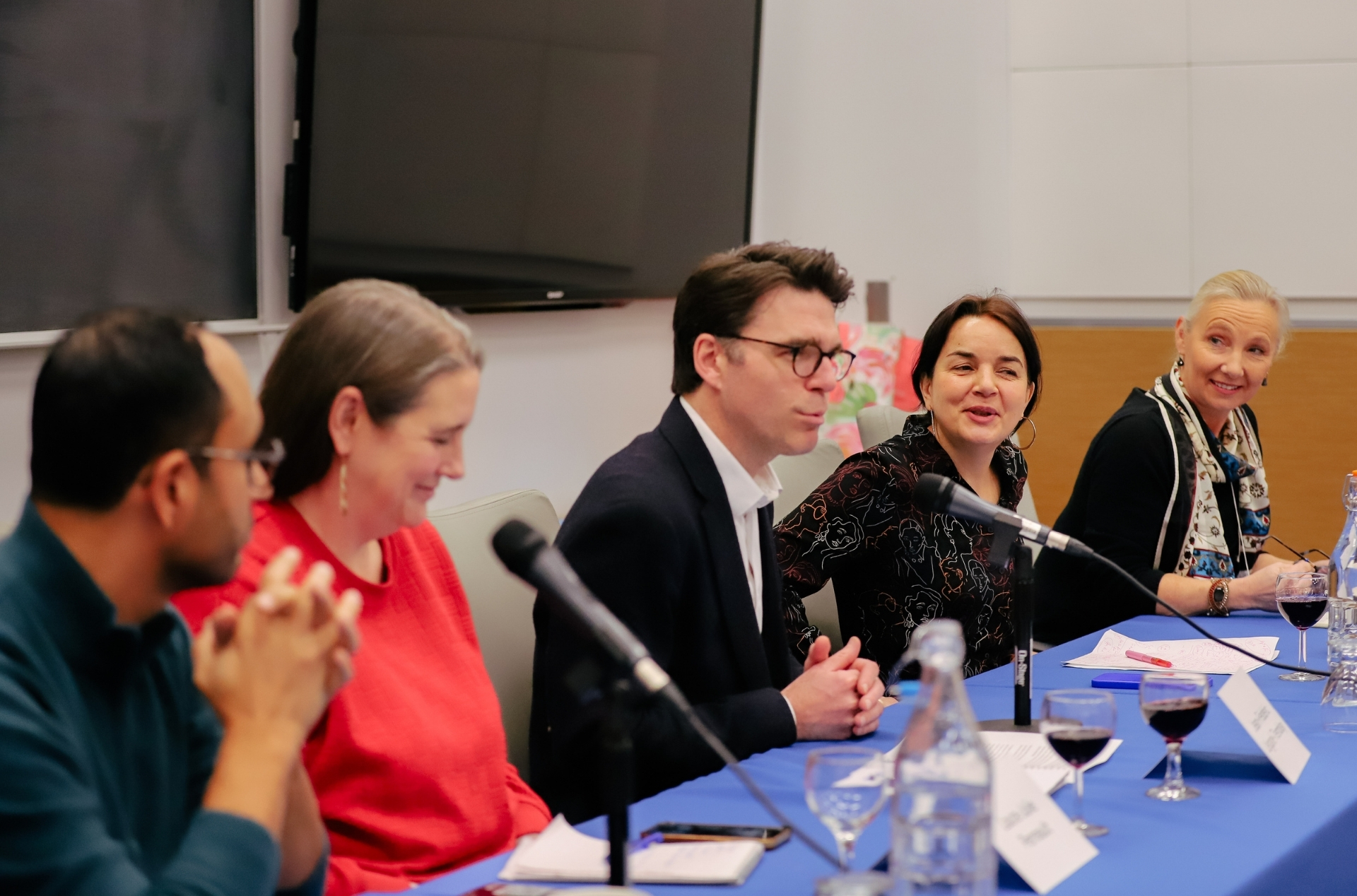
World events put academics and journalists under pressure
At a time when news is always breaking and disinformation is on the rise, a conference explores the precarious relationship between academia and the media.
-

AI bots push beauty stereotypes
U of T study finds image generators perpetuate idealized body types, facial features.
More from In My Opinion
-

GenAI is in — so why are we still burnt out?
Will generative artificial intelligence end up diminishing, or increasing, researchers' workloads?
-
Recalibrating Canadian universities to meet the Mark (Carney)
How university leadership can better support Canadian innovation and economic growth.
-
Diversity strengthens discovery
What Nobel Laureates reveal about diversity, discovery and societal impact.
-

Protecting online safe spaces
Reflections on a Zoom-bombing.


Post a comment
University Affairs moderates all comments according to the following guidelines. If approved, comments generally appear within one business day. We may republish particularly insightful remarks in our print edition or elsewhere.