-
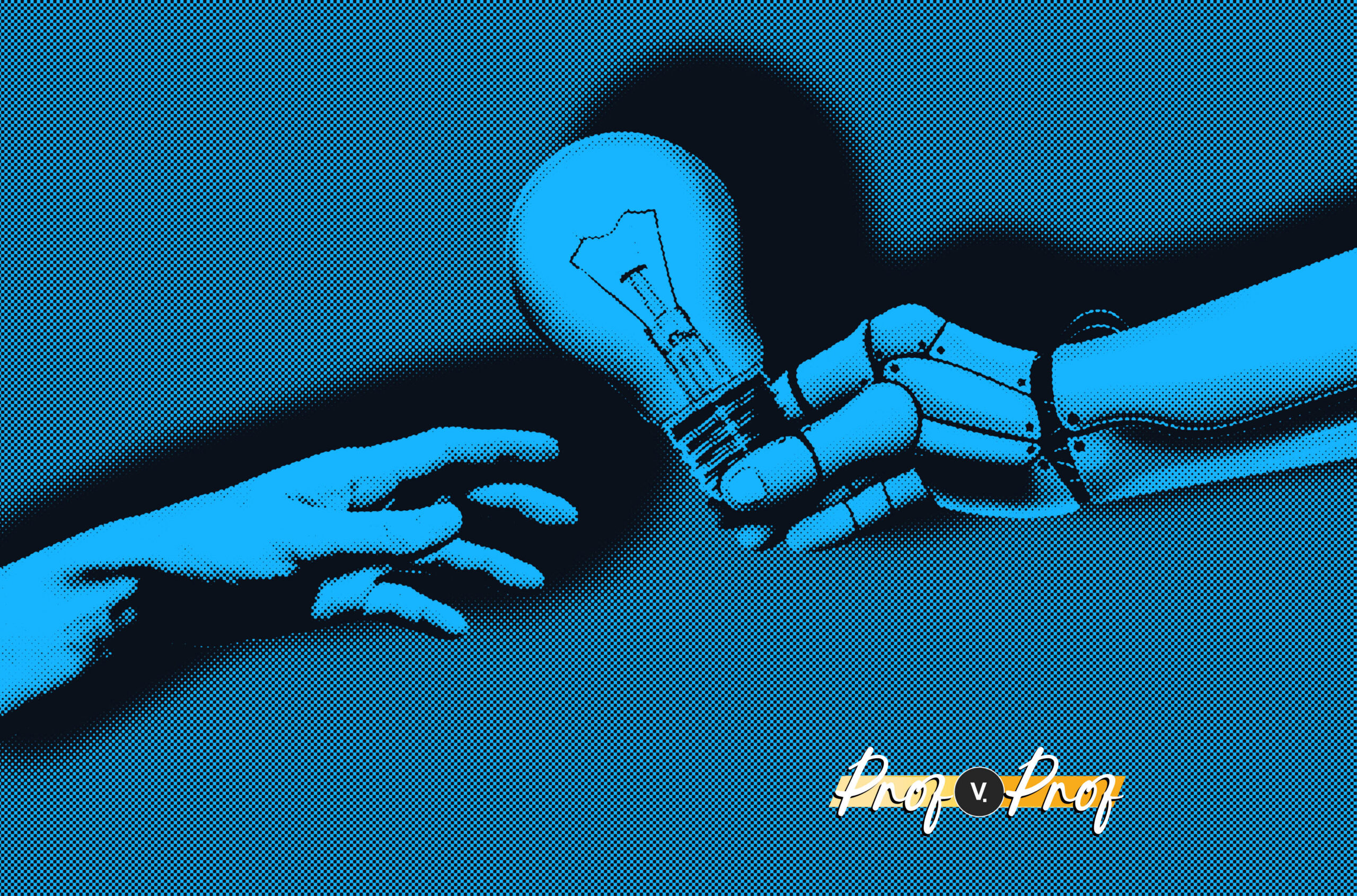
AI in universities: the case in favour
Joël Blit argues integrating AI into curricula and pedagogy can make universities more human, not less.
-
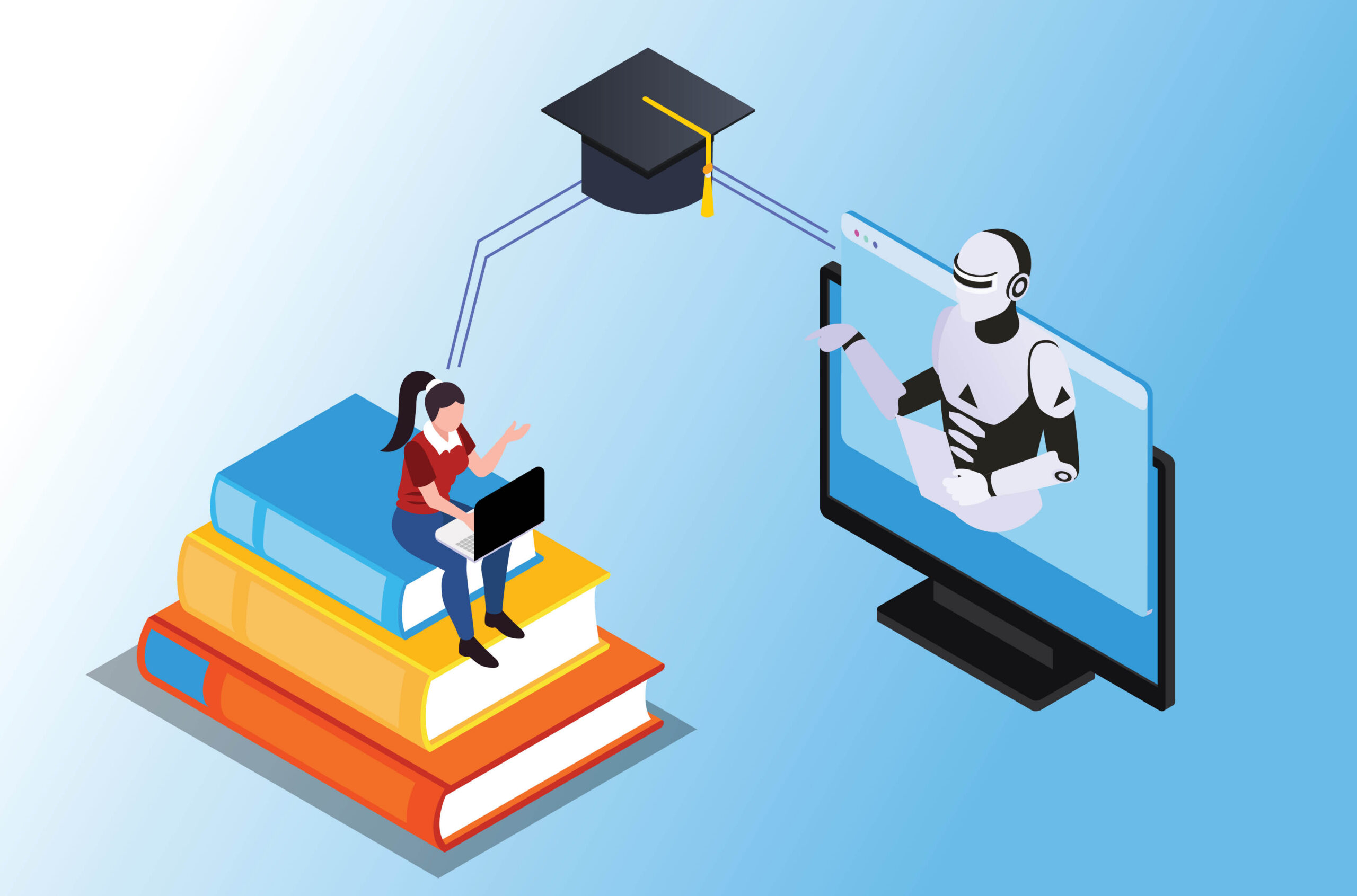
The race to reimagine higher education
How Canadian universities can lead the AI transformation.
-

New federal AI strategy emphasizes university research, training and commercialization
Expansion of Canada CIFAR AI Chairs signals ‘Canada really can be a leader.’
-
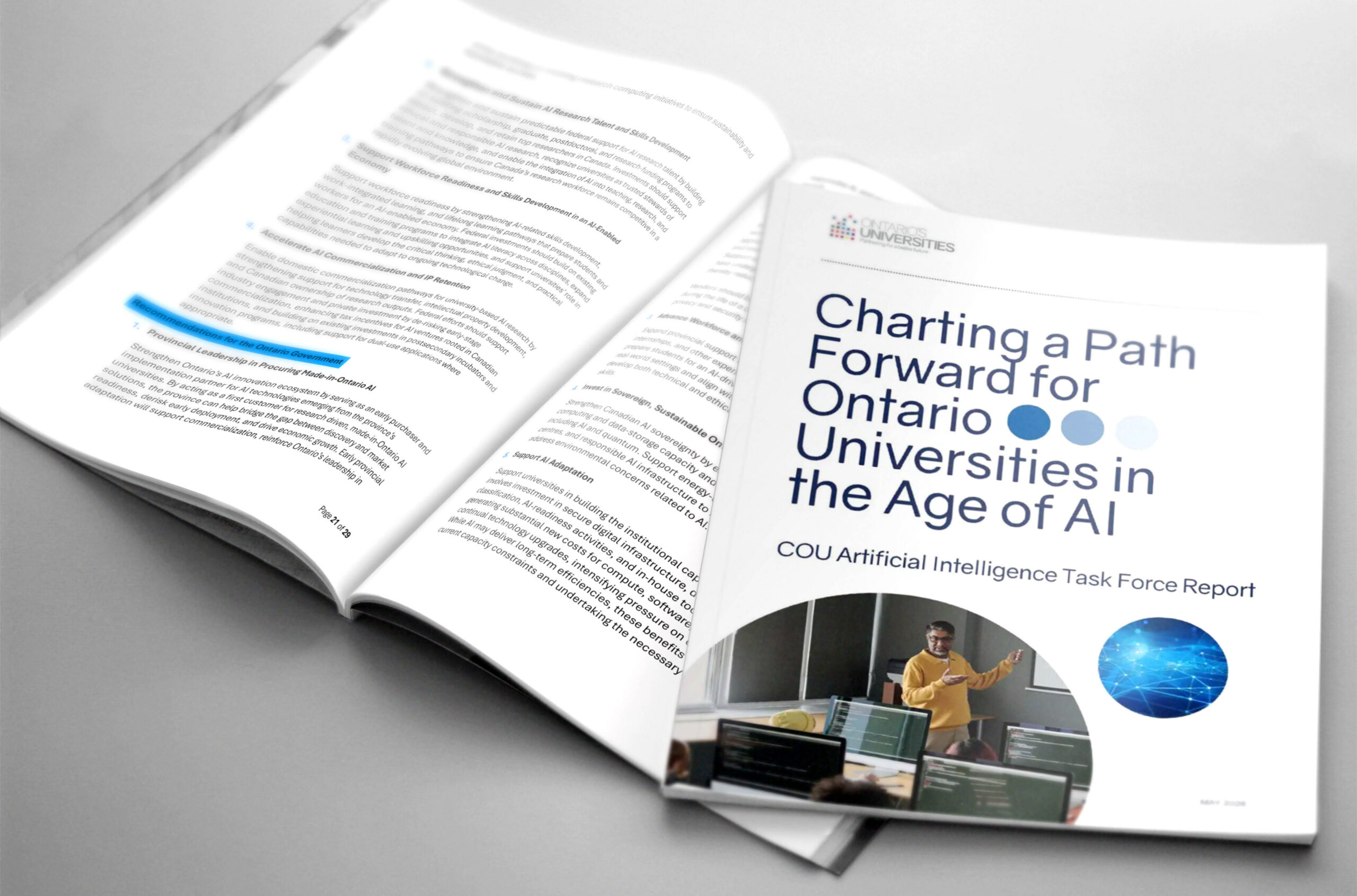
Universities urged to work together to ramp up AI adoption
COU report outlines AI’s risks to privacy, security, integrity, autonomy, copyright, and the environment, while advising institutions to responsibly embrace the technology.
-
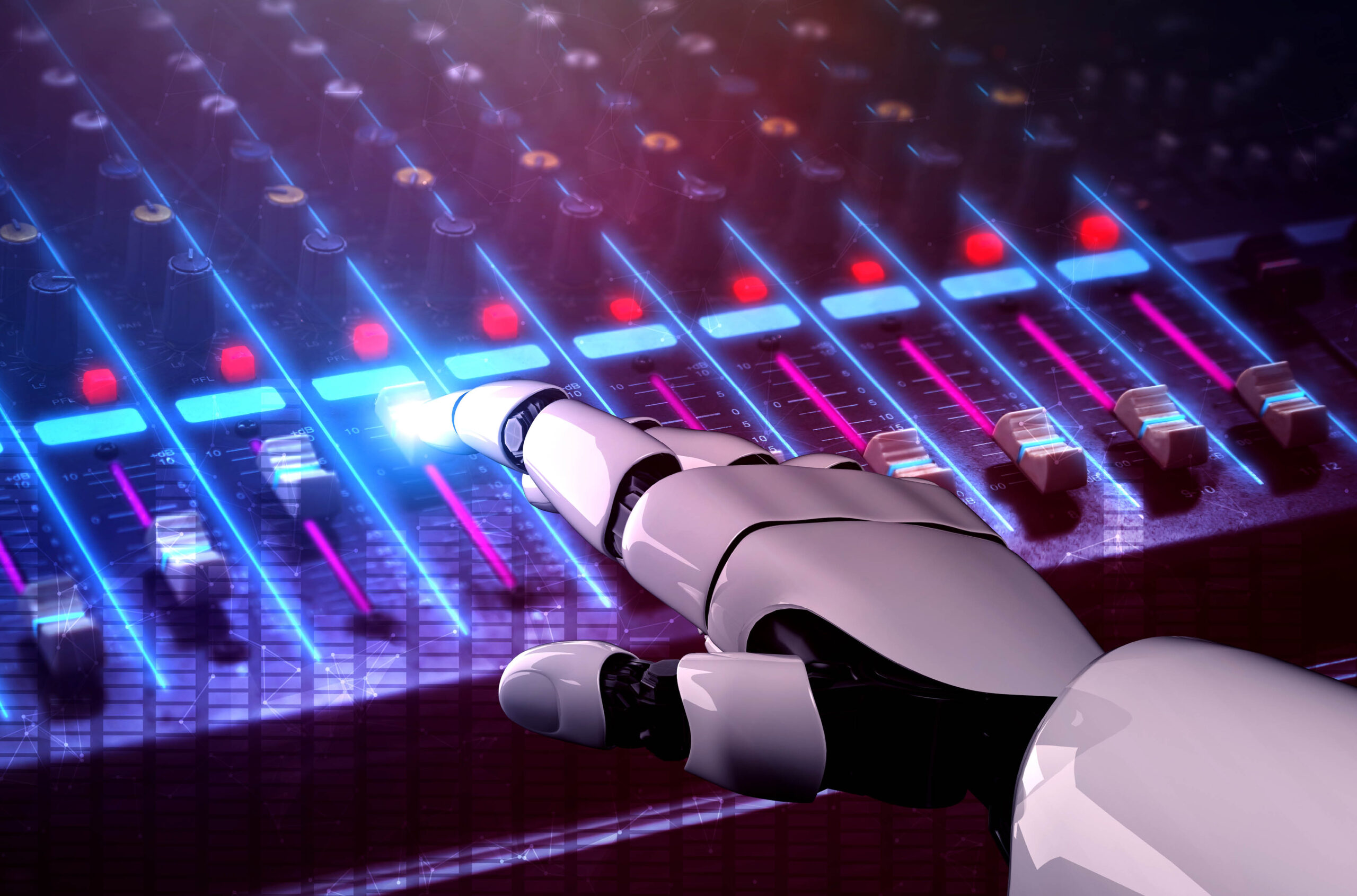
Leaders from the creative industries urge Parliament to act on foreign AI companies
‘Nearly every song ever written by a Canadian songwriter has already been scraped,’ says music industry witness.
-

Let’s keep the “human” in the humanities
The case for technology-free learning spaces.
-

Former Facebook VP champions Canadian digital sovereignty
CIFAR AI Chair Joelle Pineau believes ethics and the common good must guide technological development.
-

AI is transforming university teaching, but are we ready for it?
University instructors, leaders, and staff should all be involved in the AI discussion
-
California went big on AI in universities. Canada should go smart instead
Learning requires struggle, persistence, iteration and deep focus.
-
Focusing on GenAI detection is a no-win approach for instructors
As GenAI continues to evolve faster than the tools to detect it, capturing all student use of AI is nearly impossible.
-

Supporting students in the age of GenAI
Universities need to rethink student discipline when it comes to reinforcing academic integrity.
-
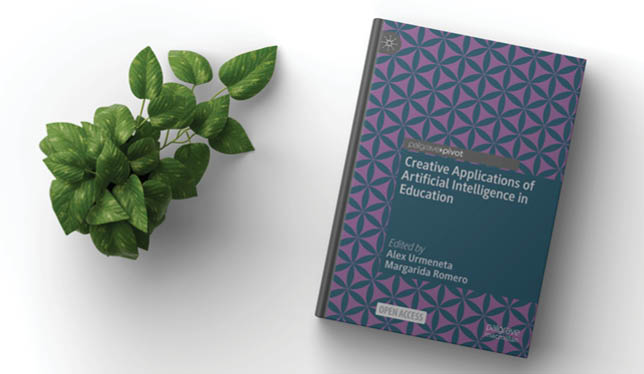
New AI-themed book focuses on the importance of preserving human agency
The authors advocate for a human-centred approach to the educational applications of AI.
-
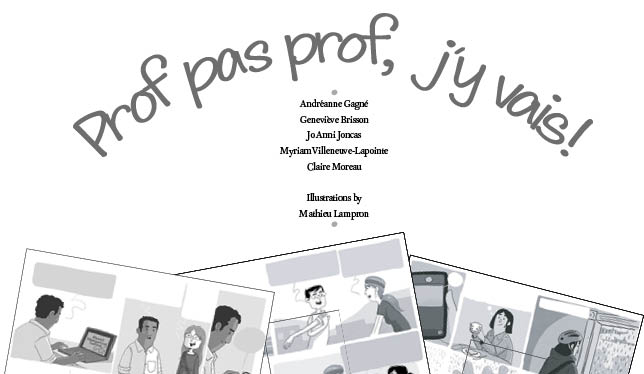
Prof pas prof, j’y vais: under AI’s spell
Shining a humorous light on some of the tasks that academics deal with on a regular basis.
-
Student-run AI clubs are filling a vital knowledge gap
How AI enthusiasts are disrupting linear learning.