-
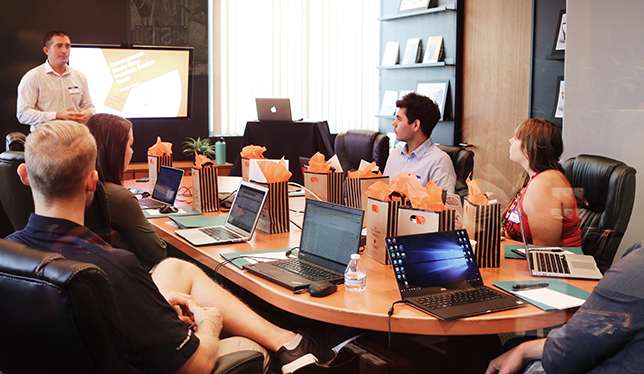
Aligning your brand and culture within your team
Once you know what type of brand you are aiming for, you can identify the values that your team should embrace.
-

The importance of educating scientists
Academic mentorship is a very important part of the education and training of scientists, but it comes with its own set of unique challenges.
-

The biggest driver of scientific advances: people
Many revolutionary advances in science can trace their origins to chance encounters between scientists from different areas of study that spark new ideas and thinking.
-
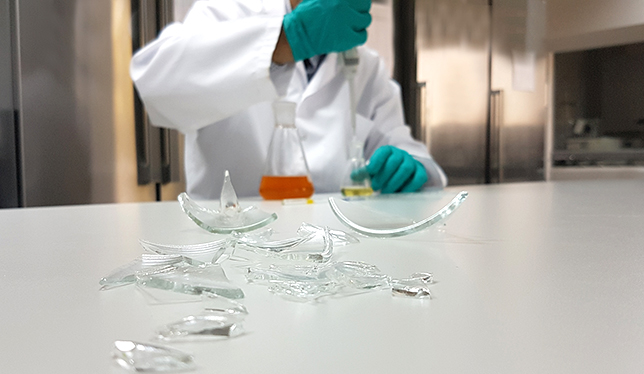
Paper raises concerns about the lack of research on academic lab safety
Gaps in reporting mishaps and inadequate data sharing between institutions leave universities vulnerable, the authors say.
-

What makes a great scientific advisory committee?
These committees review and provide input into scientific endeavors, but perhaps the merit of a project should also be assessed by how difficult it is to assemble this panel of experts.
-

We need to fix tech transfer at universities
Why should universities continue to own and profit from publicly funded work? If the public pays for it, why shouldn’t the public own it?
-

A resourcing model for translational research
How the Techna Institute’s team of professionals helps start-ups in Toronto by providing experts for secondment, in a cost-recovery model.
-

New approaches to breaking down barriers in academic science
Equal access to information, experiences and diverse viewpoints needs to be made available to the wider scientific community.
-

Tackling the biggest gaps in translational research funding
A guide to changing the institutional thinking of translational research programs.
-

You should hire an undergrad for your lab
Undergraduate colleagues make you a better researcher and teacher. Here’s how.
-

Checking in on what we’ve been writing about…
Our readers continue to favour articles on mental health in academic life.
-

Why follow-up funding is important for translational research
This recommendation was born out of the observation that discontinuity in funding leads to losing trained personnel and trainees through dismantling of collaborations.
-

Laboratory “retreats” – strategies for young group leaders
Taking time out to ask why we do what we do in the way that we do it is really important.
-

The relationship between science and society under the microscope
Quebec’s chief scientist, Rémi Quirion, talks about the effect of knowledge on society and his role as a “cheerleader” for research.