-

When misconduct disappears into university bureaucracy
Universities have procedures for misconduct, but too often lack the governance structures needed to see the patterns that emerge across sectors.
-

The Strengths Model
Quebec adopts a promising approach to promoting mental health in higher education.
-
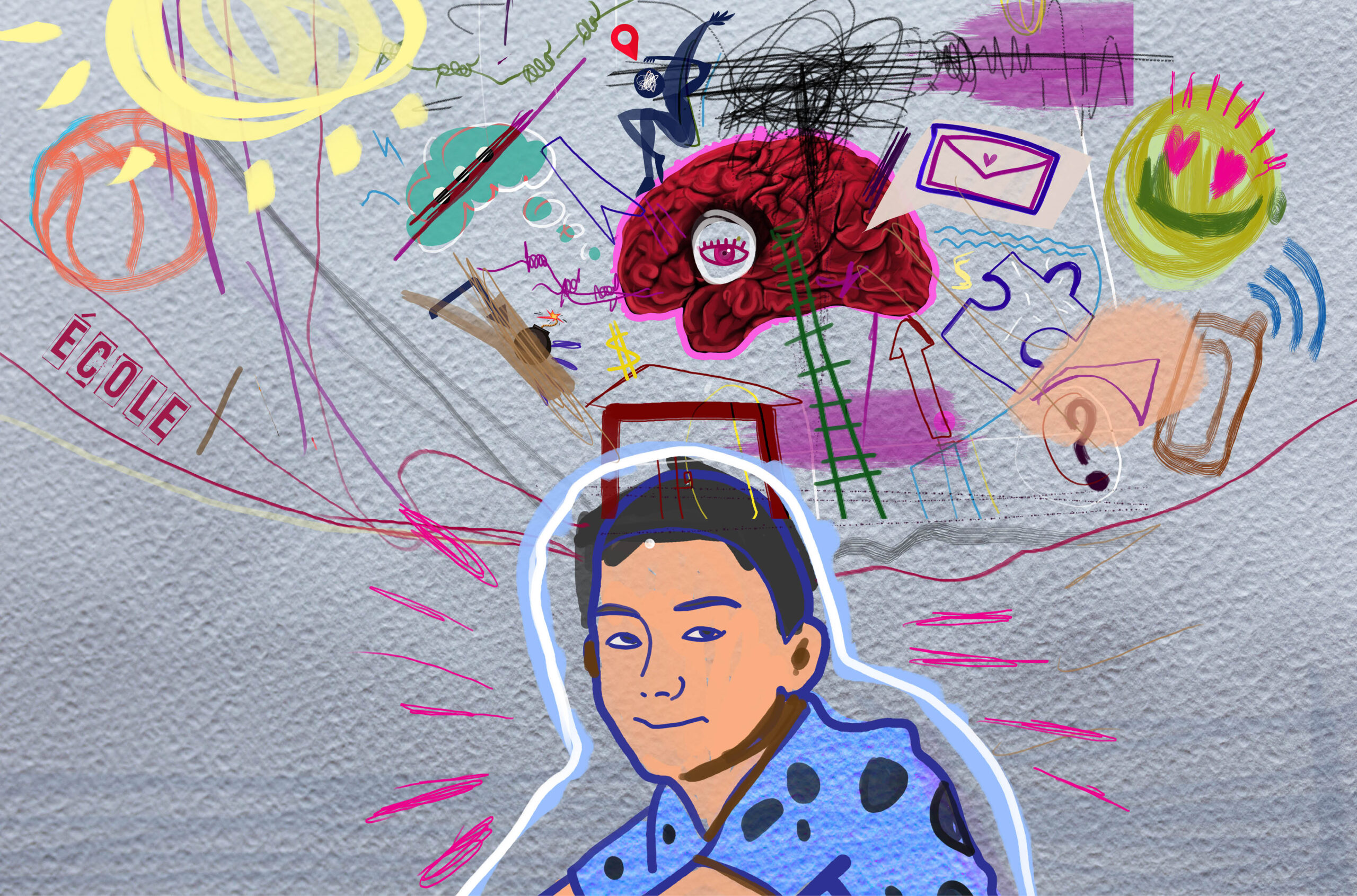
Collectively mobilizing around student mental health: a constantly evolving imperative
In Quebec, student associations, universities, and the provincial government have come together to respond to the growing mental health challenges in higher education. Keep reading to find out how they’re taking action today.
-

Be more than a bystander
Community support can go a long way towards mitigating the damages caused by online harassment.
-

What the pandemic taught us: mental health is a necessary condition for learning
How a course on the science of learning evolved into the importance of mental health in academic skills development.
-

Student mental health in Quebec: $60M and an action plan
Everyone agrees on the need for an action plan on student mental health, but there are still concerns.
-

Universities taking different approaches to preparing mental health services for return to campus this fall
Some are fine-tuning existing programs while others are planning extensive online and on-campus health promotion campaigns.
-

How mental health services for students pivoted during COVID-19
Counsellors say the transition has been like 'building a plane mid-flight.'
-

Cape Breton University’s new medical advisory committee confronts barriers to student health and well-being
A group of CBU administrators and local physicians aim to improve access to health care at the provincial and municipal levels, while also improving health services on campus.
-
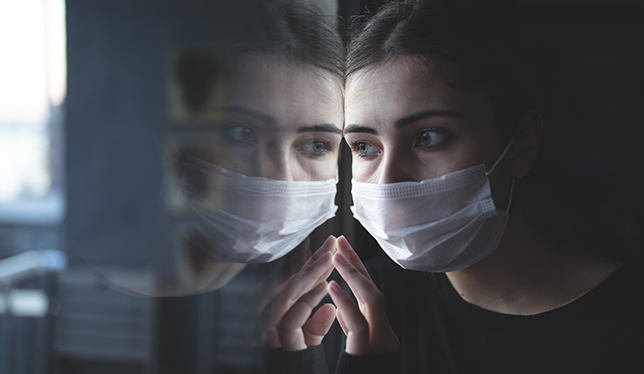
Respond, refer, report: how to sustain student mental health during the COVID-19 crisis
This model can be employed at any institution and can be used by instructors in their response to student requests for informal course accommodations.
-

Peer support is central to improving PhD student mental health
Guest writer Sarah Masefield explains why she created the "How to Thrive and Survive in your PhD" project to help postgraduate researchers connect and help one another.
-

10 ways to create a positive mental health environment at home
By making smarter choices for our spaces, quarantining for longer periods of time may become more manageable.
-
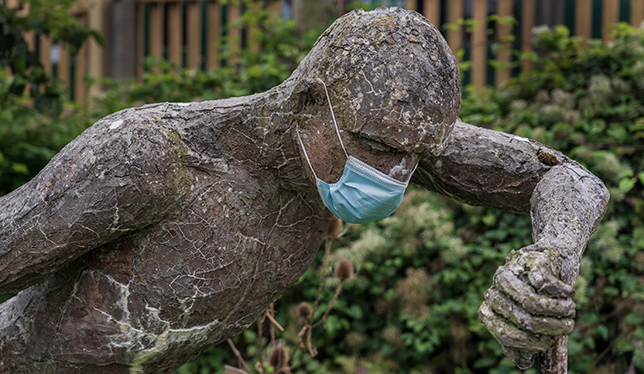
COVID-19 is hurting PhD students’ mental health
Here are three ways Canadian universities can do more to help.
-

New Canadian standard launched for the mental health of postsecondary students
The new standard is especially important for those suffering in the midst of a pandemic, say its adherents.