Attacks on higher education spread globally, including in liberal democracies, Scholars at Risk report finds
Canada urged to defend values amid erosion of institutional autonomy in the U.S.
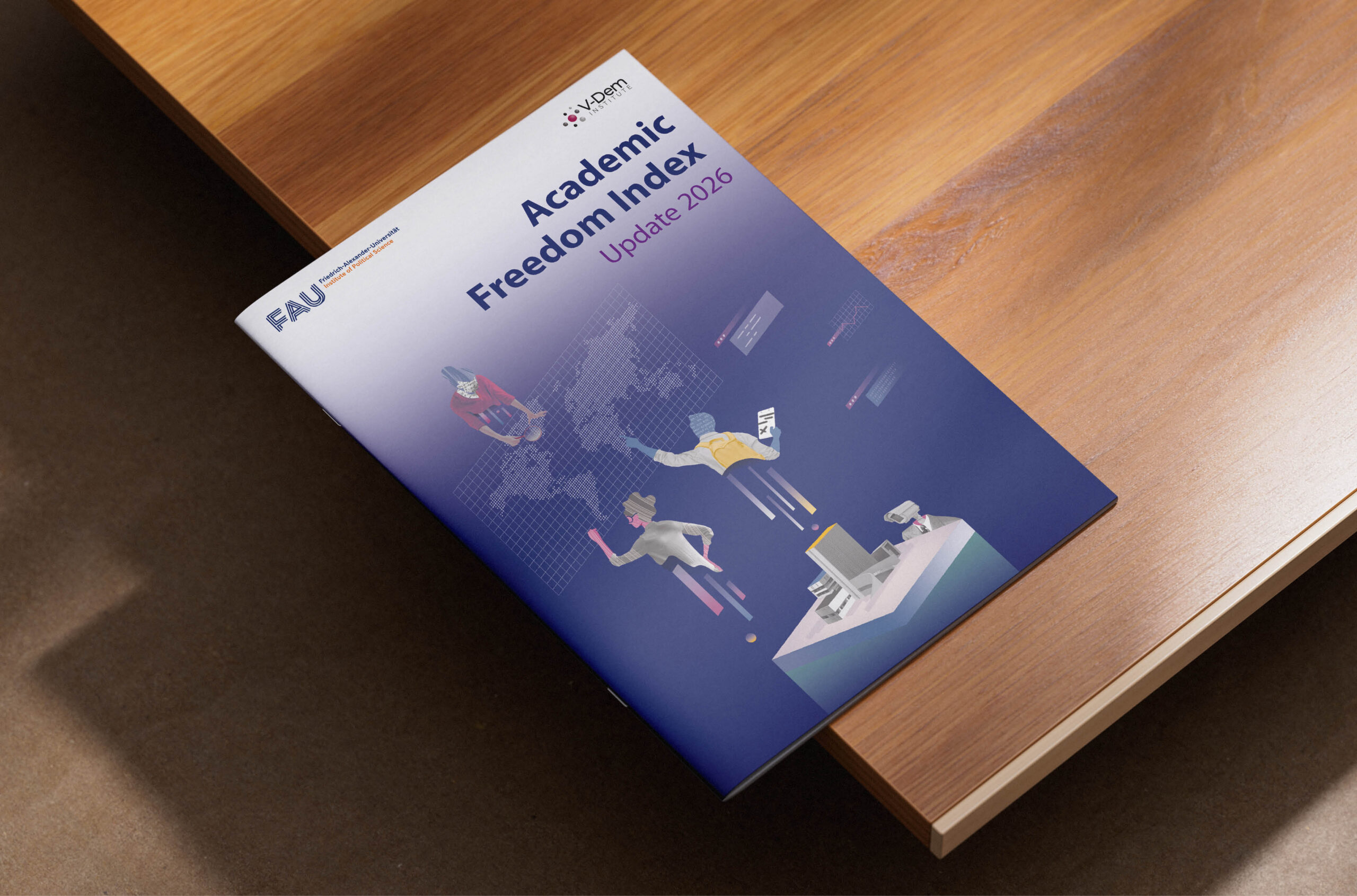
Academic freedom is increasingly under threat worldwide as governments use violent repression and interfere with university autonomy, a new report from Scholars at Risk (SAR) warns.
Free to Think 2026 identifies 382 attacks on higher education communities in 59 countries and territories between July 1, 2025, and June 30, 2026. The report points to government campaigns aimed at suppressing dissent and pressuring universities and their communities into political compliance.
The use of military force to suppress student protests in India, Bangladesh and Iran, among others, have led to “severe harm to scholars, students and staff,” while state authorities have conducted targeted assassinations of university leaders in Guatemala and Pakistan. Scholars have been wrongfully imprisoned in Russia and China while other countries, such as Afghanistan, have banned books and blacklisted entire institutions from operating within their borders.
Robert Quinn, SAR’s executive director, says the findings show that “attacks on higher education remain a global phenomenon, and they are spreading, as they have been over the last several years, including in previously safe places in a number of democracies.”
The report draws on data from the Academic Freedom Index (AFI), which found academic freedom declined significantly in 50 of the 170 countries analyzed over the past decade, while improving in only nine.
Institutional autonomy also significantly deteriorated. Twenty-one countries where it was strongly protected in 2015, particularly in Europe and North America, have since experienced significant declines – a pattern the AFI warns could indicate a “broader trend of declining university autonomy in liberal democratic countries.”
Forty of the 382 attacks documented by SAR occurred in the United States, where pressures on higher education have intensified under the second administration of President Donald Trump.
According to the AFI, institutional autonomy has declined steeply in the U.S. with the decline becoming “more rapid and pronounced” over the last year. AFI likens the trajectory to “autocratizing” states such as Hungary, India and Turkey. “The steep decline in the U.S. case, concentrated within a relatively short six-year period, shows how quickly political and administrative pressures can erode institutional autonomy,” according to the AFI.
United States
SAR specifies several actions by the U.S. federal and state governments that have driven the decline.
In October 2025, the administration announced its “Compact for Excellence in Higher Education,” which sought university commitment to the administration’s policial agenda in exchange for priority access to federal research funding.
In May 2026, the administration proposed rules through the Office of Management and Budget that would allow senior political appointees to overrule expert peer-review panels when awarding new research grants or terminating existing grants. International and undocumented students and scholars in the U.S. have also been subject to travel bans, visa cancellations and, in some cases, detention by immigration officials.
Mr. Quinn notes that these directives, while new to the U.S., have been employed by states across the world. “What’s unfortunate, is the U.S. is modelling them as if they’re perfectly normal policy choices,” he says.
Now that the U.S. can no longer be relied upon as a defender of academic freedom, Canadian and European leaders have a duty to “step up,” according to Mr. Quinn. “Academic freedom is far too important for us to leave its protection to vague statements of principles,” he says, “We have to accelerate legal protection and [training] for academic freedom and substantially increase dialogue with the public so that the public understands why this matters to them.”
Canadian considerations
The report includes an incident at the University of Guelph. On Nov. 25, 2025, the U of G cancelled the People’s Conference for Palestinian Solidarity, four days before the event, citing “new information” that led to security concerns.
“Based on this revised assessment, the university has made the decision not to proceed … in the interest of public safety and security.”
Organizers, however, say the university was not adequately transparent and demanded an apology from the institution. Mr. Quinn says that, while cancellation of an event is sometimes appropriate, without transparent communication, the institution gives “indicators of attempting to silence a particular kind of expression.”
Canada has long been regarded as a welcoming destination for international students and scholars fleeing repression, he says. But growing barriers to immigration and the country’s changing approach to international students risk undermining that reputation.
Mr. Quinn says Canada’s role is becoming increasingly important as traditional defenders of academic freedom retreat.
“For reasons similar to [the U.S.], it’s become much harder to welcome people into Canada,” Mr. Quinn says. “That’s ultimately the choice of the Canadian people. I hope people are also paying attention to that.”
For SAR, the choice extends beyond welcoming scholars at risk. It is also about whether governments and universities are willing to protect the independence and openness that allow higher education to serve the public.
As academic freedom comes under pressure in more countries, Mr. Quinn says liberal democracies can no longer assume those protections will endure without deliberate action.



Featured Jobs
- Movember Institute Discovery Research Program FellowshipsThe University of British Columbia
- Toldo Chair in Christian StudiesAssumption University
- Global Inequalities and Trade - Faculty PositionUniversité Laval
- Canada Impact+ Emerging Leader in Quantitative and AI-enabled Electron Microscopy for Quantum and Advanced MaterialsMcMaster University
- Director, Human Research Ethics & Strategic AdvisorUniversity of Manitoba
More from News
-
Feds announce $880 million for research
Funding will support both established health scientists and emerging cross-disciplinary researchers.
-
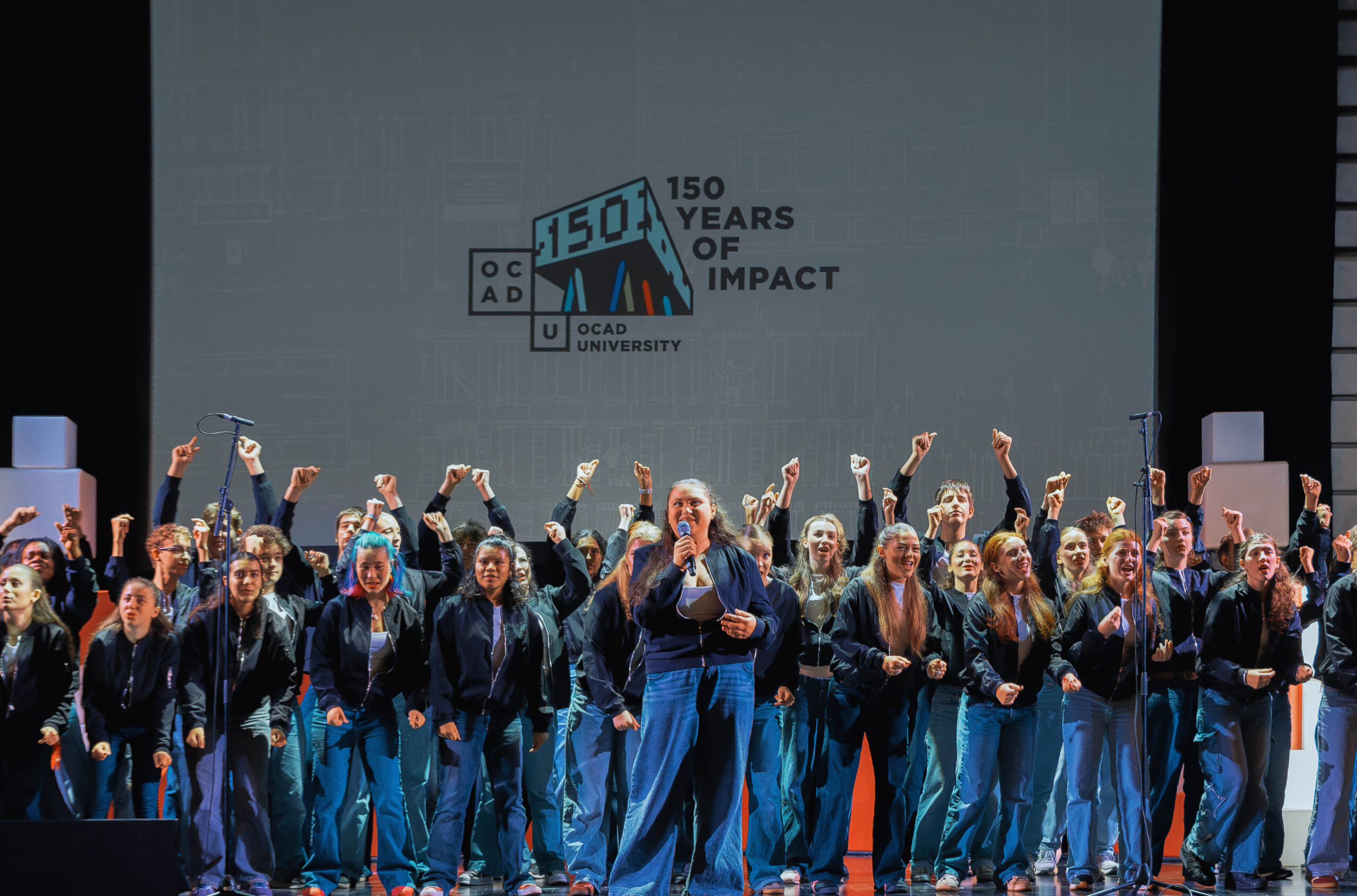
OCAD University celebrates 150 years of shaping Canadian culture
Art and design university launches $6-million campaign for 150 scholarships to mark 150th anniversary.
-

B.C. higher education: tweak or reform?
In the coming provincial election, parties offer different proposals for a system under strain.
-

Canada ‘muddling through’ without national research infrastructure strategy, panel finds
Expert report says fragmented governance and funding threaten Canada's research competitiveness and scientific sovereignty.
More from Academic freedom
-

Why Canadian academics shouldn’t boycott U.S. conferences
Show up in person and do good trouble instead.
-

It’s time to boycott U.S. conferences
As trade hostilities continue, we shouldn’t use taxpayers’ dollars to travel stateside.
-

Rebuilding Jewish students’ trust in universities
As students return to campus, discussions of the Middle East conflict deserve a scholarly, responsible and robust treatment that recognizes antisemitism in all its forms.
-

Institutional neutrality: the case against
Jennifer S. Simpson argues that universities must eschew neutrality to advance democracy, ethics and the public good.
More from Articles
-
Ottawa won’t restrict student visas from countries with high asylum-claim rates
India will help Canada ‘crack down’ on student program abuses, high commissioner says.
-

Students and seniors under the same roof
Intergenerational living helps with loneliness and the high cost of rent.
-

U Sports alum lace up for PWHL season
Canadian grads eager to show their mettle on women’s pro hockey teams.
-

The hidden problem of student homelessness
As high rents push more students into precarious housing, it's time to stop romanticizing the 'poor scholar'.


Post a comment
University Affairs moderates all comments according to the following guidelines. If approved, comments generally appear within one business day. We may republish particularly insightful remarks in our print edition or elsewhere.