-

Why has the Atlantic region been hit hardest by IRCC’s student visa cuts?
Reduced international student intake threatens local economies, workforce pipelines and long-term growth in less populous regions.
-

The year ahead in higher ed
A province-by-province overview of the issues on the horizon for 2026.
-

Responding to the global displacement crisis
A role for Canadian universities?
-
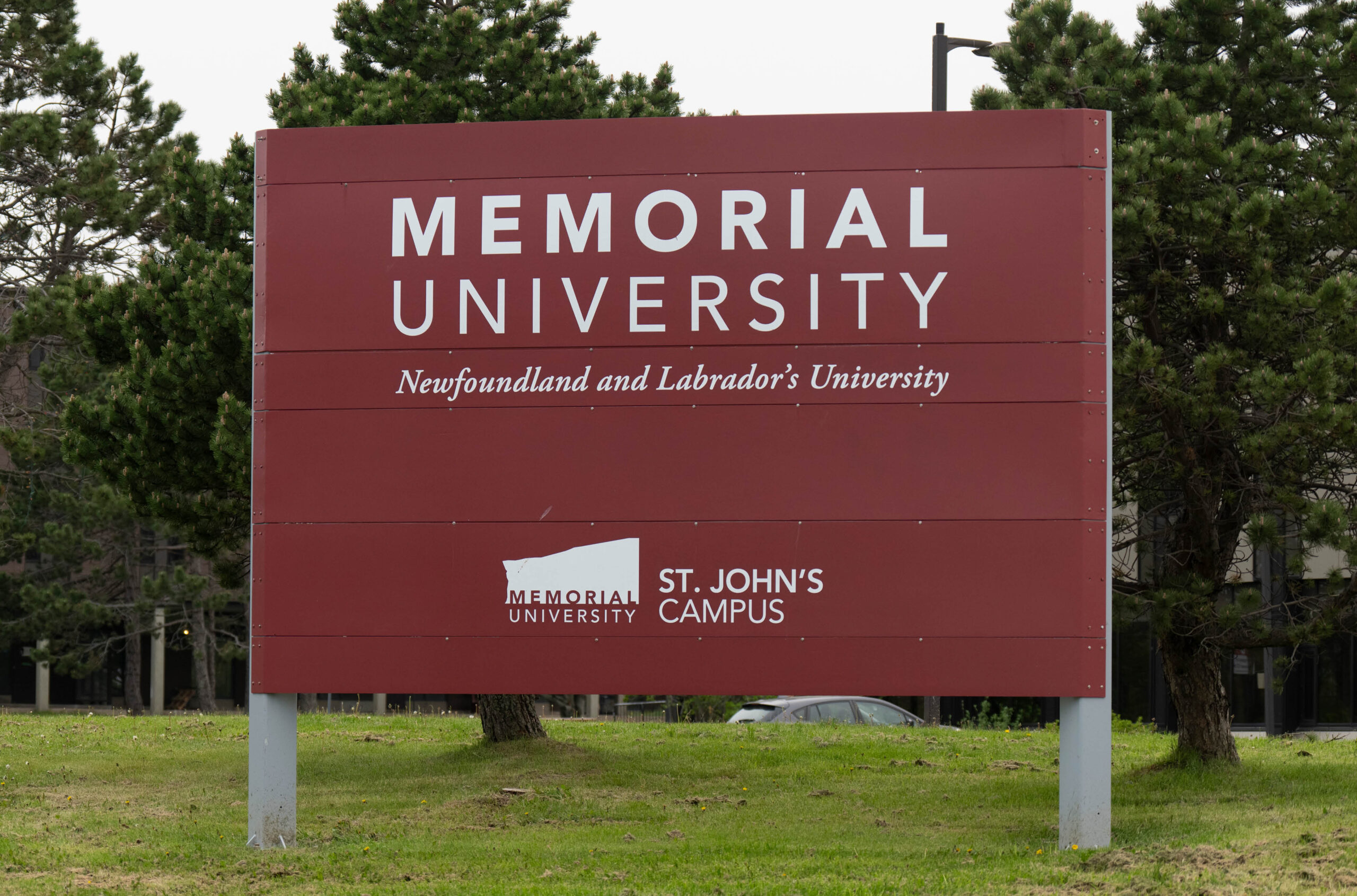
No funding promises for Memorial University in NL election campaign
Parties float private-college partnerships, tuition rollbacks, and job-focussed education as voters in Newfoundland and Labrador head to the polls.
-

Confidentiality of research data: revisiting l’Affaire Maillé
It is likely the tsunami of research triggered by the COVID-19 pandemic will generate its fair share of conflicts related to the confidentiality of research data and intellectual property.
-

University leaders highlight to Commons committee the importance of international students and research
Speaking to Parliamentarians last month about universities’ response to COVID-19, university presidents asked for support for international students and continued emergency research funding.
-

An update on the plan to protect the commercialization of Ontario universities’ research
A closer look at the four recommendations from Ontario’s expert panel on intellectual property, created to assess the commercialization activities of higher-education institutions.
-

Death by download: the problem of misguided bureaucracy
Eliminating bureaucracy is not possible, but paying attention to simple guidelines for best practice can go a long way towards reducing its expansion.
-

In this pivotal time for postsecondary education, good governance matters more than ever
Good governance is about roles and responsibilities, and the accountable execution of those roles and responsibilities.
-

Research as a national investment needs to go beyond the promise of short-term innovation
COVID-19 has caused the academic community to be very reactionary, but research is fundamentally a long-term process.
-

Is there an effective way to evaluate universities that takes a unique approach to education and social impact?
A potentially interesting approach would be to consider substantially less standardization in the metrics that assess academic institutions.
-

COVID-19 may force a rethink about how we manage higher education and research funding
Major crises provide windows of opportunity for change.
-

Collaboration in hard times in higher education
Collaboration distributes resources among academic institutions, creating conditions for partnerships, sharing and attention to diverse needs.
-
The fault lines of the politics of science policy are firmly in place
The Liberals claim that “science is at the centre of everything the government does” – yet all we have seen and heard are symbolic gestures and feel-good rhetoric.