-
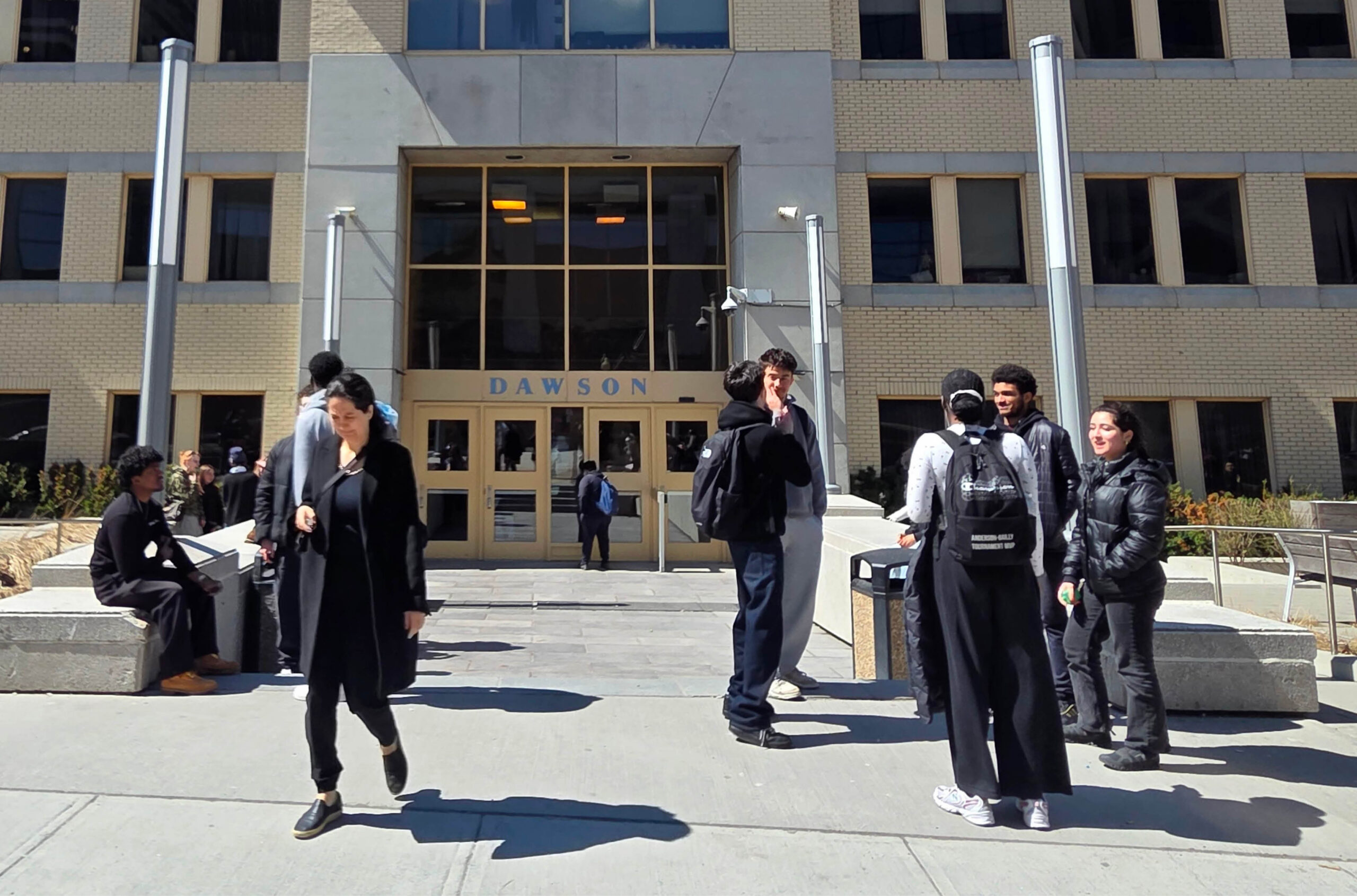
Montreal students, professors, protest Quebec’s Bill 9
Demonstrators to rally against law that restricts the wearing of religious symbols and forbids prayer rooms in higher education institutions.
-
Help scientists ousted by America’s attack on knowledge
An open letter to leaders of higher education in Canada.
-
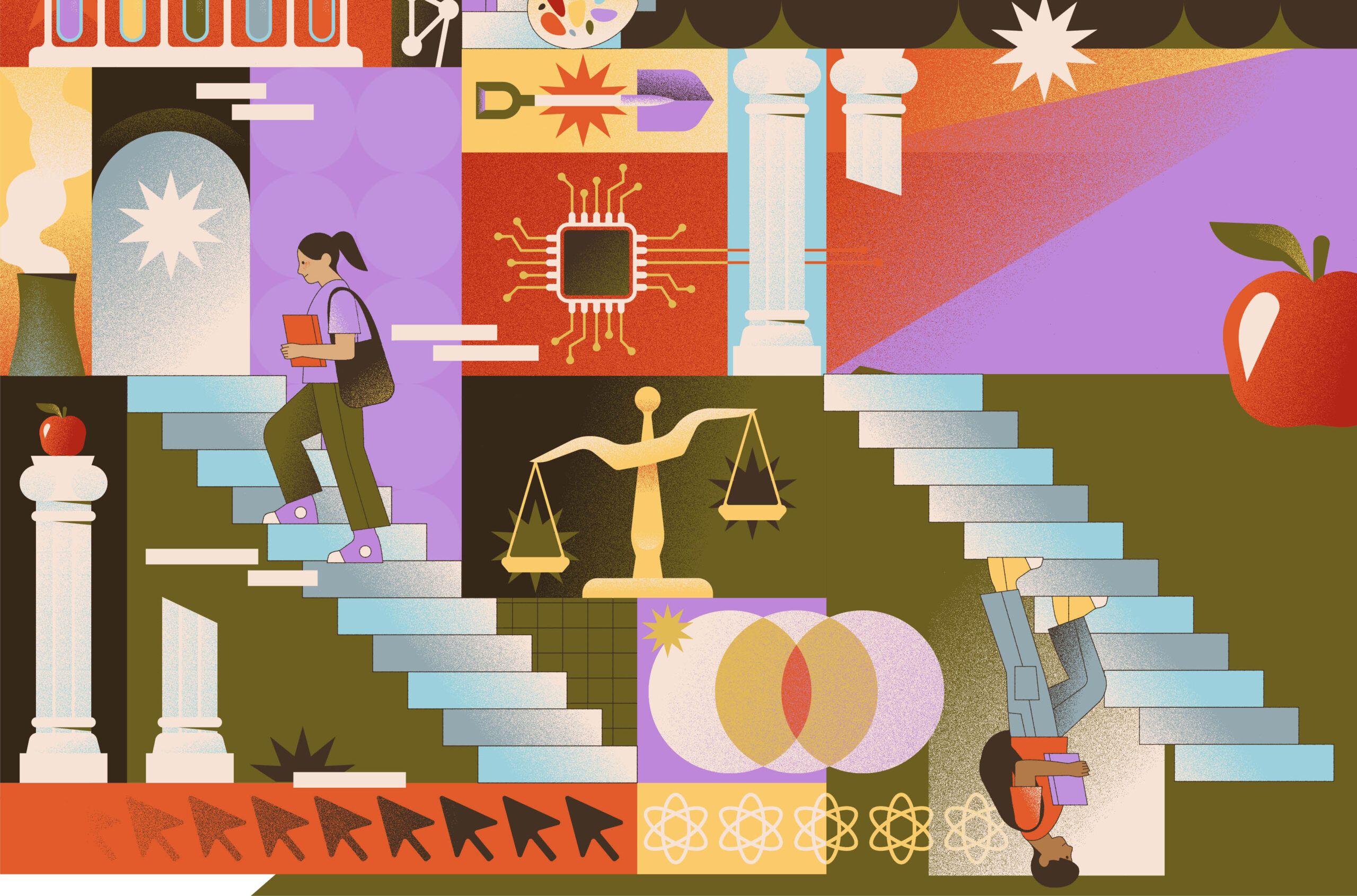
Ontario: The new pragmatism
After a decade marked by funding cutbacks and a tuition freeze, the province’s universities face the future with an eye for opportunities.
-

Ontario must bridge the gap between research and policy
How strong science-policy relationships helps build healthier and more resilient communities.
-
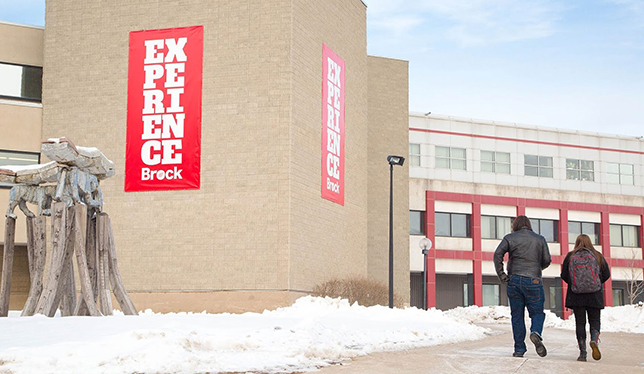
Ontario’s student unions respond to Student Choice Initiative fallout
Approaches to the controversial policy varied across the province, leaving some postsecondary institutions worse off than others.
-
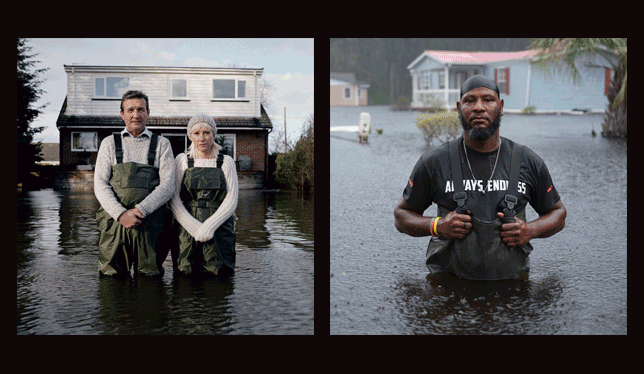
We’re way past the point of preventing climate change, it’s time to adapt
Researchers and funders are increasingly focusing on how to prepare for a changed – and changing – climate.
-
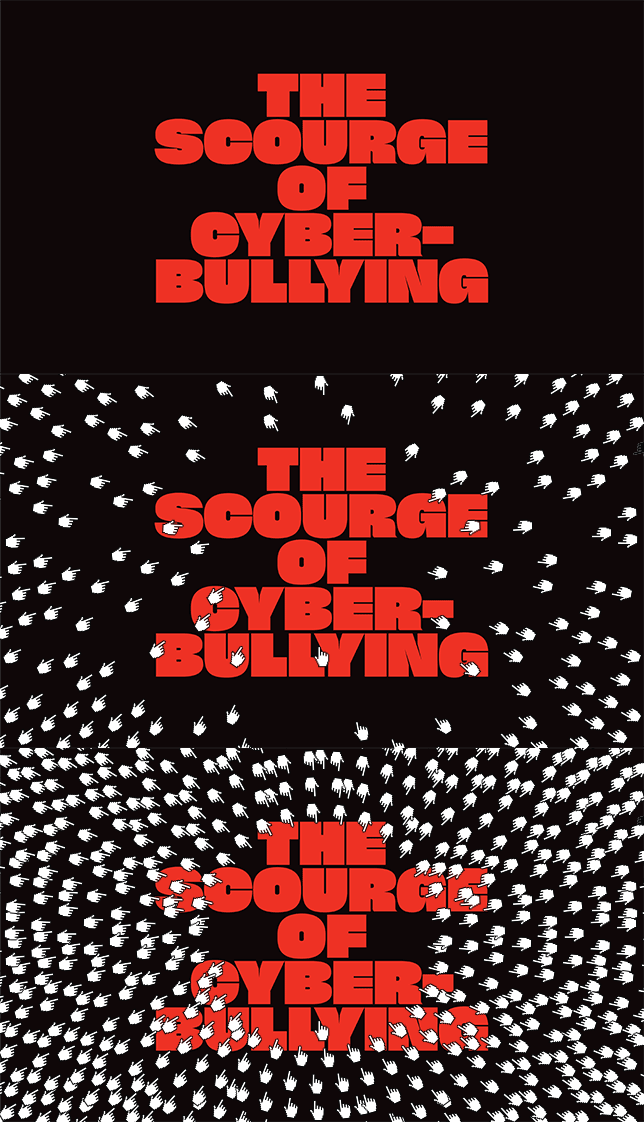
The growing problem of online harassment in academe
Many universities lack adequate policies on how to deal with cyberbullying, leading to real-life consequences for some targeted academics.
-

The precarious practice of cluster hiring
Clusters are often described as prioritizing interdisciplinary collaboration, but that comes with its own unique set of challenges.
-

Middle Eastern studies, Greta Thunberg and institutional autonomy
Two recent cases from the U.S. throw into sharp relief just how critical institutional autonomy is for academic freedom.
-
This fall, let’s #VoteScience
Science is rarely a key issue during federal elections - and we think this needs to change.
-

Canada doesn’t lack in terms of university-industry collaboration
The poor rate of innovation among Canadian firms relates to factors well beyond the scope of research partnerships.
-
Future Skills Centre looks at scaling up best practices for Canada’s workforce
The centre, hosted by Ryerson University, has an ambitious mandate that includes funding and evaluating new approaches to skills development.
-

Some simple policy changes to support scientist-parents
A successful career in STEM, combined with fulfilling parenting, should be sustainable.
-

A toolbox for promoting responsible conduct in research-creation
Research-creation involves researchers who are also pursuing creative activities such as music, dance or design.