-

Why some people succeed at university without being the ‘top students’
How to help students navigate the unwritten rules of the academy.
-

Reflection on five years of The Skills Agenda
Faculty innovation is key to advancing student career preparation in the years ahead.
-

Teaching physicians, med students battle Quebec’s Bill 2 with strikes and lawsuits
Students strive to make up for lost time after fall labour disruptions.
-
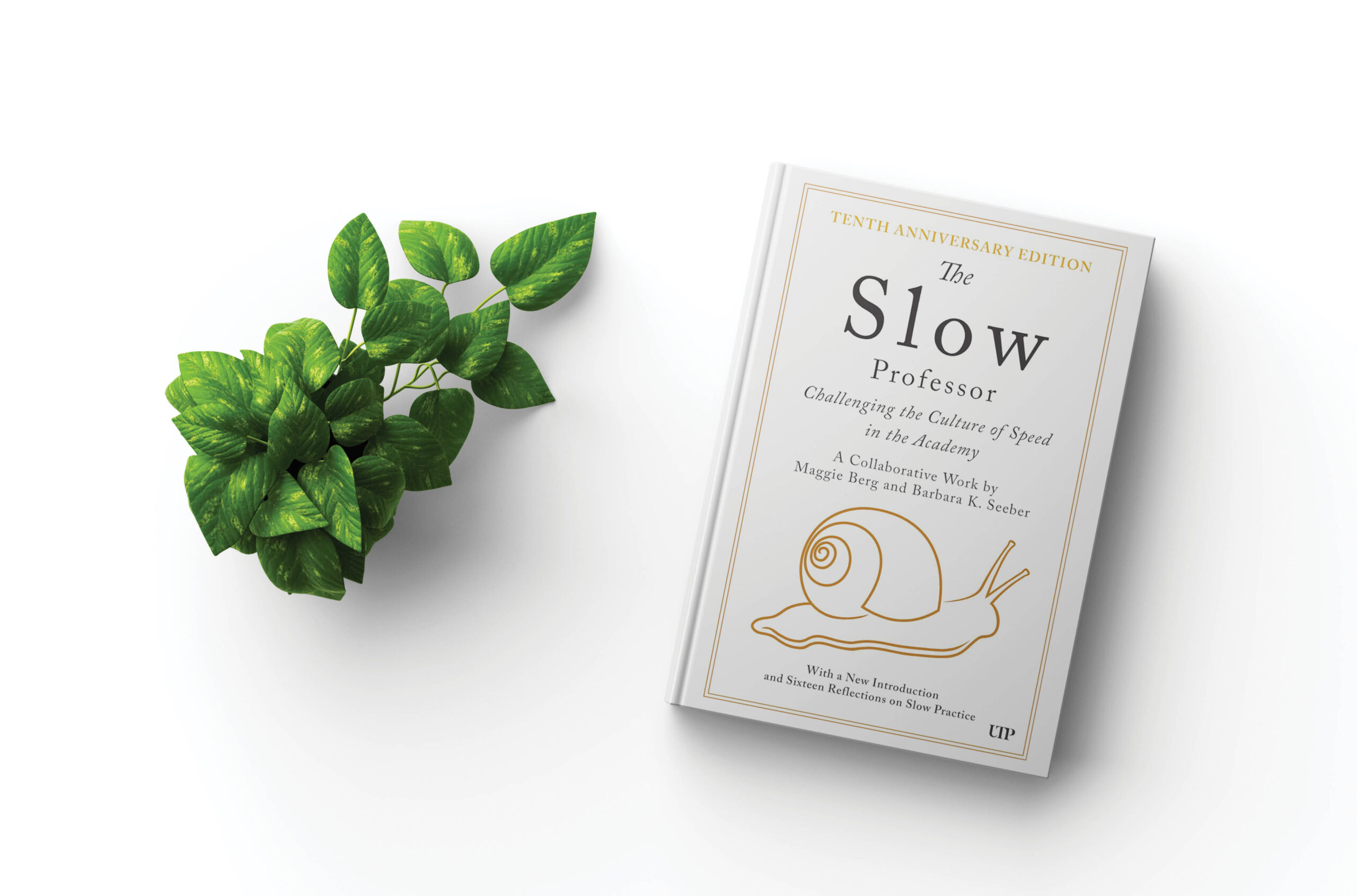
The Slow Professor ages well
The recently published 10th anniversary edition adds new material to this classic text.
-

The hidden curriculum and its impacts on students and educators
We need to reimagine our teaching practices.
-

Why you should start using open educational resources in your teaching
These learning materials can be freely shared and usually allow for the ability to adapt them to meet student needs.
-

Designing courses that promote academic integrity
Use your concerns about ChatGPT and academic misconduct to redesign your courses to build academic integrity skills.
-

ChatGPT? We need to talk about LLMs
Large language models are here to stay, but they also present ethics and equity questions about their design, operationalization, and legacy that universities must consider.
-

From ChatGPT bans to task forces, universities are rethinking their approach to academic misconduct
Postsecondary institutions are playing catch up as generative AI and other emerging technologies make their way into student coursework.
-

StatCan report reveals impending shifts at highest levels of professoriate
Canada’s professoriate has become more diverse in terms of age, gender and race, but new data suggests those gains aren’t reaching the highest ranks.
-

Teaching students how to work with and understand the limits of data
Our students will work in a data-driven world. How can instructors ensure they have the skills they need to work with data responsibly?
-

Did COVID kill creativity?
The pandemic became a rare chance for academic creatives to witness the power of imagination and why it matters.
-
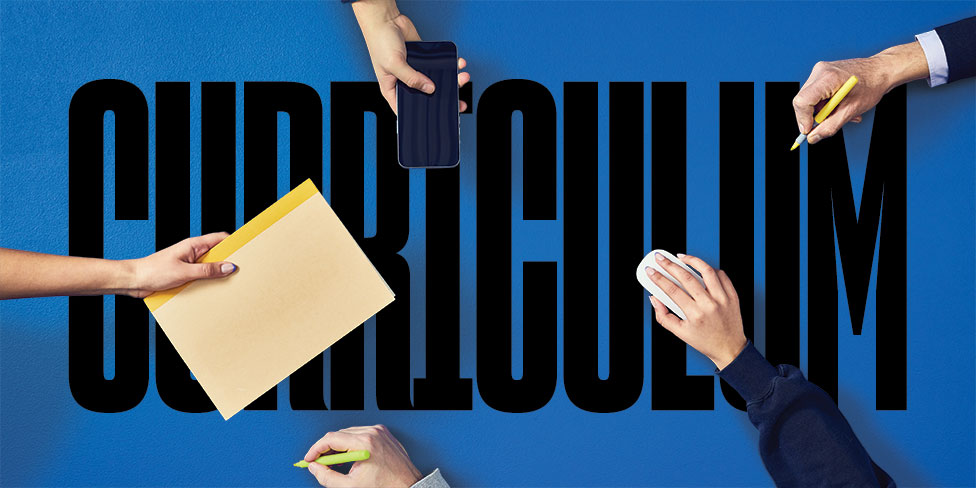
Co-designing the curriculum
In the Students as Partners approach, instructors collaborate with students to develop a university course.
-

Putting non-disposable assignments to work
The Pay It Forward Assignment allows students to share their learning to help current and future students.