-
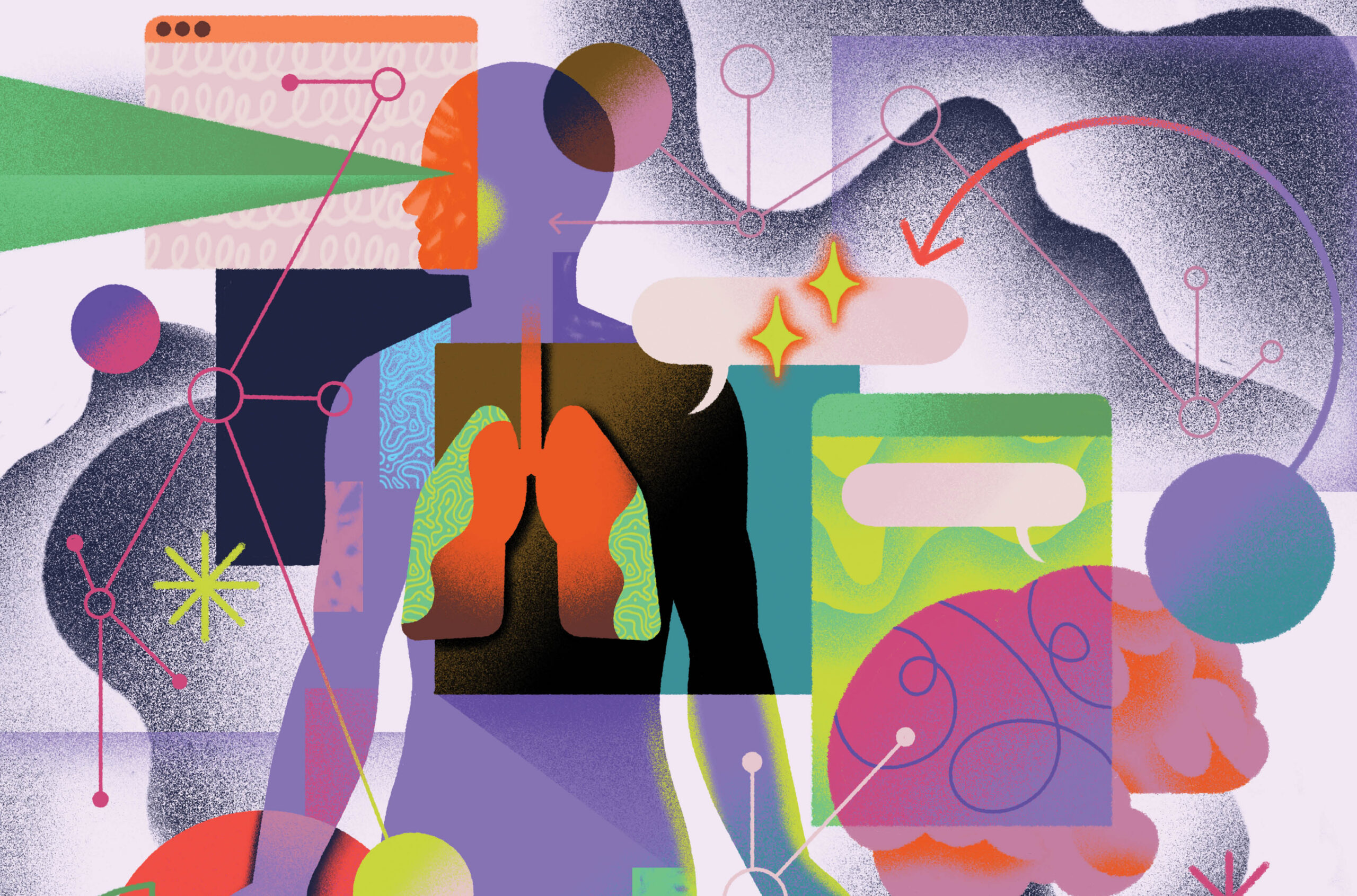
Behind the curve
Learning to embed AI in the medical curriculum.
-
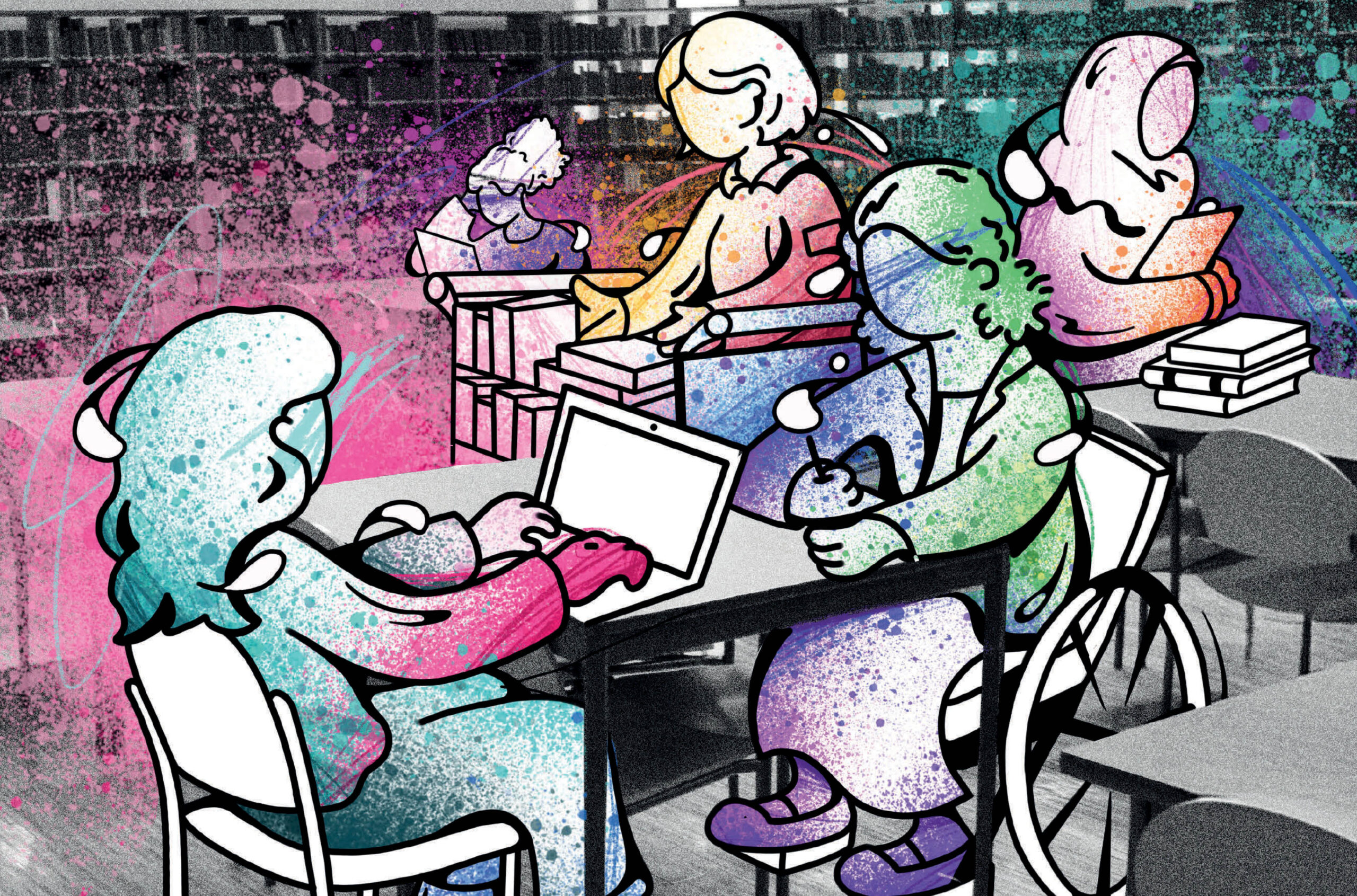
Why counting matters
‘Measuring gender equity is important in order to know whether you have made any progress. Otherwise, some people may feel progress has been made while others don’t experience it,’ asserts gender equity expert.
-
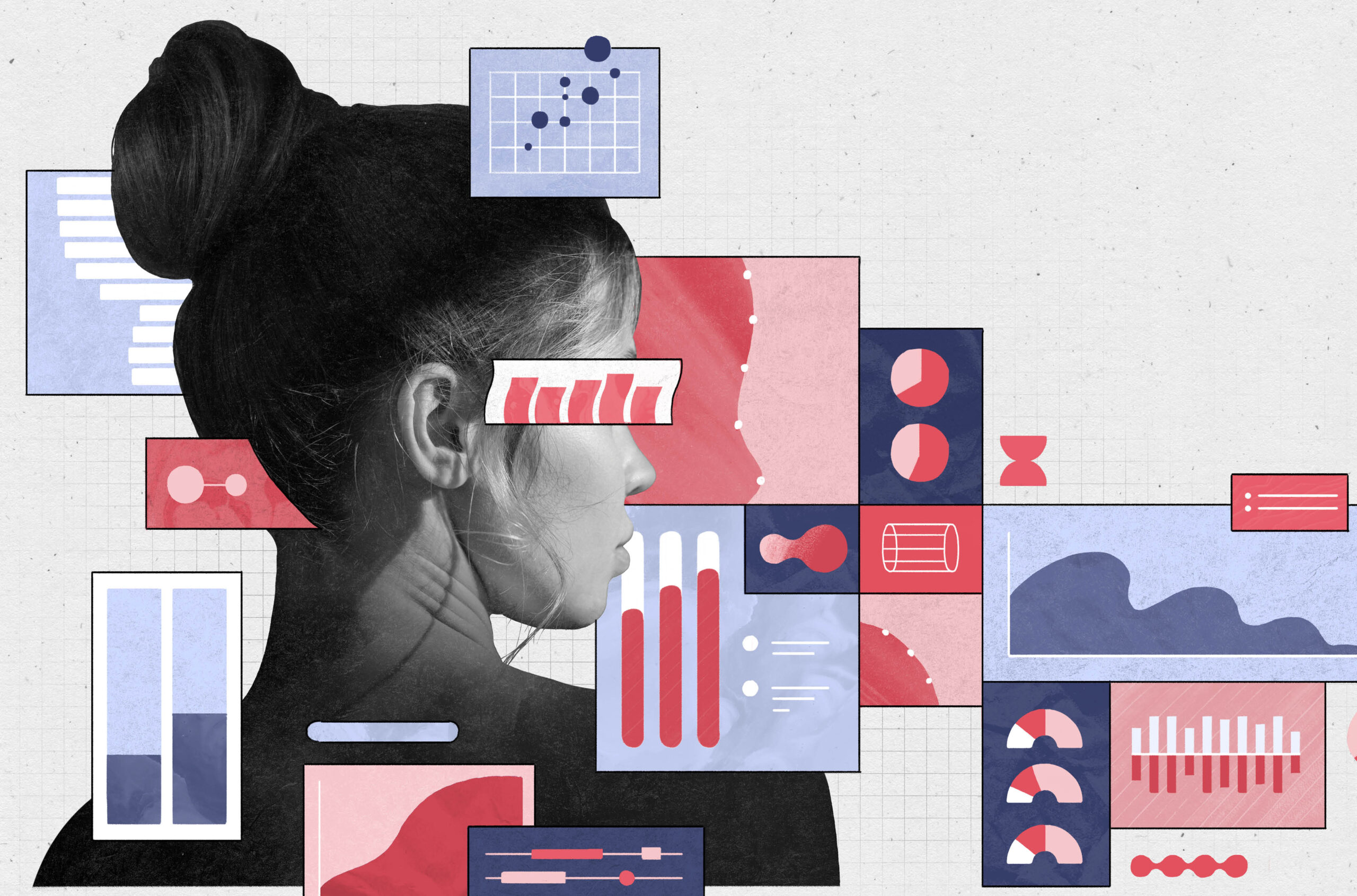
The long road to equity
Despite increased institutional commitment, experiences of men and women faculty differ starkly.
-
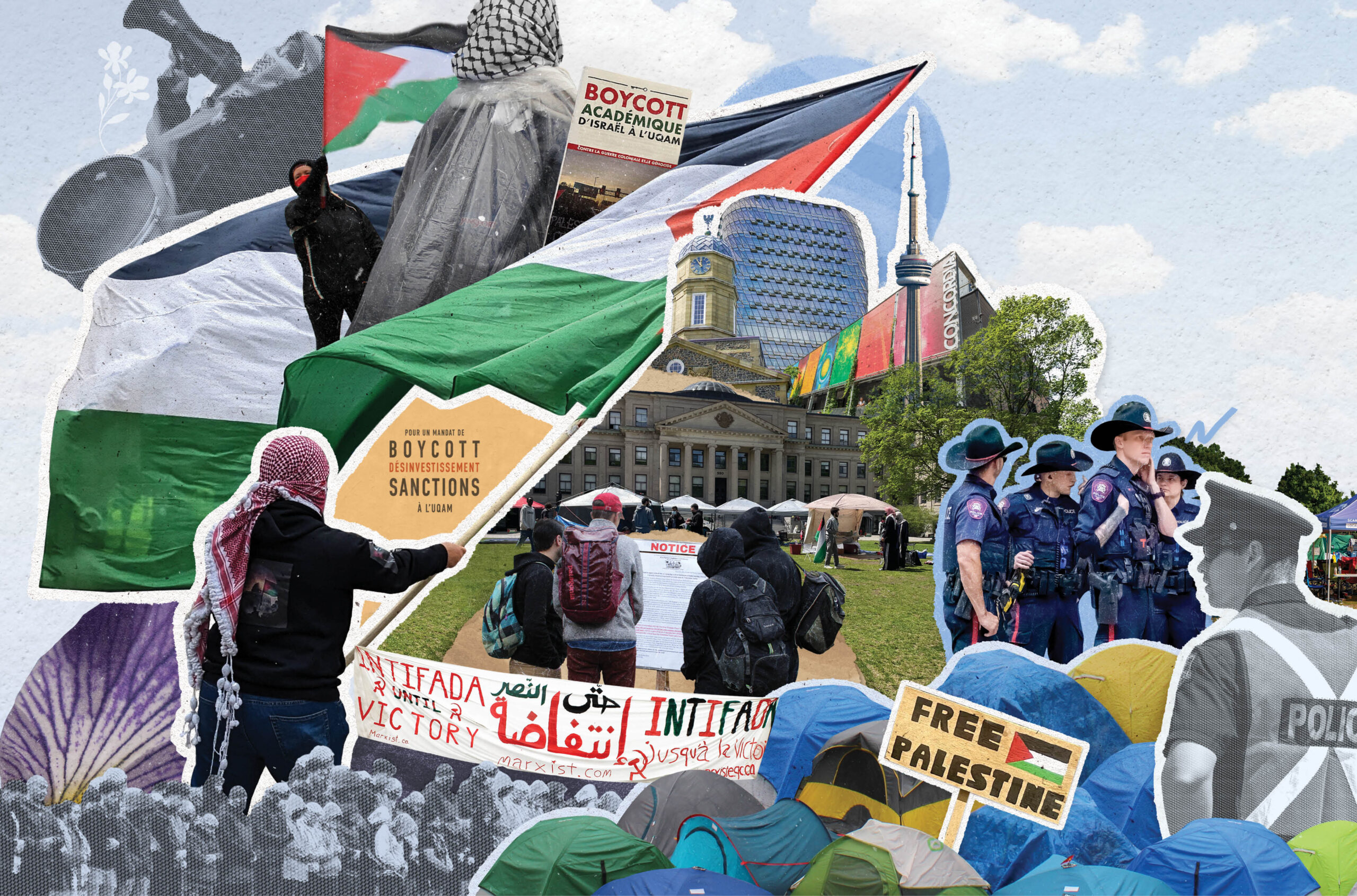
Taking stock: Multiple perspectives on pro-Palestinian protests
Activists and administrations from Halifax to Nanaimo review policies after this spring’s pro-Palestinian encampments.
Sponsored Content
-
MDPI Toronto Summit 2026: Bringing together leaders to shape the future of scholarly publishing
Highlights, key discussions, and insights from two days of collaboration, innovation, and open dialogue across leaders within the global research community.
-
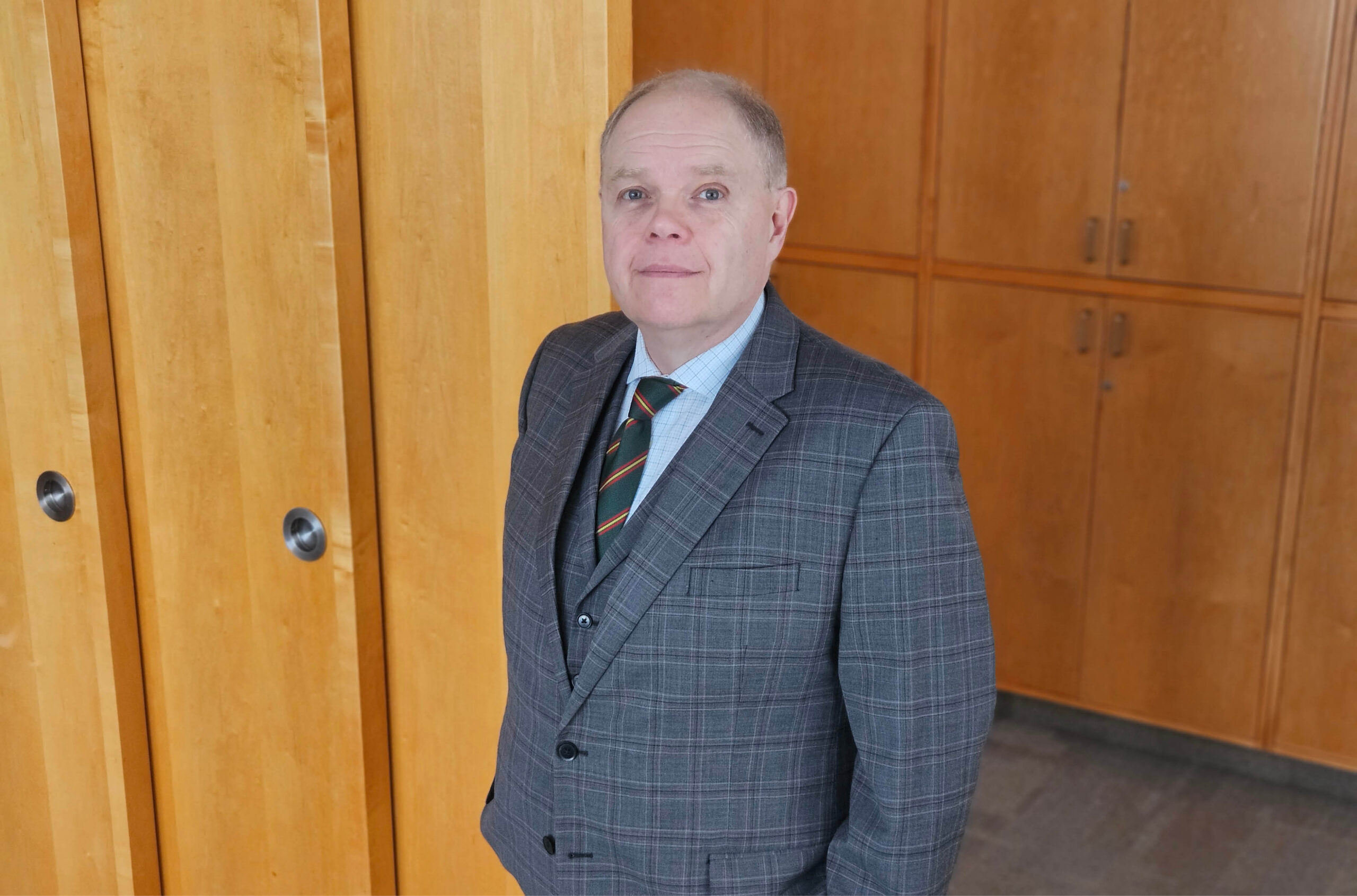
Meet Kevin McCormick, Founding President of the Canadian Institute for Human Rights and Global Health
Bringing capacity to global engagement.
-
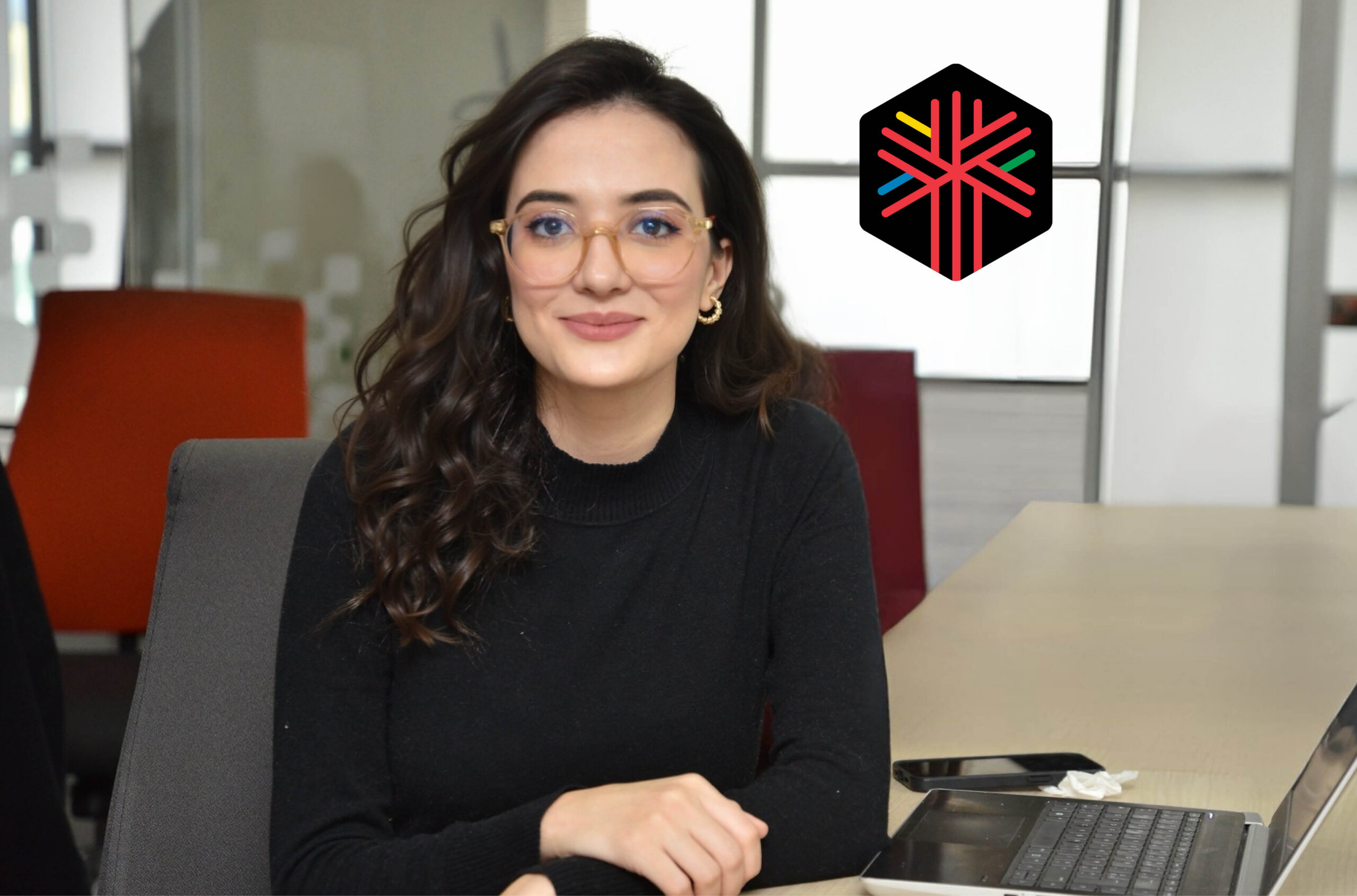
From business journalism to entrepreneurial support
A Moroccan BCDI 2030 Scholar committed to empowering women entrepreneurs.
-

Observatories: digital portals to the sky
The pandemic and aging infrastructure have spurred major renovations at university observatories, making them more accessible to the public and to researchers around the globe.
-
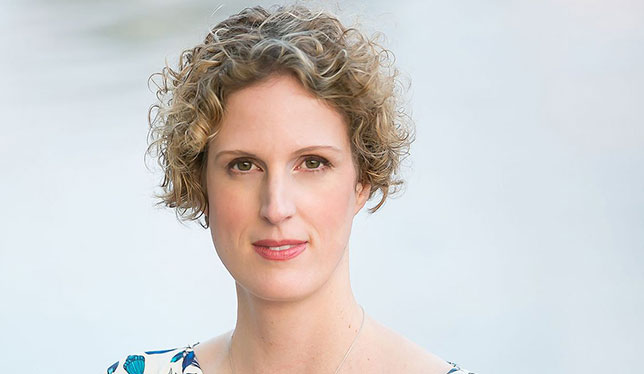
Researching music as a political tool, an expression of resistance and a way to nourish the soul
Marie-Hélène Benoit-Otis demystifies the role that music plays in the formation of political discourse.
-

Paving the way for women in science
Renowned scientist Andrée G. Roberge retraces her journey in Canada’s scientific community.
-
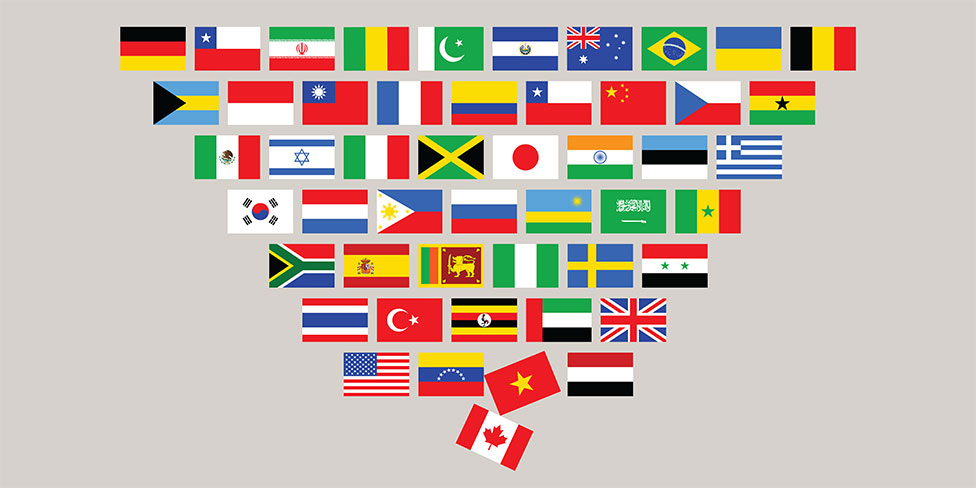
The murky world of unregulated international student recruiters
The rapid rise in international recruitment has sparked calls for rules and standards to govern third-party recruiters.
-
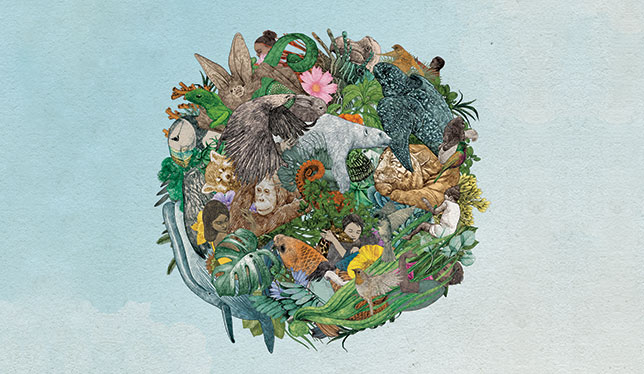
Making the case for One Health
The interdisciplinary approach to human, animal and environmental health is gaining traction in teaching and research, but the field still struggles against institutional silos.
-
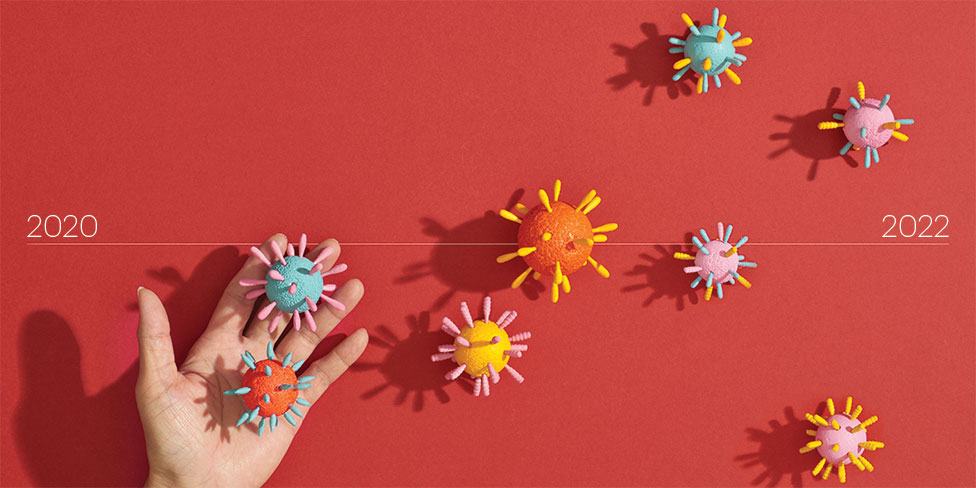
What we’ve learned from the pandemic
Members of the university community share lessons they’ll carry with them after more than two years of upheaval from COVID-19.
-

Science culture: a bulwark for our democracies
The current Acfas president reflects on the role of convergence in the development of French-language science.
-

Catching up with Canada’s chief science adviser
As she begins her second term, Mona Nemer weighs in on shaping the pandemic response, the battle against misinformation, and the push for open science.
-
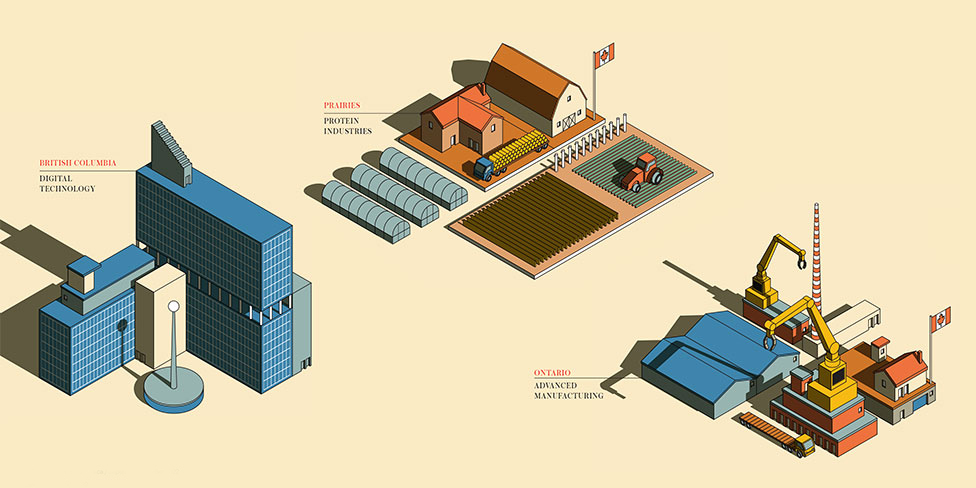
What’s happening with Canada’s superclusters?
After four years, the federal government’s billion-dollar superclusters are finding their feet, but they need more time.
-
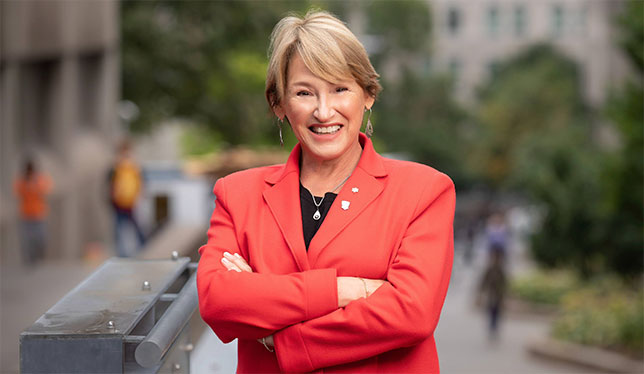
Suzanne Fortier on leadership and learning at McGill
As the principal and vice-chancellor prepares to step down, she weighs in on lessons from COVID-19, academic freedom, diversity, and the future of higher education in a world upended by technology.