-
In search of The Black Hole’s next voice(s)
We want to actively encourage a wider range of perspectives to represent early career researchers.
-

Caveat emptor: preprint servers in biomedical science
While the advantages of preprint servers are numerous, researchers need to be very clear about the fact that these findings have not been formally assessed by the scientific community.
-

The purpose of branding in science
Branding is the exercise of summarizing an organization’s culture to attract a particular type of employee, collaborator or funder.
-

On lockdown and no international travel – I’ve been grounded and learned some lessons
There is an opportunity to learn from dramatic changes in behaviour that have been imposed on us.
Sponsored Content
-

MDPI Toronto Summit 2026: Bringing together leaders to shape the future of scholarly publishing
Highlights, key discussions, and insights from two days of collaboration, innovation, and open dialogue across leaders within the global research community.
-
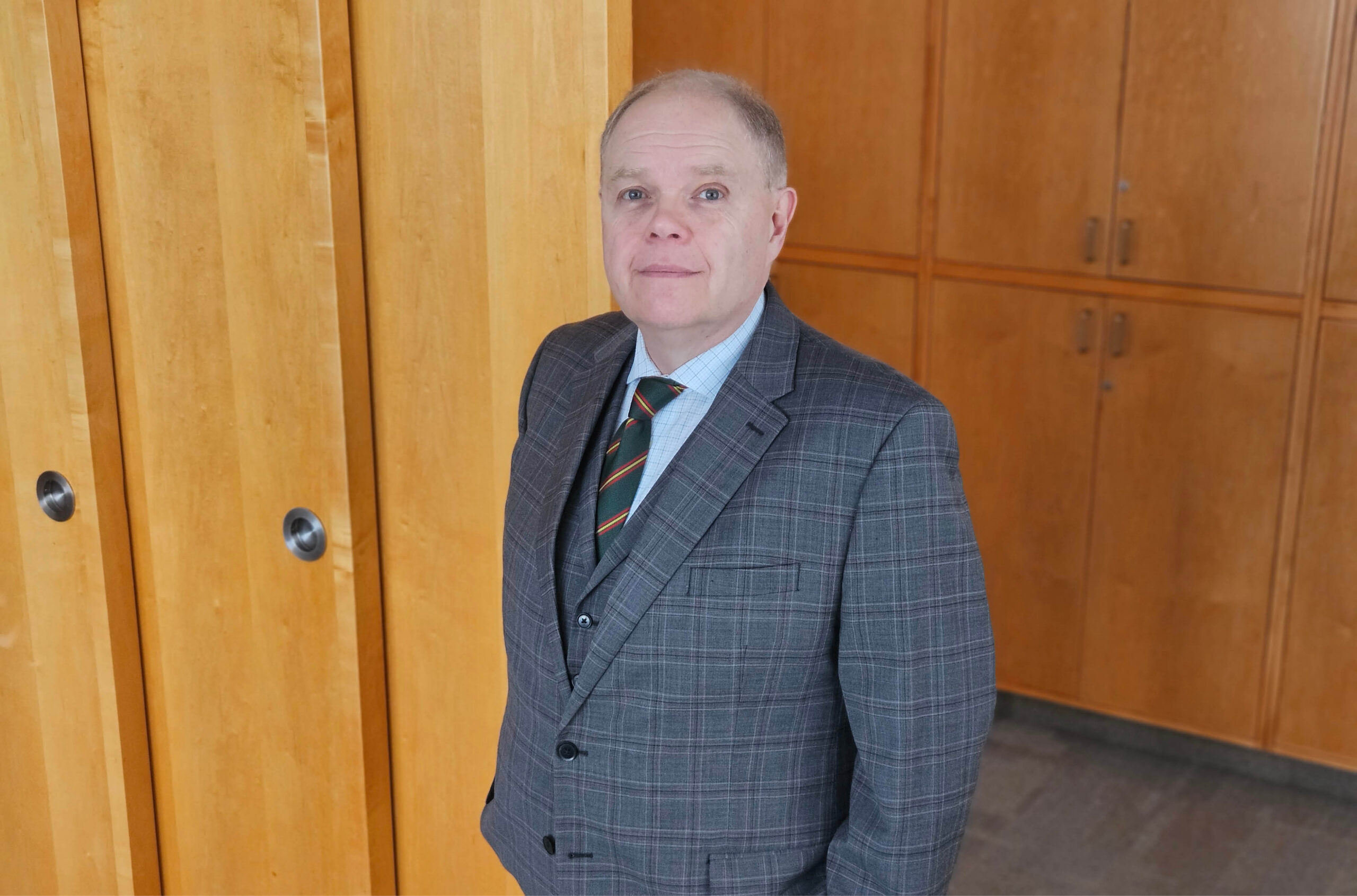
Meet Kevin McCormick, Founding President of the Canadian Institute for Human Rights and Global Health
Bringing capacity to global engagement.
-

From business journalism to entrepreneurial support
A Moroccan BCDI 2030 Scholar committed to empowering women entrepreneurs.
-

Who gets to see papers under review?
David Kent looks at whether it is ethical (and legal) for an academic to share a paper they are reviewing with their lab group.
-

The implication of the Hatch-Waxman Act for universities
Among the most interesting implications is the recognition that universities are not exempt from patent infringement for basic research.
-

Is NSERC turning the ship around?
I can happily report that something has indeed changed at NSERC and the number of postdoctoral fellowships being awarded is definitely recovering.
-

How the Hatch-Waxman Act of 1984 protects startups
This U.S. act allows biotech startups to use patented technology for the purposes of generating data for FDA approval without needing to take out costly licenses.
-

Experiments in peer review: Getting the decision right
David Kent looks at some of the new ways scientific journals are trying to fix the current peer review system.
-

The challenges of crowdfunding academics
Kevin Leland created Halo, a curated fundraising platform for medical research, so that promising discoveries had a fighting chance to make it across the valley.
-

What makes a great scientific advisory committee?
These committees review and provide input into scientific endeavors, but perhaps the merit of a project should also be assessed by how difficult it is to assemble this panel of experts.
-

Meta-research: improving the way we communicate (and perform!) scientific research?
As with scientific research in the time of “big data”, the critical thing for a researcher to identify is what sorts of questions the data might answer.
-

Quarterly Summary: Access to people and their research & reimagining how we fund translational research
Clearly, our readers respond to posts on “career resources”, based on our own experiences.
-

We need to fix tech transfer at universities
Why should universities continue to own and profit from publicly funded work? If the public pays for it, why shouldn’t the public own it?