Are universities ready for cyberattacks?
Canadian universities stand in the crosshairs of cybercriminals: Q&A with Benoît Dupont, Canada Research Chair in Cyber-resilience.
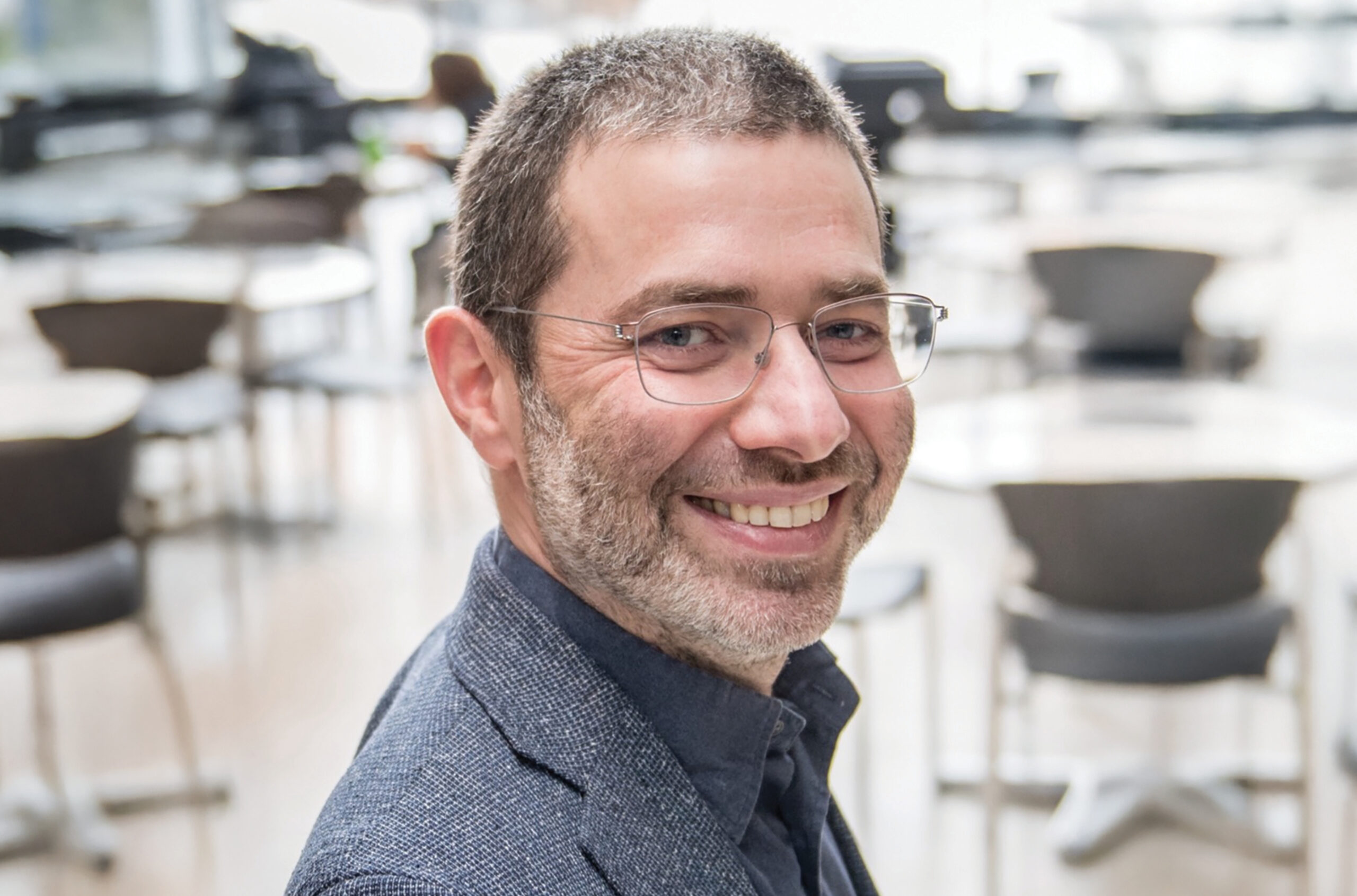
Over the last decade, post-secondary institutions across Canada have fallen prey to hackers. The attacks on the University of Regina, the University of Winnipeg, Université de Sherbrooke, and Carleton University were wake-up calls for post-secondary institutions to bolster their defences. But are they truly better equipped? And what can individuals do to protect themselves?
Benoît Dupont is a professor of criminology at Université de Montréal and the holder of the Canada Research Chair in Cyber-resilience and the Research Chair for the Prevention of Cybercrime. He sat down to answer our questions.
Q: Several universities have been targeted by cyberattacks, especially ransomware, in recent years. What’s the situation today?
Benoît Dupont: Like any organization, universities are hit by different kinds of cyberattacks, including ransomware. But in contrast to organizations with structured networks and defined user roles, universities have a wide range of users and user needs that make them uniquely vulnerable.
Universities are also vulnerable to business email compromise and spear phishing. In these “social engineering” attacks, instead of relying on hacking, scammers pose as university leaders and ask employees to transfer funds, often under the pretense of paying an invoice. This type of attack is common in universities because, compared with more traditional organizations, security controls on payments are highly decentralized.
Universities also deal with industrial espionage and intellectual property theft targeting strategic technology, including artificial intelligence, nanotechnology, and biofabrication.
Q: How do universities defend against these threats?
Benoît Dupont: I think in recent years, universities have taken stock and better prepared themselves with more robust cybersecurity solutions, antivirus software, malicious email filtering, and so on.
But whether that’s enough is another question. Universities’ culture of openness is not necessarily compatible with the kind of security culture that provides adequate protection. There is still some resistance from professors, researchers and students, as well as administrative staff, who tend to underestimate the severity of the problems cyberattacks can cause.
Has the uptick in remote work exacerbated these vulnerabilities?
That is part of it, though many academics were working remotely before COVID. The constant influx of new users has actually prepared universities well.
What has the main challenge been in recent years?
Certain attacks, like intellectual property theft, are increasingly sophisticated. Universities don’t have the budget to effectively combat them. It’s a calculated risk. Resources are calibrated to counter well-known mid-level attacks to offer widespread protection to the university community.
How can we ensure research data is not lost or compromised in the event of a cyberattack?
Access to data must be protected to ensure its confidentiality. Research and ethics boards do a good job of educating scholars about encrypting their data and storing it in secure clouds. The issue that remains is how to protect data that could be destroyed or made inaccessible, because it’s encrypted. It’s very risky to keep only one copy of data. The idea is to keep multiple backup copies so that data can be restored in case of an attack — in the university’s cloud, external clouds (while complying with research ethics), or offline storage.
It’s also important to limit access to only those who truly need it. If a personal computer is infected with malware, it could create a domino effect that compromises the data. Multi-factor authentication is an inconvenience for everyone, but it’s important. Universities are increasingly making it mandatory, but sometimes people try to get around it.
Do you have any advice for the university community?
People are aware of what needs to be done, but for the sake of convenience, speed or comfort, it tends to be neglected. My advice is to take stock of blind spots and stay vigilant. Limit yourself to certain legitimate websites and services. Malicious sites posing as PDF conversion tools, for example, can infect computers, and we’ll see the same with counterfeit AI tools.
What does the future hold?
All organizations face the same threats. Unfortunately, cybersecurity is seldom prioritized because everyone thinks an attack could never happen to them. They keep thinking that way until an attack devastates their systems and brings operations to a standstill for weeks or months.
Universities inject considerable funding into physical infrastructure because it creates community spaces, but digital infrastructure plays exactly the same role. It’s less visible to the public, but it’s just as important. It deserves greater investment.
This interview was edited and condensed for clarity.
Further reading
Cybercriminalité : Approche écosystémique de l’espace numérique,
By Benoît Dupont
Published in 2024 by Armand Collin





Featured Jobs
- Canada Impact+ Research ChairInstitut national de la recherche scientifique (INRS)
- Soil Physics - Assistant ProfessorUniversity of Saskatchewan
- Engineering - Assistant Professor, Teaching-Focused (Surface and Underground Mining)Queen's University
- Human Rights - Assistant Professor (Expertise in Human Rights related to Artificial Intelligence and Digital Security)University of Winnipeg
- Director of the McGill University Division of Orthopedic Surgery and Director of the Division of Orthopedic Surgery, McGill University Health Centre (MUHC) McGill University
More from Features
-
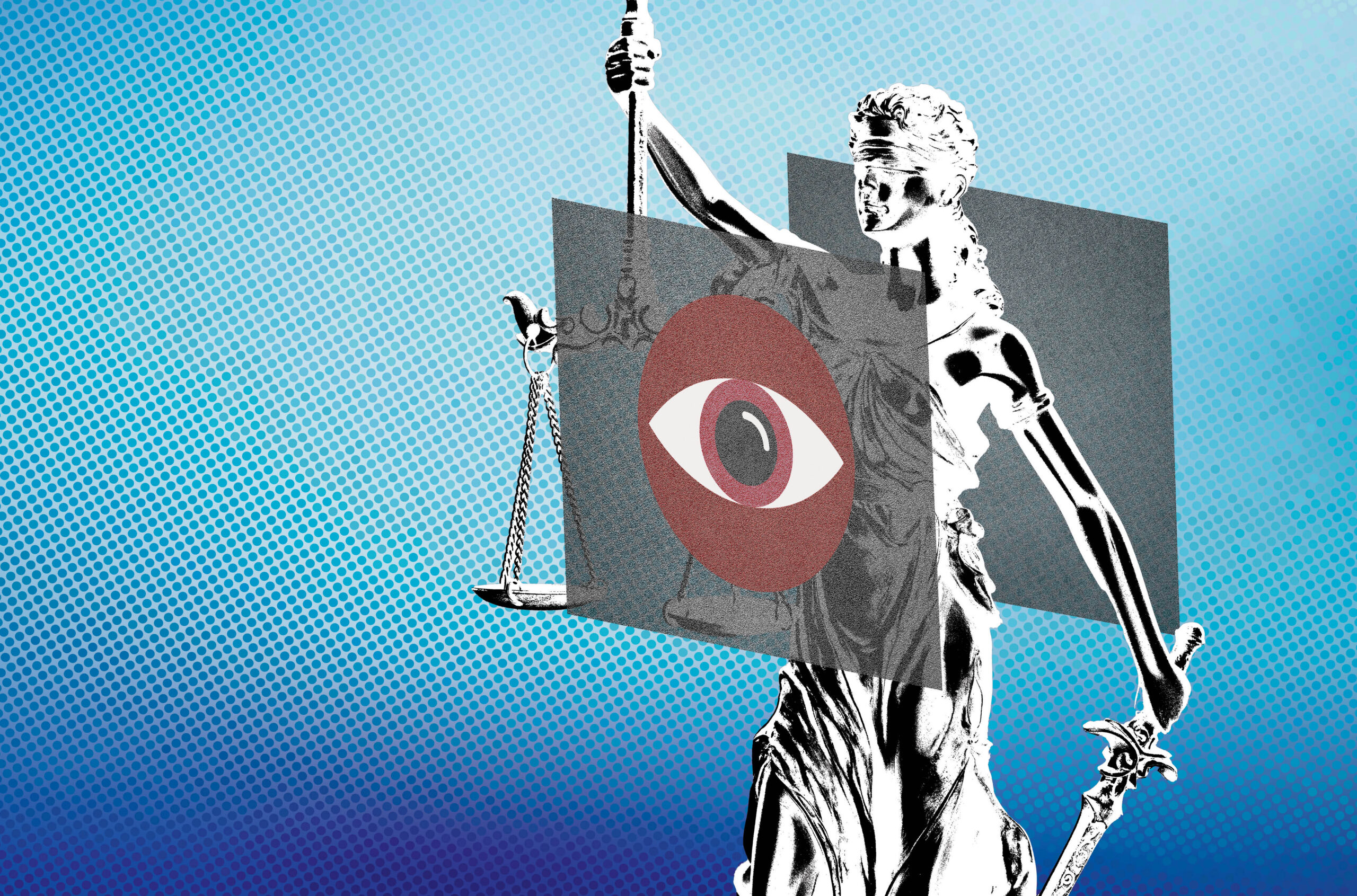
The grey area of artificial intelligence
As AI transforms university practices, legal and ethical challenges are multiplying.
-

The King and AI
A team of international scholars tackles a historical work of epic proportions.
-

Wags over worries
A look at how campuses across Canada use pet therapy programs to support students’ mental health.
-

Top 10 movies about university life
In honour of Academy Awards season, here’s our list of the best films about professors, students and out-of-control frat boys.
More from Q&A
-
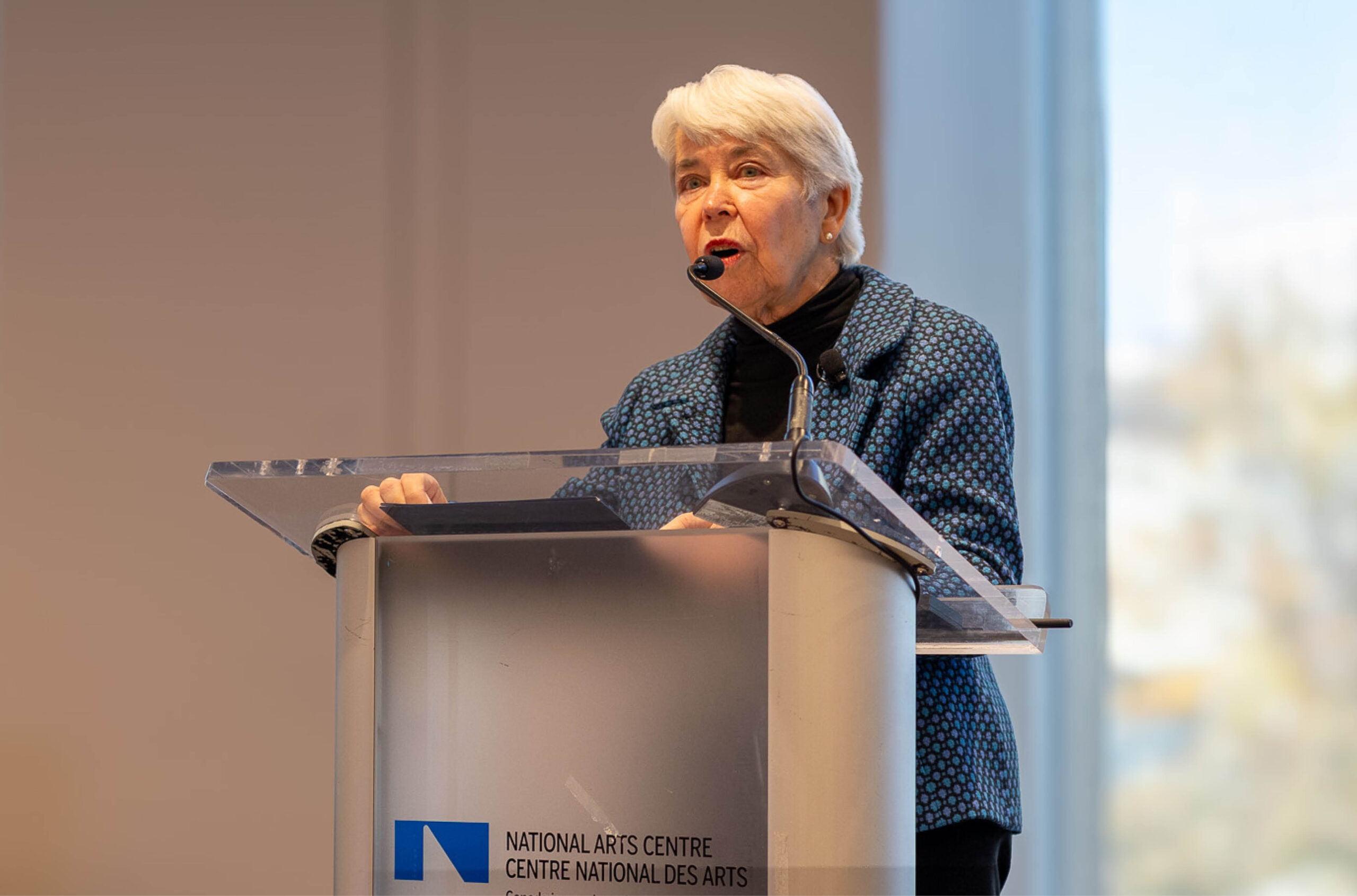
Reaffirming the role of universities
Lessons from the U.S.
-
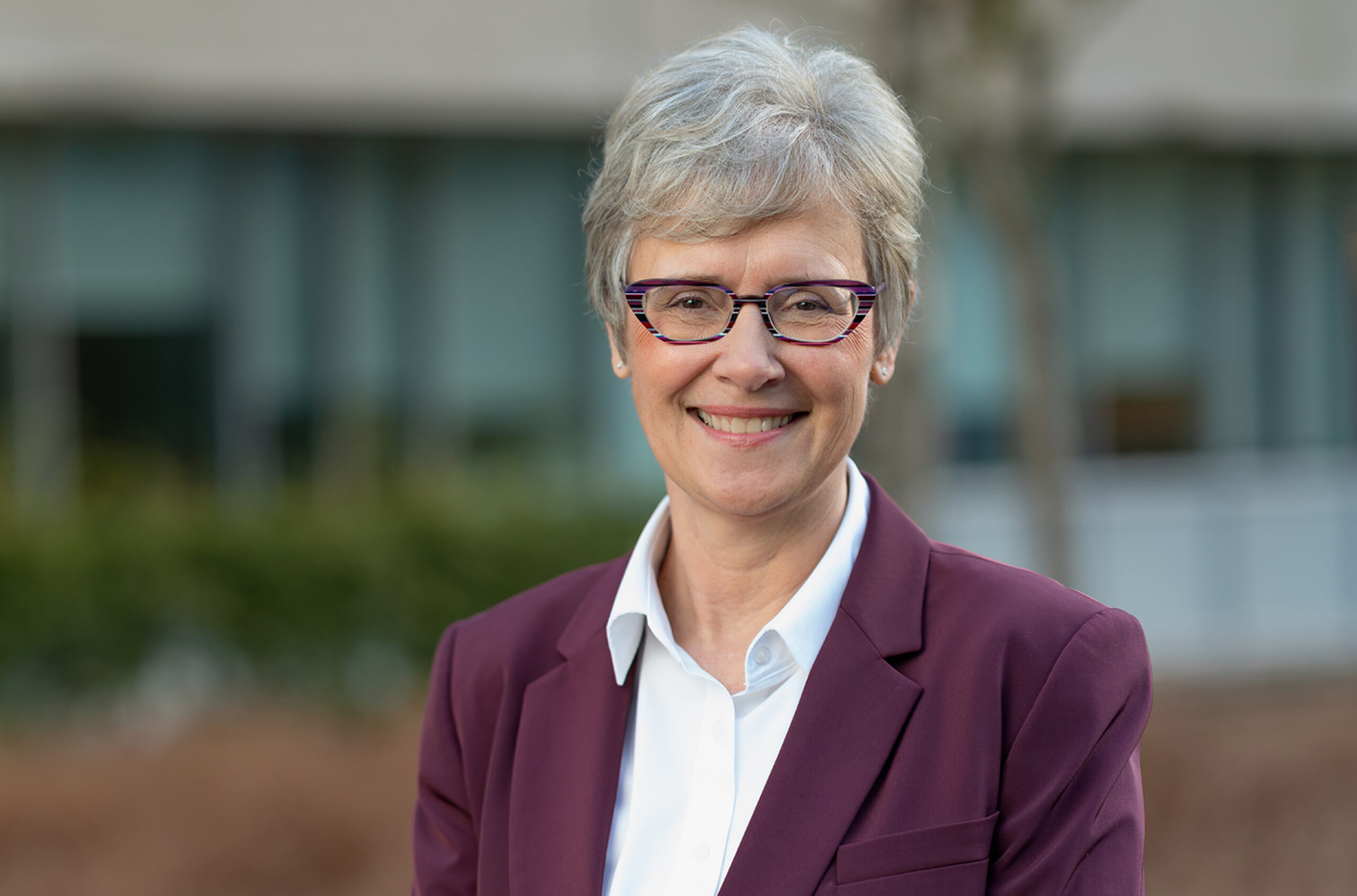
Meeting the moment together
Universities Canada’s new chair of the board of directors Joy Johnson on the path forward for higher education.
-

‘I shaped this role as I went along.’
Quebec’s first chief scientist, Rémi Quirion, looks back on his career and the challenges awaiting his successor.
-

Bridging North and South
Yukon university serves First Nations communities while demystifying the North as the latest member of Universities Canada.
More from Feature articles
-

Going hungry on campus
Quebec universities are launching food assistance initiatives to support students amid a housing crisis and rising inflation. But is it enough?
-

Quebec universities weather an unprecedented storm
The province’s institutes of higher learning are navigating immigration restrictions, language policies, budget cuts and challenges to academic freedom.
-

Time To Disagree?
The Heterodox Academy wants to encourage uncomfortable debates on campus.
-

Science interrupted
How the Trump administration’s cuts to U.S. science are derailing Canadian research.


Post a comment
University Affairs moderates all comments according to the following guidelines. If approved, comments generally appear within one business day. We may republish particularly insightful remarks in our print edition or elsewhere.