Manitoba increases investment in post-secondary education, announces new commission in 2026 budget
Post-secondary institutions will receive $882.6 million in operating funding.

The Manitoba government is touting an “historic investment” in its post-secondary sector, with $882.6 million in operating funding for universities, colleges and adult learning programs across the province. Overall spending by the department of Advanced Education and Training, responsible for higher education and vocational training, will rise by 3.2 per cent, or $66 million, from 2025-26.
The increase is driven by higher operating costs, targeted program expansion, increased demand for student loans and new supports for adult learning, according to the budget document.
Budget 2026 also announces the launch of a commission to study the sustainability of the post-secondary sector and examine the impact of federal reductions to international student programs.
The University of Manitoba (UM) will receive a two per cent increase to its operating grant (the same as last year) and allows a four per cent tuition increase for the 2026-27 academic year, according to a university press release.
“When we think about priorities such as good jobs and better health care, we know the University of Manitoba is key to making them a reality,” said Michael Benarroch, president and vice-chancellor of the University of Manitoba.
Patrick Noel, president of the Manitoba Organization of Faculty Associations, says that universities across the province can expect the same measures at their own institutions. Dr. Noel, a professor at the University of Saint-Boniface, says that the status quo investment will not be enough to match inflation and that he would expect more than a 3.2 per cent overall increase in spending from the NDP government led by Premier Wab Kinew.
“It is not a freeze, it is not a cut, but what worries me more is the way [the province] is conceptualizing universities’ role in the province,” says Dr. Noel. “We cannot conceptualize universities as strictly responding to labour market needs. We need comprehensive universities and that means they need to be funded well.”
Student loans
The province has increased its investment in student loans, with an additional $12 million in 2026-27. The Manitoba Scholarship and Bursary Initiative will stay level this year at $10.5 million, to be distributed through partner organizations that include universities and student associations. The Business Council of Manitoba Indigenous Education Awards, which provides financial assistance to Indigenous post-secondary students, can expect $800,000 by the province in 2026-27.
Dr. Noel says that the tuition increases contradict the province’s efforts to improve accessibility to education, putting further affordability pressures on students. The budget is also scant on details, says Dr. Noel, and has little information or investment in French-language programming, despite provincial rhetoric to make Manitoba a truly bilingual province.
Research & Infrastructure
- UM will also receive $4.5 million for deferred maintenance and $14.6 million as a third installment towards its Rady Faculty of Health Sciences.
- The University of Manitoba will receive $16.8 million over ten years for:
- the Prairie Biologics Accelerator (Fort Garry campus)
- the One Health Emerging Respiratory Disease Centre (Bannatyne campus)
- Both facilities will support the Prairie Hub for Pandemic Preparedness and aim to strengthen Manitoba’s role in global health research.
- Research Manitoba will also receive $18.9 million in ongoing funding.
- Brandon University will receive an $2 million in capital funding this year for the Brodie Science Centre, bringing the two-year total to $4.5 million.
- The Prairie Innovation Centre for Sustainable Agriculture at Assiniboine College will receive $60 million this year, following on a $10 million investment last year.
Workforce & Skills Development
- $525,000 in 2026-27 to sustain 14 “strategic labour market programs” across five institutions (health care, French-language education, advanced manufacturing, IT technician support, northern workforce development).
- The government is placing a strong emphasis on workforce development with a 38 per cent increase for apprenticeship training – the first major investment of its kind in a decade. An additional $7.2 million in 2026-27 will be provided to post-secondary institutions and labour unions to train apprentices in high-demand trades.
- Manitoba is launching a new youth employment program with an $800,000 investment in 2026-27. The Dreambuilders program will provide vulnerable youth with skills training, job opportunities and wraparound supports, to be delivered by community organizations.
- Adult learning and literacy programs will also receive a boost of $2.5 million in new funding, bringing total support to $24.9 million in 2026-27. One million of that amount will be dedicated to First Nations and northern communities. The funding builds on two consecutive years of increases intended to support poverty reduction, according to the budget.





Featured Jobs
- Director of the McGill University Division of Orthopedic Surgery and Director of the Division of Orthopedic Surgery, McGill University Health Centre (MUHC) McGill University
- Engineering - Assistant Professor, Teaching-Focused (Surface and Underground Mining)Queen's University
- Human Rights - Assistant Professor (Expertise in Human Rights related to Artificial Intelligence and Digital Security)University of Winnipeg
- Canada Impact+ Research ChairInstitut national de la recherche scientifique (INRS)
- Human Rights - Assistant Professor (Expertise in Peace & Conflict Studies, Socioeconomic Rights and/or Indigenous Rights)University of Winnipeg
More from News
-
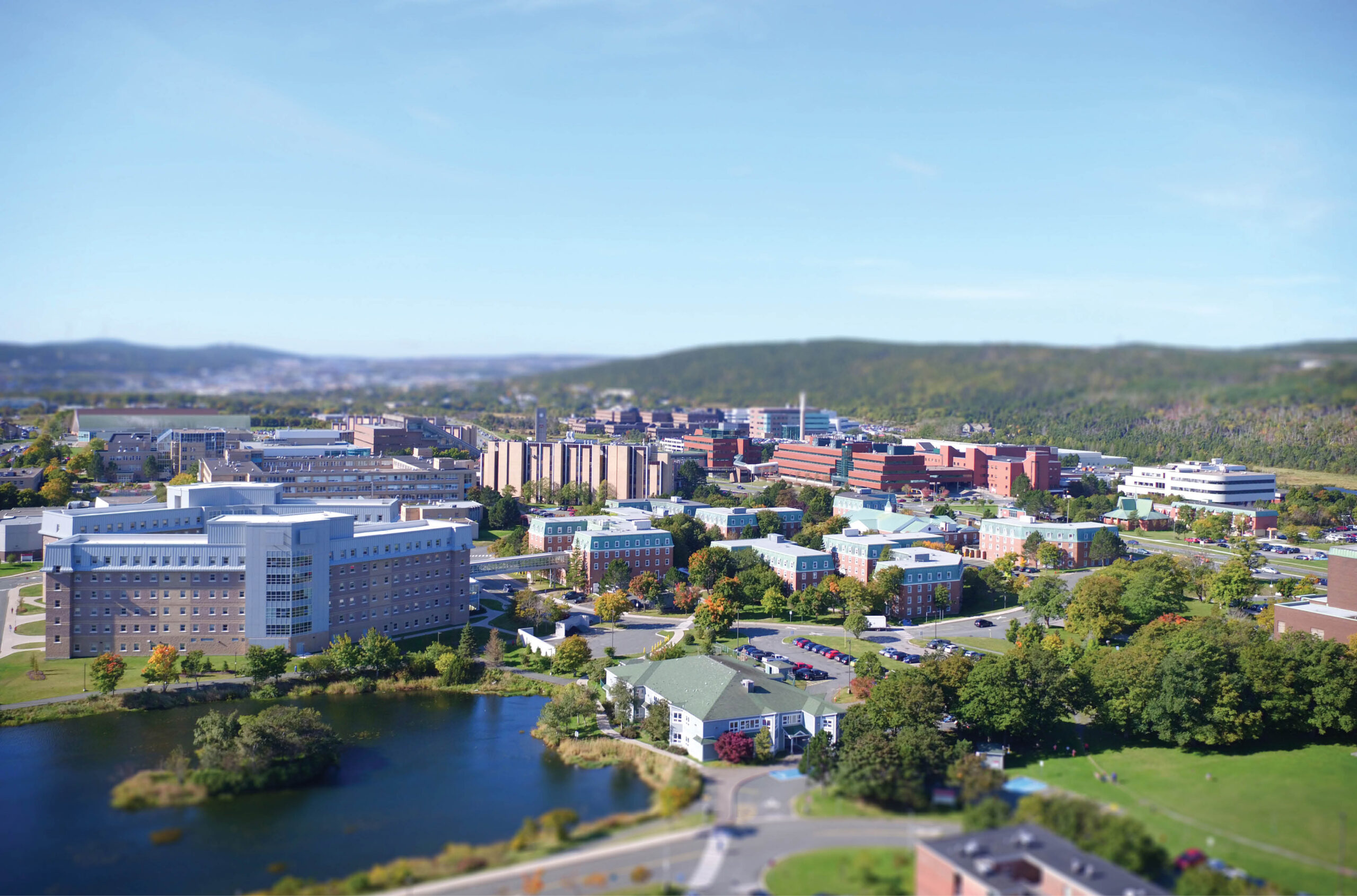
Program changes at Memorial raise concerns
Impact on faculty and students remains unclear amid decreased enrolment and financial challenges.
-

UBC leads the way on civil discourse
A successful debate series places universities at centre stage in ending polarization.
-
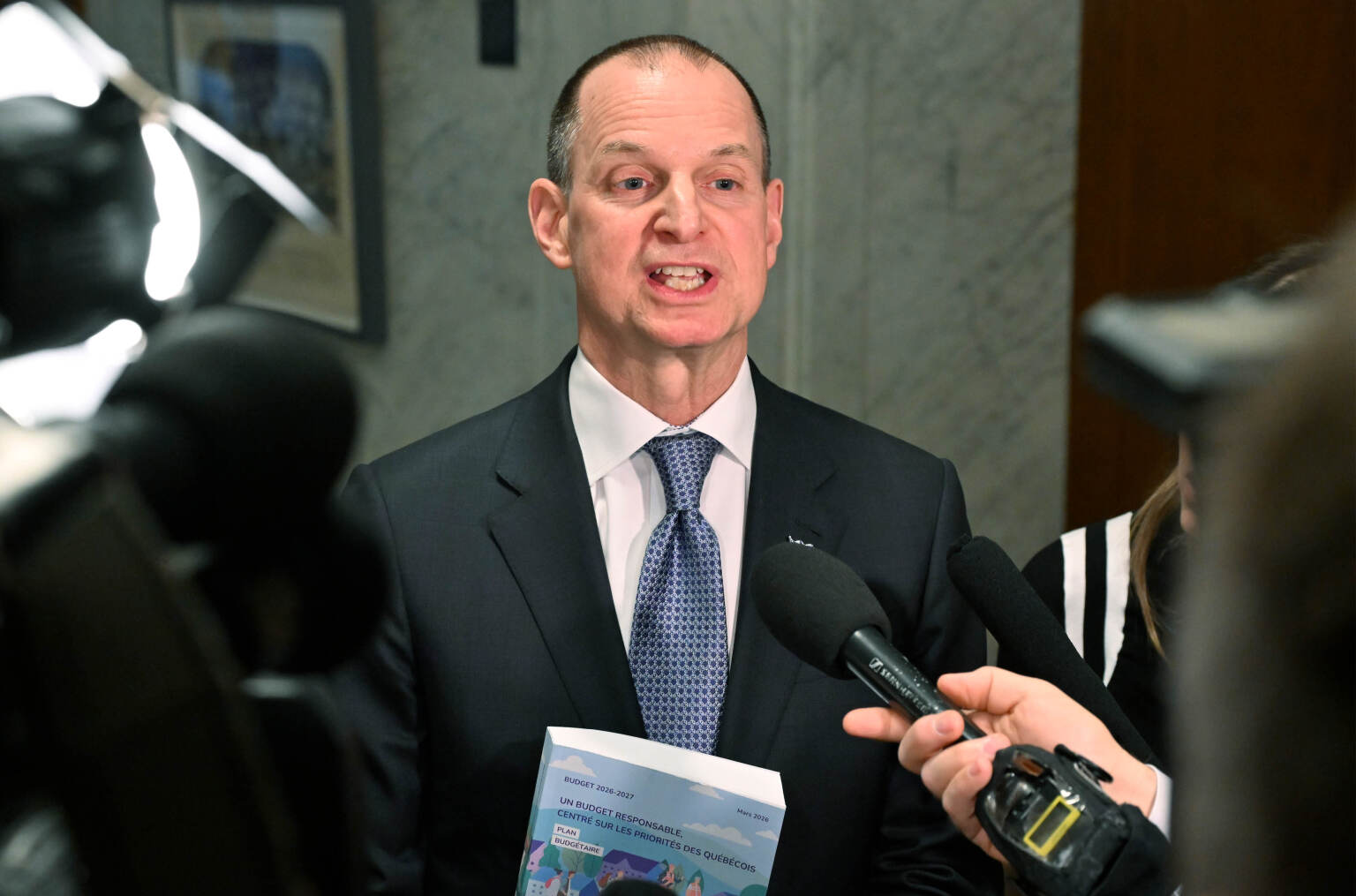
Quebec makes 5-year, $392M investment in universities to drive economic growth
With targeted investments in research and innovation, the provincial budget banks on universities to boost the economy — but fails to address structural underfunding.
-

Universities are beacons of knowledge lighting Canada’s path to a sustainable future
Steven Guilbeault reflects on Canada’s environmental pressures and the role higher education plays in shaping sustainable solutions.
More from Budget
-
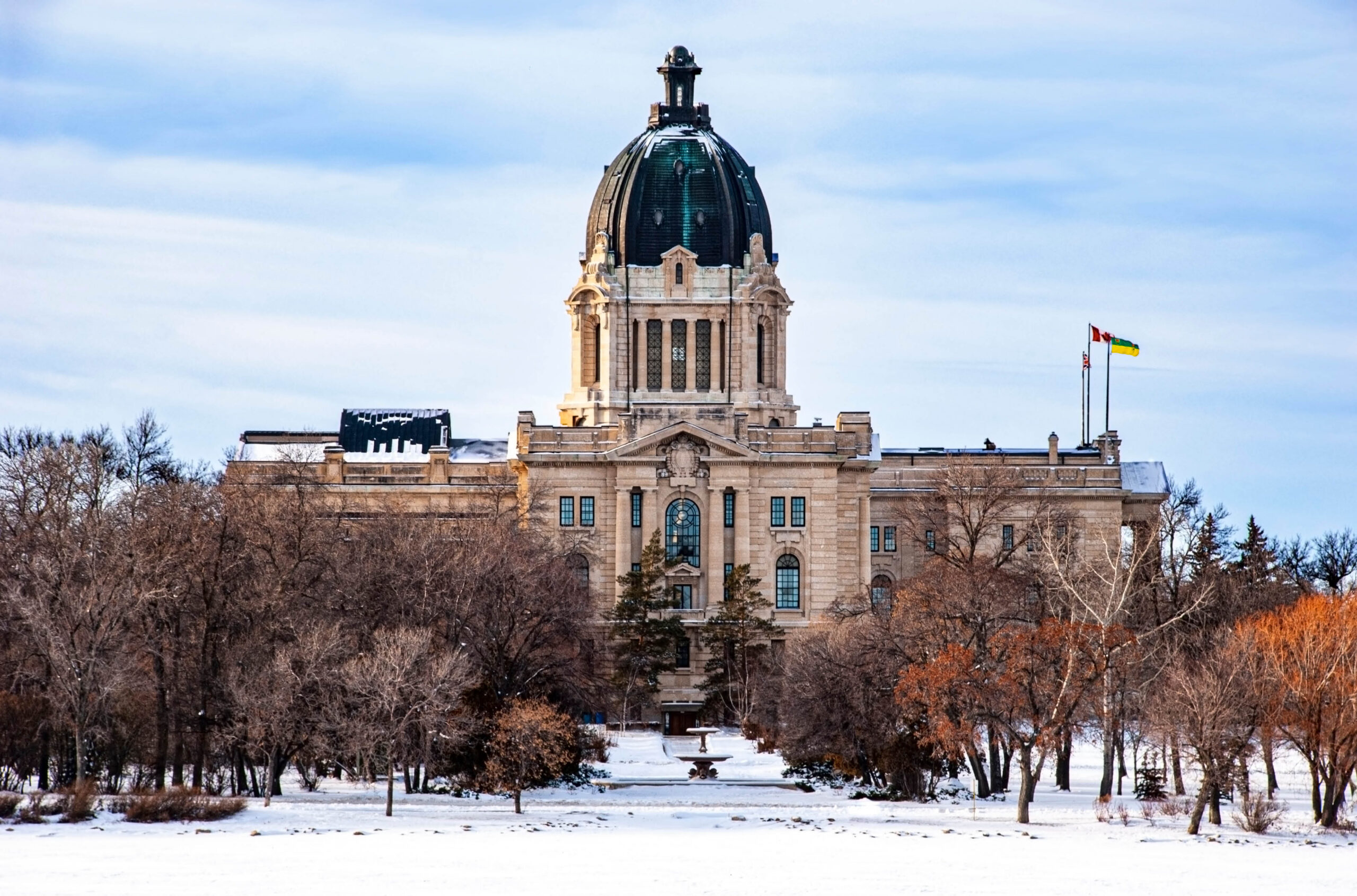
Saskatchewan increases funding to universities, confirms multi-year agreement in 2026 budget
Universities will receive $33.6 million in operating funding in 2026-27.
-
New Brunswick effectively freezes post-secondary funding in 2026 budget
Universities given reprieve after cuts proposed earlier this month.
-
Modest operating increase for Alberta universities in $9.4 billion-deficit budget
Province invests an additional $148 million to add 4,000 new seats to high-demand programs.
-
University funding remains unclear after Nova Scotia budget
Government announces a 2% increase, but bilateral agreements mean the devil is in the details.
More from Articles
-
Conservative MP wraps up campus tour aiming to “Restore the North”
Modelled on the late American conservative firebrand Charlie Kirk, Jamil Jivani’s tour brought discussion of economics, immigration and identity to universities across Canada.
-

International students in limbo as Quebec cancels immigration pathway
Axing the Quebec Experience Program may discourage global talent from settling in the province.
-

Federal science cuts may have ripple effect on universities
Departmental belt-tightening in Budget 2025 adds to a long history of government reductions in scientific research.
-
Students protest cuts to OSAP grants
Changes may push some to opt for shorter college programs instead of university.

Post a comment
University Affairs moderates all comments according to the following guidelines. If approved, comments generally appear within one business day. We may republish particularly insightful remarks in our print edition or elsewhere.