Ontario lifts tuition freeze, injects $6.4B in post-secondary sector
New provincial strategy also overhauls student assistance program and promises to align university programs with labour market.
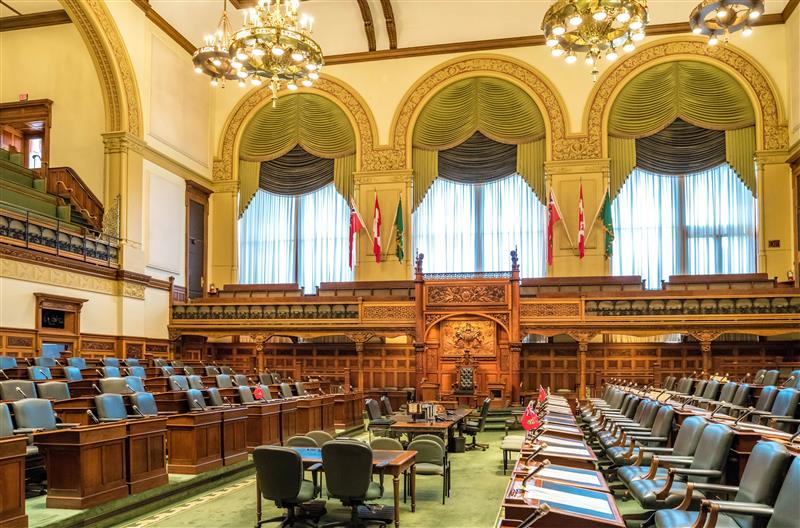
After years of calls for a significant increase in funding to its post-secondary sector, the Ontario government responded Thursday, announcing an additional $6.4 billion over four years and an end to its tuition freeze.
According to a provincial government statement, the major infusion was in response to “unprecedented pressures” on the sector, including changes to federal immigration policy, which have significantly diminished the revenue generated from international student tuition fees.
“Our government is not only ensuring the sustainability of our colleges, universities and Indigenous institutes, but also preparing our graduates with the in-demand skills they need to meaningfully find good-paying, rewarding careers, while continuing to keep education accessible and keep costs down for students and their families,” said Nolan Quinn, the province’s Minister of Colleges, Universities, Research Excellence and Security.
The funding boost includes a six per cent increase in baseline full-time student funding, an additional 70,000 new seats for in-demand programs, and new funding for small, rural, northern, French-language and Indigenous institutions.
For the first time in seven years, universities and colleges will be allowed to raise tuition by as much as two per cent a year for the next three years. After that, annual tuition increases will be capped at either two per cent a year or the three-year average rate of inflation, whichever is lower.
The Ontario Student Assistance Program, or OSAP, will also be overhauled. Calling the program “dramatically out of line with other jurisdictions,” the government said students would be limited to a maximum of 25 percent grant support, while the remainder would be provided through loans. The province intends to negotiate an “enhanced” version of its Student Access Guarantee partnership program, where post-secondary institutions must help eligible students to cover any gaps in OSAP funding that do not fully cover their tuition, course materials and mandatory fees.
The association representing the province’s universities was effusive in its praise for the funding announcement. Steve Orsini, president and CEO of the Council of Ontario Universities, opened the Ontario government’s news conference, calling the announcement “a bold, substantial investment in higher education,” that would promote “greater sustainability and long-term planning to support our students in local communities.”
Deborah MacLatchy, the president of Wilfred Laurier University in Waterloo, Ont., said the university welcomes the funding.
“This significant investment strengthens the province’s universities at a critical moment and ensures students have access to high-quality programs and essential supports that prepare them to build thriving communities and a strong Ontario,” she said, adding that Laurier “remains committed to responsibly managing costs, looking for revenue generating opportunities, and strategically investing in areas that will ensure the long-term sustainability of the university.”
The announcement also received tempered support from the Ontario Confederation of University Faculty Associations. In a statement, it said that it “welcomed” the funding increase of six per cent, per student, announced Thursday. However, it calculated that the Ontario government would actually need to increase funding by 13.5 per cent, per student, on a compounding annual basis for the next five years, to meet the national average.
“Today’s announcement reminds us just how far behind the rest of the country Ontario is when it comes to per-student funding at universities,” said Rob Kristofferson, OCUFA’s president. “Even with a six per centincrease to base operating funding, it appears Ontario’s universities will still have the lowest funding in the country so there is still more work to do to help the sector thrive.”
Omar Sayyed, vice-president of finance for the Ontario Undergraduate Student Alliance, said while the group was “super happy” to see the increase in base funding, and appreciated that the tuition increase was modest and predictable, it was most concerned about the changes to OSAP. Those will constitute a complete flip of the current program, which allows up to 85 per cent of financial aid through grants, he said.
“Out of the three changes, that is the one that will affect students the most,” Mr. Sayyed said.
Even at two per cent, the new allowable tuition increase “is not what students were wanting to see,” said Kayla Weiler, government relations and policy coordinator for the Canadian Federation of Students-Ontario. “The major changes to OSAP are going to just burden more students with student debt. Students are already paying their fair share when it comes to education.”
The long-awaited announcement followed provincial work to develop a new post-secondary funding model in response to auditor general reports raising concerns about post-secondary institution finances and a blue ribbon report in 2023 calling for an initial 10 per cent increase in funding, followed by two per cent annual increases for three to five years and an end to the tuition freeze. The province has made additional funding announcements since the blue ribbon report, including a $1.28 billion increase over three years announced in 2024, and another $150 million per year over five years, announced in 2025.
With files from Lazourd Al Nashed.





Featured Jobs
- Canada Impact+ Research ChairInstitut national de la recherche scientifique (INRS)
- Engineering - Assistant Professor, Teaching-Focused (Surface and Underground Mining)Queen's University
- Director of the McGill University Division of Orthopedic Surgery and Director of the Division of Orthopedic Surgery, McGill University Health Centre (MUHC) McGill University
- Human Rights - Assistant Professor (Expertise in Peace & Conflict Studies, Socioeconomic Rights and/or Indigenous Rights)University of Winnipeg
- Human Rights - Assistant Professor (Expertise in Human Rights related to Artificial Intelligence and Digital Security)University of Winnipeg
More from News
-
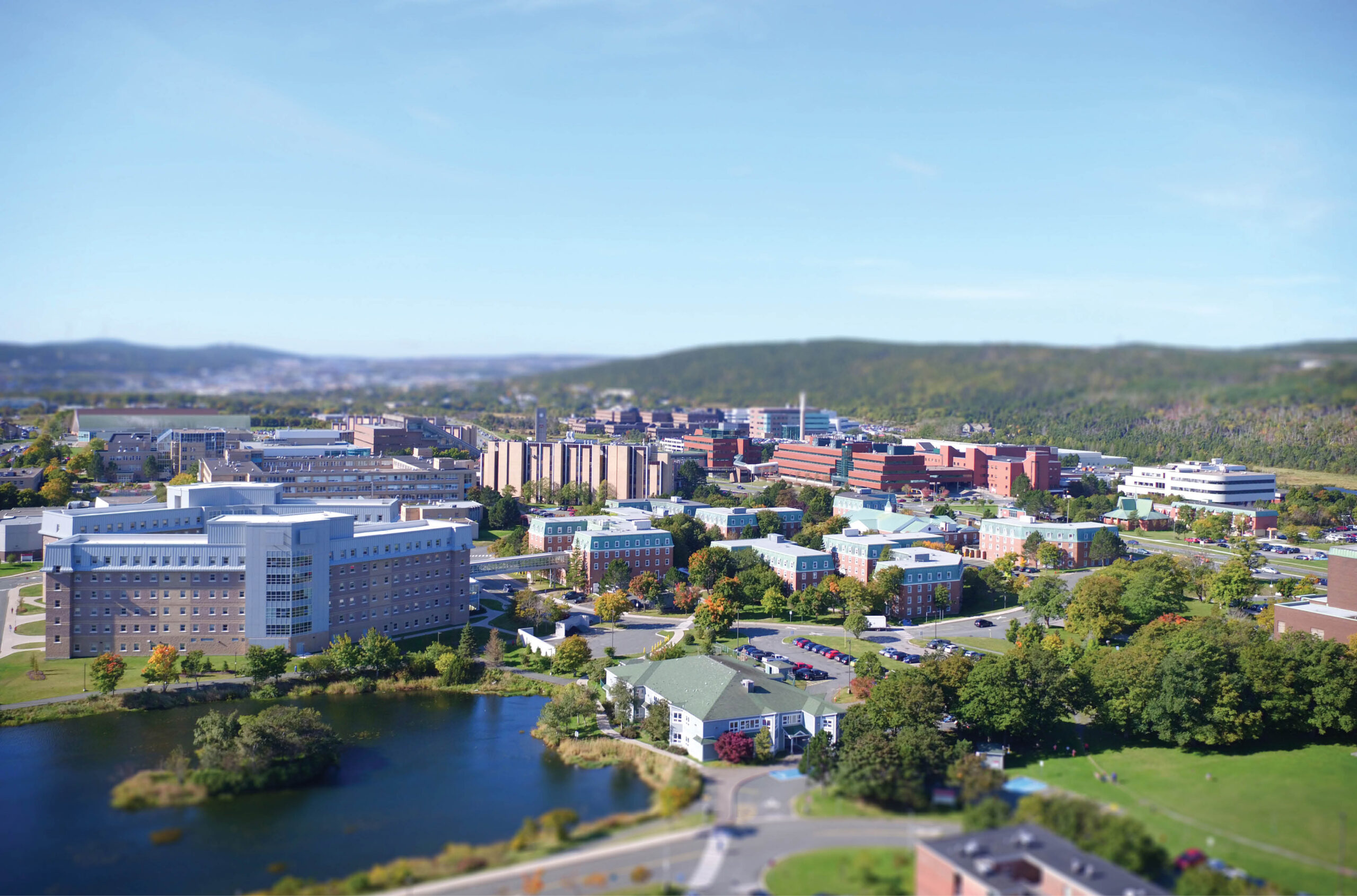
Program changes at Memorial raise concerns
Impact on faculty and students remains unclear amid decreased enrolment and financial challenges.
-

UBC leads the way on civil discourse
A successful debate series places universities as centre stage in ending polarization.
-
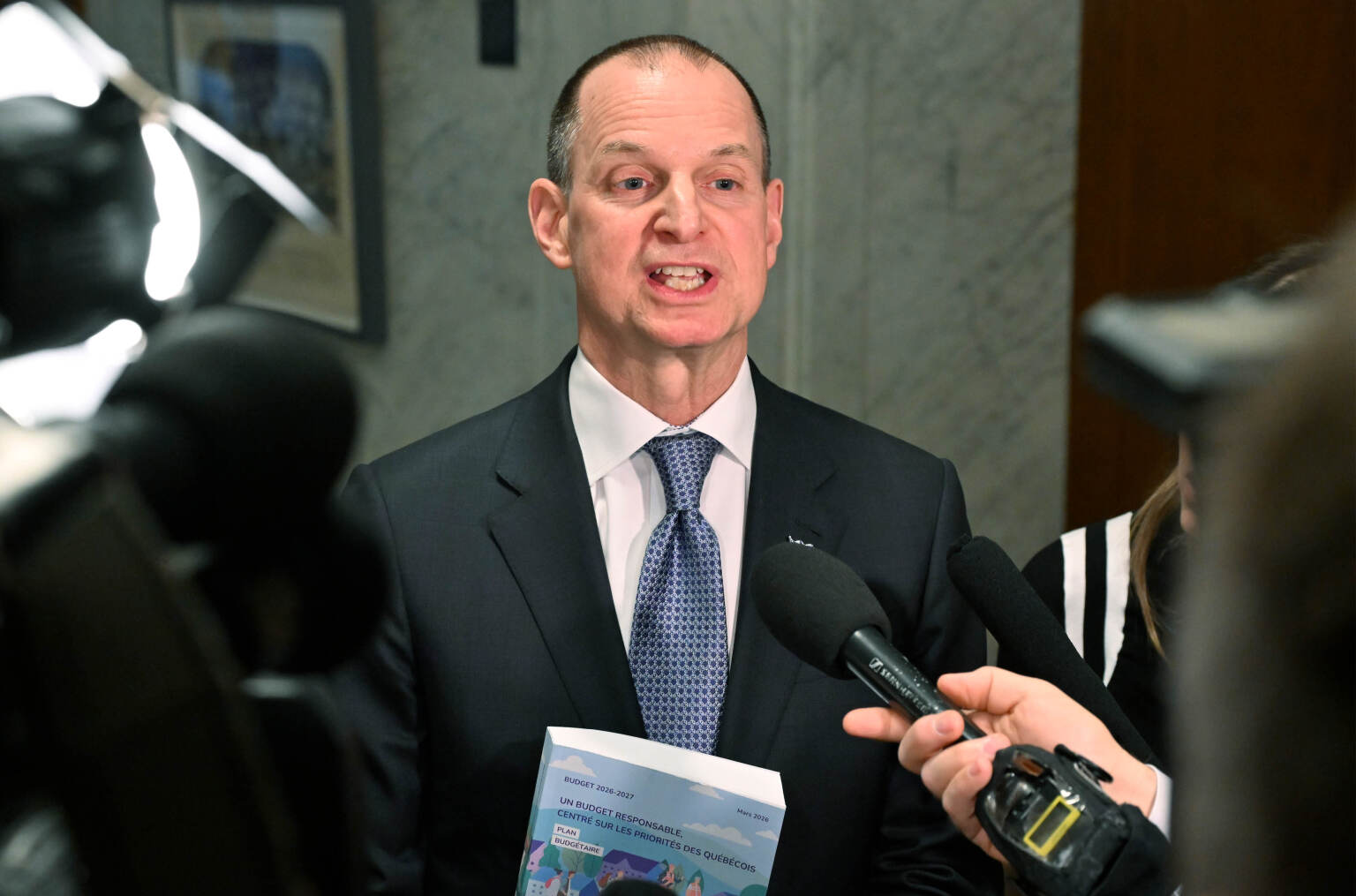
Quebec makes 5-year, $392M investment in universities to drive economic growth
With targeted investments in research and innovation, the provincial budget banks on universities to boost the economy — but fails to address structural underfunding.
-

Universities are beacons of knowledge lighting Canada’s path to a sustainable future
Steven Guilbeault reflects on Canada’s environmental pressures and the role higher education plays in shaping sustainable solutions.
More from Policy
-
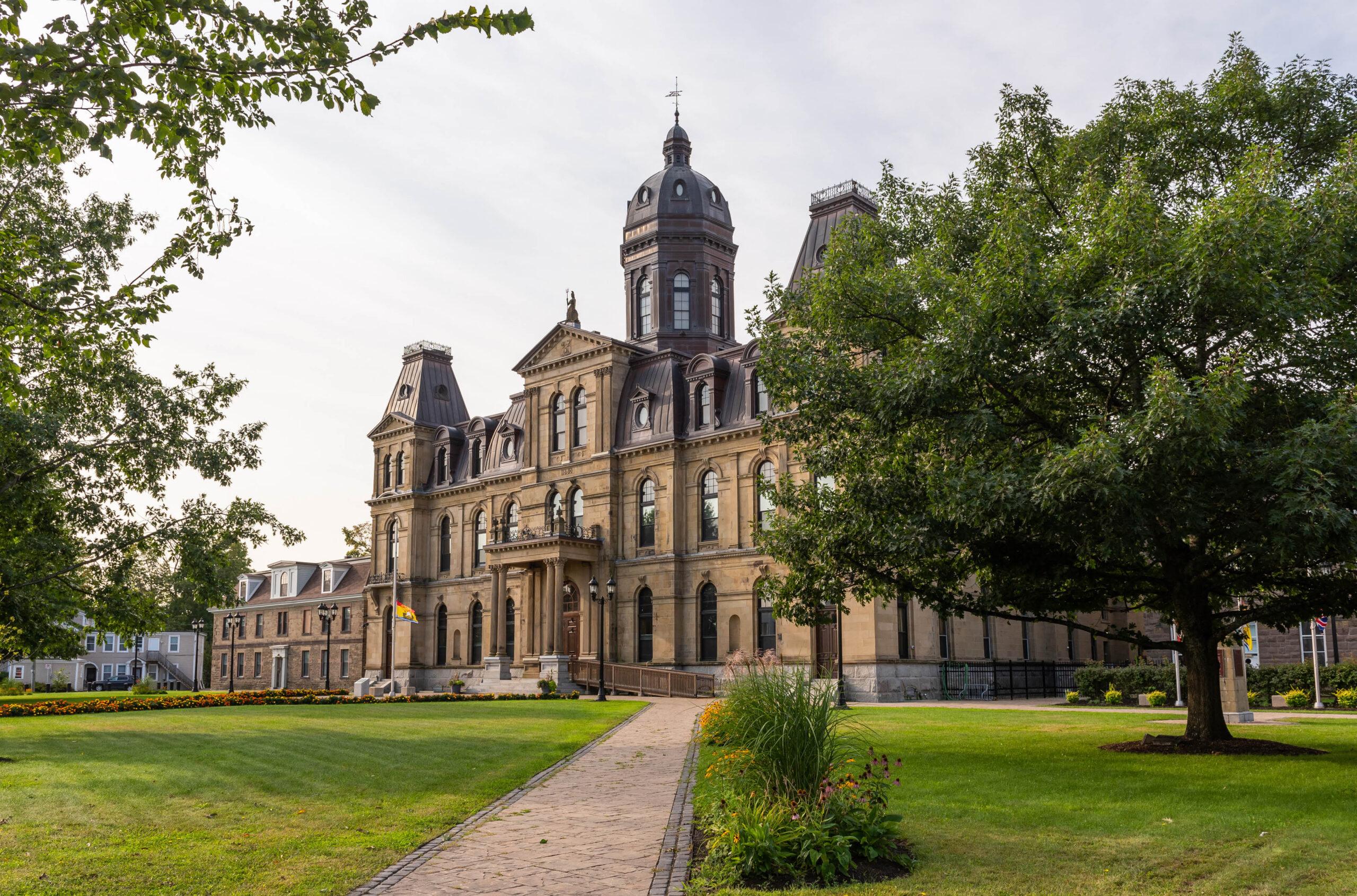
Profs decry ‘catastrophic’ cuts proposed by NB government
'There are 20+ campuses in NB for 860,000 people. Do we need them all?' Read all 16 government suggestions.
-
Universities have a critical role to play in the fight against “forever chemicals”
As PFAS contamination spreads, universities must champion interdisciplinary learning, ethical reform and community partnerships, says Robert Bilott, the attorney at the center of Dark Waters.
-

Leading a university through turbulent times
Marie-Eve Sylvestre, University of Ottawa’s new president, discusses leadership, academic freedom and the future of universities.
-
Recalibrating Canadian universities to meet the Mark (Carney)
How university leadership can better support Canadian innovation and economic growth.
More from Articles
-
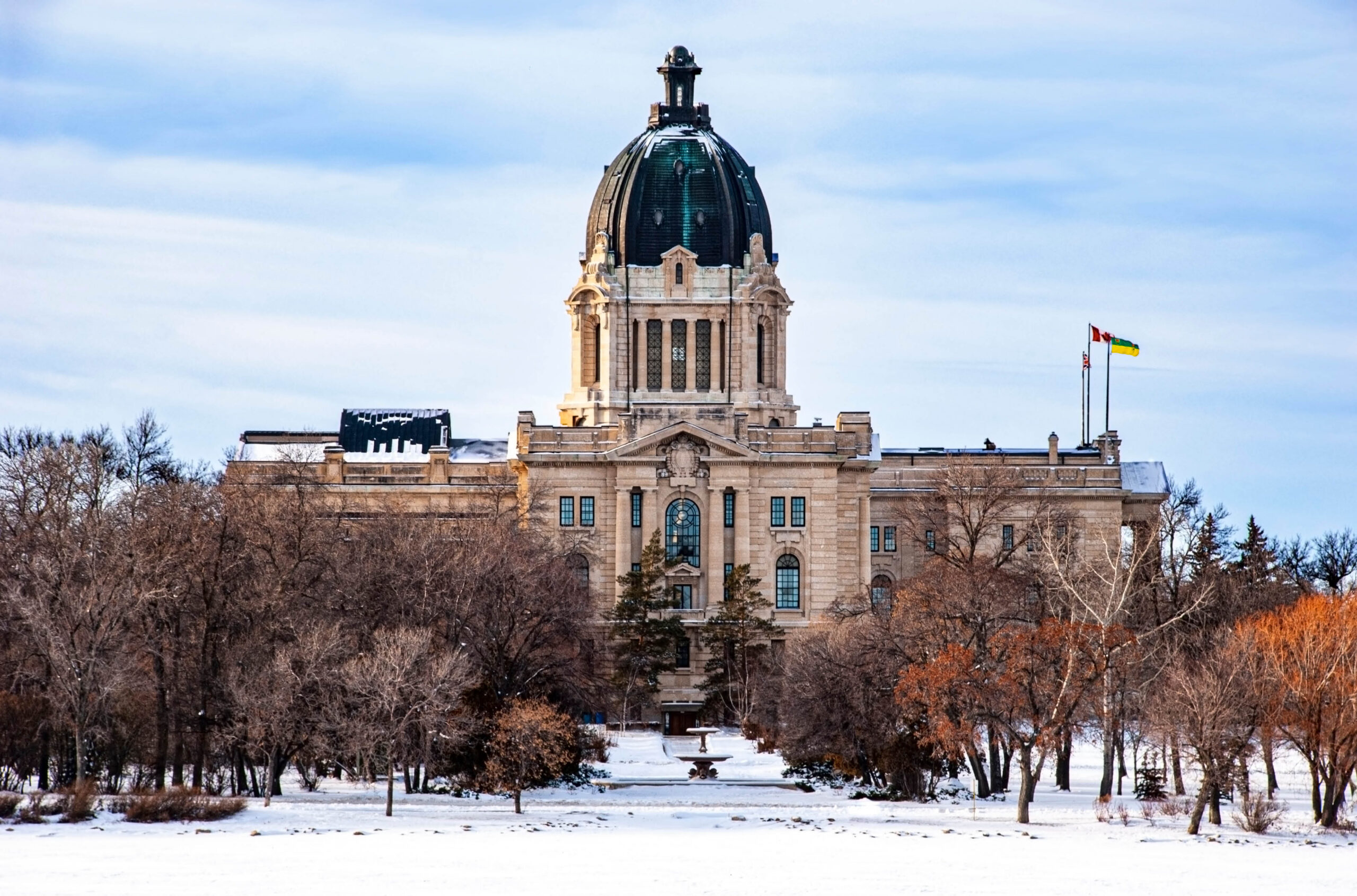
Saskatchewan increases funding to universities, confirms multi-year agreement in 2026 budget
Universities will receive $33.6 million in operating funding in 2026-27.
-
New Brunswick effectively freezes post-secondary funding in 2026 budget
Universities given reprieve after cuts proposed earlier this month.
-
Conservative MP wraps up campus tour aiming to “Restore the North”
Modelled on the late American conservative firebrand Charlie Kirk, Jamil Jivani’s tour brought discussion of economics, immigration and identity to universities across Canada.
-

International students in limbo as Quebec cancels immigration pathway
Axing the Quebec Experience Program may discourage global talent from settling in the province.

Post a comment
University Affairs moderates all comments according to the following guidelines. If approved, comments generally appear within one business day. We may republish particularly insightful remarks in our print edition or elsewhere.