-
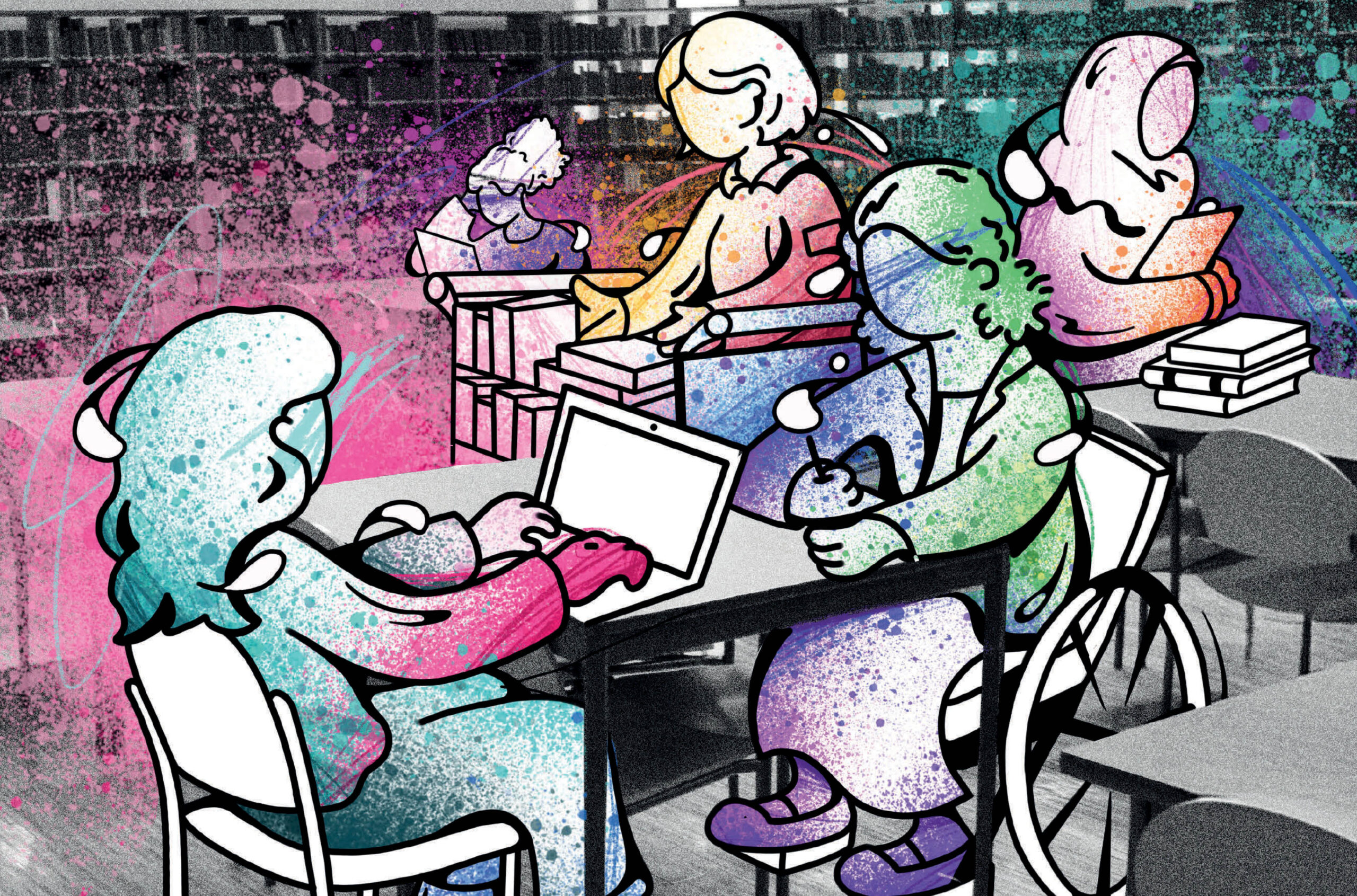
Why counting matters
‘Measuring gender equity is important in order to know whether you have made any progress. Otherwise, some people may feel progress has been made while others don’t experience it,’ asserts gender equity expert.
-

Inclusion is not a passing trend
Senior administrators and university boards need to do a better job setting up Black leaders for success.
-

There needs to be better access to study abroad programs for equity-deserving students
By increasing access and using better marketing strategies, universities can ensure a more diverse applicant pool.
-

Unpacking inequalities at the doctoral level: Part 1
Despite strong interests in having diversified, highly qualified professionals, doctoral candidates generally remain a homogeneous group while minorities still face challenges in their doctoral path.
-

Why university marketing/communications offices need to hire critical race theory experts
Marketing/communications offices need to ensure the voices of BIPOC faculty and students are represented and amplified, not tokenized or misrepresented as they are now.
-
Racial equity leadership in COVID times
How the pandemic has highlighted the disparities and knowledge gaps in our institutions and society.
-

Are Canadian universities in any position to lead anti-racism movements?
To work in a setting in which all of the power, opportunities, leadership and administration is primarily white is a powerful reality check.
-

Canada’s nursing programs address racial prejudice in the profession
Tackling racism isn’t a ‘flash-in-the-pan kind of thing,’ says the head of the Canadian Association of Schools of Nursing.
-

Rethinking university scholarships to improve equity, diversity and inclusion among winners
The decisions that professors make around evaluation and review – as well as in teaching and scholarly inquiry – are a product of their own interpretation of “excellence.”
-

2020: Canadian higher education in review
As an eventful 2020 comes to an end, here are the stories and issues that shaped the year in Canadian higher education. Stories that made 2020 Flight 752: a terrible start to the year While the pandemic has been uppermost...
-
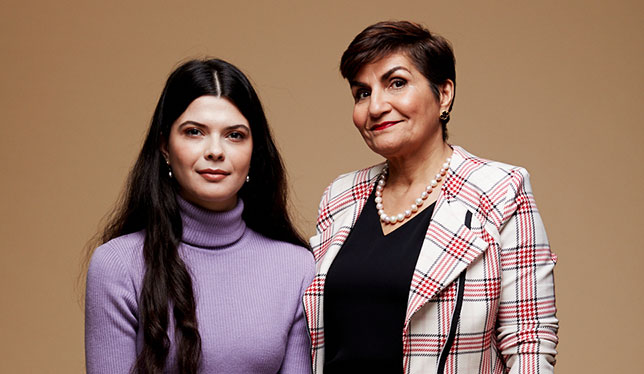
What we’ll remember from 2020
It’s been quite the year. We’ve read and reported, edited and produced, hundreds of stories, many of them related to the COVID-19 pandemic. While we get ready to say goodbye to a memorable 2020, here are the...
-

Celebrate diversity, embrace equity and cultivate inclusion
Diversity is easy to define and measure, and thus manage, but equity and inclusion are not and require much greater effort.
-

What Canadian researchers are discovering about the psychosocial effects of the pandemic
Intimate partner violence, families with young children, people with disabilities and Indigenous mental health are among the many areas under investigation.
-
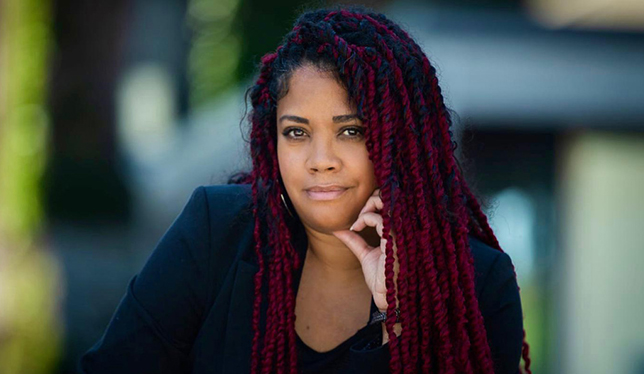
I can’t breathe: feeling suffocated by the polite racism in Canada’s graduate schools
Only through our collective efforts to recruit and retain Black and racialized faculty members can we fully ensure the success of Black and racialized students in higher education.