-

U the North
Working together with Inuit, First Nations and Métis, university researchers are bolstering sovereignty and improving living conditions in the Arctic.
-

At the forefront of advancing resurgence and decolonization
Emerging Indigenous scholars embody the skills, knowledge and visionary leadership needed to address ongoing settler colonialism.
-

Sharing circle: Our learnings from organizing an anti-colonial intercultural dialogue program
The goal was to create a safe space that helped international students recognize their entanglement with settler colonialism as uninvited visitors to this land.
-

What role should universities play in revitalizing Indigenous languages?
Scholars in Calgary, Odanak and Edmundston have recently spearheaded research projects on the revitalization of Indigenous languages. But where do universities fit in, and how should they be contributing?
-
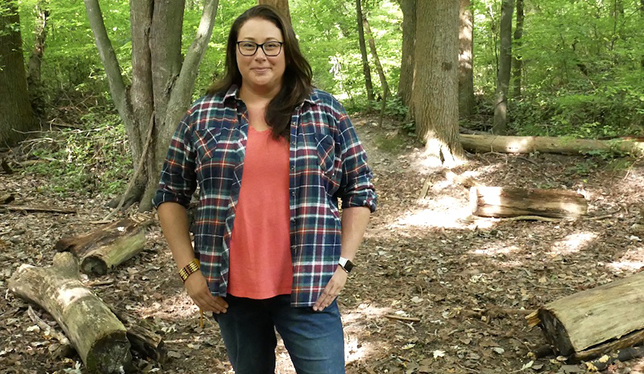
Want to reach out to an Indigenous scholar? Awesome! But first, here are 10 things to consider
Many Indigenous scholars forge ahead to passionately contribute to systemic change; however, as requests mount, and there’s not enough time to go around, we are stretched incredibly thin.
-

Taking steps towards reconciliation
An invitation to decolonize universities through collaboration.
-

Universities mark National Day for Truth and Reconciliation
Some university campuses will be closed for the new statutory holiday.
-
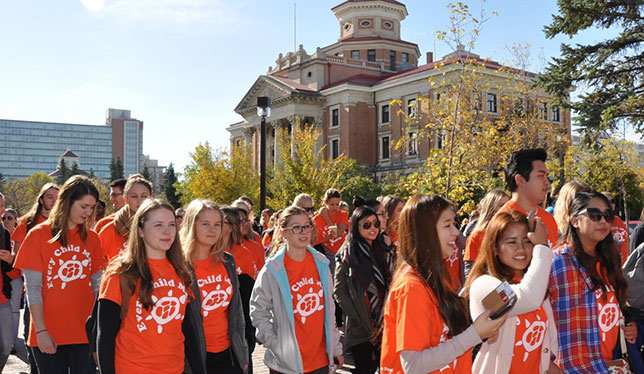
National Day for Truth & Reconciliation: universities and schools must acknowledge how colonial education has reproduced anti-Indigenous racism
Reconciliation in education begins by acknowledging how educational systems — in particular, our universities, teacher education programs and curricula — have reproduced systemic anti-Indigenous racisms across Canada.
-

Where truth and reconciliation stand at Canadian universities
While some Indigenous scholars say there’s been significant progress, others see mostly rhetoric.
-

Reconsidering Ryerson: why Indigenous and non-Indigenous students, faculty and staff are demanding the university change its name
Universities across the country are reassessing historical figures and renaming the buildings that commemorated them.
-

How one Nova Scotia university is honouring the language of the territory’s original people
StFX students will now receive two degrees when they graduate: one in Latin and one in Mi’kmaw.
-
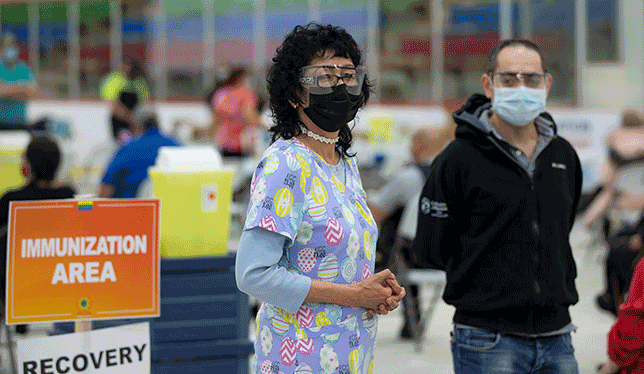
Governments turn to University of Manitoba Indigenous health institute to administer COVID-19 vaccines to Indigenous and remote communities
“It’s reconciliation in action,” says executive director of Ongomiizwin.
-

Weaving Indigenous and western knowledge
How Indigenous researchers and communities are working in partnership with universities and non-Indigenous researchers to shape the future of environmental sciences.
-

Yellowhead Institute puts Indigenous policy expertise first
How the Indigenous-led think tank is forging its own path through community, not competition.