-
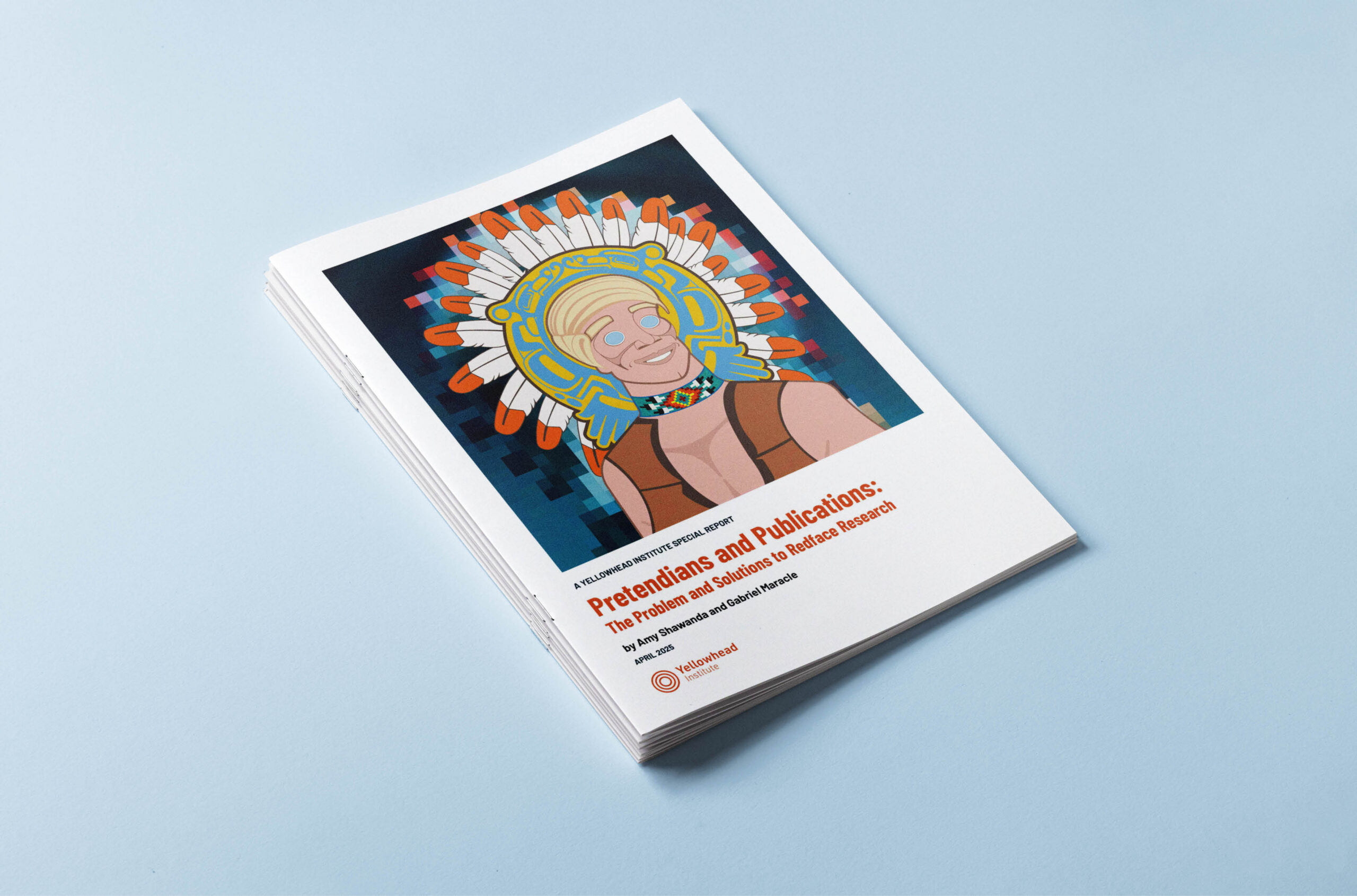
Addressing academia’s pretendian problem
Two Indigenous professors create a reference guide to stop scholars who falsely claim Indigenous heritage.
-

Equity and academic programming: beyond simply an additive approach
Why Canadian universities need to think more holistically to effectively integrate more robust forms of equity.
-

International truths and (reconciliation)
Being invited to give Canadian context to other countries’ reconciliation efforts with Indigenous communities is a great honour, but we must remember that we still have a considerable distance to go before we can mutually agree on our progress.
-

It’s time to retire ‘white paper’
Deconstructing the racial and historical context surrounding the controversial term.
-

How universities can support Indigenous online learners in the COVID-19 pandemic
Indigenous people with experience guiding culturally safe talking circles in an online environment can work with students to nurture safe virtual spaces.
-
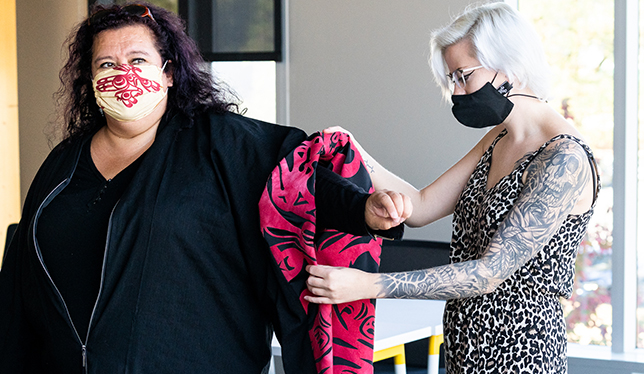
New chancellor inspires an update to Kwantlen Polytechnic University’s regalia
With a Coast Salish design and modern fit, the new academic robes honour Kim Baird, the first Indigenous woman to serve as chancellor at the institution.
-

Universities report a wide range of services and programs for Indigenous students, survey finds
Latest review by Universities Canada of its member institutions also catalogues efforts towards reconciliation.
-

What Canadian researchers are discovering about the psychosocial effects of the pandemic
Intimate partner violence, families with young children, people with disabilities and Indigenous mental health are among the many areas under investigation.
-
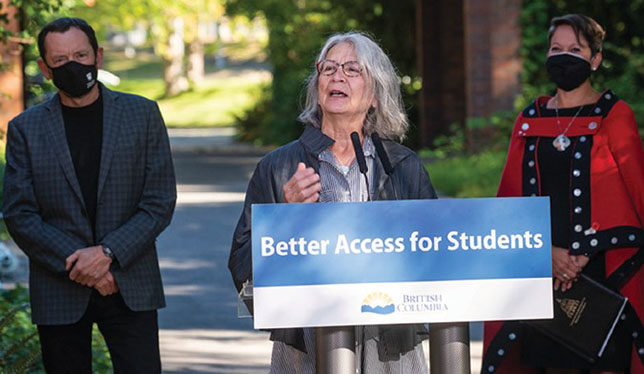
UVic to build new National Centre for Indigenous Laws
The centre will serve as home to the university’s world-renowned joint degree in Indigenous law and common law.
-

The shiny new university in Canada’s North
This May, Yukon College officially became Yukon University. The journey to becoming Canada’s first university north of the 60th parallel has been more than 45 years in the making.
-
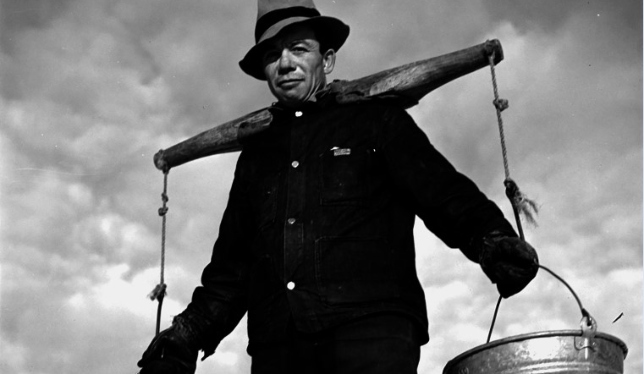
We need a wider, more nuanced view of Métis diversity
A group of scholars offer a rebuttal to a recent article exploring the notions of “self-Indigenization” and “race-shifting.”
-

Researchers examine the growing phenomenon of “self-Indigenization”
The trend seems to be particularly prevalent in Eastern Canada and among those claiming Métis ancestry.
-

Collaboration and community key to universities’ reconciliation efforts, say conference speakers
Participants at the fifth annual Building Reconciliation Forum discussed the importance of acknowledging past mistakes, building meaningful community relationships and “unlearning.”
-

Helping one another to advance respect and reconciliation
We must acknowledge the difficulty of the work ahead, but not be deterred by it.