-
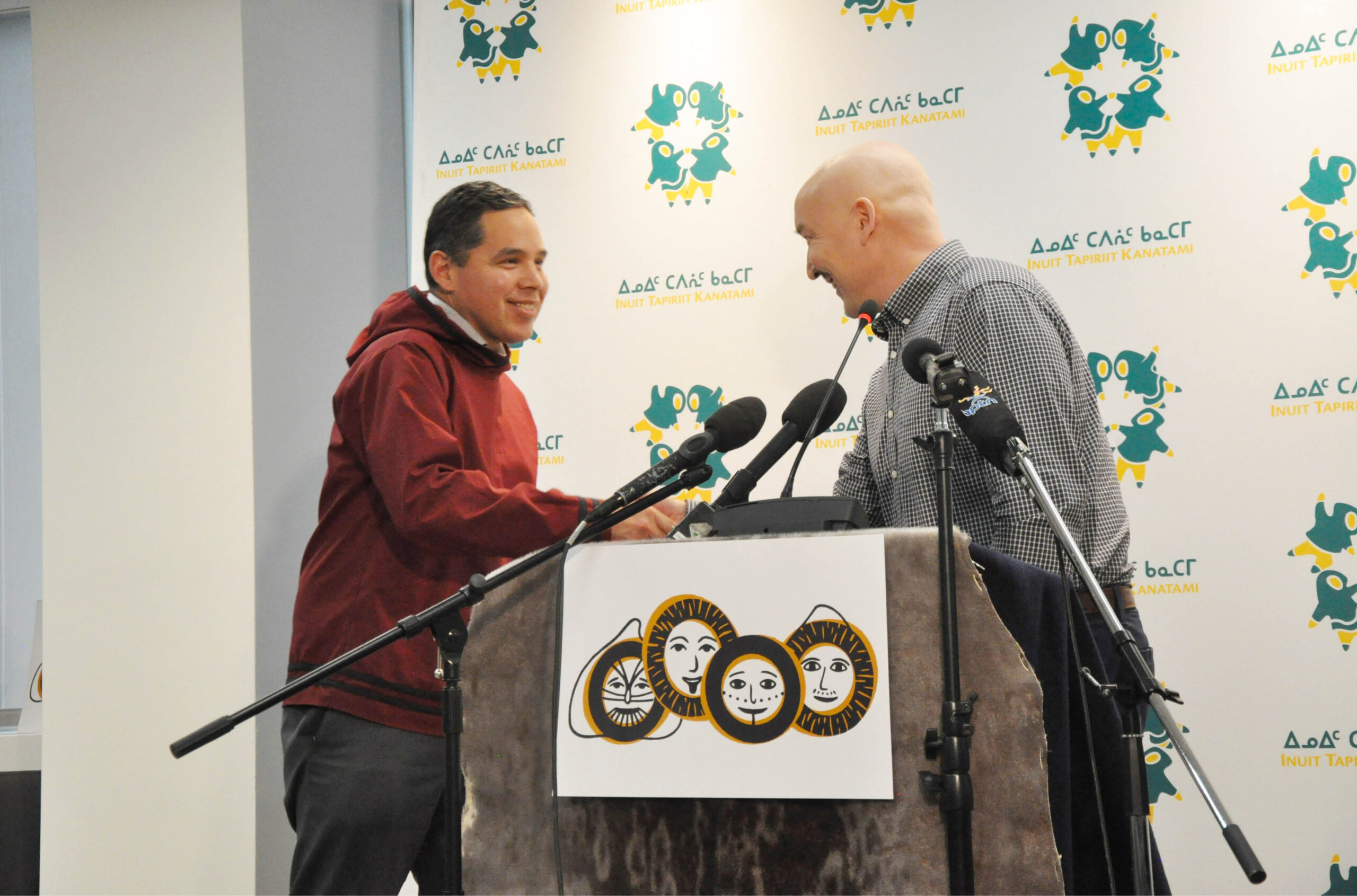
‘It’s what we need’: Nunavut senator praises Inuit Nunangat University announcement
With a location chosen in Arviat and a new $50 M pledge, the Inuit-led university pursues its plans to open in 2030.
-

Reconciliation and indigenization: ‘there’s still a lot of work to be done’
Recent survey results released by Universities Canada show a majority of respondents are committed to integrating Indigenous knowledge into their programs.
-

The road to reconciliation
Universities Canada’s new commitments to truth and reconciliation will be a living document.
-

Continuing education at First Nations University of Canada focuses in on reconciliation
The latest offering from the Indigenous Continuing Education Centre taps into the public appetite for guidance around the TRC’s calls to action.
-
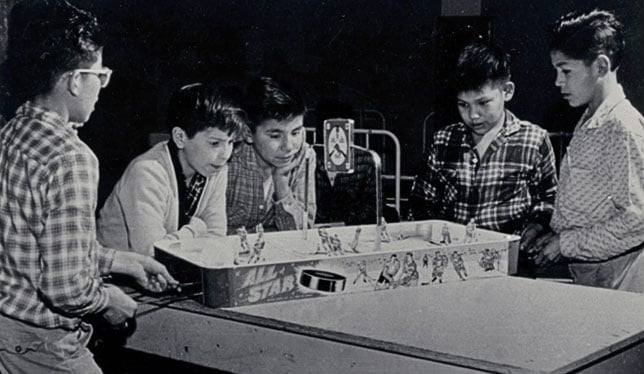
Archives are adapting to an era of digitization and decolonization
“Acknowledging that [Indigenous communities] have sovereignty over the material and that it is indeed not yours is one of the key things we’re trying to promote in the work that we’re doing with the archival community.”
-

Four questions to ask yourself when considering a move within senior academic administration
Having early discussions about a role change with those close to you is important, so they can grow with your decision.
-

How Thompson Rivers University is improving outcomes for Indigenous people
One program, Knowledge Makers, was recently recognized with the Alan Blizzard Award for excellence in teaching collaboration.
-
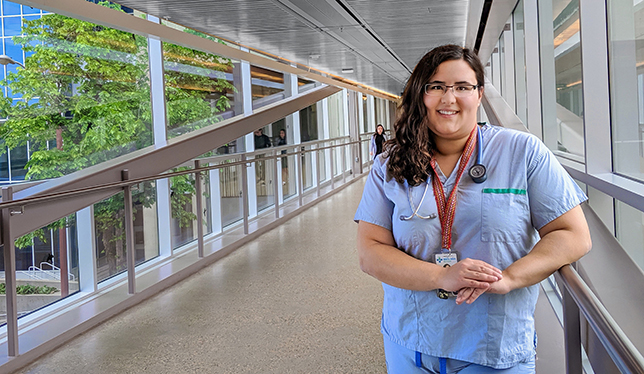
Canada’s faculties of medicine commit to improving Indigenous health
Boosting the number of Indigenous medical students, bolstering Indigenous curriculum among measures promised.
-
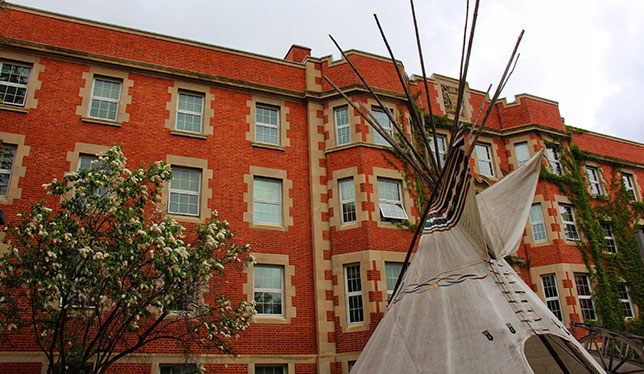
Indigenization efforts vary widely on Canadian campuses, study finds
Institutions have focused mainly on Indigenous inclusion, but that’s only one end of a spectrum of policies needed for reconciliation, researchers argue.
-
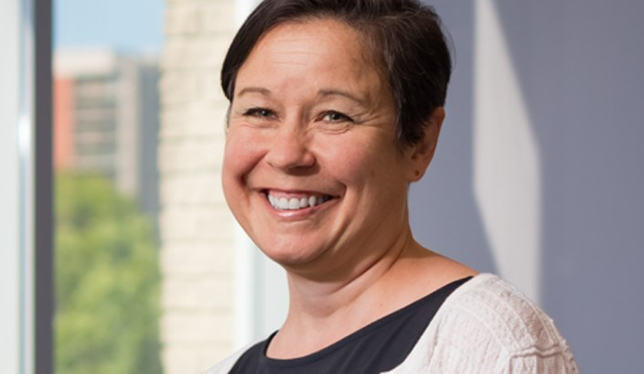
MacEwan president outlines how reconciliation became a priority at her university
According to Deborah Saucier, symbolic and structural changes have led to improved enrolment rates and staff retention.
-

Christi Belcourt and Isaac Murdoch create mural for MacEwan University
The work celebrates water, life and womanhood.
-

University, Indigenous leaders call for collaboration at reconciliation forum
Helping one another was a central theme of fourth national forum held at the University of Victoria.
-

Making a long-term commitment to Indigenous education
For lasting transformation to occur, these changes need to be embedded in our administrative and educational structures.
-

The rise of Aboriginal law
Canada’s law schools are revamping their programs and curricula to respond to what one law dean calls “the most significant shift in the Canadian legal landscape in our lifetimes.”