-

Beyond protection?
The impact of ethics sprawl on researchers at Canadian universities.
-

Engaging the public in sidewalk astronomy
The #popscope project energizes public spaces through experiential, free-choice learning.
-

McGill researchers help advance genetic research through a video game
Borderlands Science, a mini-game within the popular Borderlands 3 video game is putting a new spin on citizen science.
-

Reclaiming open access
It’s time to prioritize investments in open infrastructure to realize truly transformational open access.
-

Over 60 million pages of digitized Canadian heritage documents now accessible
The Canadian Research Knowledge Network made its Canadiana collections open to the public on January 1.
-

Bake Your Thesis brings together sweets and scholarship
The event, where graduate students explained their research in the form of a baked good, appears to be the first of its kind in Canada.
-

An academic’s podcast gets the peer-review treatment
Experiment between a professor and a university press examines the question: can a podcast be academic research?
-

The benefits and challenges of international research collaboration
Working with international colleagues can provide new insights and even a career boost, but it takes patience and planning.
-
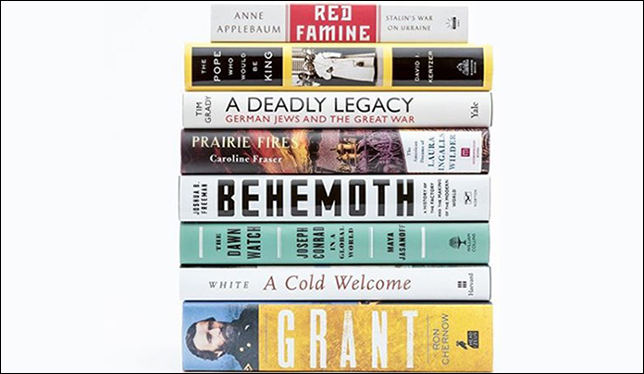
McGill reveals shortlist for the Cundill History Prize
Eight writers from around the globe are vying for the richest prize awarded to history books in English.
-

Too many bureaucratic hurdles for cannabis research
Why researchers are studying cannabis for promising anti-seizure medication.
-

Academics fight back against junk science, health scams
Pseudo-science “erodes our critical thinking, and that might be the most serious damage in the long run,” says one professor.
-

Research ethics: are we minimizing harm or maximizing bureaucracy?
A phenomenon called “ethics creep” is discouraging researchers rather than protecting study participants.
-
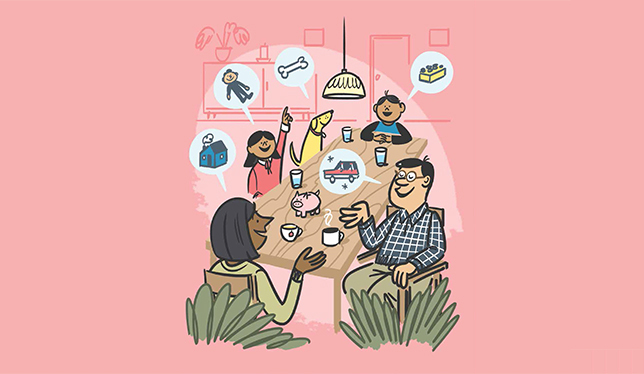
Putting the family in economics
The growing field of family economics applies the basic economic concepts to the family unit, allowing researchers to explore some fundamental policy issues.
-
Students get to showcase their award-winning accessibility-related designs
National competition aims to find innovative, practical and low-cost solutions to make our communities more accessible for persons with disabilities.