-
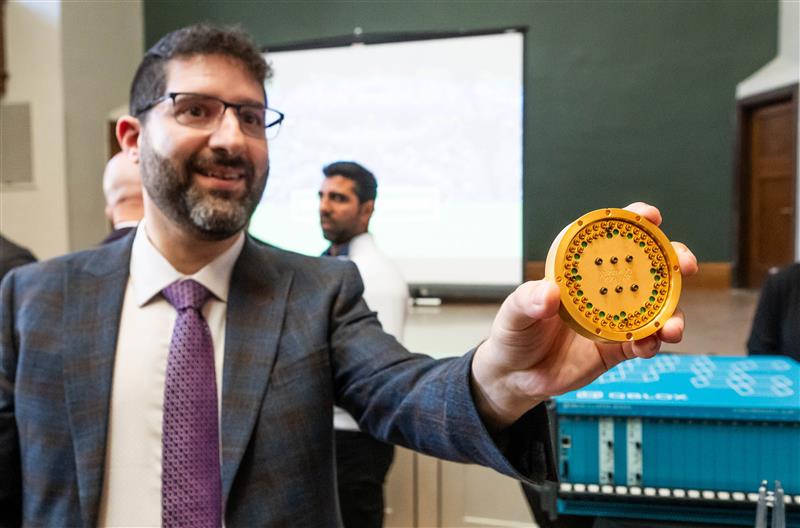
University of Saskatchewan acquires quantum computer to boost research capacity
Campus access to the technology will expand research possibilities.
-

The 2024 solar eclipse offers an educational opportunity
Universities getting a full view of the upcoming eclipse explore the science and art of astronomy.
-

From flipped classroom to flipped thesis: A model for engaged graduate student research
Building stakeholder partnerships from the beginning of a thesis project is a great way to inspire meaningful knowledge mobilization from student research.
-

The ebb of Canada’s past
Are regional, class, gender and ethnic history programs shattering Canada’s collective sense of national identity?
-
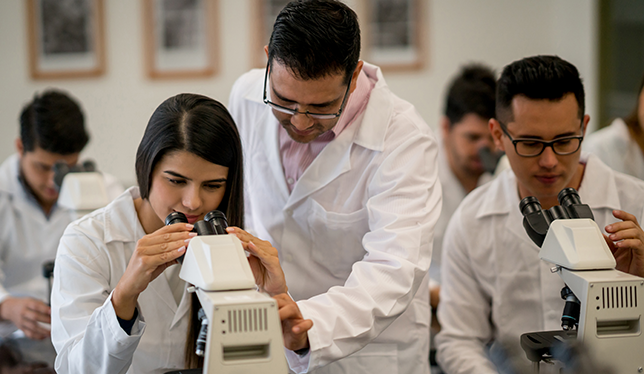
Women academics are still outnumbered at the higher ranks
Although women make up the majority of university graduates, they remain underrepresented in academia.
-

Why universities are stashing away seeds in sub-zero vaults
Seed banks are helping researchers resurrect plants from the past and create crops for the future.
-
Meet the winners of the 2018 Governor General’s Innovation Awards
Ebola researcher Gary Kobinger, a 20-year-old research team and an assistive-technologies pioneer are among those being honoured.
-

Researchers are using plants to tackle urban pollution
The City of Montreal has partnered with university researchers in a major project to decontaminate an old industrial site through vegetation.
-
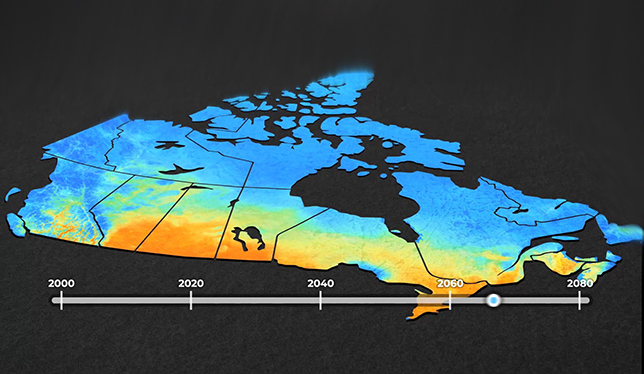
Climate atlas combines science with storytelling to address climate change
Interactive website features videos, maps and plain-language explanations to bring home the reality of climate change to Canadian communities.
-

Sharing research on Twitter may lead to higher citations
Science communication is becoming more and more important to emerging researchers.
-

Researchers gear up for cannabis legalization
The community is eager to track the wide-ranging social, economic and health impacts of this historic shift in public policy.
-

New UNESCO chair to focus on prevention of radicalization, extremism
The initiative will feature three co-chairs with different specialties from three separate universities.
-

What makes a great scientific advisory committee?
These committees review and provide input into scientific endeavors, but perhaps the merit of a project should also be assessed by how difficult it is to assemble this panel of experts.
-

How science is battling the scourge of sleeplessness
An increasing number of people aren’t getting enough sleep, and researchers are trying to figure out how to help.