-

Why some people succeed at university without being the ‘top students’
How to help students navigate the unwritten rules of the academy.
-
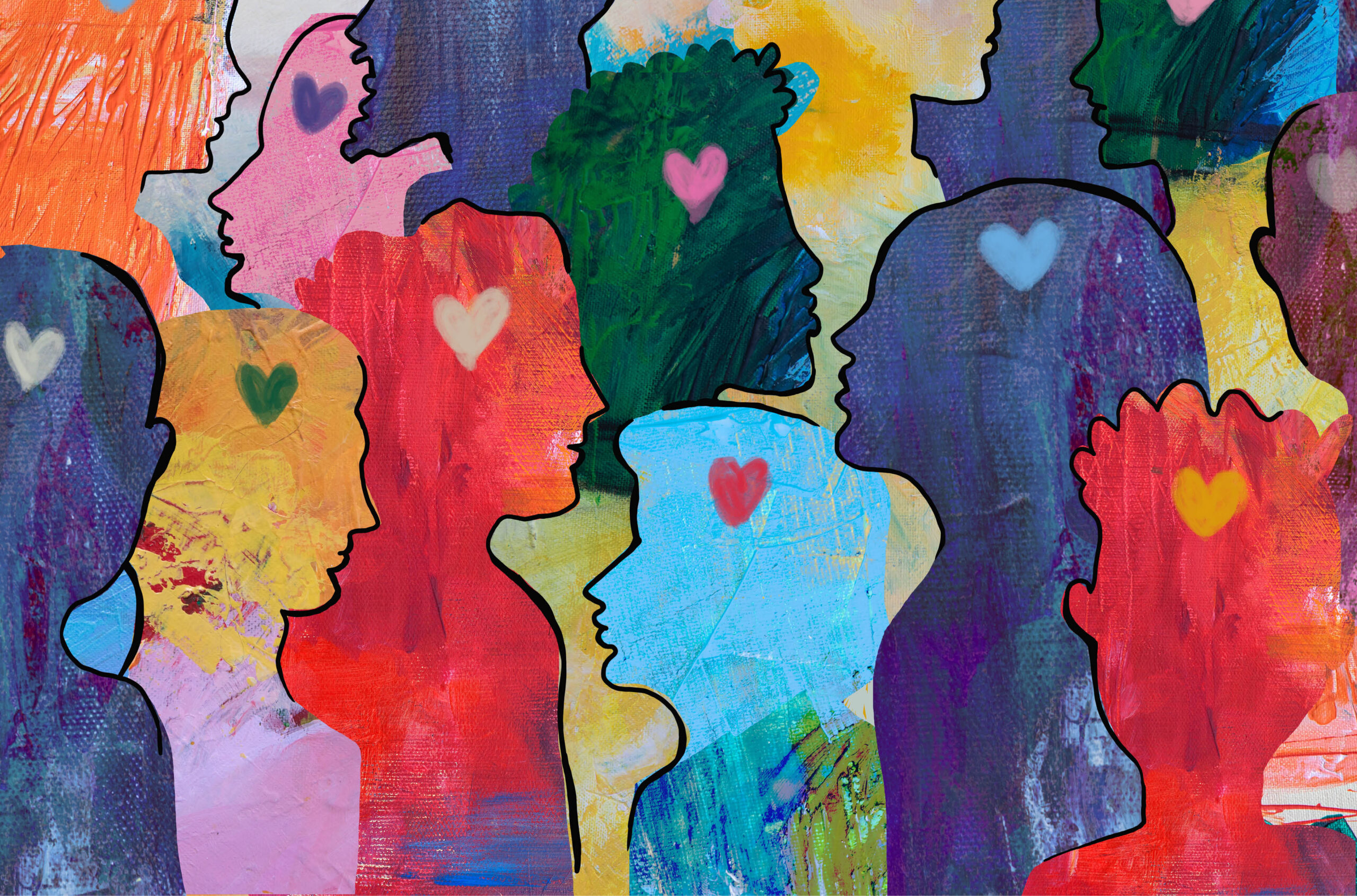
No student is an island
Improving the collective environment benefits students’ mental health.
-

Status hunt drives U.S. recruitment
Prestigious American universities have long exerted a gravitational pull on Canadian academia.
-
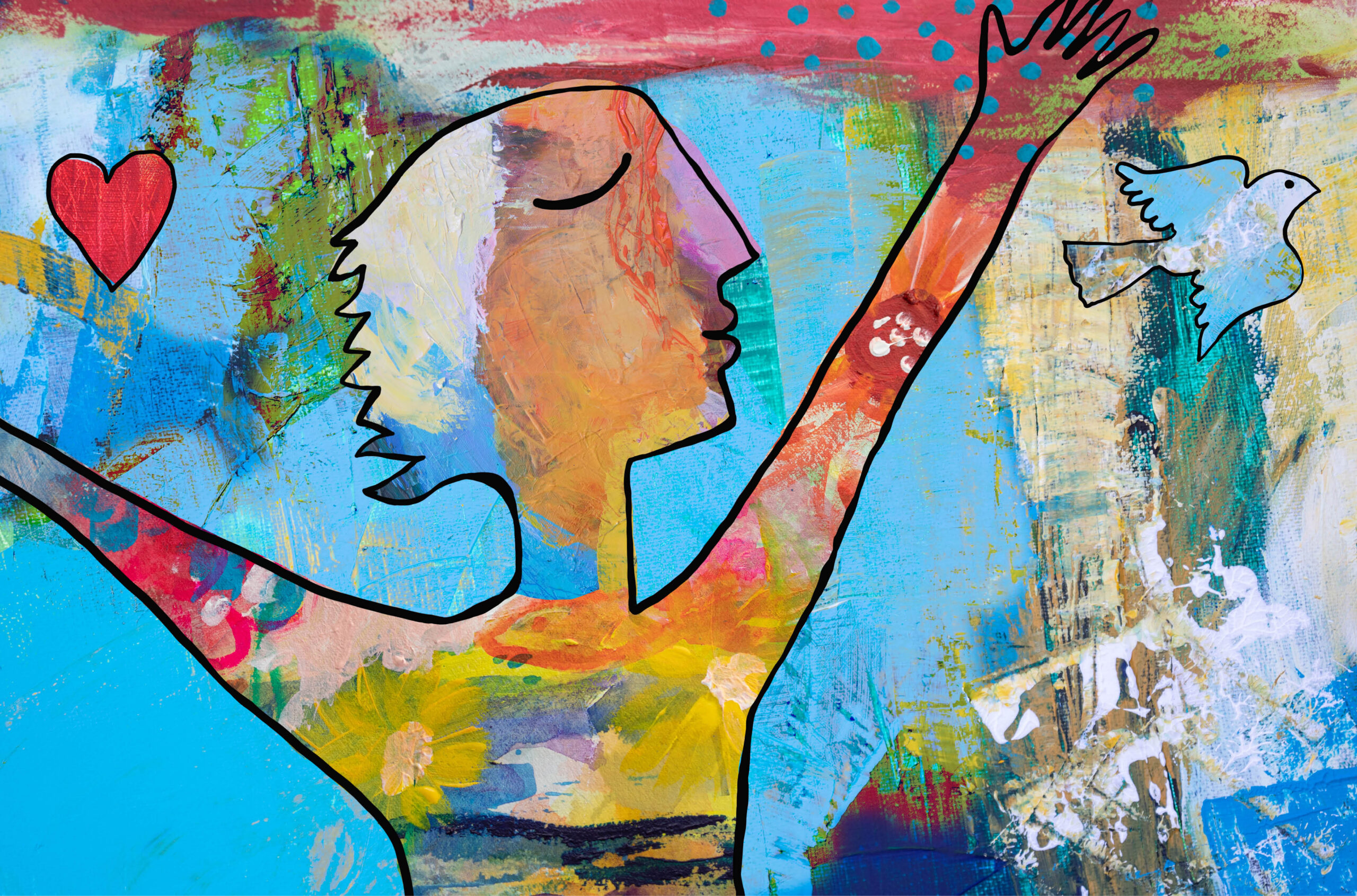
The Strengths Model
Quebec adopts a promising approach to promoting mental health in higher education.
Sponsored Content
-

MDPI Toronto Summit 2026: Bringing together leaders to shape the future of scholarly publishing
Highlights, key discussions, and insights from two days of collaboration, innovation, and open dialogue across leaders within the global research community.
-
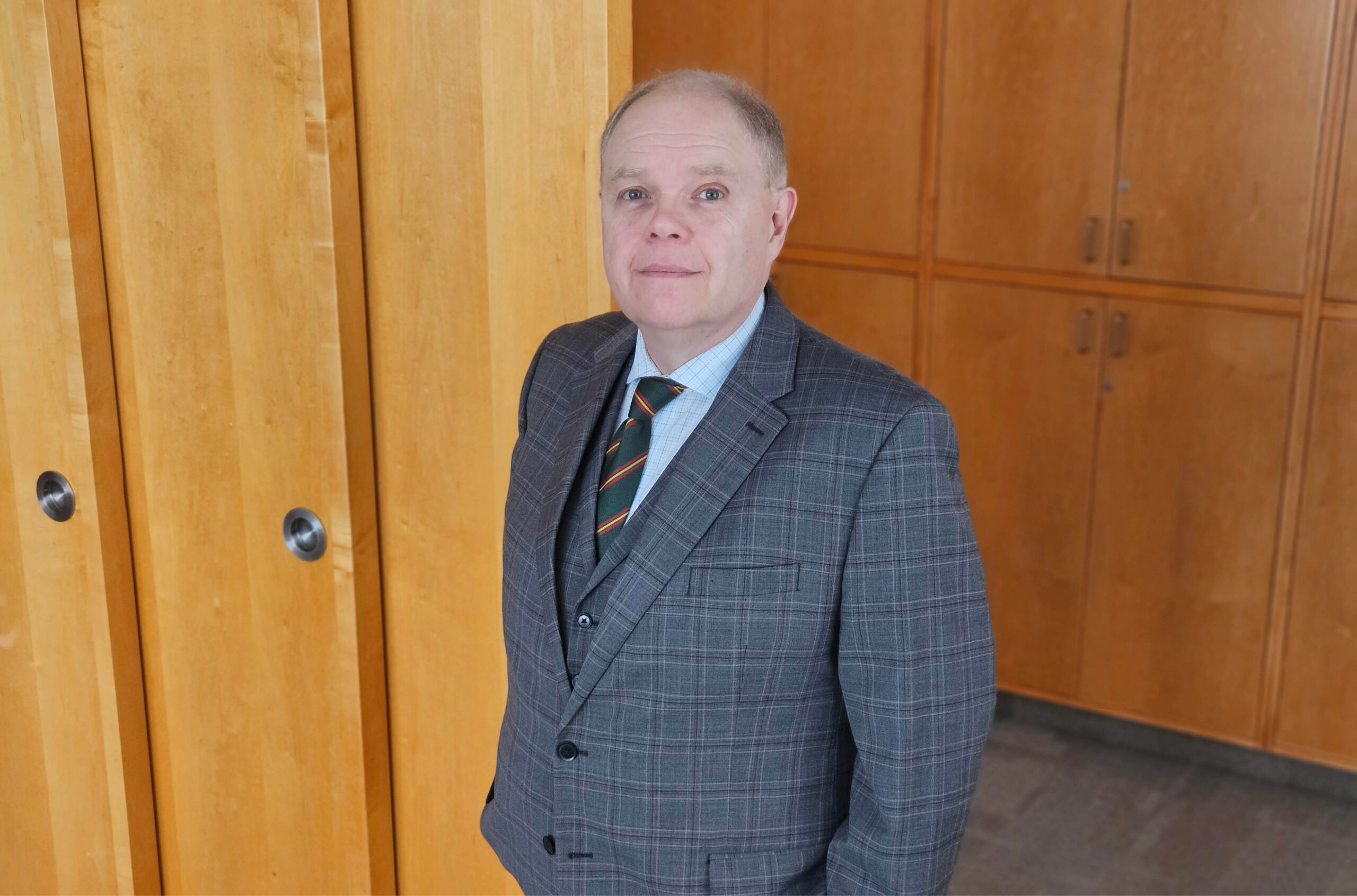
Meet Kevin McCormick, Founding President of the Canadian Institute for Human Rights and Global Health
Bringing capacity to global engagement.
-

From business journalism to entrepreneurial support
A Moroccan BCDI 2030 Scholar committed to empowering women entrepreneurs.
-

How a business administration partner can deliver ‘stratactical’ value across an organization
No matter how big the organization or company is, the executive team needs to empower this role.
-

Lessons from Iran: when academic freedom is undermined, fear reigns
A physicist who now works in Canada recounts being arbitrarily fired from his teaching position in Tehran.
-

Questioning colonialism in university administration
We must shift our conceptions of leadership beyond the confines of individualist, transactional and hierarchal notions toward more complex, relational and collectivist ways that recognize Indigenous nationhood and knowledges.
-

What do universities owe Canadians?
The higher education community must act as a guiding light as we return to more in-person activities.
-

Academics facing potential censorship
How do we manage academic freedom, which should be unhindered, unrestricted and inviolable?
-

What Canada can learn from Germany’s approach to research
On a recent tour of the European country’s universities and research institutes, we met North American academics who were drawn to much more than the apple strudel, wiener schnitzel and fine chocolate.
-

‘Beware of oysters’ and other remedies for donor threats to academic freedom
Ultimately, the three best defences are good policies, good communication and good habits.
-

Finding good papers in the age of social media and reduced travel
It is incumbent on scientists to make sure that the ‘loudest’ research isn’t the only stuff we read.
-

Questioning the ethics of online proctoring
Instead of relying on a ‘technological fix,’ we need to ask what drives students to cheat in the first place.
-

What the pandemic taught us: mental health is a necessary condition for learning
How a course on the science of learning evolved into the importance of mental health in academic skills development.