An all-inclusive isolation stay
The University of Alberta is offering a full-service residence package for self-isolating staff and students.

Throughout the pandemic, federal emergency orders have required anyone travelling to Canada to self-isolate for 14 days upon arrival. For those who find themselves without a safe and private place to stay for two weeks, or contacts who can run errands on their behalf, coming to Canada seems daunting. The University of Alberta wants to help.
The university’s residence services have put together an all-inclusive package open to U of A students, faculty members and staff returning to Edmonton, and international students attending any postsecondary institution in the city. For $975, the isolation accommodation program includes transportation from Edmonton International Airport to campus, a private residence room with a bathroom, linens and laundry service, meal deliveries from the residence dining hall, garbage collection, regular check-ins from health services and access to the university’s medical facilities.
As of mid-August, a dozen students had requested to participate, with four having checked in. Janice Johnson, assistant dean of students (residence), says the program came out of a real need identified among students — between March and August, the university offered similar support to 25 students who had to self-isolate. The isolation program aside, U of A expects 1,500 people to live in residence this fall.



Featured Jobs
- International Studies - Faculty Position (Arctic Defence and Security)Université Laval
- Canada Impact+ Emerging Leader in Quantitative and AI-enabled Electron Microscopy for Quantum and Advanced MaterialsMcMaster University
- Director, Human Research Ethics & Strategic AdvisorUniversity of Manitoba
- Movember Institute Discovery Research Program FellowshipsThe University of British Columbia
- Theatre and Film - Assistant Professor Without Review (Performance Practice)The University of British Columbia
More from News
-

Feds announce $880 million for research
Funding will support both established health scientists and emerging cross-disciplinary researchers.
-

OCAD University celebrates 150 years of shaping Canadian culture
Art and design university launches $6-million campaign for 150 scholarships to mark 150th anniversary.
-

B.C. higher education: tweak or reform?
In the coming provincial election, parties offer different proposals for a system under strain.
-

Canada ‘muddling through’ without national research infrastructure strategy, panel finds
Expert report says fragmented governance and funding threaten Canada's research competitiveness and scientific sovereignty.
More from Campus news
-

Strike over, but strife remains at Laurentian
Faculty ratify new collective agreement, but say the deal still puts them behind other Ontario universities.
-
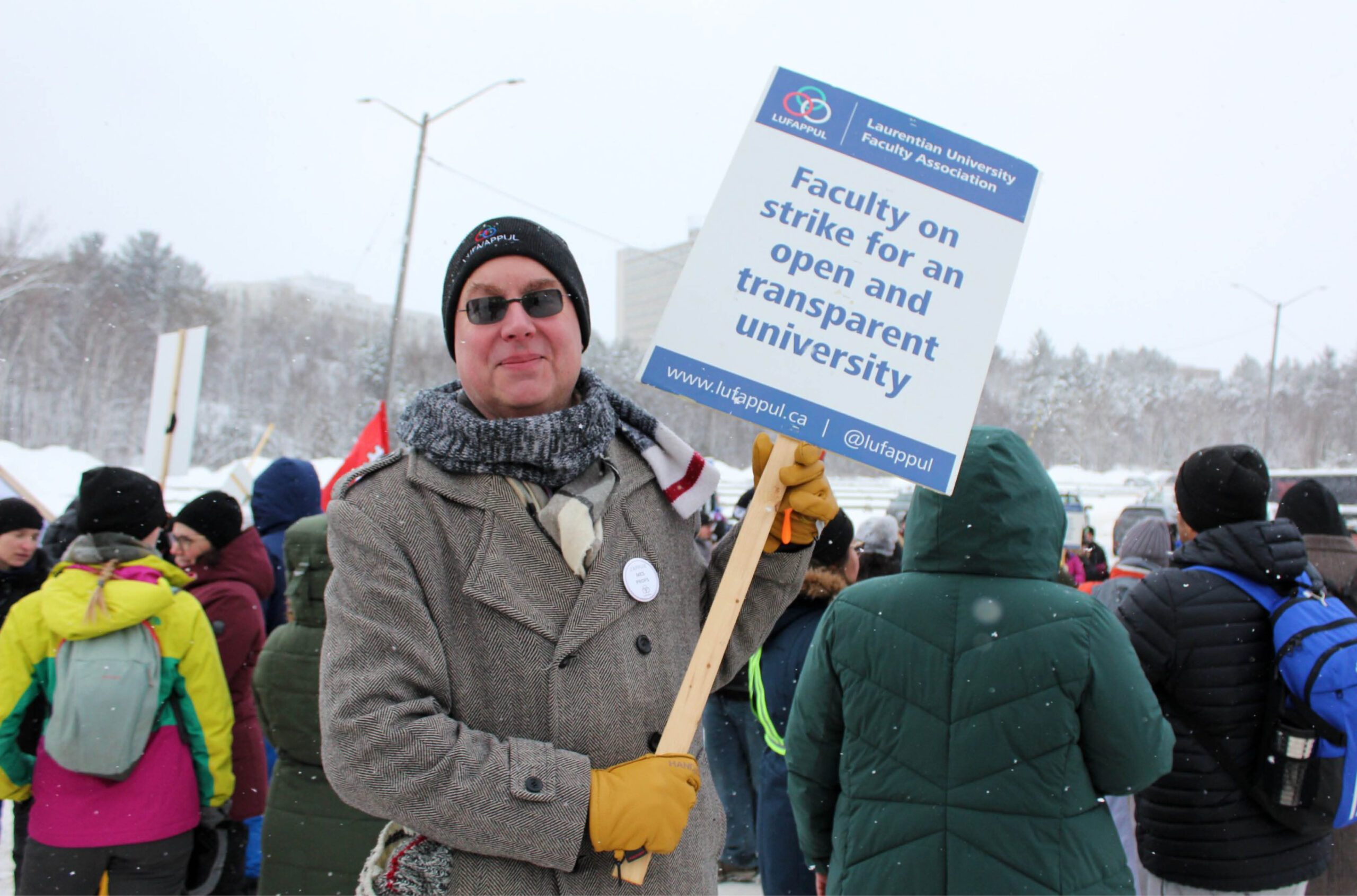
Faculty strike at Laurentian
Negotiations fail, picket lines rise at northern Ontario university.
-

Quebec universities weather an unprecedented storm
The province’s institutes of higher learning are navigating immigration restrictions, language policies, budget cuts and challenges to academic freedom.
-

Reflecting the cultural temperature
A look back at some of Spring’s convocation speeches at Canadian universities.
More from Articles
-

Ottawa won’t restrict student visas from countries with high asylum-claim rates
India will help Canada ‘crack down’ on student program abuses, high commissioner says.
-

Students and seniors under the same roof
Intergenerational living helps with loneliness and the high cost of rent.
-

U Sports alum lace up for PWHL season
Canadian grads eager to show their mettle on women’s pro hockey teams.
-

The hidden problem of student homelessness
As high rents push more students into precarious housing, it's time to stop romanticizing the 'poor scholar'.

Post a comment
University Affairs moderates all comments according to the following guidelines. If approved, comments generally appear within one business day. We may republish particularly insightful remarks in our print edition or elsewhere.