NDP urges federal government to provide biometrics options for Palestinian students awaiting study permits
Critics accuse Ottawa of bureaucratic double standards.
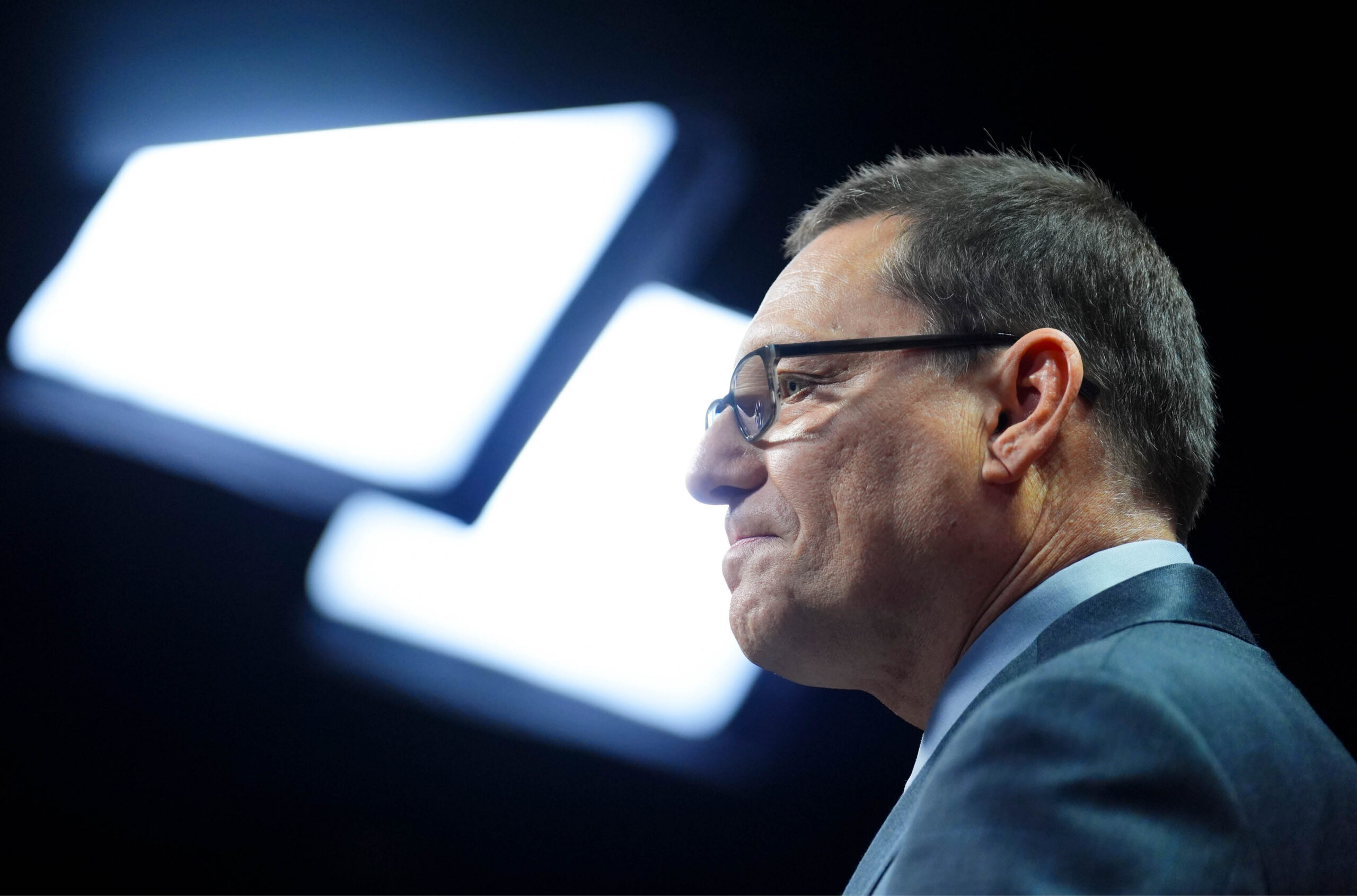
The federal NDP has called on Immigration, Refugees and Citizenship Canada (IRCC) to immediately implement biometrics options to fast-track study permits for 136 Palestinian students, who despite receiving admission offers and scholarships at 26 Canadian universities, remain trapped in limbo.
At an April 14 news conference in Ottawa, newly elected NDP Leader Avi Lewis said that IRCC should allow Palestinian students to complete fingerprint or retinal scans in Canada; provide temporary biometrics exemptions or deferrals; and create remote or alternative processing options.
“These are secure and humane alternatives that are both feasible and already in use around the world – alternatives that ensure fair, timely decisions for qualified applicants who have already been accepted at Canadian universities,” added Mr. Lewis. “This is about justice, equitable treatment and fundamental human rights.”
According to an NDP background document, 98 Palestinian students remain in Gaza where biometrics processing is unavailable. Yet as the party highlighted, under section 12.8 of the Immigration and Refugee Protection Act (IRPA), biometrics are not required when compliance is “impossible or not feasible.”
Another 27 students have applied for Canadian study permits from Egypt where they face additional security screening for anyone who was in Gaza after July 1, 2023 – three months before Israel began its military assault on the region.
The NDP noted that this extra screening has caused delays of more than 18 months, compared to a standard nine-week processing time for study permits in Egypt.
Alaa (whose last name University Affairs agreed to withhold for security reasons) has waited for 23 months to obtain a study permit. In March 2024, the 40-year-old Palestinian man who holds a master’s degree in electrical engineering from the Islamic University of Gaza, was admitted to the doctoral program in engineering at the École de technologie supérieure (ÉTS) in Montreal. He was scheduled to begin his studies that Fall, with a research focus on improving data transmission in urban wireless networks. At the time, he obtained an annual stipend of $18,750 from ÉTS, a scholarship through Fonds de recherche Québec, and secured a teaching and research position under his postgraduate supervisor – all the while providing IRCC with the required supporting documentation, biometrics and processing fees for his study permit.
And Saudi Arabia-born Alaa, who is in Cairo, where he, his wife and their three children fled to in April 2024 to escape the war in Gaza, is one of five Palestinian postgraduate students who have filed mandamus applications with the Federal Court to compel IRCC to issue their study permits. He told University Affairs that if he doesn’t receive one soon, he will lose his doctoral opportunity at ETS in May.
Nadia Abu-Zahra, a professor in the School of International Development and Global Studies at the University of Ottawa and a member of the Palestinian Students and Scholars at Risk (PSSR) Network, said in an interview that since she joined the university faculty in 2008, she has never seen foreign graduate students, as a group, face a “blanket holdup like this.”
“This is, in effect, a concerted effort to block Palestinian students from coming to the universities that have accepted them and offered them scholarships,” she said.
Dr. Abu-Zahra added that Immigration, Refugees and Citizenship Minister Lena Diab is forcing students “to stay in the same place where students and professors are being killed.”
“It’s a complete dehumanization of students whose main goal is to flourish and to give to society – and Canada is treating them in a totally different way from the way it treats everyone else.”
According to the PSSR Network, only eight Palestinian students, most of whom had their applications processed in Europe, arrived in Canada last year.
IRCC said in a statement that the federal government is “deeply concerned about the ongoing situation in Gaza and recognize[s] the extremely difficult circumstances faced by people in the region, including those hoping to study in Canada.”
“It is important to distinguish between those applying for a study permit and those applying under the special measures to support temporary residence for people in Gaza who are the extended family members of Canadian citizens and permanent residents. These special measures are being prioritized, consistent with Canada’s priority to reunite families and provide a temporary safe haven for directly affected Palestinians with family support in Canada,” according to the statement.
“We understand that some students, including those with acceptance letters from Canadian institutions, have been experiencing increased processing times for their study permit applications. While an offer of admission is an important step, it does not automatically lead to a study permit. All prospective international students must meet the requirements of Canada’s immigration system — including obtaining a letter of acceptance from a designated learning institution and securing an approved study permit—before they can travel to Canada.”
The department said that “anyone looking to come to Canada must meet our admissibility and eligibility requirements, including biometrics and security screening, as set out in the IRPA and the Immigration and Refugee Protection Regulations. Security screening is conducted by Canada’s security partners, who operate independently from IRCC. The timing and results of these screenings are outside of IRCC’s control. Biometrics can only be completed after people leave Gaza, as IRCC has no presence there.”


Featured Jobs
- KAUST Global Fellowship Program - Postdoctoral Fellowship (Call 2027)King Abdullah University of Science and Technology
- International Studies - Faculty Position (Arctic Defence and Security)Université Laval
- Director, Human Research Ethics & Strategic AdvisorUniversity of Manitoba
- Psychology - Assistant Professor (Clinical Psychology)Western University
- Global Inequalities and Trade - Faculty PositionUniversité Laval
More from News
-

U Sports alum lace up for PWHL season
Canadian grads eager to show their mettle on women’s pro hockey teams.
-

The hidden problem of student homelessness
As high rents push more students into precarious housing, it's time to stop romanticizing the 'poor scholar'.
-

Parliamentary committee urges stronger support for research in French
Granting agencies should consider funding targets specifically for French-language projects, the Standing Committee on Science and Research recommends.
-

Remove EDI from research funding decisions, parliamentary committee says
The Standing Committee on Science and Research says ‘discriminatory’ EDI policies are ‘weakening the quality of Canadian research’.
More from Israel-Palestine conflict
-
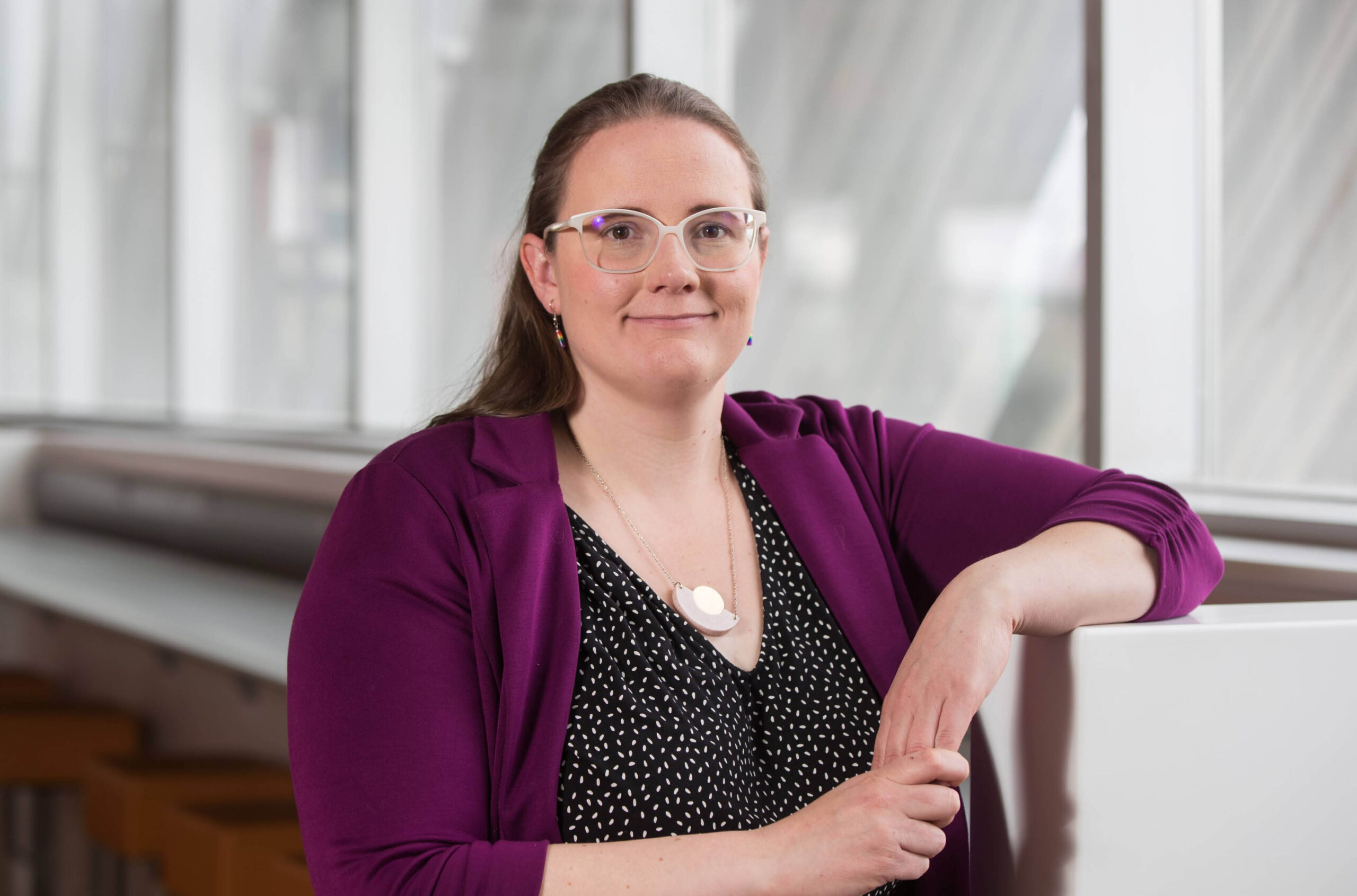
University professors urge Ottawa to end delay in issuing study permits to Palestinians
Accepted by Canadian universities, some 130 students remain stuck in Gaza and Egypt, awaiting government paperwork.
-

Gazan students stuck in limbo
Despite acceptance by Canadian universities, Palestinians face roadblocks in coming to this country
-

Taking stock: Multiple perspectives on pro-Palestinian protests
Activists and administrations from Halifax to Nanaimo review policies after this spring’s pro-Palestinian encampments.
-

Antisemitism in Canada since the 7 October 2023 pogrom
Surveying attitudes before and after, amidst sharp rise in hate crimes
More from Articles
-

Good medicine: new programs train country doctors
Université de Montreal follows Queen’s prescription to heal the shortage of family physicians in rural areas.
-

Universities struggle to be heard in Quebec election
In a campaign dominated by the U.S. trade war and the soaring cost of living, universities assert their continued importance.
-
Quebec’s English-language universities embrace new French requirements as fall cohort begins
McGill, Concordia and Bishop’s universities roll out new initiatives to encourage students to learn French on and off campus.
-
Attacks on higher education spread globally, including in liberal democracies, Scholars at Risk report finds
Canada urged to defend values amid erosion of institutional autonomy in the U.S.


Post a comment
University Affairs moderates all comments according to the following guidelines. If approved, comments generally appear within one business day. We may republish particularly insightful remarks in our print edition or elsewhere.