Stéphane Dion: “The university will always be a forum for debate”
Université de Montréal’s new diplomat-in-residence talks about the enduring role of universities in a world marked by uncertainty, international tension and technological change.
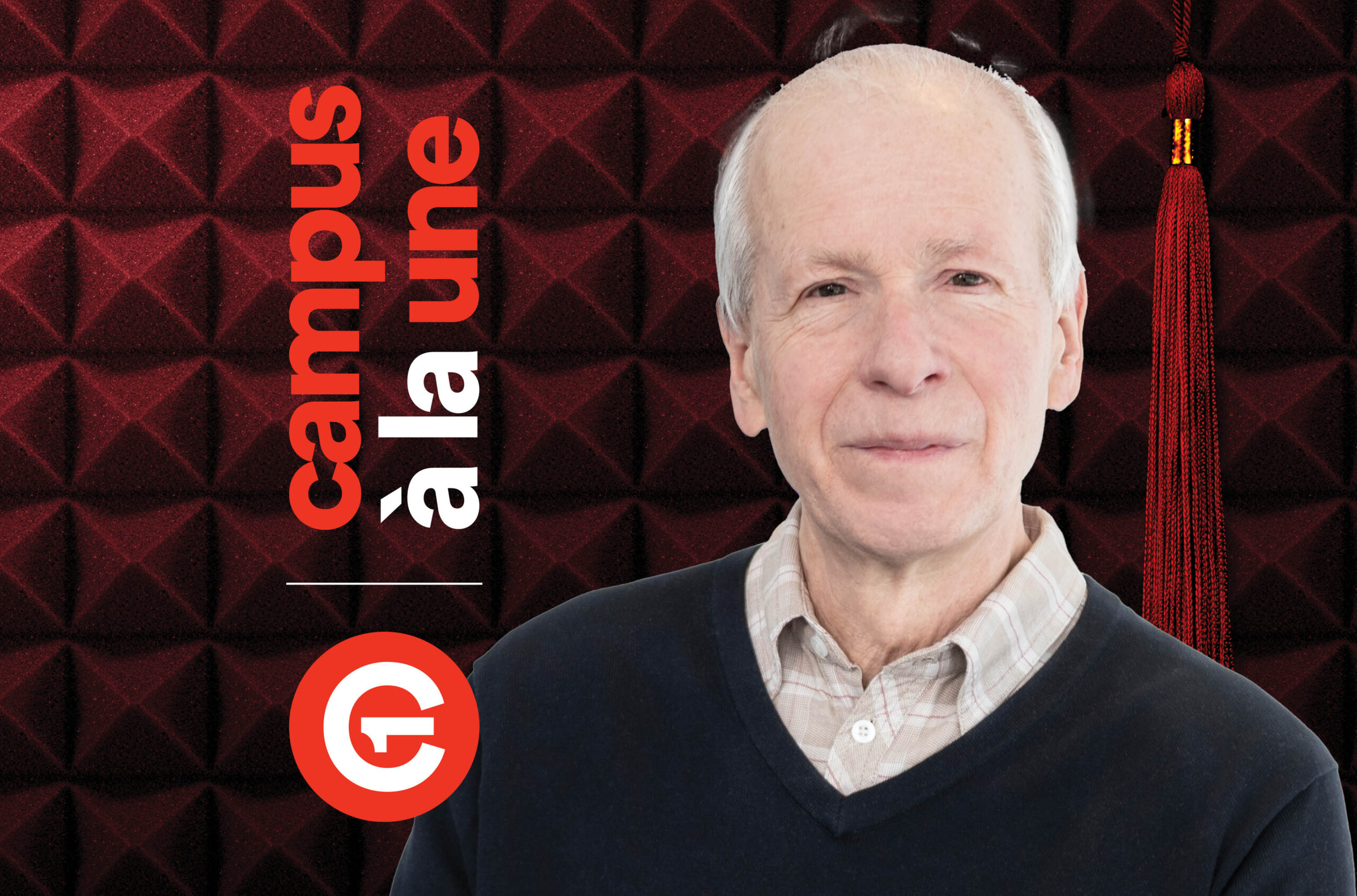
A few days after a freezing-rain storm that left the city coated in ice, the Université de Montréal campus was slowly coming back to life. In the law faculty library, some students were already back in their study carrels, taking advantage of the weekend quiet.
That’s where University Affairs met with Stéphane Dion. As usual, he was toting a book: his lifelong passion for reading would come up several times during our conversation.
A former political science professor, federal foreign affairs minister and ambassador to Germany and France, who received his PhD from Institut d’études politiques de Paris, Dr. Dion has now returned to Université de Montréal as diplomat-in-residence.
We met with him for an episode of our French-language podcast Campus à la une to get his views on world affairs and the role of universities today.
The conversation soon turned to what he sees as the central role of these halls of learning.
“A university is, and always will be, a forum for debate,” he said. “When ideas collide, knowledge and science move forward.”
A bridge between university and diplomacy
Dr. Dion says he’s happy to be back on campus after many years as a Canadian diplomat. He sees himself as a resource for students, researchers and academic departments that want to understand the nitty-gritty of how international relations really work.
“I have experience and expertise. I’m eager to see how that responds to the interests of students, researchers and teachers,” he explains.
He also wants to fulfill a specific mission: the university president has tasked him with helping bring the academic world closer to the real world of diplomacy. Reporting to the dean of the faculty of arts and sciences, he hopes to serve as a bridge between academics and working diplomats. “If the university offered me this position, no doubt it’s because they think I can be a resource person for connecting the academic world to actual hands-on diplomacy.”
According to Dr. Dion, universities play a critical role in producing specialists who can understand and negotiate the rules that, still today, govern international relations. Despite the tensions and crises dominating the headlines, he rejects the idea that international law has ceased to exist.
“There are thousands of international and bilateral agreements that continue to govern relations between countries,” he argues. “We need jurists and other experts who can understand, improve and negotiate those agreements.”
Universities and new technologies
Dr. Dion notes that universities have changed a lot since his teaching days, especially with the advent of new technology.
Digital tools have revolutionized how students are taught and evaluated. In his view, these changes offer potential benefits, but also require adjustments. “The danger is that students will start letting the machines do all the work,” he muses.
To address this issue, he says evaluation methods have to evolve. For example, written assignments could be accompanied by oral exams to check whether students really understand the ideas they’re presenting.
Despite the changes, he’s convinced that some fundamental teaching practices will remain. “A good lecture given by a knowledgeable professor, with students taking notes and having a discussion afterwards — I think it’s an old method with a lot of staying power.”
Training minds to compare and analyze
For Dr. Dion, the university’s main job is to train minds capable of rigorously analysing the world. That includes a skill he deems essential: comparison. Comparing countries, political systems and societies is a way to understand the forces shaping today’s world. Without comparison, he explains, it’s difficult to properly evaluate public policies or economic choices.
“Saying you can’t compare apples to oranges is nonsense,” he argues. “It’s precisely the fact that things are different, which allows us to compare them.”
Before wrapping up our talk, Dr. Dion circles back to what he sees as an essential practice for students: reading. In an age of tweets and reels, he fears that people are losing the taste for long-form reading — something he views as critical to intellectual development.
“Stay home and engage with a writer’s work,” he advises. “Tell your friends you can’t go out tonight; you have to read another chapter.”
To him, reading, travel and experiencing other cultures are complementary ways to learn about the world. As global instability and tensions rise, he believes universities must continue to play the crucial role of training minds to analyze, debate and look for solutions.
And for that, he says with a smile, there’s one habit that remains indispensable: reading books.


Featured Jobs
- Movember Institute Discovery Research Program FellowshipsThe University of British Columbia
- Toldo Chair in Christian StudiesAssumption University
- Theatre and Film - Assistant Professor Without Review (Performance Practice)The University of British Columbia
- Global Inequalities and Trade - Faculty PositionUniversité Laval
- International Studies - Faculty Position (Arctic Defence and Security)Université Laval
More from News
-

Ottawa won’t restrict student visas from countries with high asylum-claim rates
India will help Canada ‘crack down’ on student program abuses, high commissioner says.
-

Students and seniors under the same roof
Intergenerational living helps with loneliness and the high cost of rent.
-

U Sports alum lace up for PWHL season
Canadian grads eager to show their mettle on women’s pro hockey teams.
-

The hidden problem of student homelessness
As high rents push more students into precarious housing, it's time to stop romanticizing the 'poor scholar'.
More from Q&A
-
Entrepreneurship is weaving its way into engineering schools
Engineering schools are broadening their scope—without losing sight of their technical foundation.
-
Reaffirming the role of universities
Lessons from the U.S.
-
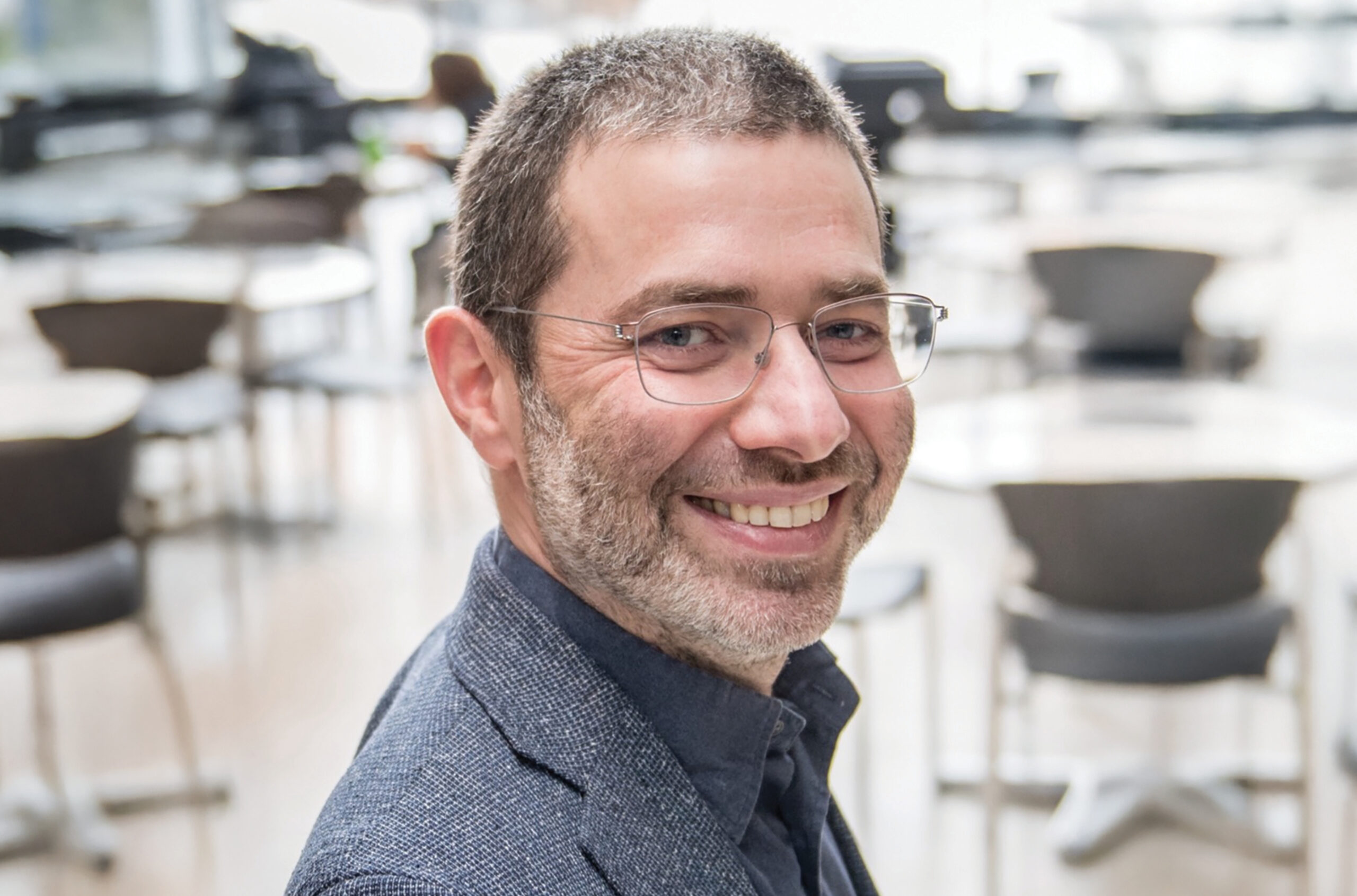
Are universities ready for cyberattacks?
Canadian universities stand in the crosshairs of cybercriminals: Q&A with Benoît Dupont, Canada Research Chair in Cyber-resilience.
-
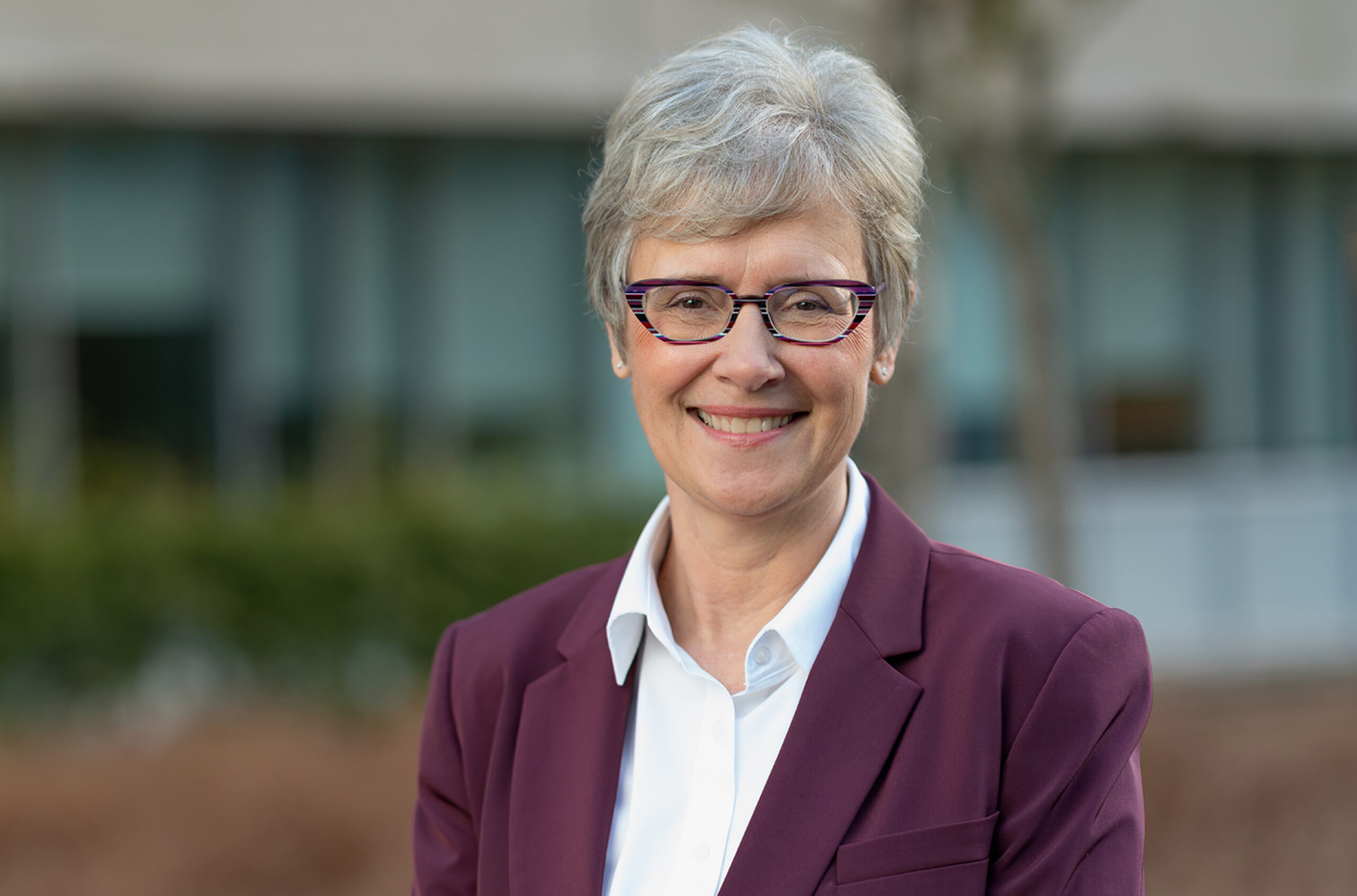
Meeting the moment together
Universities Canada’s new chair of the board of directors Joy Johnson on the path forward for higher education.


Post a comment
University Affairs moderates all comments according to the following guidelines. If approved, comments generally appear within one business day. We may republish particularly insightful remarks in our print edition or elsewhere.