-

Institutional neutrality: the case against
Jennifer S. Simpson argues that universities must eschew neutrality to advance democracy, ethics and the public good.
-

Who’s afraid of academic freedom?
Defenders of democratic debate are rising to meet the challenges of ideological polarization, governmental interference, and underfunding of academic institutions.
-

Political turbulence poses threats, opportunities
Université de Montréal rector Daniel Jutras reflects on how Canadian universities are reacting to events in the U.S. and the grounds for optimism amid the turmoil.
-
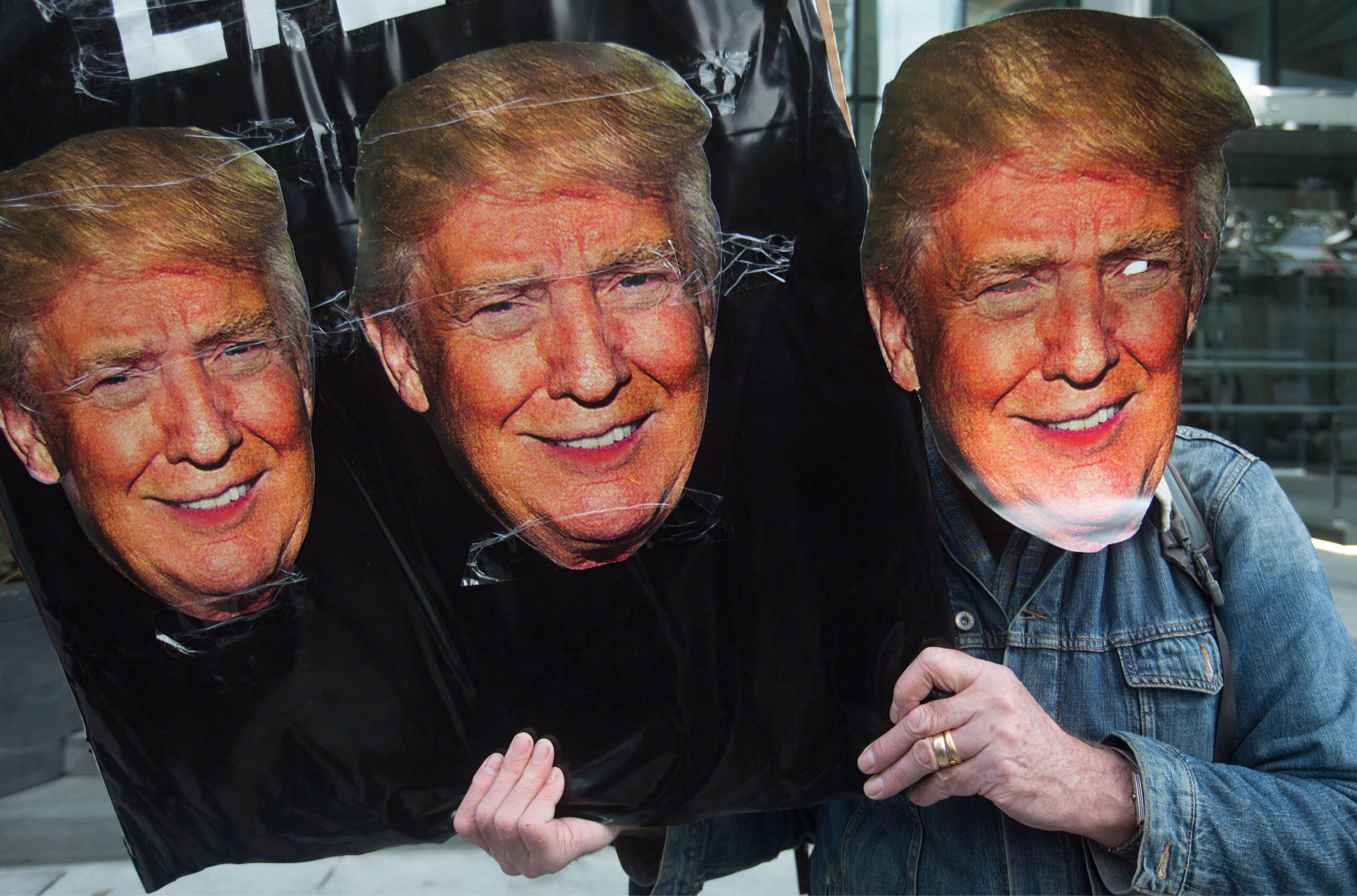
Rewriting history by decree
Canadian historians caution against U.S. trend of political interference
-

Academic freedom is caught in a triangle of threats
A dissection of three talks presented at the recent Harry Crowe conference in Toronto.
-

Two kinds of academic freedom? Lessons from a scholar who fled Turkey
Should there be a separate conception of academic freedom for precarious and independent scholars?
-

The price of academic freedom
Because we most often invoke it when it’s threatened, we tend to focus more on the rights associated with academic freedom than on the reason we have it to begin with.
-
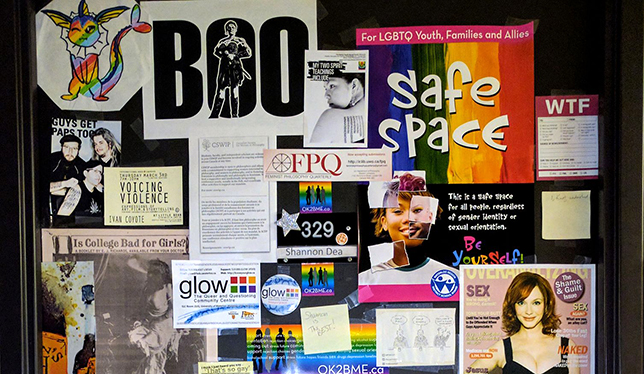
My office door and the campus free speech crisis that never was
For reasons of naiveté or worse, the media and the public have been taken in by the view that there is a free speech crisis on campus.
-
Academic freedom in a non-ideal world
Understanding what academic freedom is ideally meant to do can help us understand its contours, and how to best defend it.
-

A brief history of academic freedom
If engaging with the public is indeed part of the job of the professor, then universities ought to protect professors who take up the task.
-

Free speech on campus: The age-old debate rages on
Clashes over the limits of free speech continue to divide students and faculty.
-

The theatrics of the Ford government regarding free speech on campus
Most with a working knowledge of higher education would agree we are nowhere near a free speech crisis in colleges and universities, let alone one justifying government intervention.
-

First dispatch: Academic freedom and the mission of the university
A better understanding of the mission of universities, and of the role that academic freedom plays within that mission, puts us in a better position to support university scholars and the work that they do.
-

The opportunity cost to doing scientific research at a university
Translational research should be scientist-driven and institutionally supported, not the other way around.