-
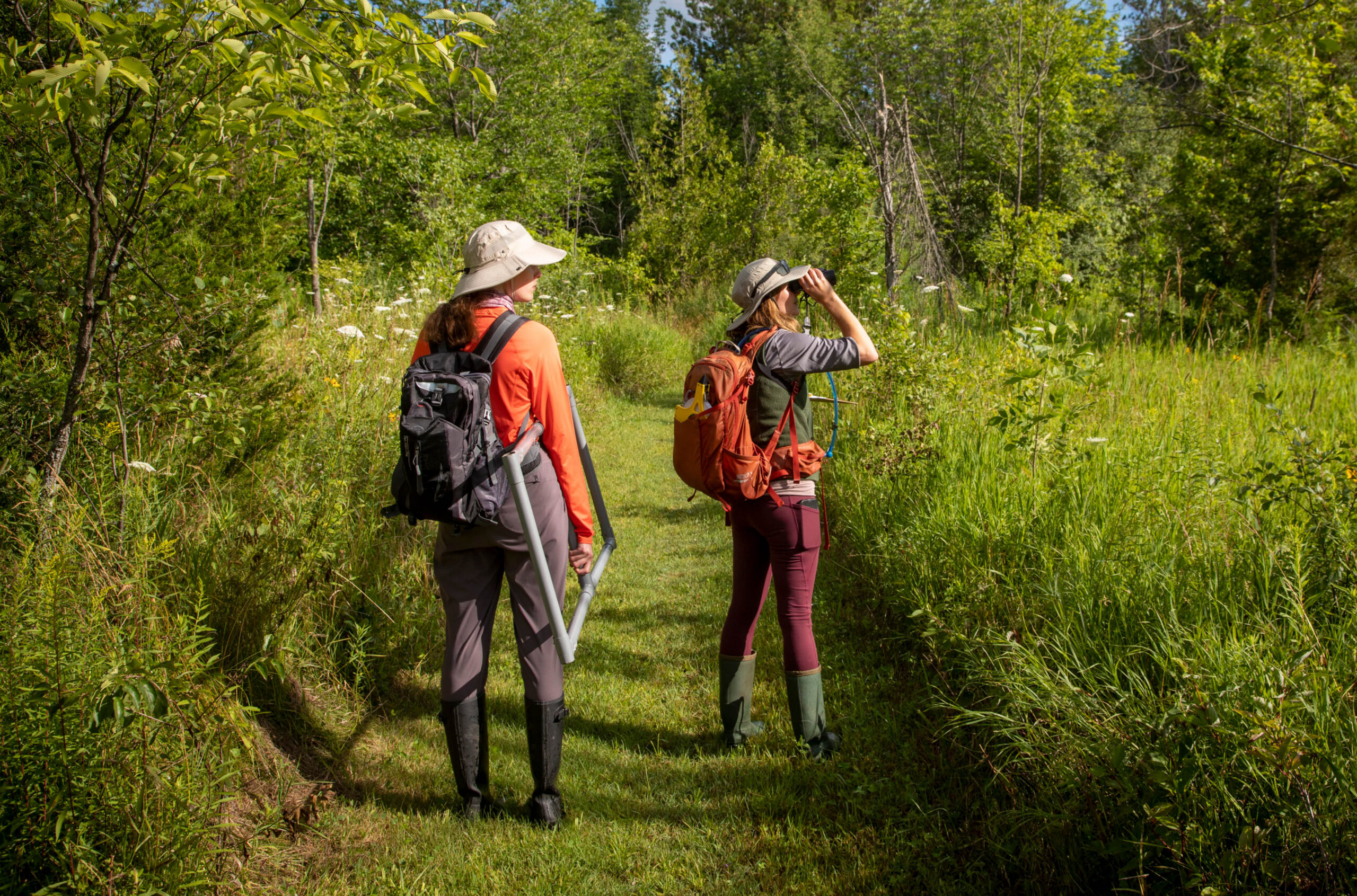
Nature and First Nations honoured at Trent University
New stewardship plan reconnects campus green space to Anishinaabe knowledge.
-

Strengthening the circle: empowering success for Indigenous learners through community-based assessments and reciprocal relationships
Meeting learners within their Indigenous communities to promote higher education is a powerful demonstration of respect and support.
-

Book review: Indigenous lessons for healing our society
Blair Stonechild, The Knowledge Seeker: Embracing Indigenous Spirituality, Regina: University of Regina Press, 2016, 224 pages.
-

Hidden eco warriors
Academics who research and teach accounting are quietly championing environmental efforts.
-
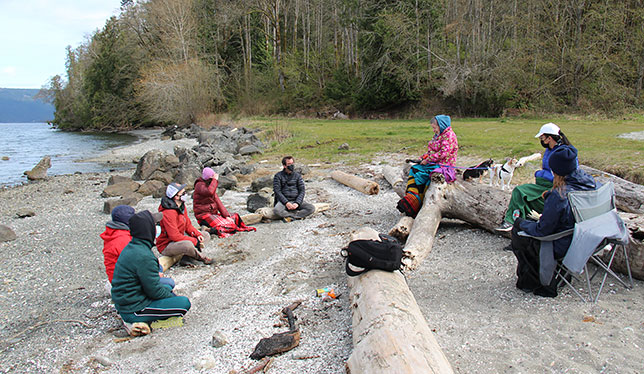
First grads of unique UVic program will help make Indigenous law ‘visible’
The inaugural class of 23 students completed the joint program in Canadian common law and Indigenous legal orders this spring.
-
Moving toward equity: hard questions, shared conversations at Toronto Metropolitan University
Institutions of higher learning are ideally places where there is deliberation and reflection on hard questions, and a shared grappling with the public good.
-

Ryerson University officially changes its name to Toronto Metropolitan University
The move signals ‘a new chapter,’ after years of grassroots advocacy, consultation and committee work.
-

Barometer project tracks public opinion to gauge progress on reconciliation
University researchers add ‘one tool in the toolbox’ to help better understand the state of relations between Indigenous and non-Indigenous people in Canada.
-

Indigenous research spotlighted in new government report on climate change
Authors hope to increase awareness of the impact of climate change on Indigenous peoples’ health.
-

New national Indigenous leadership association looks to support systemic change
Sense of isolation during the pandemic spurred effort to unite senior Indigenous administrators across Canada’s universities.
-

An update on the renaming of Ryerson University
The work of equity asks leaders to support movement toward justice, even when we cannot always foresee or predict the path forward.
-

Questioning colonialism in university administration
We must shift our conceptions of leadership beyond the confines of individualist, transactional and hierarchal notions toward more complex, relational and collectivist ways that recognize Indigenous nationhood and knowledges.
-

Reflections on being racialized and Indigenous in student affairs
A recent CACUSS panel shed light on the realities that many racialized staff face.
-

Indigenous students, faculty weigh in on renaming process at Ryerson
The university is now seeking input from members of the community through Dec. 7.