-
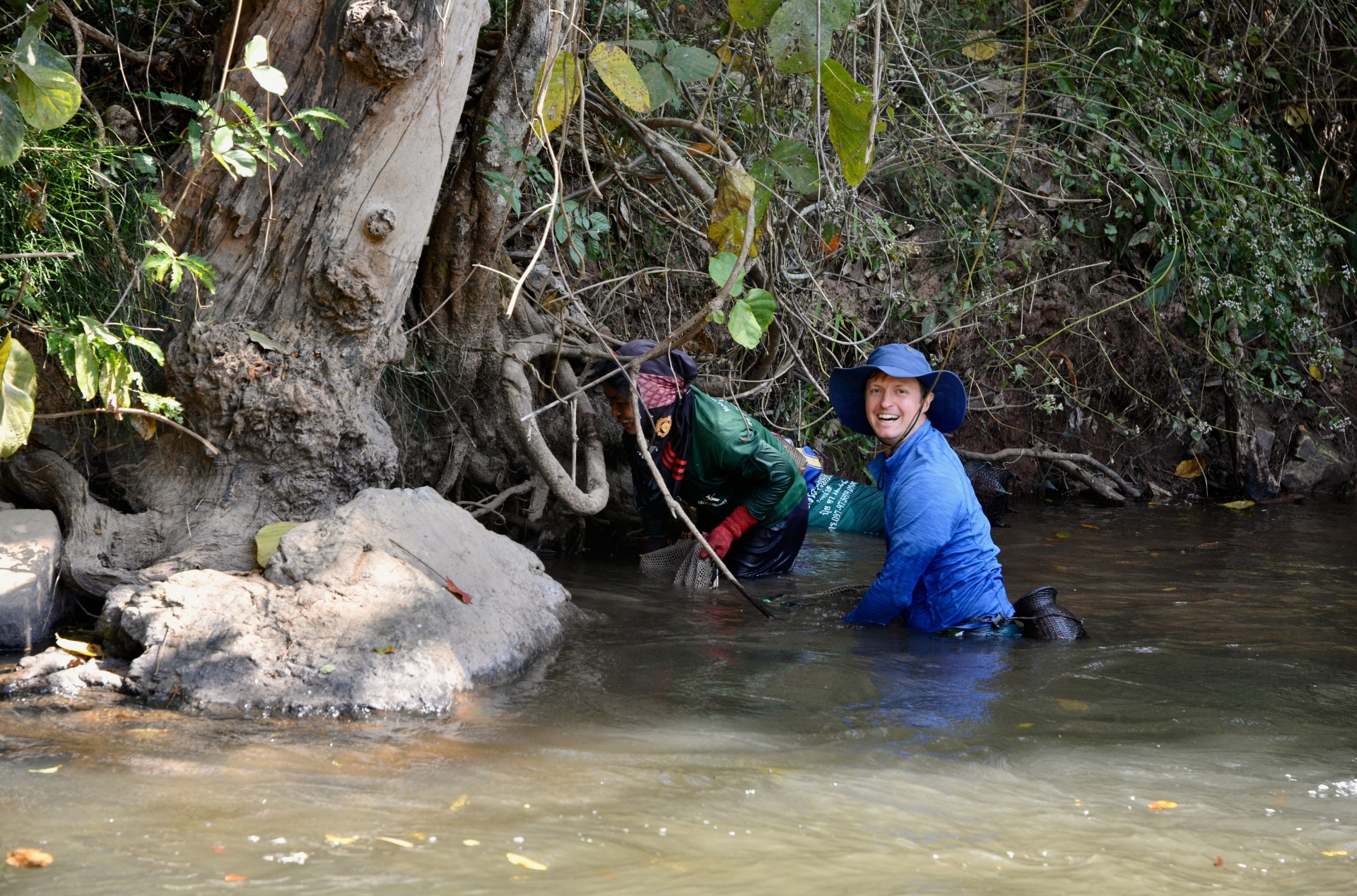
Take me to the river
IDRA scholarship winner Peter Duker studies community fishing practices in Thailand.
-
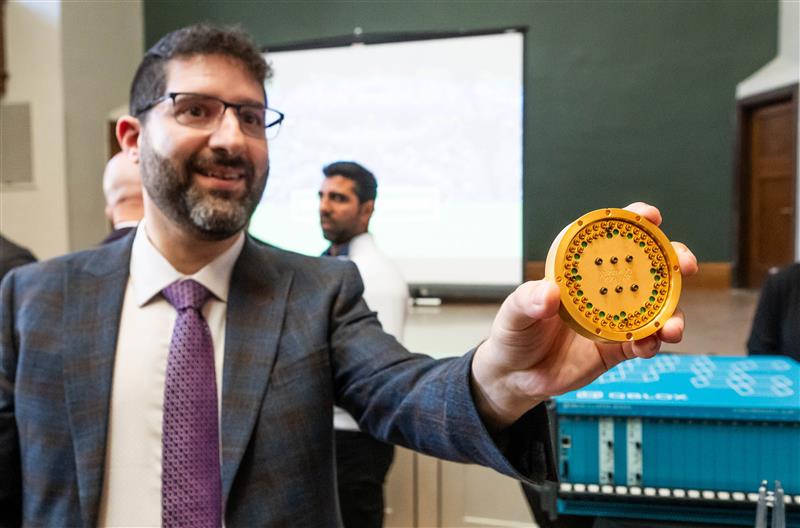
University of Saskatchewan acquires quantum computer to boost research capacity
Campus access to the technology will expand research possibilities.
-

Quebec launches network of reseach chairs in science diplomacy
Acting in the roles of diplomats and advisors, scientists can help solve pressing world problems, argues Quebec Chief Scientist Rémi Quirion.
-

Federal science cuts may have ripple effect on universities
Departmental belt-tightening in Budget 2025 adds to a long history of government reductions in scientific research.
-

Conference childcare for scientists is starting to show signs of improvement
Things are progressing, but there is still work to be done.
-
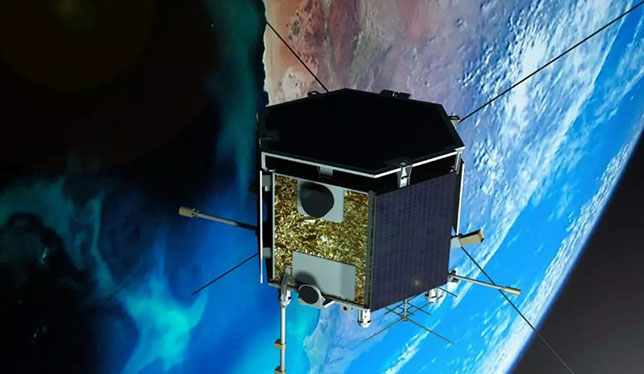
U of Calgary satellite still orbiting after 10 years
‘It has taken on a new project we didn't envision. We have repurposed it so it’s turned into a space object hunter.’
-

The rise of public scholarship
By engaging with the public, academics are building trust on behalf of their institutions within their communities.
-

How work has changed for university vaccine researchers
COVID-19 led to new opportunities and challenges.
-

New research initiative to advance child health knowledge in Canada
One Child Every Child brings together researchers from diverse disciplines, organizations and countries to examine the biological and social determinants of health affecting the well-being of children.
-

No one prepares us for the trauma of coming home from fieldwork
Readying novice field researchers to cope with potential feelings of dislocation on their return should be part of their training toolkit too.
-
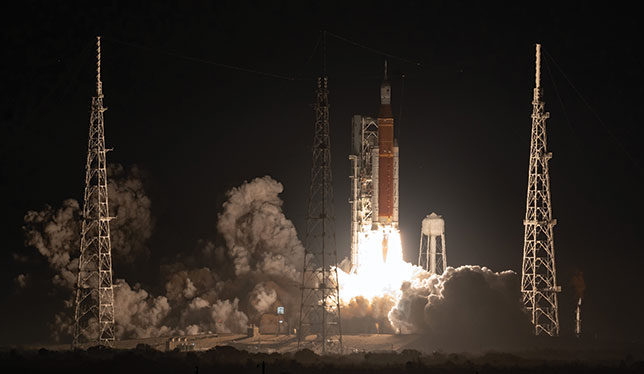
Space exploration and research make a comeback as federal funding priority
The government has promised billions of dollars for research and development to support future moon missions, with a long-term goal of sending people to Mars.
-

Understanding university ownership of IP in foreign research collaborations
Imposing broad rules on universities around ownership of intellectual property in complex research collaborations is not the answer.
-
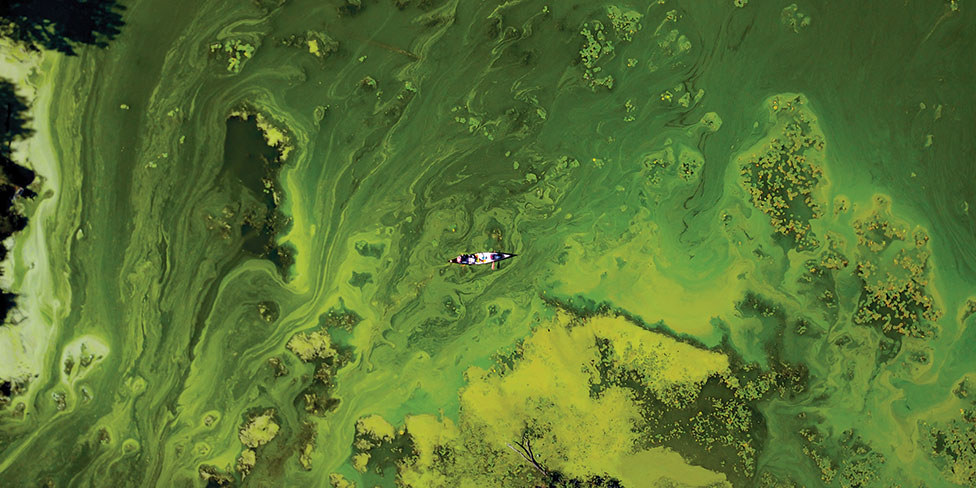
Research through the lens
Photo contests are gaining in popularity as a powerful way to share and promote research.
-

A new era of research security
National security agencies are taking a renewed interest in universities and their research in the face of rising geopolitical concerns.